| Author |
 Replies: 32 / Views: 11,044 Replies: 32 / Views: 11,044 |
|
|
|
Rest in Peace
United States
17900 Posts |
As has been said, without a very accurate weight your question simply can't be answered. Or, if it can, it's probably correct in assuming this coloration is nothing more than heavy patination.
|
|
Bedrock of the Community
United States
62064 Posts |
If it were on a cent planchet, then it would weight the same weight of a cent and be the same size as a cent in diameter. Then the devices would fall over the edge of the coin like this coin that was given to me by my brother in law. 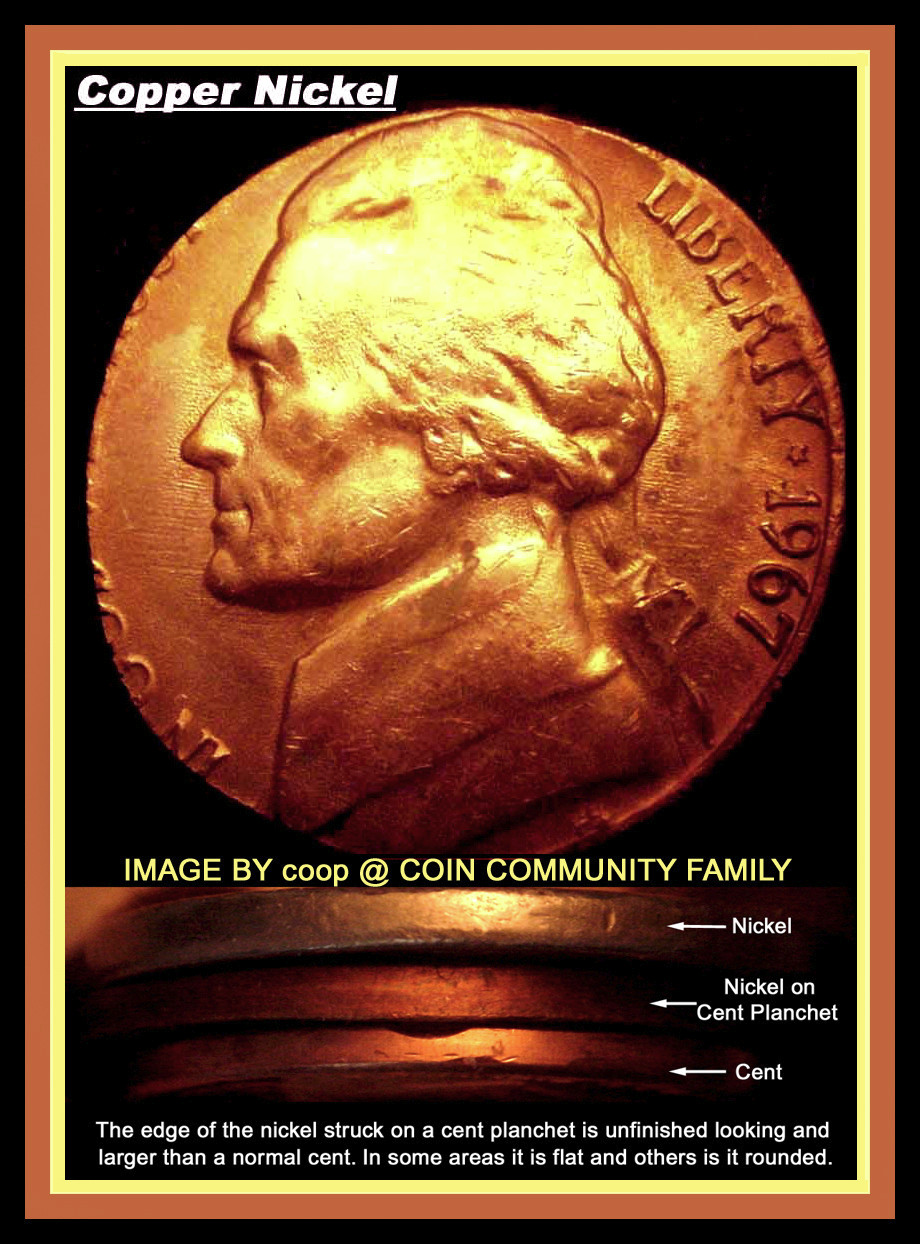 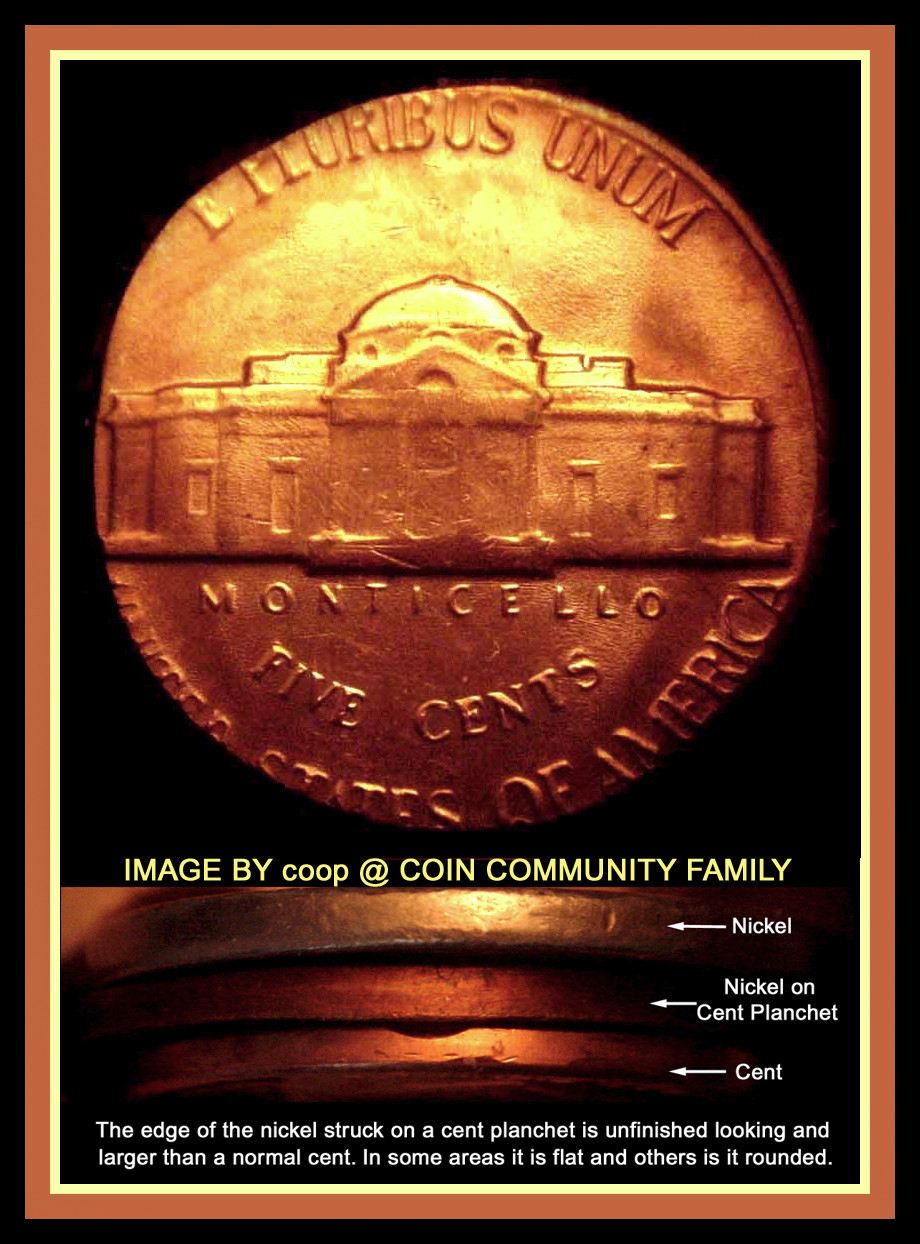 |
|
New Member
 United States
11 Posts |
I will get the weight from a local certified coin dealer. Can anyone verify from the link I provided if there was indeed such a coin as a 1920 Buffalo nickel struck out of a full size copper planchet? |
|
Bedrock of the Community
United States
12057 Posts |
In late 2015 a 1936 (?) Buff struck on a blank intended for a Nicaraguan centavo coin (bronze alloy) certified by PCGS sold for $7.5k, and other examples of off-metal strikes are known for Buffs.
That being said, a look the claimed composition of the one in the link provided for the supposed 1920 coin: according to that link the comp was determined by some unknown method to be 89/8/3 copper/zinc/tin, which would be a brass (tombac) 10% alloy with tin as the colorant and it would amenable to being struck into a coin; but I'm not sure how a blank of said material would have gotten into the press to be minted or if any coins of the era were minted of similar composition.
Member ANA - EAC - TNA - SSDC - CCT #890 "Most of the things worth doing in the world had been declared impossible before they were done." -- Louis D. Brandeis |
|
Moderator
 United States
56855 Posts |
Did the U.S.Mint mint any coins for other countries,in that composition around that year? John1  |
|
Moderator
United States
196327 Posts |
It just looks toned to me.
|
|
New Member
United States
11 Posts |
Weighs in at 5.06 grams. Any thoughts?
|
|
Bedrock of the Community
United States
12437 Posts |
Quote:
As I posted it was not found in the ground. You may not have found it on the ground but someone else certainly did at some point since 1920. The dusty greenish brown color is entirely consistent with a cupronickel coin that has spent significant time in contact with soil- that is the color of corrosion. |
|
Moderator
United States
196327 Posts |
Quote:
Weighs in at 5.06 grams. Any thoughts? Well within tolerance for a normal nickel. So it is just that, albeit one that has toned. |
|
Pillar of the Community
United States
2189 Posts |
Quote:
Ask any metal detector enthusiast if he has not seen this look before. I have found 2 Buffalo nickels in five years of metal detecting and they both looked like this one.They were so worn down I couldn't even make out the dates but they were about the same color as this one |
|
Moderator
United States
56855 Posts |
Normal weight is 5g,Byers coin is 4.96g and the op's is 5.06g.So,all within mint tolerance. Next step would be an XRF analysis if you really think it is an off metal error. Good luck. John 1 |
|
Valued Member
United States
127 Posts |
A small test file mark on the edge will tell the story. If it is copper, the file mark would not affect the value.
|
|
Pillar of the Community
United States
4233 Posts |
The NGC cert is valid on that other one ( https://www.NGCcoin.com/certlookup/1625751-001/) and I'd assume they would have tested it to provide those composition numbers. That one is AU55 so it circulated. Certainly where there's one, there could be more, but I have also seen Jefferson nickels with this color from toning/env damage. You could send it to NGC, or forum member SPP-Ottawa has offered XRF analysis to others over on the Canadian variety forum; you could try to contact him. |
|
Bedrock of the Community
United States
17884 Posts |
There are a couple early date buffalos known on copper planchets, but the overwhelming likelyhood is that this is an environmentally discolored coin. Weight is not going to tell you anything because copper and nickel are almost exactly the same weight and density so any disk of the same size made of copper or nickel or any alloy of the two will all weigh the same to within tolerance ranges. For that reason a specific gravity test is also worthless. About the only non-destructive way to determine the composition will be XRF analysis. And even that has its shortcomings in that it only tests the surface (and very slightly below).
|
|
Valued Member
United States
259 Posts |
To my eyes it looks corroded
|
| |
Replies: 32 / Views: 11,044 |






 First Page


 Posted 11/12/2016 6:22 pm


