| Author |
 Replies: 32 / Views: 4,007 Replies: 32 / Views: 4,007 |
|
Pillar of the Community
United States
3362 Posts |
|
|
|
|
Moderator
 United States
56855 Posts |
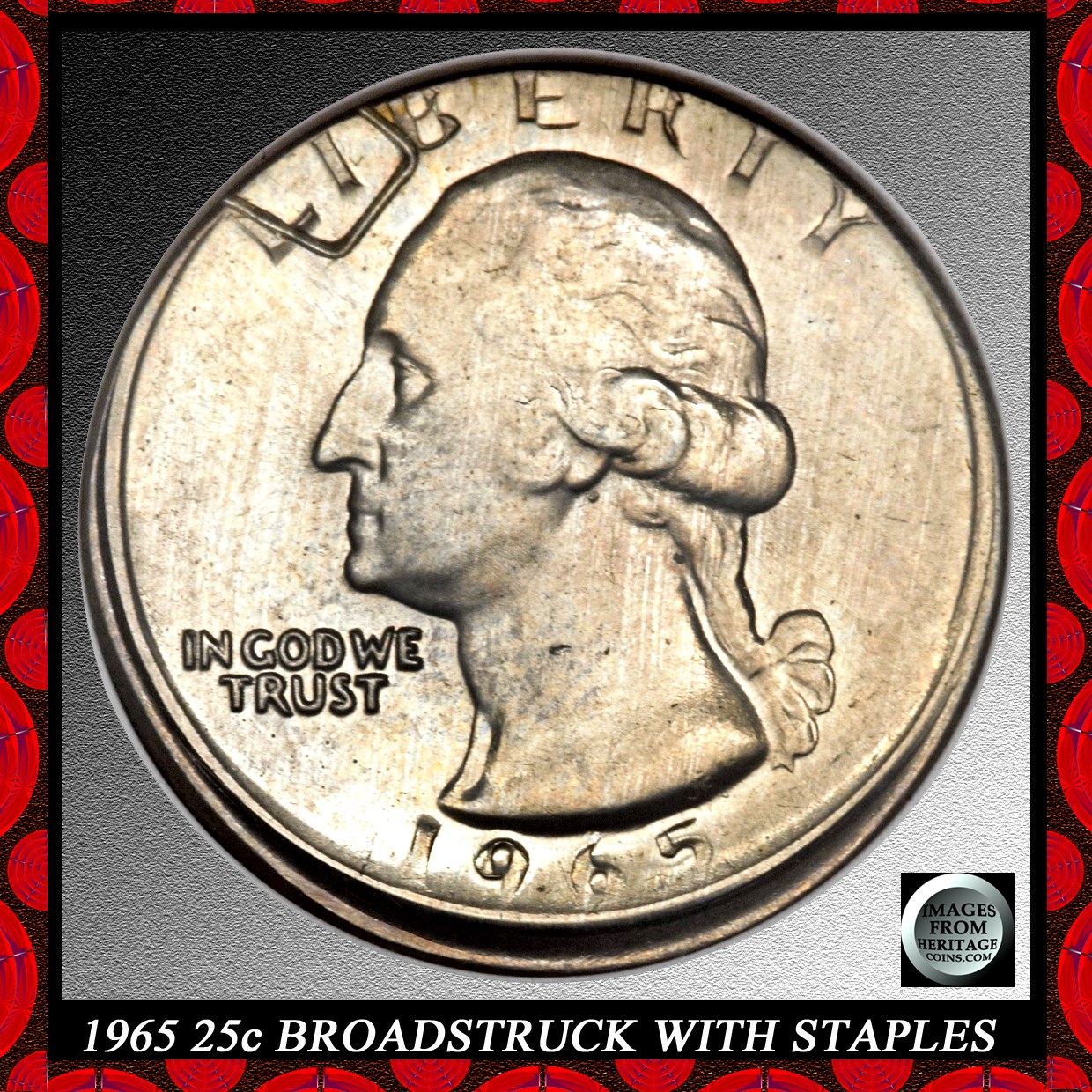
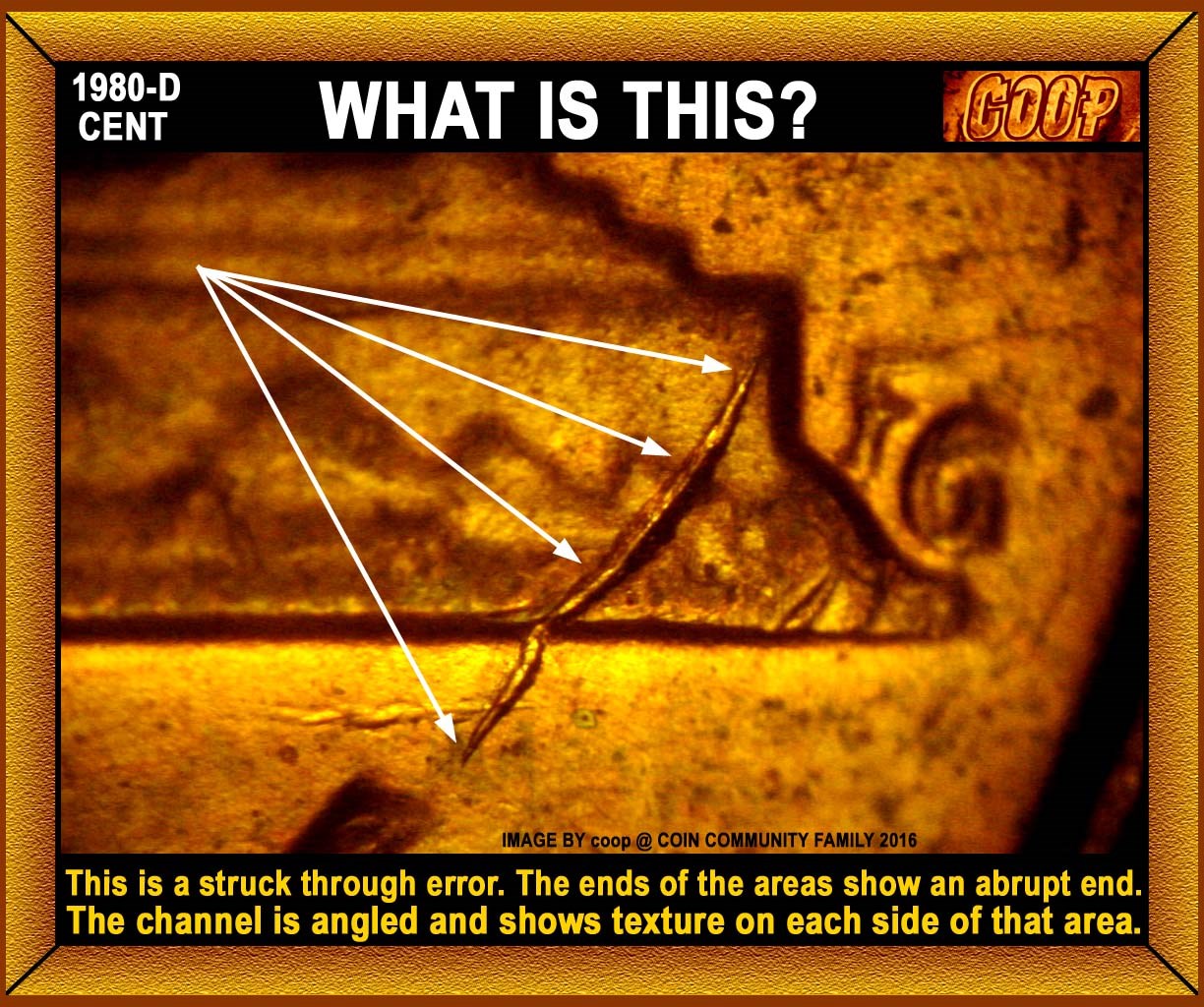
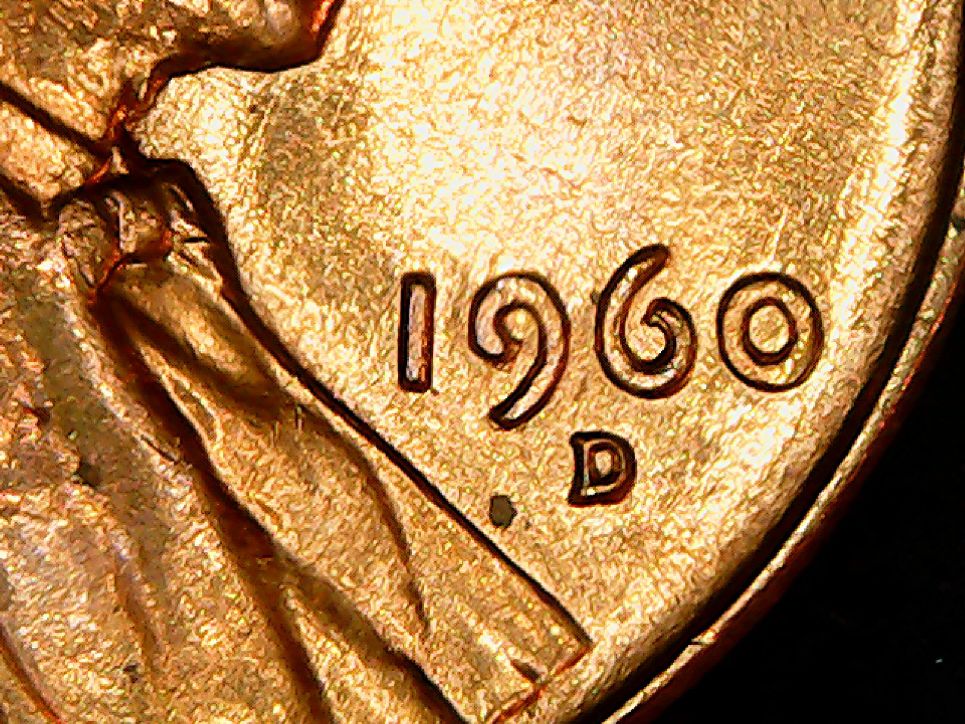
Hi Pete, I will get this thread started. It does not look like FFD,looks like some other type of a gouge. The obverse does look like die scratches. John 1  |
|
Pillar of the Community
United States
2563 Posts |
It kind of looks like it, but I'd wait for experts
|
|
Bedrock of the Community
United States
62064 Posts |
|
|
Pillar of the Community
United States
3463 Posts |
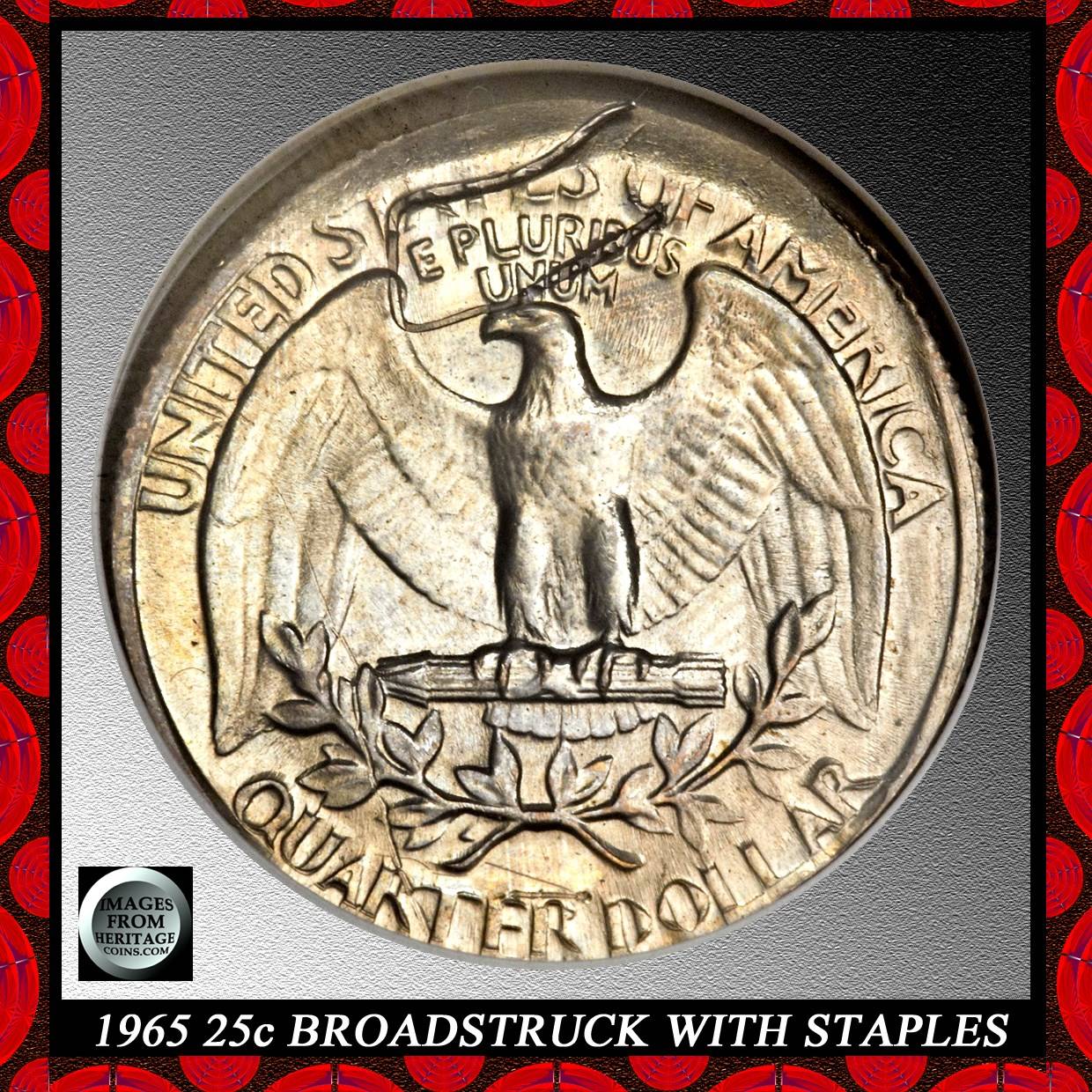
The obverse is showing some heavy die scratches. I'm not sure what is going on with the reverse, it is some kind of die damage, but I wouldn't know what caused it. It doesn't look like Feeder Finger Damage to me. |
|
Pillar of the Community
United States
3656 Posts |
Really interesting - I vote for Die Dent. Since (I think) they usually occur at the rim.  |
|
Pillar of the Community
 United States
3362 Posts |
Quote:
but I wouldn't know what caused it Reminiscent of this prior discussion, but this is a bit different shape and angle and it is on the Reverse. http://goccf.com/t/275938#275938Edited by Pete2226
01/12/2017 04:47 am
|
|
Pillar of the Community
United States
3463 Posts |
Maybe witnessing it happen will be the only way to know for sure how it happens. As common as it is, it must have something to do with the way the dies are treated after they are made and have been used for a while. Maybe tool marks from polishing or carelessness with a tool while working on a die.
|
|
Pillar of the Community
United States
3362 Posts |
Quote:
Maybe tool marks from polishing or carelessness with a tool while working on a die. It seems to me that these kinds of things, while undoubtedly a part of a die's life, are random types of occurrences. The gouges we have been seeing fall into, perhaps, 2 or 3 categories as far as their size, shape, and angle to the rim go. To me, that removes them from the realm of being a random occurrence. Quote:
Maybe witnessing it happen will be the only way to know for sure how it happens. I wish you were wrong about that, but it seems as if you may be right!  |
|
Rest in Peace
United States
233 Posts |
I am very suspicious of the die-bangs-die scenario, because the people handling the dies are unlikely to casually smack one into another and, if they inadvertently do, to then perform so cursory an examination that they fail to notice naked-eye-scale damage to the die.
Further, I am mindful of the fact that steel is not only a lot harder than copper or silver, but that it has a much higher melting point, too.
Howzabout we consider steel fragments in the copper planchet?
The shavings might easily survive the copper smelter (see higher melting temperature, above) and the planchet forming equipment (see hardness, above).
Moreover, during compression, I can 'see' a steel fragment migrating from the center to the edges of the planchet-now-almost-coin, which would account for the shallow-angle placement near the rim.
Alternately, steel fragments near the center of the planchet would be buried in the thicker devices, which is why we only see the results of these fragments near the rim, where the planchet is pressed thinnest.
Steel fragments could have been introduced at any point, including when the copper ore was first crushed (at the mine).
2c.
Cheers,
/s/ ikeyPikey
|
|
Pillar of the Community
United States
3362 Posts |
Quote:
I am very suspicious of the die-bangs-die scenario I am too! Quote:
Howzabout we consider steel fragments in the copper planchet? The problem with this is that they would be random. The 2 or 3 different manifestation types of these gouges are repeated numerous times. That tells me they are not random. (See the other thread mentioned) |
|
Bedrock of the Community
United States
62064 Posts |
|
|
Pillar of the Community
United States
3463 Posts |
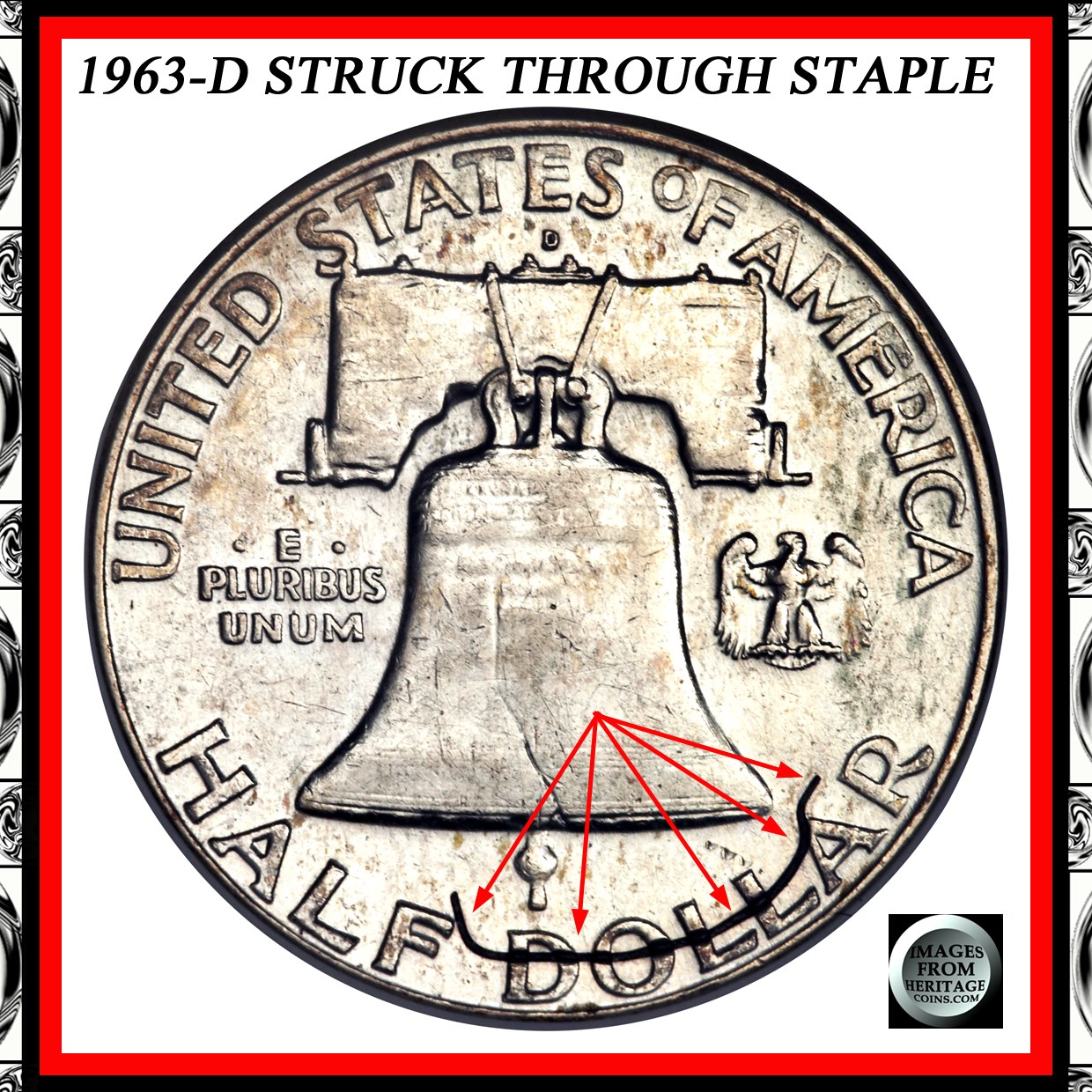
I know the grading companies label these strike throughs as examples of staples, but since there are no staples used in the minting area, but there are wire brushes used, I am more apt to believe they are wire fragments from brushes rather than staples.  |
|
Pillar of the Community
United States
4963 Posts |
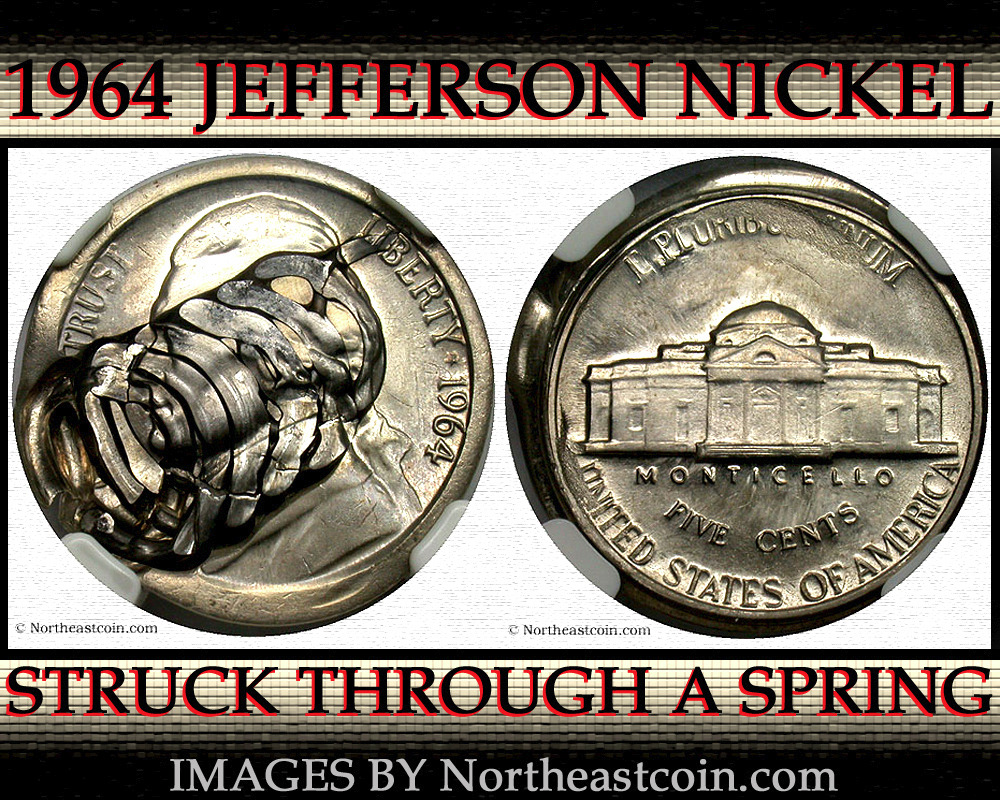
That spring sure is something.
|
|
Rest in Peace
United States
233 Posts |
Quote:
... If they were steel fragments then they would be struck into the soft copper planchet ... In the first coin ...... but the defect they left behind in the die would be visible in coins 2 through N, sans fragment, and N could be pretty big. Quote:
... The 2 or 3 different manifestation types of these gouges are repeated numerous times ... Hence my suggestion that the steel fragments (I like the wire brush bristles) flowed towards the rim, or damaged the die when they were in a thinner area of the coin, eg, near the rim. Still on sale, at only 2c! Cheers, /s/ ikeyPikey |
|
Pillar of the Community
United States
4963 Posts |
Quote:
Hence my suggestion that the steel fragments (I like the wire brush bristles) flowed towards the rim, or damaged the die when they were in a thinner area of the coin, eg, near the rim. The problem with the 'steel fragments' theory, as coop said, is that even if there was a fragment of steel (or anything else, for that matter) embedded in the planchet, it wouldn't be raised on the coin. I don't believe that a little piece of steel in the planchet could do any damage to the die. |
| |
Replies: 32 / Views: 4,007 |







 Is this (see arrow) wide enough to be a Feeder Finger Die Gouge?



 Posted 01/11/2017 5:33 pm