| Author |
 Replies: 18 / Views: 5,224 Replies: 18 / Views: 5,224 |
|
Valued Member
United States
196 Posts |
|
|
|
|
Pillar of the Community
 United States
2843 Posts |
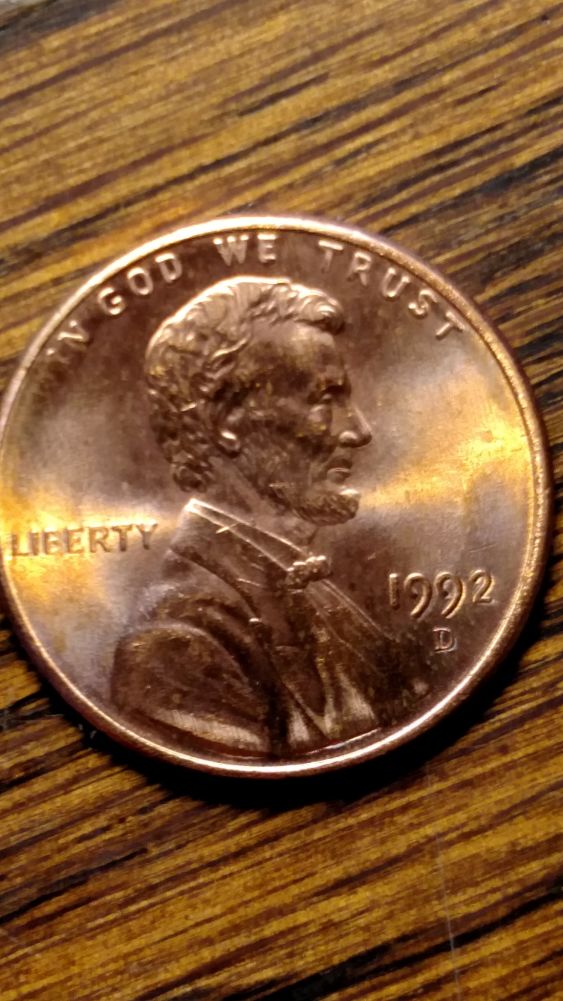
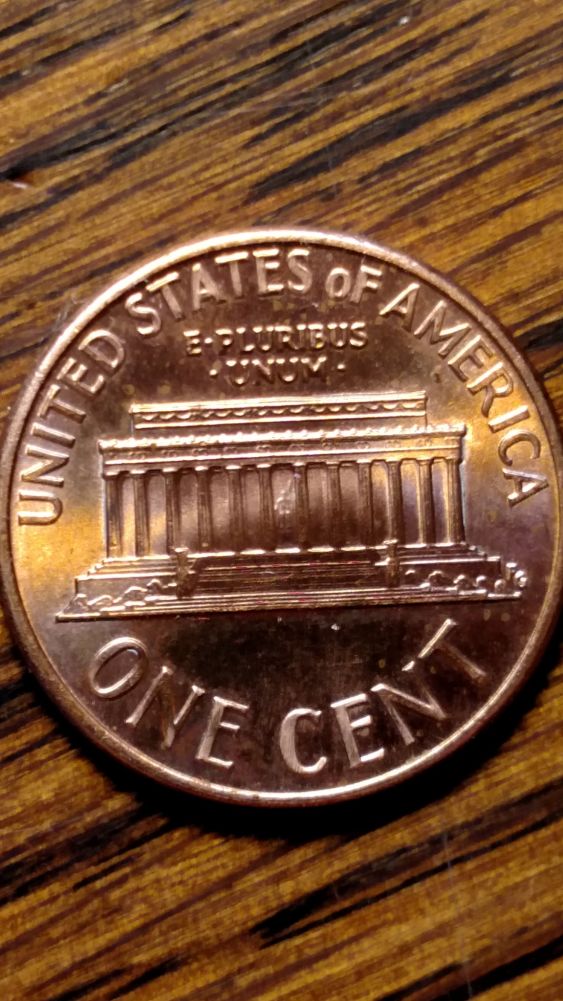
Not a Double die, and posting it multiple times, will not make it become one.
|
|
Valued Member
 United States
196 Posts |
Thanks for the info. I thought I just posted it in the wrong section. That was rude. Sorry I'm new here
|
|
Pillar of the Community
United States
2843 Posts |
Sorry if you thought it was rude, it was meant to be a friendly comment. Sorry it wasn't taken that way.
|
|
Bedrock of the Community
Canada
10743 Posts |
|
|
Valued Member
United States
196 Posts |
Thank you. With all the stuff on this site. It can be quite confusing for newbies. Thanks everyone. Glad I was able to get feed back though.
|
|
Pillar of the Community
United States
1000 Posts |
Hi Lelah, I haven't seen your other posts, so I don't know if you got an answer. It isn't a doubled die. What you're seeing there is Die Deterioration Doubling. As a die gets to the later stages of its life, letter can appear doubled towards the rim. |
|
Pillar of the Community
Canada
891 Posts |
 As Druu says Under magnification it will look like this  |
|
Bedrock of the Community
United States
20027 Posts |
DDD is often mistaken for die doubling but it's not.  
Lincoln Cent Lover!VERDI-CARE™ INVENTOR https://verdi.care/
Edited by BadThad
03/20/2017 9:40 pm
|
|
Valued Member
United States
196 Posts |
Okay so how can you really tell with double die. I am trying to really see this error. But it's hard
|
|
Bedrock of the Community
United States
62064 Posts |
Note how the deterioration is flat looking?  It may look raised. But compared with a doubled die, the devices should be raised as much as the other normal size devices: 1955P-1DO-001: 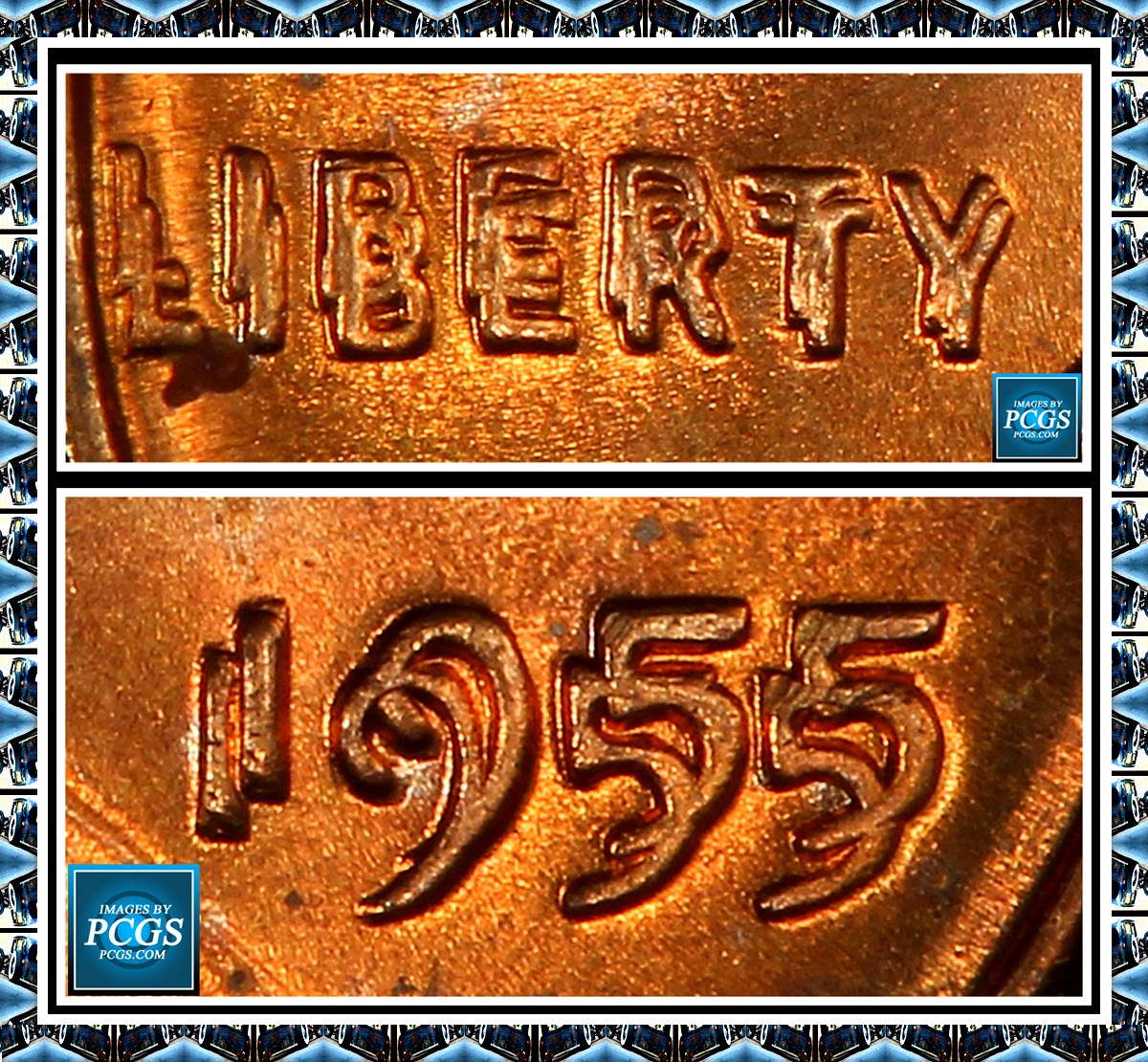 1972P-1DO-001  Note the differences? |
|
Pillar of the Community
United States
2775 Posts |
Stop and focus on the die flow. Does it seem raised or flow towards the rim? Another indicator of Die Deterioration Doubling. Thanks, Doug. |
|
Valued Member
United States
196 Posts |
|
|
Pillar of the Community
United States
1386 Posts |
I'm glad this come up again,As I'm still confused with doubling myself. So if the "doubling" North and South that would indicate a true doubling? But east and west that point towards the rim is MD? Thanks for your response,Sorry about hijacking the thread!
|
|
Bedrock of the Community
United States
62064 Posts |
Usually the Die Deterioration is towards the rims. Often the MD can be on the central side of the devices, but not always the case. (there are no rules for MD) The hub doubling creates an extra device that is hubbed on the die. MD is a strike issue. Die Deterioration is die wear issue. So they are all different. Hub doubling can be in different directions as there are 9 classes of doubled dies. Created by hub miss alignments, hub distortion and incorrect hubbing location on the dies better multiple bubbings/snap into the correct position during the hubbing process. This a a deep subject. It will take times to get all the different classes of doubled dies down in your head. But know what could happen, is where you look to find doubled dies. |
|
Pillar of the Community
United States
2775 Posts |
Quote:
I'm still confused with doubling myself. So if the "doubling" North and South that would indicate a true doubling? But east and west that point towards the rim is MD? The way I look at it, DD - happens at the dies creation. Could be North, South, East or West. MD - happens at the time of the strike. Remember the die is normal. Its is more of a machine operation issue. Again can show in any direction until the problem is noticed and corrected. DDD - happens towards the end of the dies useful life from continual use it wears the die(s) down. It will begin to show the effect on the side of the device(s) in LDS - VLDS. Generally shows up first on the side facing towards the closest rim as the die ages and nears retirement. Thanks, Doug. |
| |
Replies: 18 / Views: 5,224 |









 Posted 03/20/2017 2:21 pm





