| Author |
 Replies: 12 / Views: 3,681 Replies: 12 / Views: 3,681 |
|
|
New Member
Netherlands
22 Posts |
Edited by Erba
05/10/2017 5:29 pm
|
|
|
|
Pillar of the Community
United States
1917 Posts |
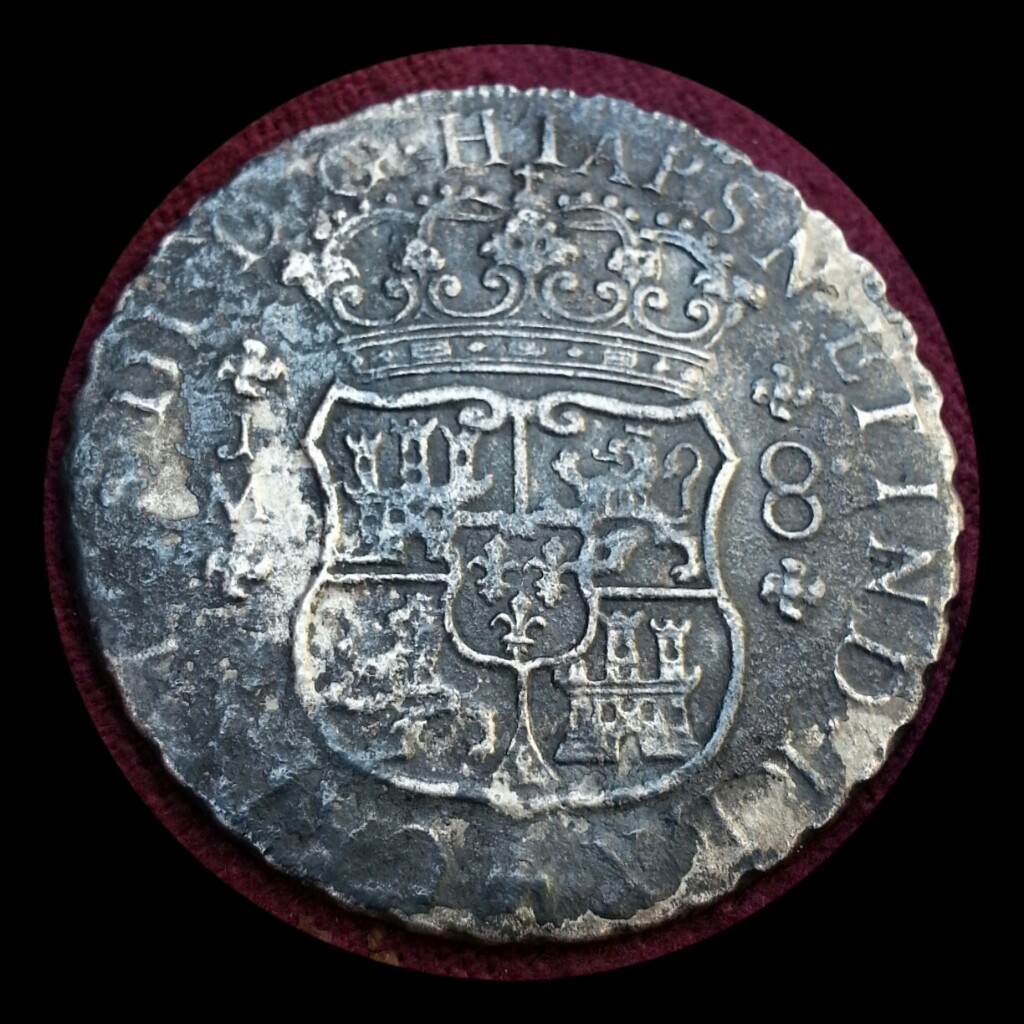
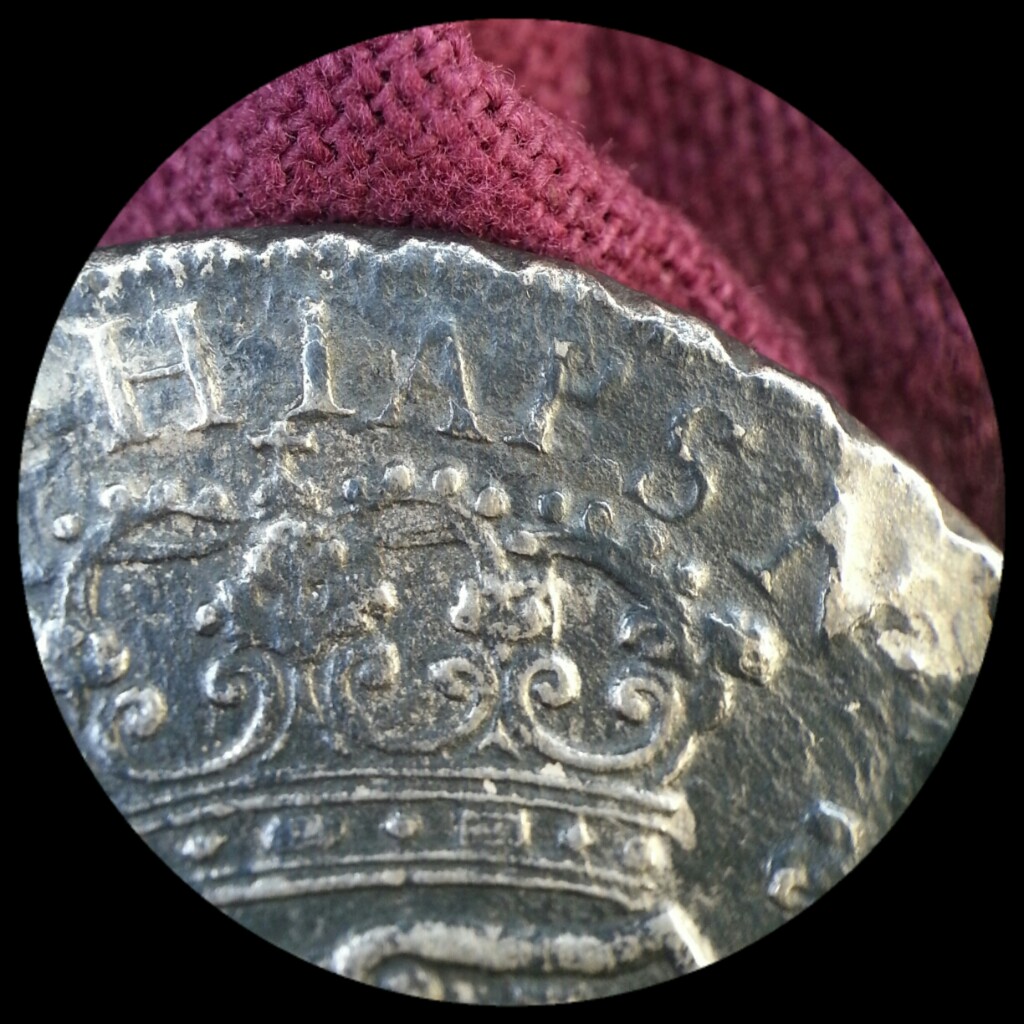
NGC shows Hiapsn as an error valued at X3 or X6 times the value of a non-error piece.
But at such a poor level of preservation, I'd yield to the experts on this one.
I found a better one sold for $1,100.00
Edited by Albert
05/10/2017 8:36 pm
|
|
Pillar of the Community
United States
4883 Posts |
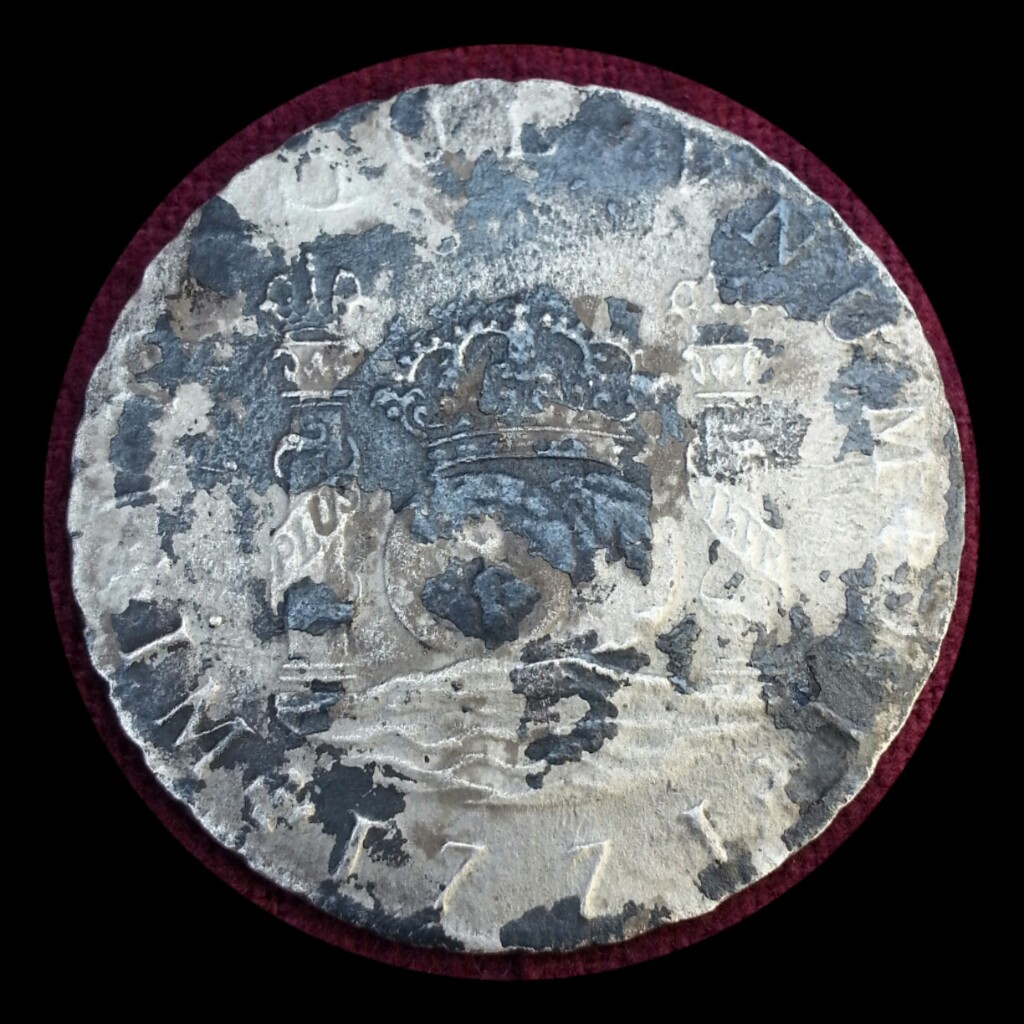
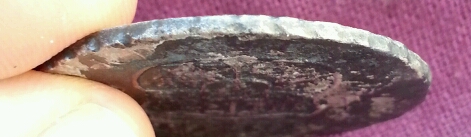
It has the look of a shipwreck salvage piece. If it's a forgery, it's a masterful one. Have you weighed it?
I rather like it, actually, it has character.
Colligo ergo sum
|
|
Pillar of the Community
United States
1778 Posts |
Although not in my KM ... Albert above has verified it as a legitimate error. Assuming real here and I have mentioned several times here silver in its most oxidized state is black. Sedwick can probably confirm that there are many sea salvaged pieces that have turned black. With time the more oxidized metal leaves the coin in this case copper so the surface readings of these silver seawater pieces with time and with slow seawater corrosion actually approach 99% silver as the copper leaches out totally and leaves the alloy being almost pure silver. I have verified several Calzador shipwreck pieces with 99% Ag XRF surface readings. The black is oxidized silver oxide (Ag2O). The lower weight on these sea salvage pieces never makes you think you may have a 99% silver alloy pieces in your hand as with this specimen although this may be more like 95-96% Ag alloy with some Cu left as a guess since its pretty much INTACT IMO. IT IS A STRANGE PHENOMENON. What is even stranger as I have seen studies of Ag/Cu alloys in this environment is copper migrates to the surface and silver migrates to the core ... so with time there is no more copper left in the alloy per se say >1%. There is nothing wrong in thinking the black could be copper oxide but its not in this case.
JPL
Edited by colonialjohn
05/11/2017 8:35 pm
|
|
Pillar of the Community
United States
1917 Posts |
Regarding known counterfeits, sorry I don't know. But what I do know is this: It seems somebody must scrutinize the catalogs to find some of the most rare and most expensive coins then decide to make fakes of those. So since this error coin is more valuable and rare, I say it's one of the prime or choice targets for the fake makers. That seems to be the case with many of mine. A good number of mine tend to be the most expensive listings compared to much lower valued coins within the same catalog number. What better way to counterfeit a coin than to fake one expected to look so crummy? Take $20 worth of real silver and invest in a crude and poor rendition and you might sell it for hundreds. Trick a buyer into presuming it's a corroded sample of a rare coin and you make a good profit. I don't know if there are known fakes of this coin, but I would not be surprised if there already are or maybe even some may be coming.
|
|
New Member
 Netherlands
22 Posts |
Thanks guys for your explanations and opinions!
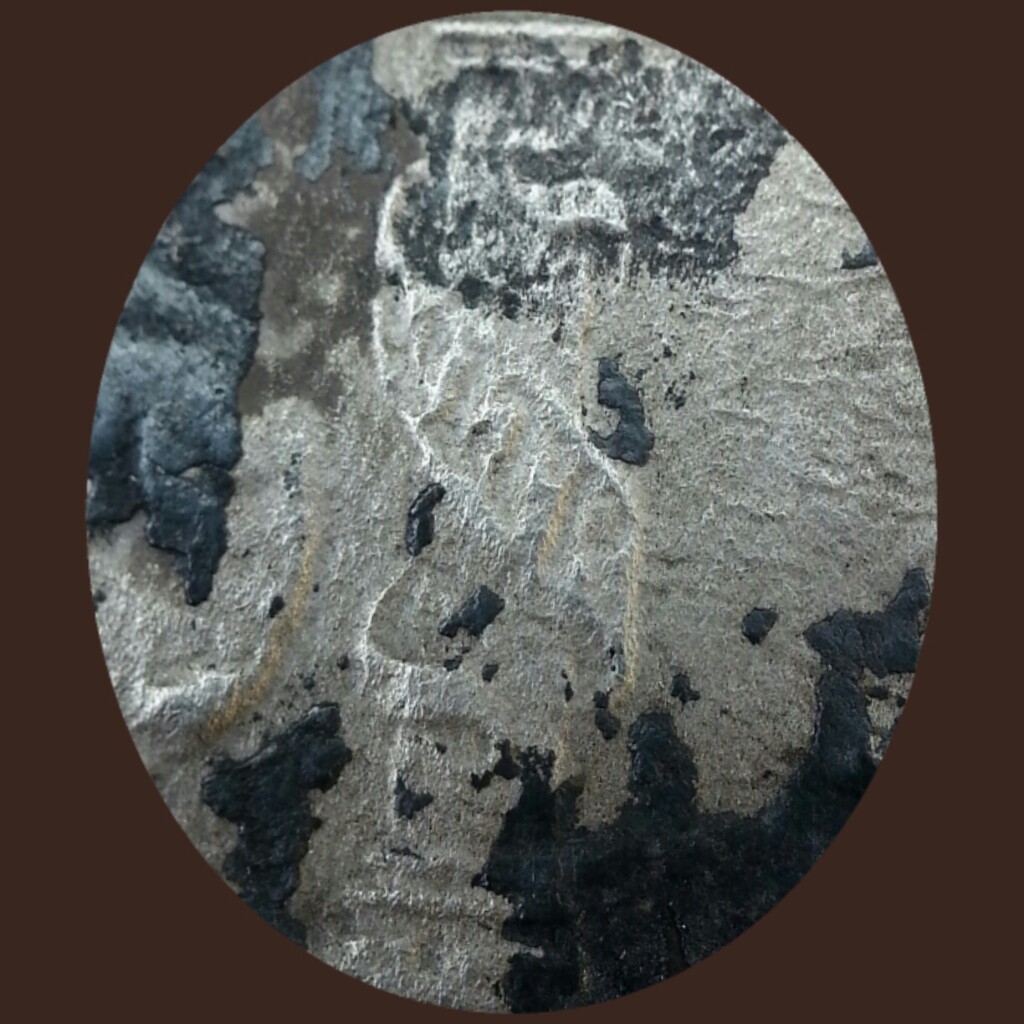
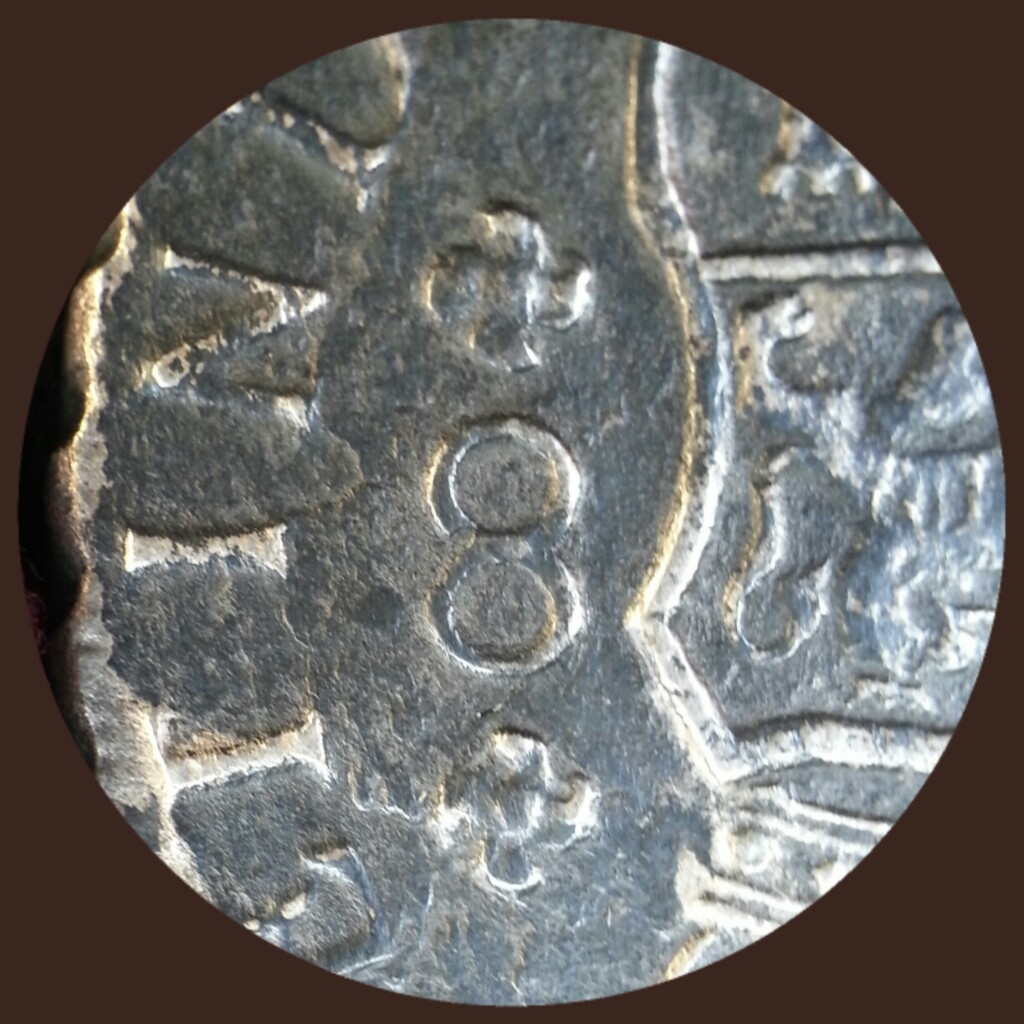
Although very corroded I have been able to compare details with pictures of the same issue that I found on the web. For example the slightly lower A in HIASPN, small ridges under the S of the same, the 3 fleur de lis rotated to the right by a few degrees, the 8 not fully closed... But then again I guess a good forger would notice these as well. I agree with Lucky Cuss in that the coin has character.
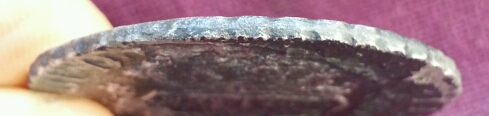
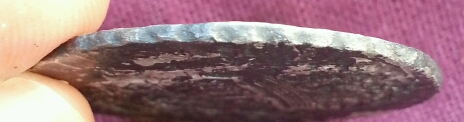
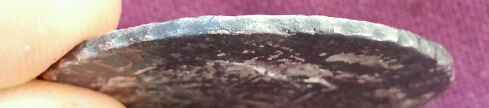
Unfortunately, not much detail left on the edge.
I found this coin in Lima at a coin dealer's. His asking price was way more then I was willing to pay for it, so I left it. Still happy to have come across it and to have taken pictures for future reference.
|
|
Pillar of the Community
United States
1917 Posts |
Here is one example of how the fake makers can make a coin look pretty poor in an effort to trick a buyer into thinking it's corroded or has environmental damage. I don't think the OP coin actually is fake, if I did, I'd bet I'd be proven wrong. Mine are just ideas and opinions. 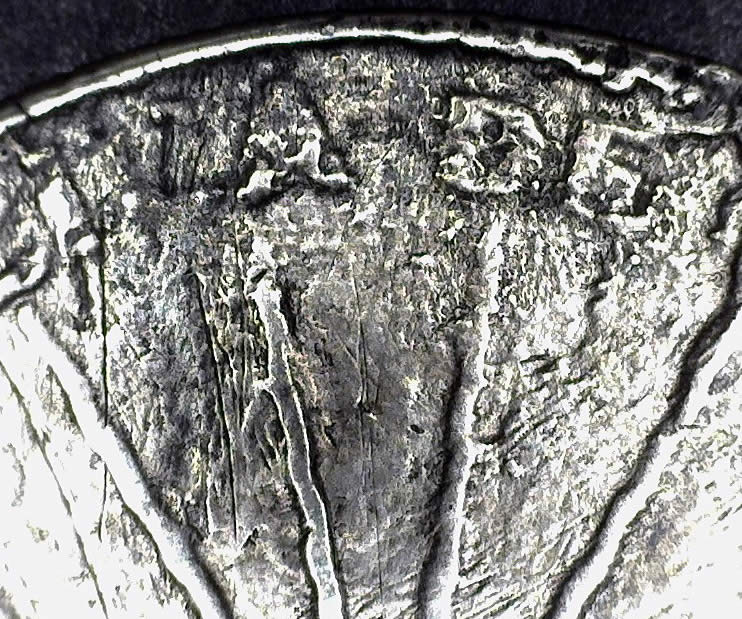 |
|
Pillar of the Community
United States
1801 Posts |
Here is the example of the coin from my collection, I think the original poster's coin is probably legit but heavily damaged from either sea salvage or even land burial in a wet environment. I have seen many coins salvaged from off Florida with the top layer of the coin black and flaking off leaving the underlying coin with very subdued features/details and the two tone look of this coin. 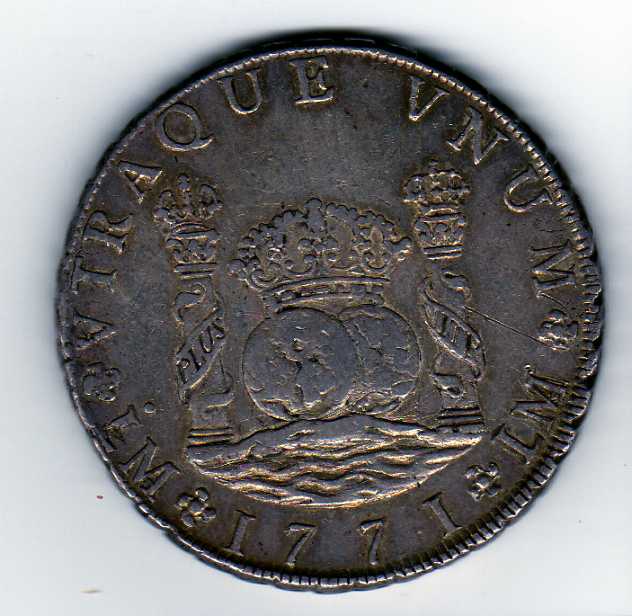 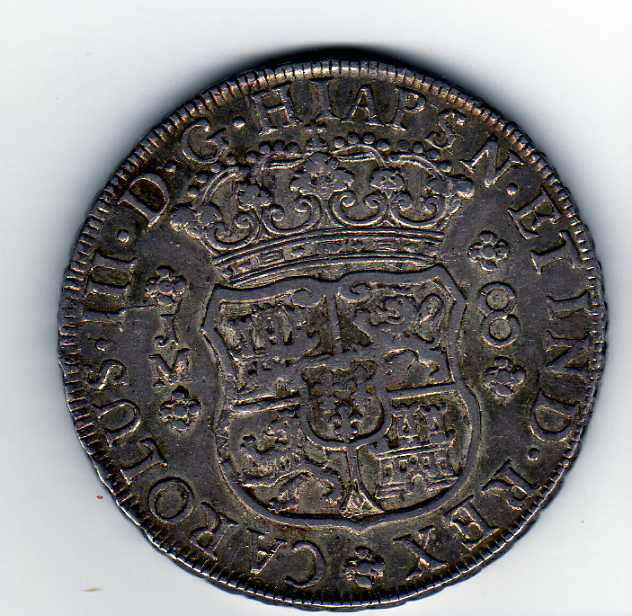 |
|
Pillar of the Community
United States
4883 Posts |
Quote:
I found this coin in Lima at a coin dealer's. It's worth mentioning once again that aside from China, Peru is the other hotbed of counterfeiting. To be sure, most of the activity there is in the realm of circulating currency, but there have been instances of fake coin rings operating as well. It wouldn't be much of a leap to get into the field of numismatic forgeries. Anything can be undertaken once it's perceived there's a profit in it. Colligo ergo sum
|
|
New Member
Netherlands
22 Posts |
Lucky Cuss. Indeed I have come across many fakes here in Peru, like I have posted several in previous threads. The current owner claims the coin was found in a river near Lima. Must have been a polluted river to have affected the coin in such a way. Jfransch: thanks for posting pics. Hope to own one in at least that condition someday. On a little side note, not entirely on topic, guess what airline I flew from Lima back to Madrid?   Edited by Erba
05/13/2017 09:23 am
|
|
Pillar of the Community
United States
5362 Posts |
The coin may be genuine - I am not 100% certain that the coin matches the dies used on the jfransch example, but that is neither here nor there. An example this poorly preserved is always highly suspect because the surfaces are not original.
The warning to be cautious regarding forgeries should not be dismissed lightly. In this case it would be very easy to abrasively clean a patch of the coin (removing at least 20 microns of metal) and XRF test the polished surface. The reading would be direct (requiring very little interpretation) and the trace contaminant levels should demonstrate the presence of arsenic in the cleaned area. A modern forgery would lack that component. Also the presence of Cadmium or heavy rare earth elements would conden the coin.
|
|
New Member
Peru
2 Posts |
Hi, the coin is autentic, appeared with a couple of 4 or 5 HIAPSN 8 Reales, the provenance was a shipwreck in Lima, the coins were salvaged for divers and sell to the coin dealers in Lima, I talked that year with various dealers and saw almost all the coins.
Regards.
|
|
Pillar of the Community
United States
1156 Posts |
 to the forum, osvar! |
| |
Replies: 12 / Views: 3,681 |
|








 Posted 05/10/2017 10:46 pm


