


Coin Community Family of Web Sites Join Thousands of Coin, Bullion, & Money Collectors
Join Thousands of Coin, Bullion, & Money Collectors 300,000 items to help build your collection! Royal Canadian Mint products, Canadian, Polish, American, and world coins and banknotes. Specializing in Modern Numismatics Coin, Banknote and Medal Collectors's Online Mall Vancouvers #1 Coin and Paper Money Dealer Royal Estate Auctions - $1 Coin Auctions


Username:
Password:
Save Password
Forgot your Password?


This page may contain links that result in small commissions to keep this free site up and running.

Welcome Guest! Registering and/or logging in will remove the anchor (bottom) ads. It's Free!

Help With Identifying 1956-D Cent D Over D

To participate in the forum you must log in or register.
Author Previous TopicReplies: 4 / Views: 1,525Next Topic  
New Member

United States
1 Posts
 Posted 09/11/2017  7:20 pm Show Profile   Bookmark this topic Add moonj74 to your friends list Get a Link to this Message Number of Subscribers
*** Edited by Staff to Add Year / Mintmark / Denomination to Title. Titles are Important! ***

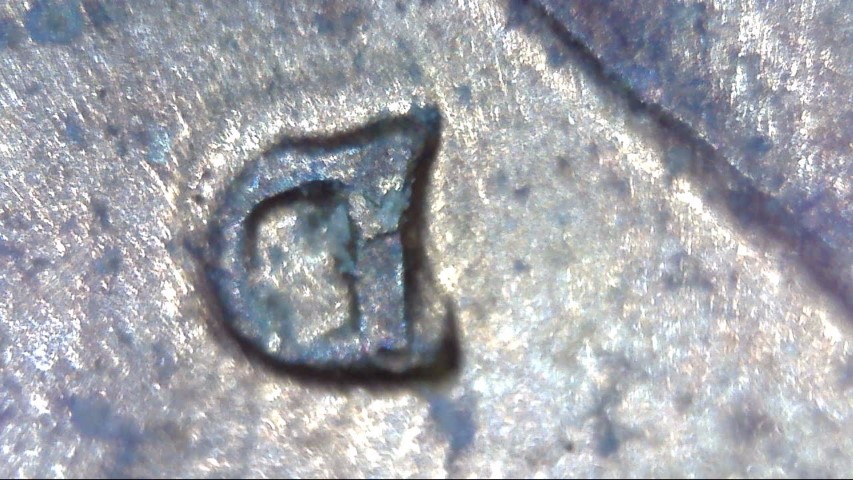
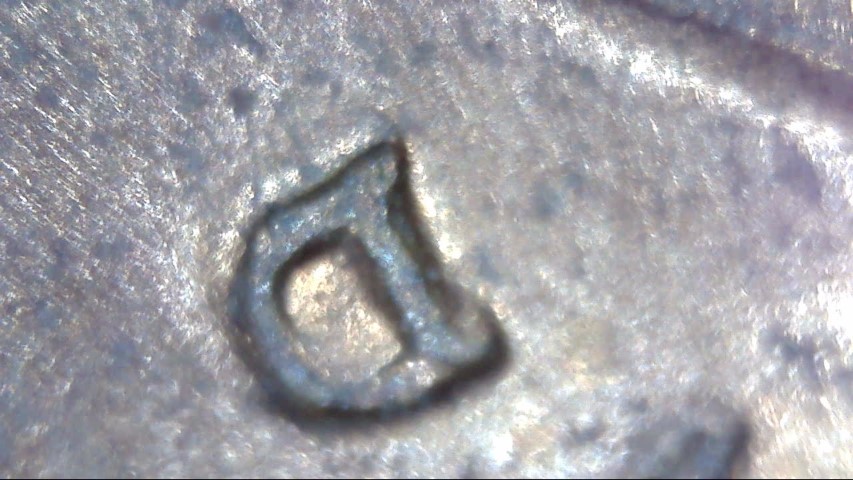
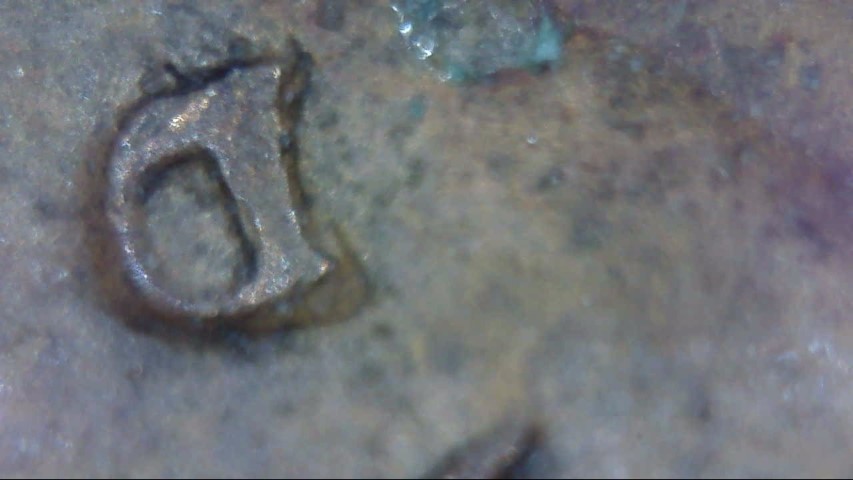
I just got back into collecting coins and noticed that the D mint mark on 1956 wheat pennies is sometimes very high close to the date and sometimes not. It lead me threads about the 1956-D D over D. I'm not sure how to identify this error. I see obvious examples of the D over D online, but then I see a bunch of people posting pictures and it doesn't look as obvious as the examples. Where is the cut off? I'm new to this but I find looking at the coins under the microscope relaxing, but I'm not sure what I'm looking at. 1956-D Wheat penny's here. Any of these close?
Help-With-Identifying-1956-D-Cent-D-Over-D
Rest in Peace
Crazyb0's Avatar
10197 Posts
 Posted 09/11/2017  7:41 pm  Show Profile   Bookmark this reply Add Crazyb0 to your friends list Get a Link to this Reply
First off to the family!

Besides its posted upside down......the one you have isn't an RPM, just took a hit on the upper corner. The mintmark was actually applied to the dies by hand punch at the final stage of die making. Sometimes placement varies, as long as it didn't interfere with date or bust, no tolerances were stressed. RPMs are the product of multiple hits on the punch. If the second( third) punch is moved or twisted, there's the RPM. sometimes it's distinctly a second image, other times a portion. It may be twisted giving a split on the corners(called serifs). Look at some of these here: http://coppercoins.com
Try a 1960D for mintmarks, look at pix of the dierent ones.

Rest in Peace
moxking's Avatar
United States
17900 Posts
 Posted 09/11/2017  8:15 pm  Show Profile   Bookmark this reply Add moxking to your friends list Get a Link to this Reply
Keep searching. We have folks report neat finds almost every day.
Bedrock of the Community
Errers and Varietys's Avatar
United States
74592 Posts
 Posted 09/11/2017  9:34 pm  Show Profile   Bookmark this reply Add Errers and Varietys to your friends list Get a Link to this Reply
I agree that it is a normal cent. But keep it because it's a Wheat cent and it's has a little value. maybe 2 to 3 cents or more.
Errers and Varietys.
Pillar of the Community
Halo1st's Avatar
United States
2775 Posts
 Posted 09/12/2017  10:07 am  Show Profile   Bookmark this reply Add Halo1st to your friends list Get a Link to this Reply
All three seem to show contact marks from circulation.


Quote:
Where is the cut off?

Hard to describe. Some can be clearly visible, but not listed at this time or considered to minor to list. Meanwhile others can be barely visible and listed. Some can be wide spread while others show a slight notch.

Methods I use in matching a suspected RPM against known attributions.

1. Note the location in reference to the date and or surrounding features. Even if the MM style and type looks identical, if the MM's location varies the slightest you can basically move on as its a different die. This is pending no damage is showing.

2. Note the MM style. Some years different punches were used. Sometimes punches show damage and leave a reflection of it on the die as well.

3. Note the type of RPM. Rotated CW, CCW, North, South, etc, etc....

4. Check for markers if needed. Often needed when two or more dies look similar.

Final note when taking images of cents for review, best to include the date and MM together. Straight on and cropped together to see MM actual location. A lot of the time the whole obverse and reverse image is needed to check for markers. Thanks, Doug.

Adding - by David W. Lange's column USA Coin Album appears monthly in Numismatist, the official publication of the American Numismatic Association.

A Look at Mintmarks: Part One https://www.NGCcoin.com/news/article/682/

A Look at Mintmarks: Part Two https://www.NGCcoin.com/news/article/678/
Edited by Halo1st
09/12/2017 6:28 pm
  Previous TopicReplies: 4 / Views: 1,525Next Topic  

To participate in the forum you must log in or register.


Disclaimer: While a tremendous amount of effort goes into ensuring the accuracy of the information contained in this site, Coin Community assumes no liability for errors. Copyright 2005 - 2026 Coin Community Family- all rights reserved worldwide. Use of any images or content on this website without prior written permission of Coin Community or the original lender is strictly prohibited.
Contact Us  |  Advertise Here  |  Privacy Policy / Terms of Use

Coin Community Forum © 2005 - 2026 Coin Community Forums
It took 0.32 seconds to rattle this change. Forums
