| Author |
 Replies: 21 / Views: 4,958 Replies: 21 / Views: 4,958 |
|
Pillar of the Community
Canada
1164 Posts |
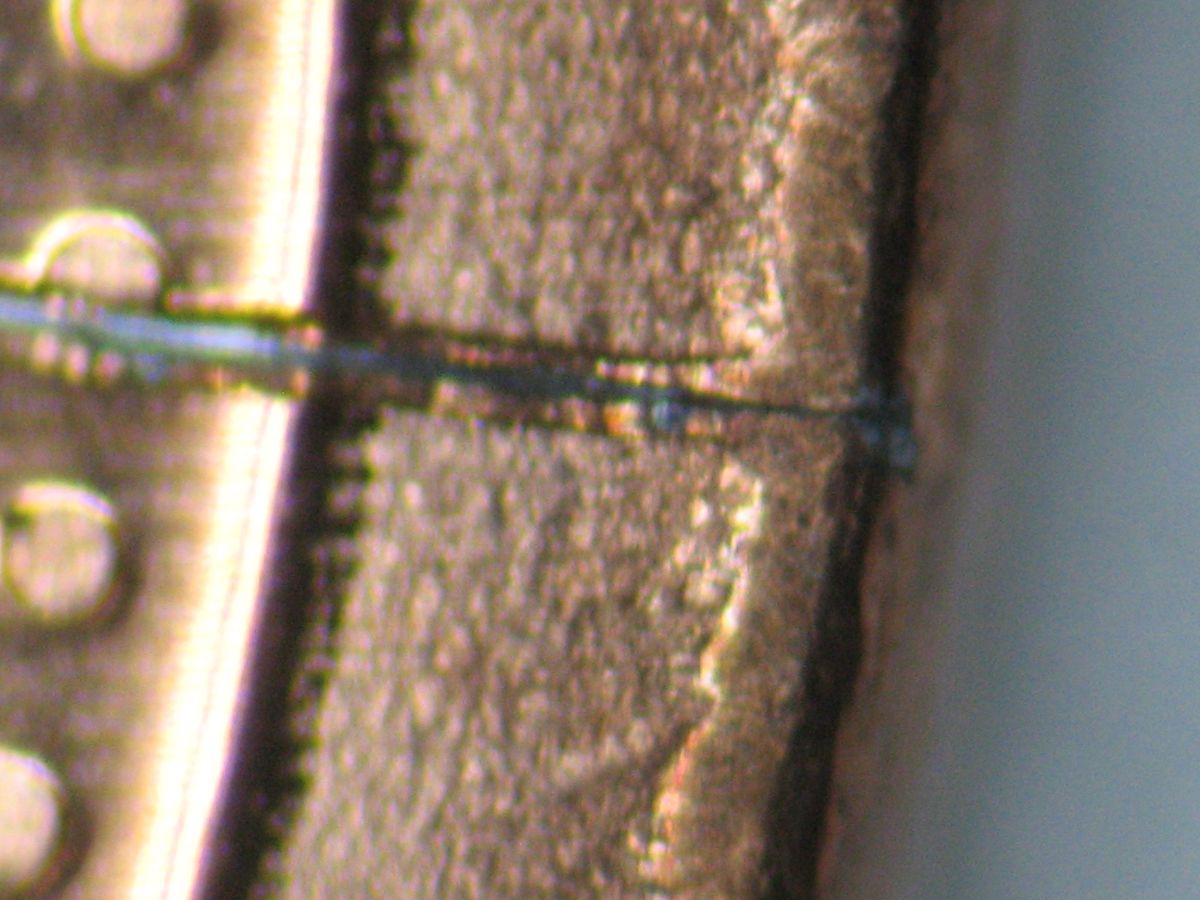
*** Moved by Staff to a more appropriate forum. ***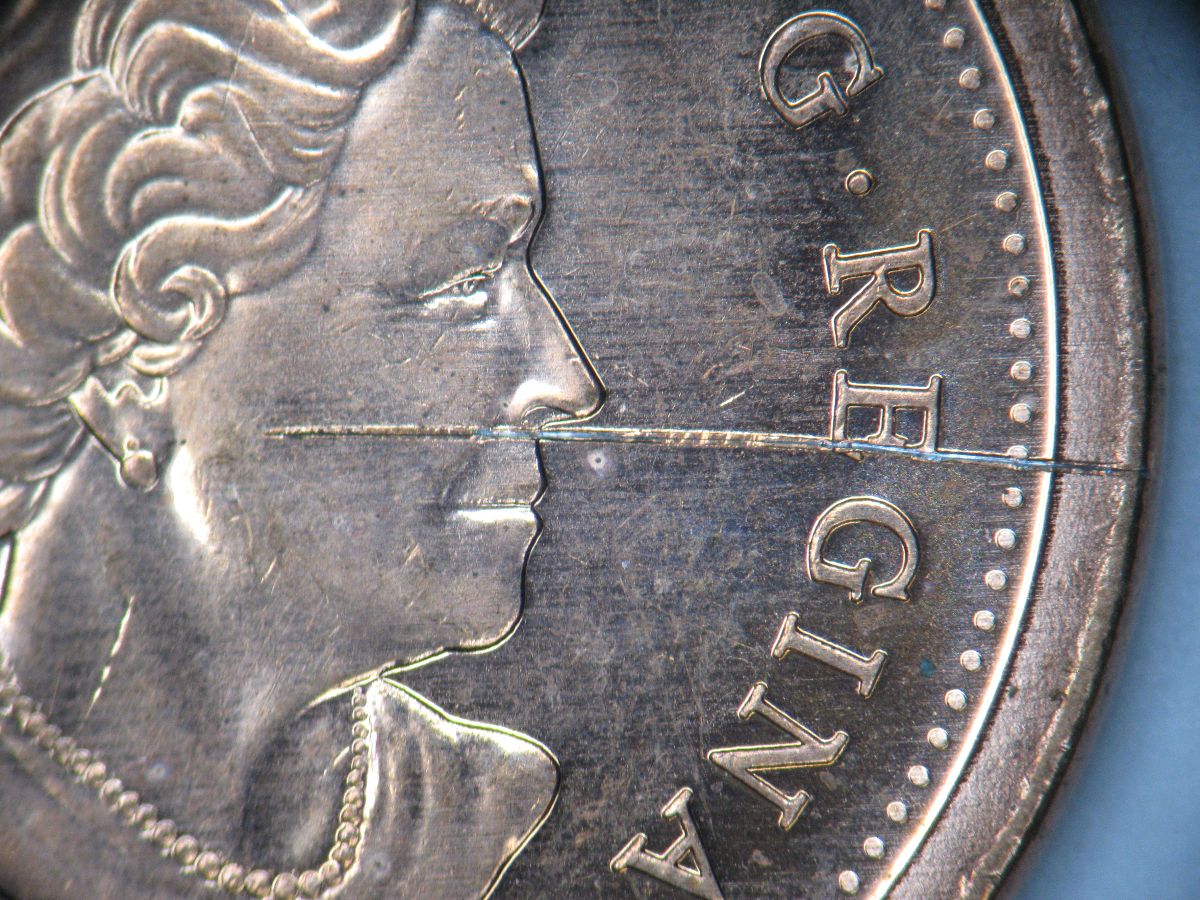 Found this in a fresh 2012 Non Magnetic mint roll today. Like to get the experts comments on this one!!
|
|
|
|
Bedrock of the Community
United States
12477 Posts |
Can you post pics of the entire coin, both sides?
In Memory of Crazyb0 12-26-1951 to 7-27-2020
In Memory of Tootallious 3-31-1964 to 4-15-2020
In Memory of T-BOP 10-12-1949 to 1-19-2024
|
|
Rest in Peace
United States
17900 Posts |
 Full photos would help. |
|
Pillar of the Community
 Canada
5660 Posts |
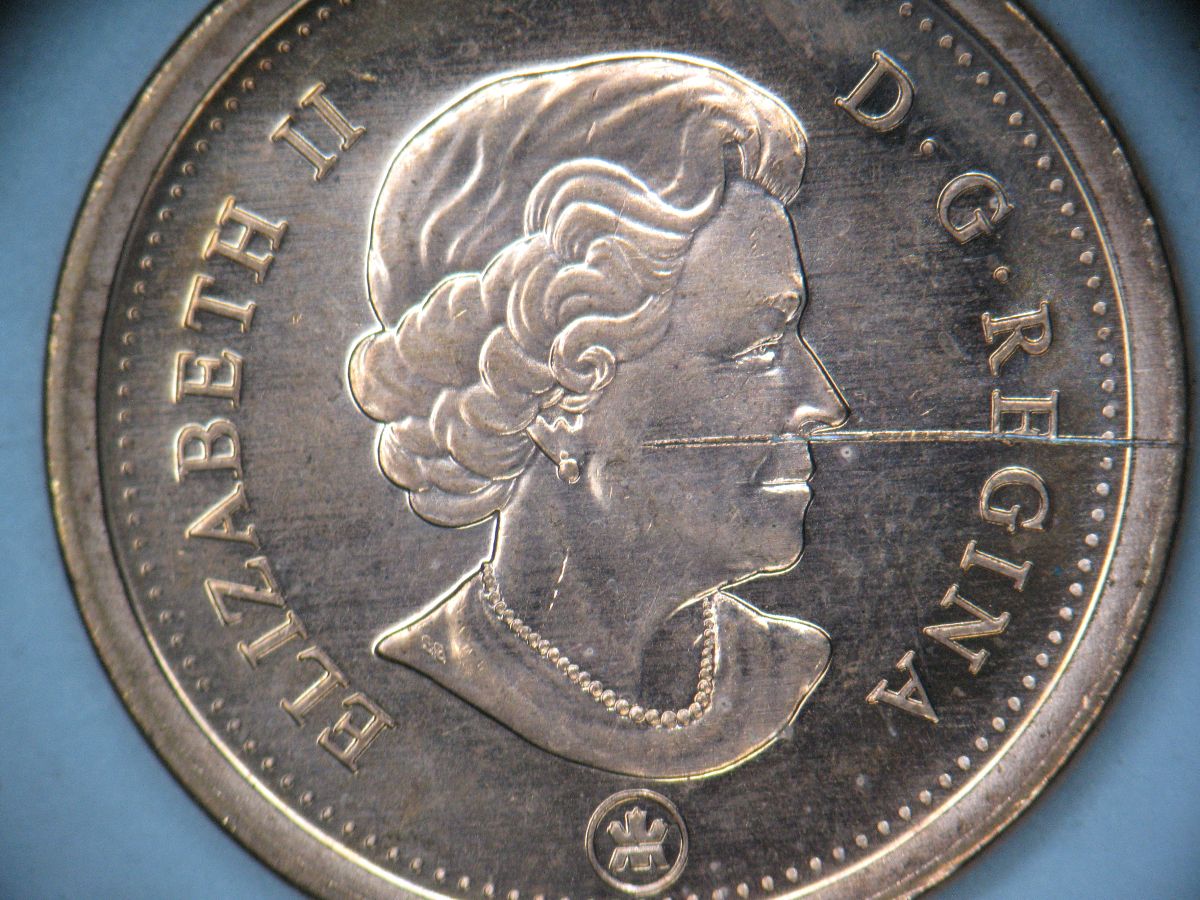
Is it recessed or raised? Very very seldom does a D/C go through the bottom of the legend or design, as that is deepest part of the die .. D/C's also are not usually that straight/linear.
|
|
Pillar of the Community
United States
840 Posts |
From the photo provided, it is difficult to positively ascertain whether this is a cut/scrape or a die-crack.
doug
|
|
Pillar of the Community
Canada
3234 Posts |
I do like the fact that this is a very large and clear photo.
When looking at the rim, I see very fine lines on both sides of the center darkness giving me the impression that the metal on both sides was moved out there.
When looking at the nostril and the line moving into the field at the nostril, I see a small bump out at the junction there. Again giving me the impression that the metal was moved as in a very sharp cut by some type of cutting instrument.
My view of this line anyway..
|
|
Pillar of the Community
 Canada
1164 Posts |
|
|
Pillar of the Community
Canada
1164 Posts |
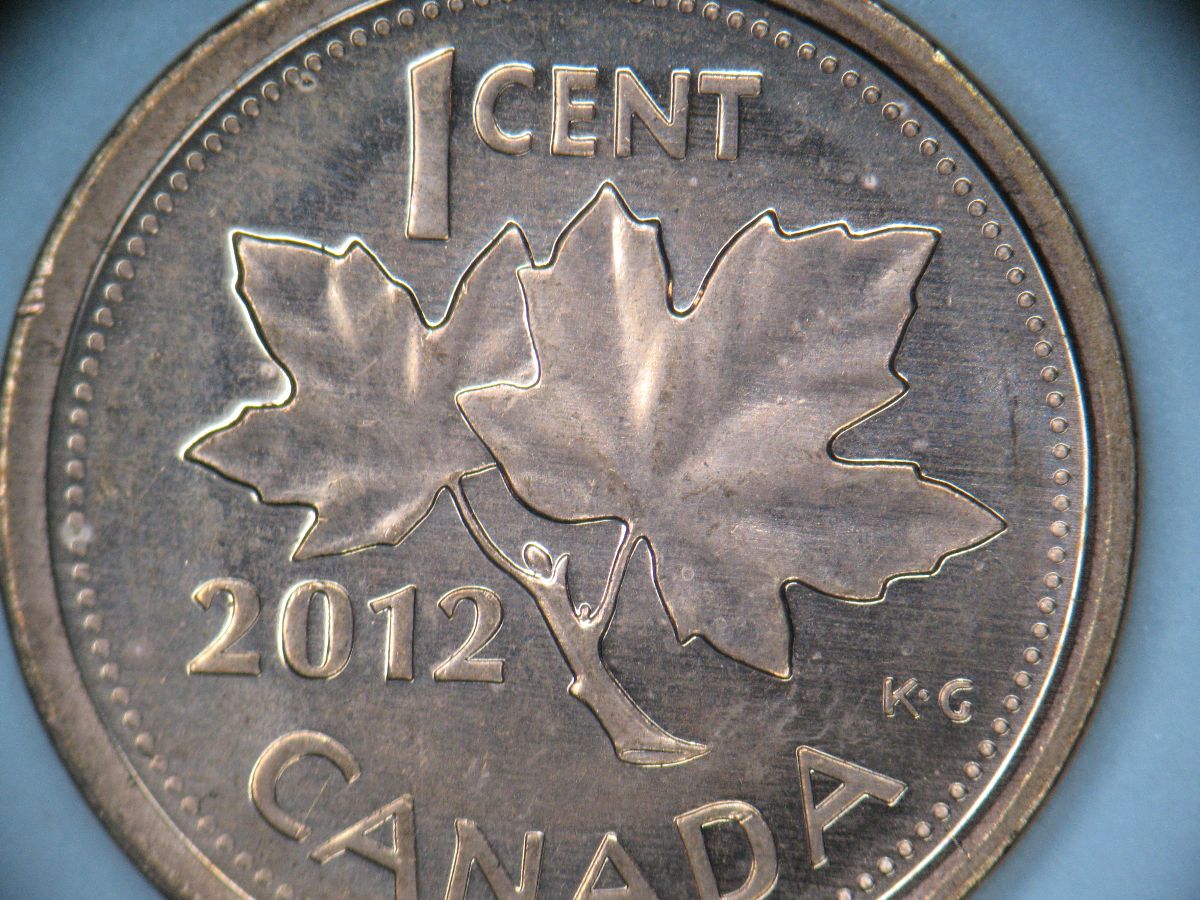
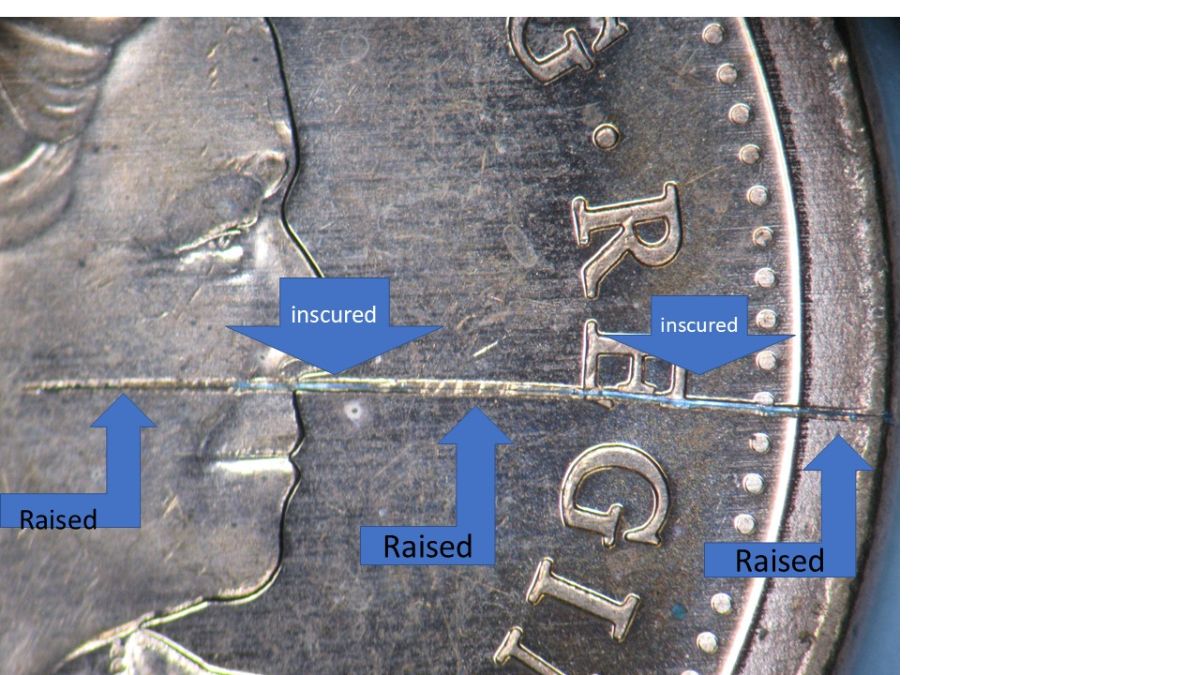 This should help out better. Very different type of error and thought I would share this one. Kind of a head scratcher. |
|
Pillar of the Community
United States
840 Posts |
Typically, when raised and recessed both occur on the same line it is the result of PMD. A sharp object (perhaps a knife) angularly cut into the coin causing the depression. The raised area is the burr-like displacement of the medal being pushed from the depression. Whereas die-cracks are caused by a crack/s (depression/s within the striking die} which during striking allows the medal flow of the planchet to fill in the voided area thereby causing raised lines on the coin. doug Edited by colonialtokens
10/24/2017 3:41 pm
|
|
Pillar of the Community
Canada
5660 Posts |
It all looks like a deep scratch across the coin post-mint .. maybe caused by some part of the ejection machinery or else hard damage once outside the mint. You won't see a die crack going in a linear progression through the design, through the lettering, through the bead all the way to the edge of the coin. It's not a die crack and the raised portions are metal moved aside by the sharp object.
|
|
Pillar of the Community
Canada
1463 Posts |
I think it was a deep cut in the planchet prestrike. I think if it was cut or scratched post mint it would probably be quite shiny in the incused area. could be an unintentionally defaced die, but I don't think so.
Edited by Alan
10/24/2017 4:13 pm
|
|
Pillar of the Community
United States
840 Posts |
Alan
Consider for a moment...
If this cut was initially on a blank planchet prior to striking and given the understanding that initial planchets are simply flat blanks, devoid of any legend, portrait, designs, etc., we encounter an enigma.
The raised image/s (portrait, devices, legends, etc.) on a coin result from the displacement of the medal mass of the initial planchet. Tremendous pressure is required to do this. No distortion to the line is noticeable from the provided photos. The internal stress required to move the medal mass in striking the coin would greatly distort any line initially found on a post strike planchet. Examine the portrait. The portrait is one of the highest points of the coin and this line was raised several thousandth of an inch without any distortion. One would expect the line to disappear or at least merge into a smudge as the medal mass was being squeezed into the mating die.
doug
Edited by colonialtokens
10/24/2017 9:02 pm
|
|
Pillar of the Community
Canada
1463 Posts |
Colomialtokens, I agree with what you're saying, the line or cut should distort or widen when metal flows into the depressions of the die.
I just have a hard time seeing this as post mint, because of the lack of any break where the line meets the devices, and its right out to the edge, the far right edge leads me to think it was a deep mark on the planchet even before it hit the rimming machine.
This is also not a product of the die, because the line extends past where the face of the die contacts the coin.
|
|
Pillar of the Community
Canada
1984 Posts |
Could something like a metal filament have been stuck on the planchet before it was plated and then removed by the minting process?
|
|
Bedrock of the Community
United States
12477 Posts |
Is this a copper-plated zinc core? Edit: I'm thinking that it could be a plating defect such as trapped debris or gas and possibly minor zinc rot.  In Memory of Crazyb0 12-26-1951 to 7-27-2020
In Memory of Tootallious 3-31-1964 to 4-15-2020
In Memory of T-BOP 10-12-1949 to 1-19-2024
Edited by spru
10/25/2017 01:04 am
|
|
Moderator
 Canada
10477 Posts |
Can you zoom in and post a photo of where the "crack" crosses the legend letter 'E'?
"Discovery follows discovery, each both raising and answering questions, each ending a long search, and each providing the new instruments for a new search." -- J. Robert OppenheimerContent of this post is licensed under a Creative Commons Attribution-NonCommercial 3.0 Unported License. See: http://creativecommons.org/licenses...0/deed.en_USMy eBay store
|
| |
Replies: 21 / Views: 4,958 |







 Posted 10/24/2017 03:15 am