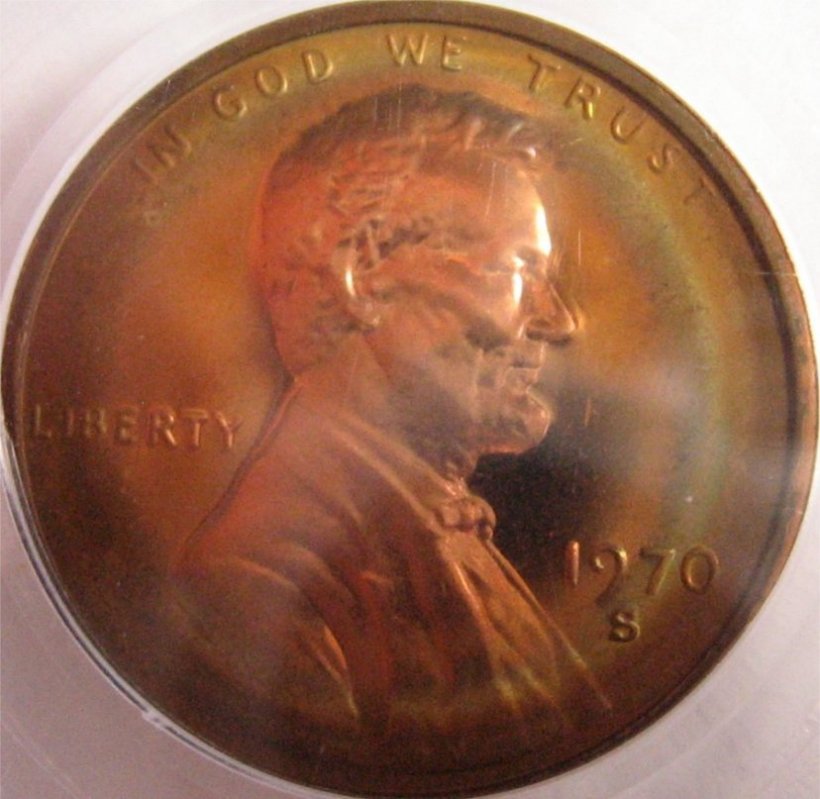
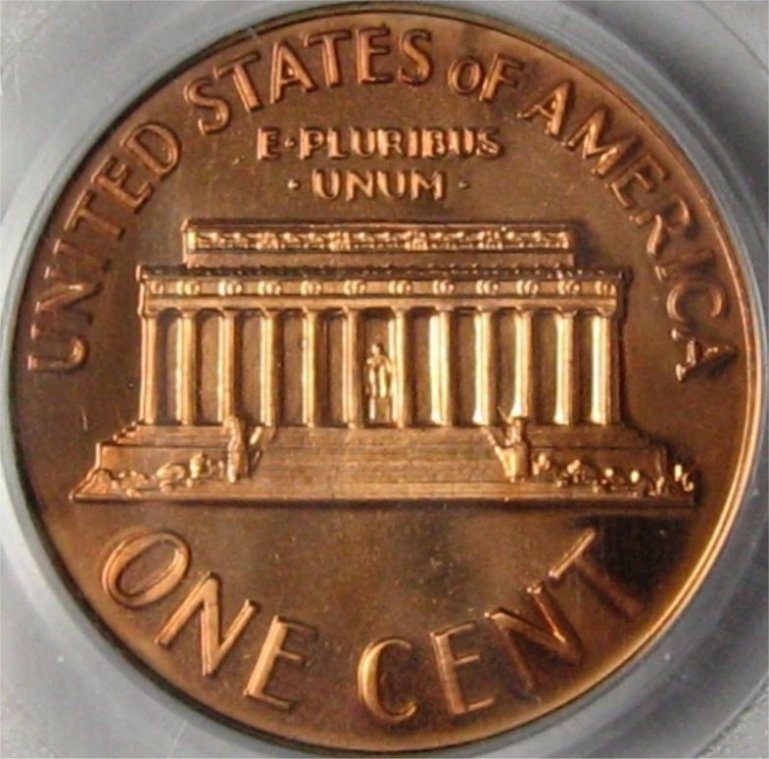
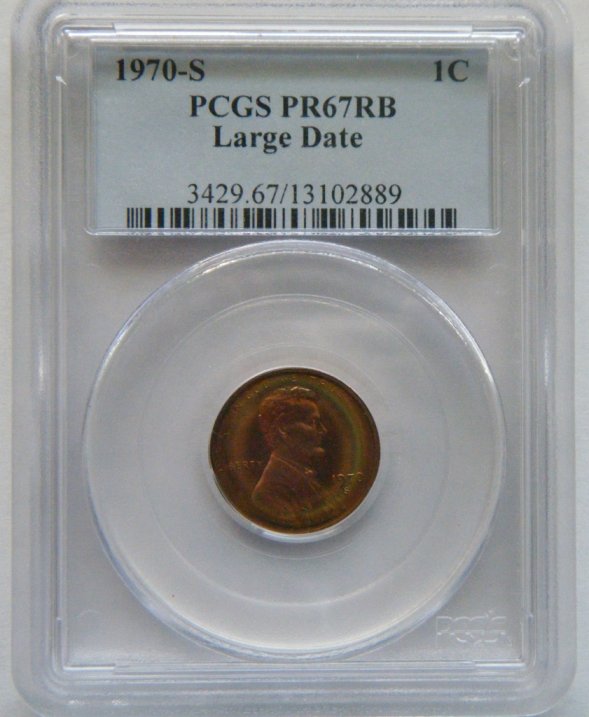
I'm just wondering how a coin gets rainbow toning and if it's something you can diy. I always loved the look but I've never actually seen one in real life. Thanks!
If you wanted to tone a coin "DIY" style, it would immediately receive the label of "artificial toning." It would not give it any more value and likely decrease whatever value it had. For the quick route, you could bake it in your oven (unsure of time or temp). For a much longer route (several weeks or months), you could place your coin in a yellow manilla envelope and leave it out in the sun. There are numerous other ways to tone a coin. I put some oxy-clean water on a dime and it developed a brown towning. Toning is just the reaction of the surface metal with another element or chemical, but different elements or chemicals produce different colors.
I have done jet black MS60++ copper nickel coins, that is easy.
I know how to do really nice rainbow toning artificially, (needs lot of experimentation to get right), but I'm not saying; that would be dishonest. RoyCoinBoy is right: my work would almost certainly receive 'artificial toning', and also most probably would not be graded.
So no point in trying.
Because of this, I tend to be rather suspicious of rainbow toned coins that appear on ebay.
Google Image 'rainbow toned coins', to see some beautiful colors.
If you see a many colored coin on ebay, if the seller has scads of them - move on. There are certainly some beautiful real rainbows on ebay, but if you really want one, buy it graded from PCGS or NGC.
Morgan dollars are the easiest of all types to find with righteous rainbows.
I would also add that the bullseye tone, perhaps the most beautiful of any tone, was produced when the coin was left in the old fashioned coin albums that had a fair amount of sulfur in the cardboard.
If you see one you are thinking about buying, show it here first. You can get easy free educated opinions.
If you want to get beautiful rainbow colors, buy some Wayte Raymond album pages, put white coins in them and put them on the shelf for 5 years. At least some of them will come out really nice.
The toning you see is the product of what, in most cases, is called "corrosion." In numismatics, when it has a pleasing appearance, it is called "toning" instead of "corrosion" and fans pay exorbitant prices for it.
When you do this artificially - and it's relatively easy if you're willing to be exact about your work and patient - you become a pariah, someone we publicly identify and disparage, because the only "acceptable" toning is that which came about by natural processes, without deliberate human help.
Yet, when done right, there is no physical way to determine whether the toning has been created artificially or naturally.
Yes, that's a bit of a contradiction, isn't it?
More ground-engaged collectors therefore refer to toning not as "natural" or "artificial," but as "market acceptable" and "not market acceptable." Yet they still pay ludicrous prices for it. Go figure.
The best toning I ever got on a coin was when I placed (dont ask me why) a couple unprotected silver coins near the cats litter box. I sure wish I remembered what type of litter we used because the side facing up turned out beautiful! It took a couple years for them to get that way but once I saw what was happening I left them there a little longer to see how they turned out.
I've recently begun collecting Morgan dollars again. I'm particularly partial to what I deem to be nicely toned dollars. I'm wondering if anyone has noticed that certain dates seem to be more available toned? Also, why are Morgan dollars more inclined to be toned than other series and denomination? I suspect that more common dates have had the process "speeded up" to make them more salable. I also suspect that Morgans have more toned specimens amongst it's population than others simply because they're more popular. I buy only slabbed coins from PCGS and NGC as a hedge against buying "recently toned" dollars, but I suspect they can be fooled as well. Then again I guess it could be debated as to what constitutes artificial toning versus natural toning as all toning indicates the introduction of a chemical agent and the difference is solely intent and how do you prove/disprove that?
Quote: I've recently begun collecting Morgan dollars again. I'm particularly partial to what I deem to be nicely toned dollars. I'm wondering if anyone has noticed that certain dates seem to be more available toned? Also, why are Morgan dollars more inclined to be toned than other series and denomination? I suspect that more common dates have had the process "speeded up" to make them more salable. I also suspect that Morgans have more toned specimens amongst it's population than others simply because they're more popular. I buy only slabbed coins from PCGS and NGC as a hedge against buying "recently toned" dollars, but I suspect they can be fooled as well. Then again I guess it could be debated as to what constitutes artificial toning versus natural toning as all toning indicates the introduction of a chemical agent and the difference is solely intent and how do you prove/disprove that?
There are more Morgan toners because there are more Morgans. Most of the Mint State examples - and any circulated toner must be immediately suspect just because it's circulated - lived in Mint bags, impregnated with sulfur as a rat repellent, for almost a hundred years before the Treasury released them starting in the 1960's. This process was conducive to the formation of the monster toning we see so often on them.
It is possible to tone a coin while encapsulated in a TPG slab. There was a scandal a few years back when a popular ebay seller of toners admitted in public that he did it.
As I posted above, toning isn't "NT" vs. "AT." It's all about market acceptability, since you can so easily create them artificially.
Disclaimer: While a tremendous amount of effort goes into ensuring the accuracy of the information contained in this site, Coin Community assumes no liability for errors. Copyright 2005 - 2026 Coin Community Family- all rights reserved worldwide. Use of any images or content on this website without prior written permission of Coin Community or the original lender is strictly prohibited. Contact Us | Advertise Here | Privacy Policy / Terms of Use








 Posted 10/27/2017 07:15 am


 I sure wish I remembered what type of litter we used because the side facing up turned out beautiful! It took a couple years for them to get that way but once I saw what was happening I left them there a little longer to see how they turned out.