| Author |
 Replies: 12 / Views: 5,452 Replies: 12 / Views: 5,452 |
|
|
Valued Member
United States
142 Posts |
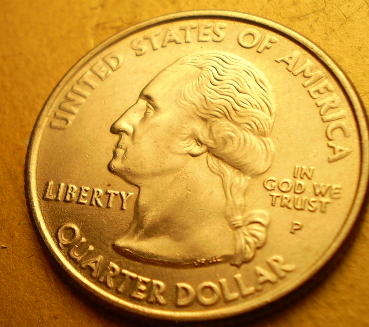
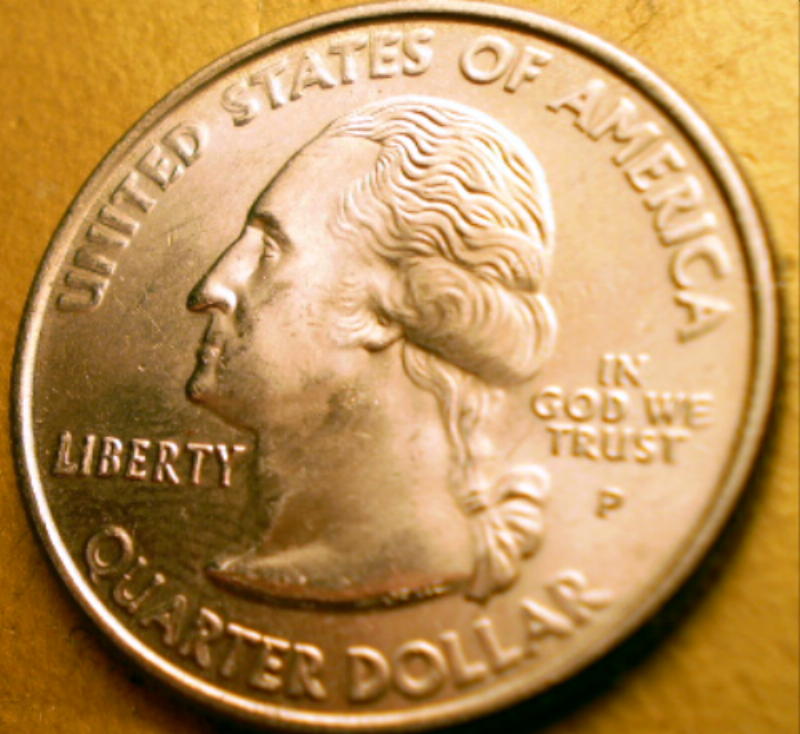
I'm not very good at seeing doubling, but this quarter looks different than the others. I can see lines on a lot of the letters on UNITED STATES OF AMERICA and doubling on the L in LIBERTY and the E in WE TRUST. Can anybody tell me if this is doubling. I can see it in the fist S in STATES and the UNI of United, and O of OF. These are the best pics I can get. Looks like doubling to me, like there is a letter on top of another fatter letter below. All the USA letters seem fatter than my other South Carolina coins, almost twice as wide. And if you look above the UNI you can see straight line streaks going up to the edge from the letters, almost like a shadow of the letters themselves. It looks a lot like the pictures of Die Deterioration Doubling with letters incused on top of a fat blob base. Image:  P5250032.jpg P5250032.jpg101.34 KB Image: P5250033.jpg102.27 KB Image: P5250034.jpg96.7 KB Image: P5250035.jpg97.57 KB Image: P5250036.jpg40.02 KB Image: P5250038.jpg92.48 KB Edited by honestabe
05/23/2008 9:20 pm
|
|
|
|
Pillar of the Community
United States
7629 Posts |
|
|
Valued Member
 United States
142 Posts |
That's what I figured. I wonder why they don't value this more? This is one of my easiest to see doublings. I can clearly see the letters on top of a fat blob base letter. I think this should have a higher value. I guess it is very common. This is a good find for me.
|
|
Valued Member
United States
377 Posts |
Honestabe... My feelings are the same as far as the value factor.. This is my MD on a Proof State Quarter. If it's supposed to be a proof, and the quarters are carefully checked, Then How did this make it out of the mint?  ] The Doubling is great. Too bad it's still worth .25 |
|
Pillar of the Community
United States
526 Posts |
Since it is on a proof coin, do not sell yourself short on its value. Some people do collect Machine Doubling, so it could fetch a bit more than you think in today's market. BJ Neff |
|
Bedrock of the Community
United States
12437 Posts |
madzdad71,
did you find that proof in change?
|
|
Bedrock of the Community
United States
14454 Posts |
the reason its not valuable is because its not really doubled as in it wasn't struck by a die that had doubling. it is just plain ol wear on the die and it makes it look like its doubled when in fact it isn't so there is nothing out of the ordinary happening because all dies wear but not all dies have doubling. This is how I understand it anyway, I am not a error collector so I may be incorrect but from what I have read thats what I understood to be the c ASE |
|
Valued Member
United States
377 Posts |
biokemist6,
Actually My 7 YO daughter got it in change, I saw it and bought it from her for a dollar! I'm thinking that she may have gotten a good deal.
|
|
Valued Member
United States
377 Posts |
Quote:
Bryan1315
the reason its not valuable is because its not really doubled as in it wasn't struck by a die that had doubling. it is just plain ol wear on the die and it makes it look like its doubled when in fact it isn't so there is nothing out of the ordinary happening because all dies wear but not all dies have doubling. This is how I understand it anyway, I am not a error collector so I may be incorrect but from what I have read thats what I understood to be the case
I Just find it odd that the mint doesn't keep a closer eye on the proofs to prevent these from leaking out. |
|
Valued Member
United States
405 Posts |
Just wanted to comment that I agree with coppercoins and identify this as almost surely Die Deterioration Doubling based on the fact the doubling occurs on both sides of the devices. That is rarely the case for a doubled die coin (in fact I think that would make it a tripled die). |
|
Pillar of the Community
United States
7629 Posts |
One thing to take into consideration when expecting near-perfect quality coins from the mint is that they mint millions of the proof coins, and no amount of training and attention is going to catch problems on every proof coin that the mint makes. Furthermore, much of what you might consider problems, errors, or otherwise are usually microscopic in nature, which exceeds the quality standard the mint is working to achieve. Their quality standard is that the coin should look correct as a proof coin as the person views it with the naked eye. Off-center coins, clips, and other obvious errors are what are of concern (and value) in proof coins. Striking problems that take a microscope to see are not of concern to the mint. The difference between minor Strike Doubling and a minor doubled die is very evident with proof coins because the standards are more strict and the dies are examined one by one under magnification before being used to mint proof coins. Anything on the die that takes away from the design not as intended is scrapped - which means finding doubled dies on proof coins should be (and often is) far more difficult than on business strike coins...but this does not apply to the coins one for one as they come off the presses. Individual coins are not inspected except in spot checks to assure die quality. This is one of the major things that makes die varieties different from varieties and again different from errors. They happen at different stages of the process, some are intended and others are not, which simply makes them completely different from one another, ergo they have different definitions and different crowds of collectors. I, for instance, collect die varieties and could care less for errors. |
|
Pillar of the Community
United States
3507 Posts |
Whereas I like errors as well as die varieties:-) The errors have to be recognized error types for me. Small die chips for example are so common that I don't collect them.
|
|
Valued Member
United States
377 Posts |
Well anyway you look at it.. it's cool and it's a keeper  |
| |
Replies: 12 / Views: 5,452 |
|










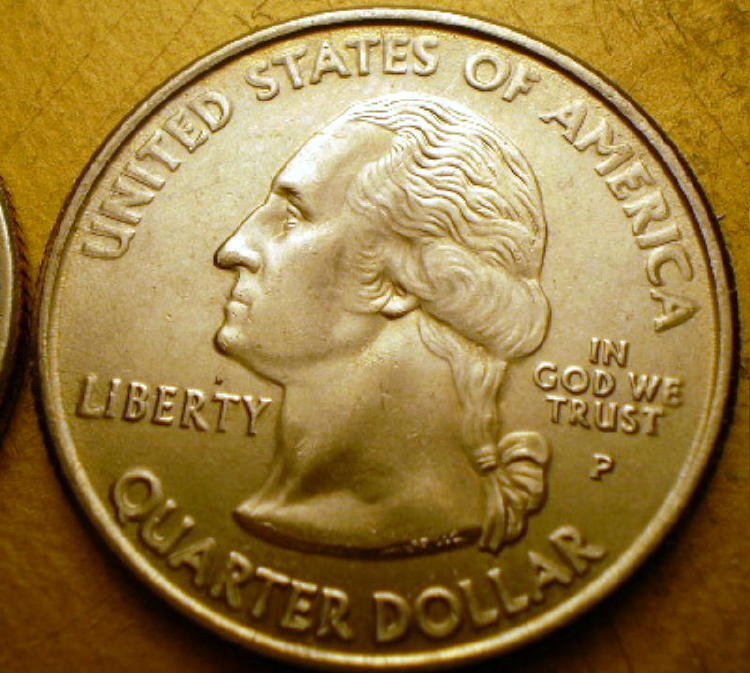 P5250032.jpg
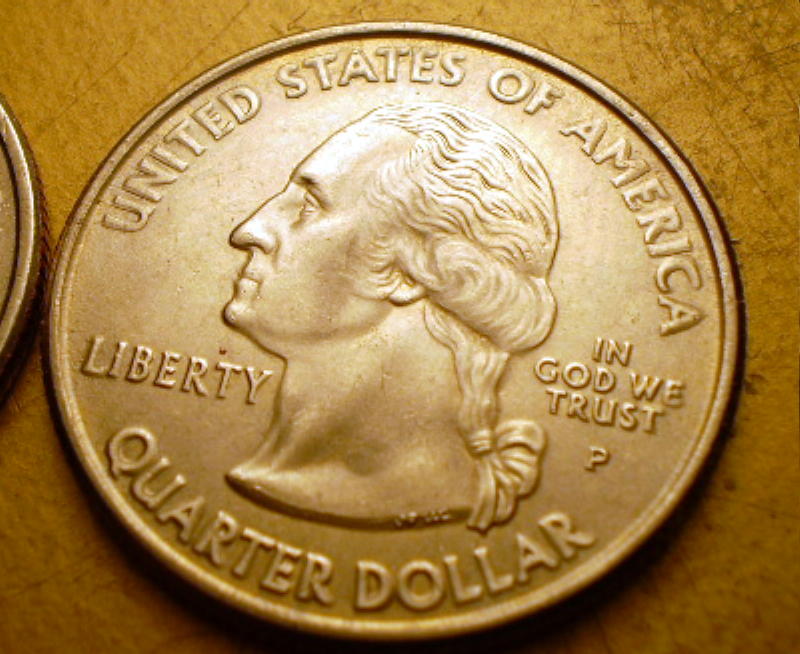 P5250033.jpg
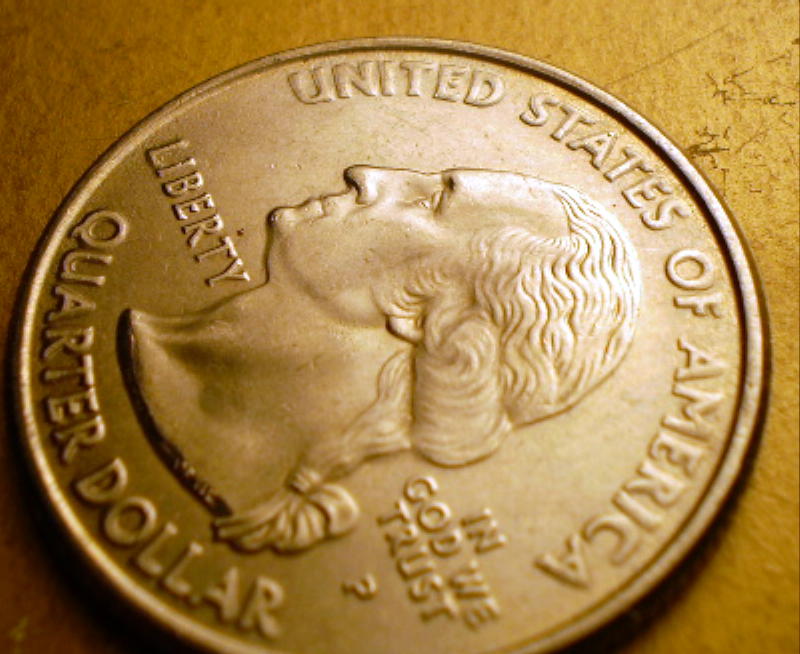 P5250034.jpg
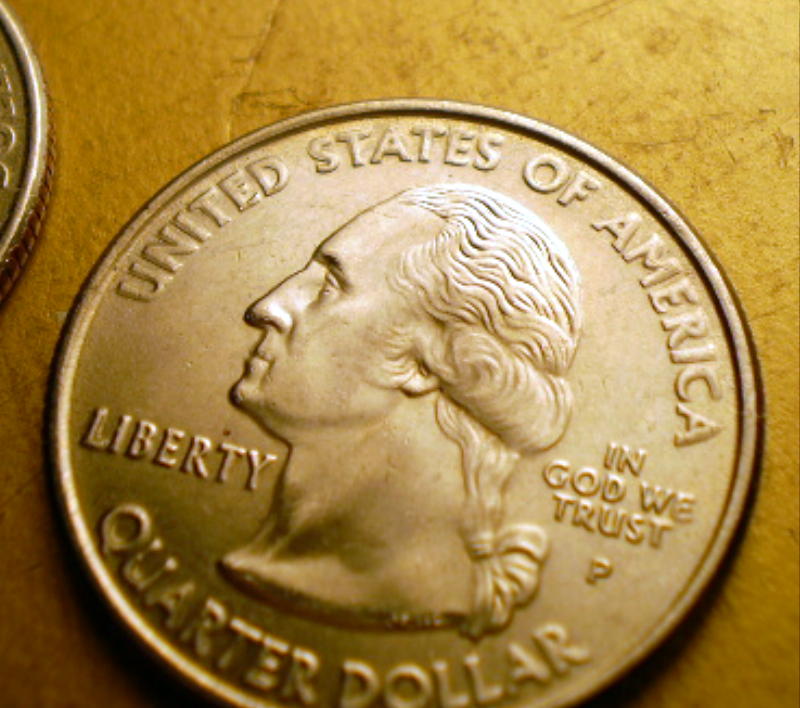 P5250035.jpg
 P5250036.jpg
 P5250038.jpg

 Posted 05/23/2008 9:42 pm


