| Author |
 Replies: 13 / Views: 1,993 Replies: 13 / Views: 1,993 |
|
|
Pillar of the Community
United States
2246 Posts |
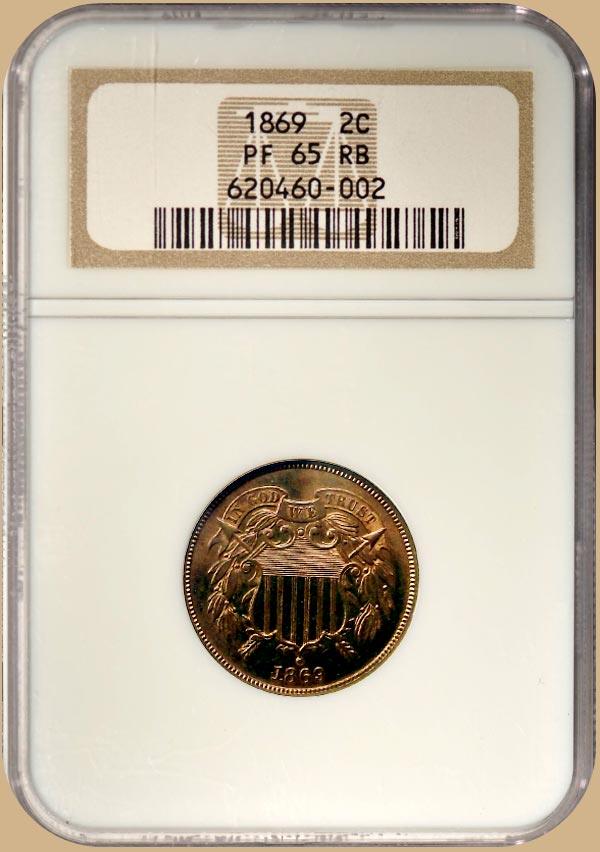
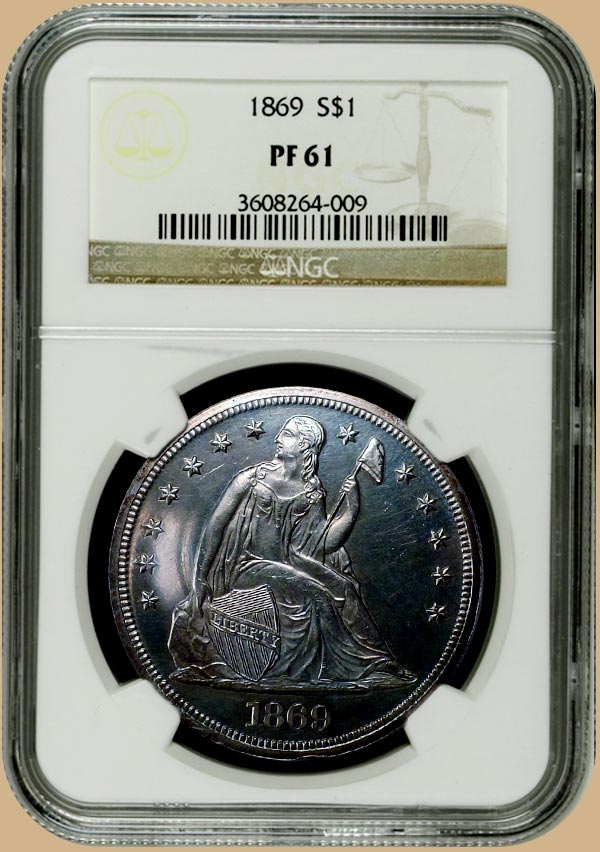
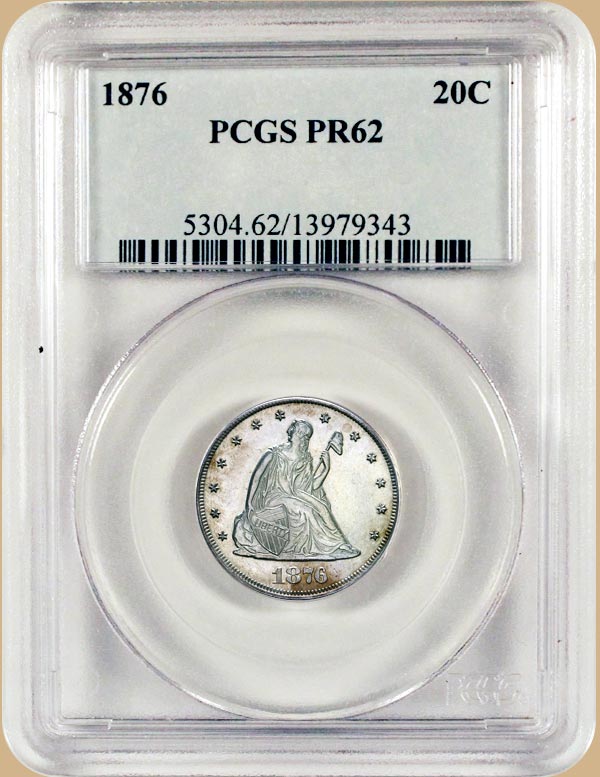
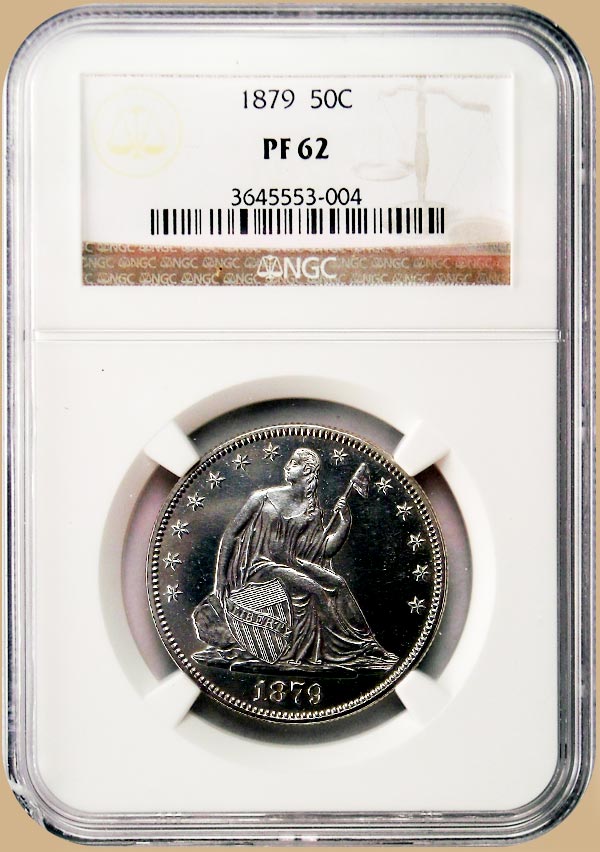
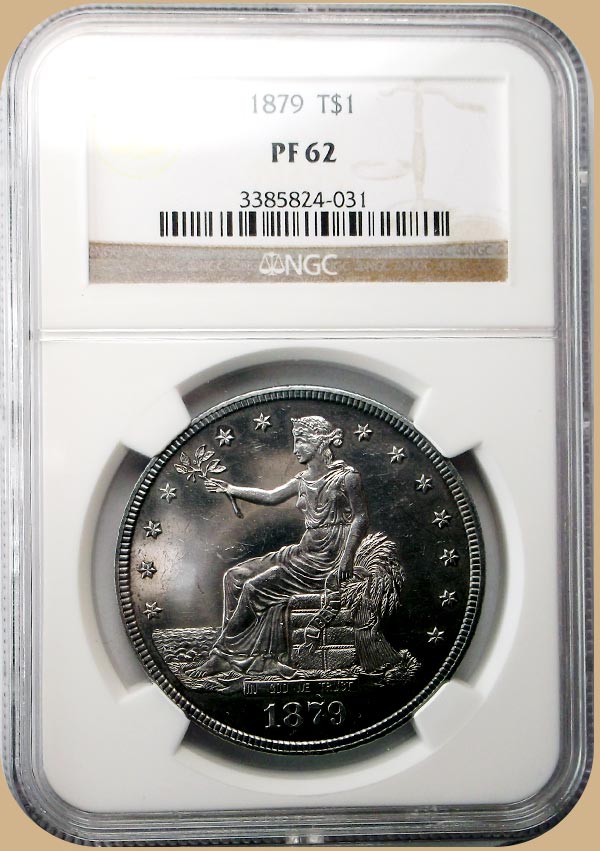
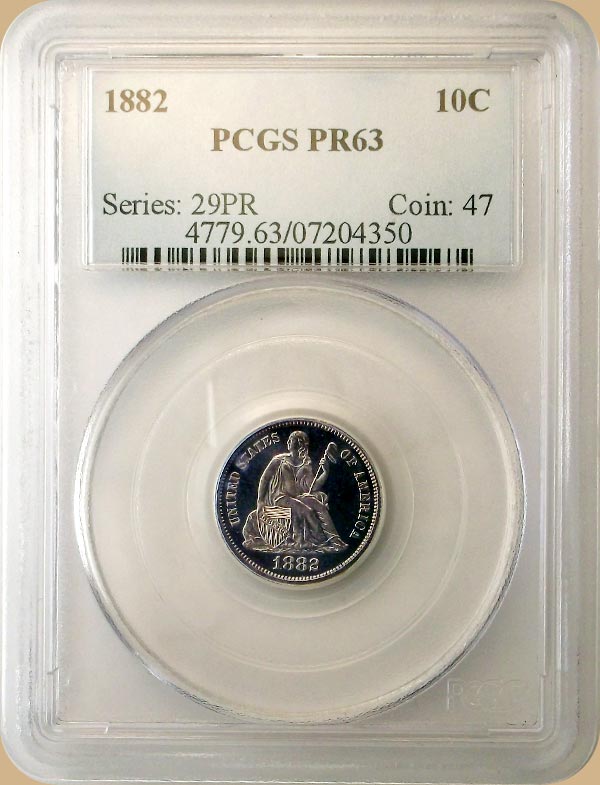
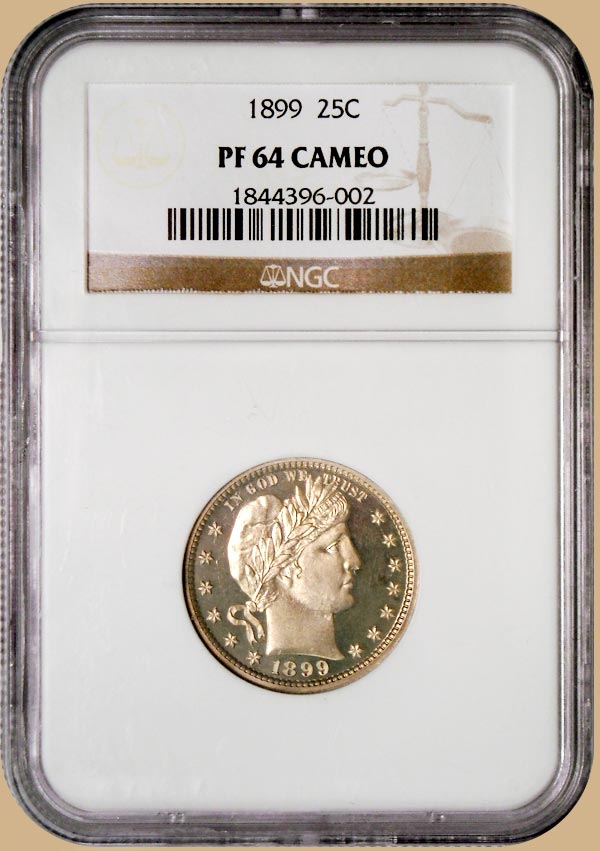
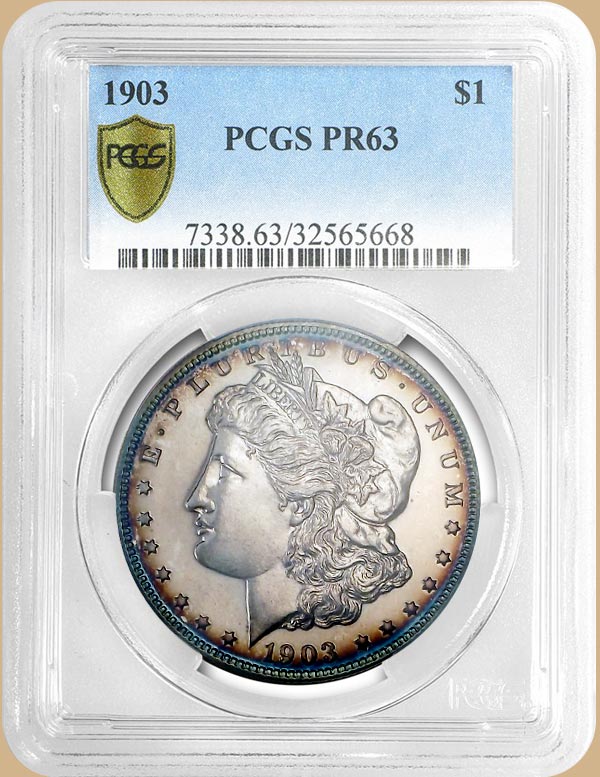
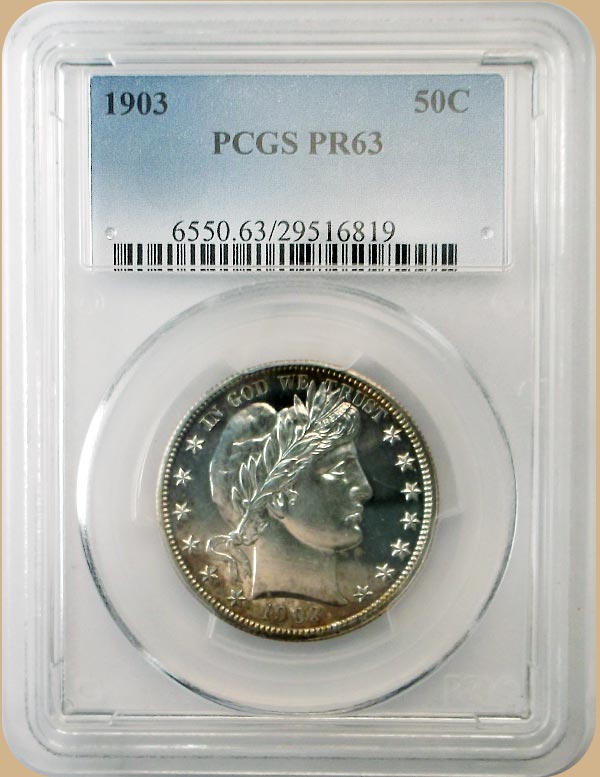
Does anyone know why we use the word "proof" to describe a highly polished, presentation-grade coin?
|
|
|
|
Pillar of the Community
United States
574 Posts |
Well, according to the dictionary the word proof is defined as "the act of testing or making trial of anything; test; trial" So I would assume that the term proof in regards to coins refers to test or trial pieces.
In the United States at least to my knowledge in the 1800's proof patterns were given to congress men as presentation pieces before a new coin design was approved. Thus test or trial pieces.
Edited by casualcoincollector
04/01/2018 05:42 am
|
|
Pillar of the Community
 United States
2246 Posts |
Ah, so it doesn't refer exclusively to coins. Interesting!
|
|
Bedrock of the Community
Australia
21789 Posts |
Before about 1960, proof coins generally were made for the purpose as defined by casualcoincollector.
They were made with new dies, and the coins were often struck multiple times at increased strike pressure, to bring up all of the design detail. They looked like particularly well made business strikes. Such coins were kept by the mint, and were never intended for sale.
The Mint kept them as a standard for quality control purposes. They did not have mirror fields, and cameo details.
They were not intended for the collector. Because of the tiny number produced, they command huge prices at public auction.
Modern "proof" coins are made differently, with mirror fields and cameoed details, to satisfy the preferences of the modern "proof" coin collector. They are not made for test purposes. With some modern "proof" issues, huge numbers are produced, to the extent that the collector market will bear, so that profits for the Mint can be maximized.
The nearest modern mint product to the old genuine proof coins is 'Mint' or 'uncirculated' quality.
Edited by sel_69l
04/01/2018 11:45 am
|
|
Pillar of the Community
 United States
4616 Posts |
Proofing yeast occurs when you add a little sugar and water and make sure it creates gas before dumping it into the bread dough.
-----Burton 50+ year / Life / Emeritus ANA member (joined 12/1/1973) Life member: Numismatics International, CONECA Member: TNA, FtWCC, NETCC, EveryCountry (online) coin club Owned by three cats and a wife of 40+ years (joined 1983) Author: 3rd Edition of the Sample Slabs book, https://www.sampleslabs.info/ |
|
Pillar of the Community
United States
8715 Posts |
Quote:
to describe a highly polished, presentation-grade coin? You might want to edit your post to say "to describe a coin that has highly reflective surfaces", as proof coins are not polished.  |
|
Bedrock of the Community
United States
20753 Posts |
Quote:
You might want to edit your post to say "to describe a coin that has highly reflective surfaces", as proof coins are not polished. Actually unless you worked at the Mint, you really don't know if they have people sitting there polishing each coin.  |
|
Bedrock of the Community
United States
17884 Posts |
Quote:
Ah, so it doesn't refer exclusively to coins. Interesting! The term proof was used in several other fields for it was adopted by coin collectors. It was used in the printing field long long ago. Probably not too long after movable type was invented. The first sheet off a new rack of type referred to as a proof or a galley proof and used for examining search for errors in the type settings. |
|
Pillar of the Community
United States
655 Posts |
Quote:
Proofing yeast occurs when you add a little sugar and water and make sure it creates gas before dumping it into the bread dough. Mmmmm.... Weren't old 35 mm prints or negatives sometimes called proofs? |
|
Moderator
 United States
54297 Posts |
proof reading....testing to see if correct
proof copy....a printing of a book, for example, to check over before giving the publisher the go ahead to print the book.
proof is in the pudding...when the Congressman receiving a sample coin drops it in his dessert.
|
|
Pillar of the Community
Canada
849 Posts |
I have never been one for alcohol, but there is also "100 Proof". Perhaps that is when the drinker is highly polished?!
|
|
CCF Advertiser
United States
1533 Posts |
In the publishing business, the initial impressions of a typeset article are called proofs. You get these from the editor to make your markups on and correct errors before the article goes to press.
|
|
Pillar of the Community
United States
1314 Posts |
Quote:
I have never been one for alcohol, but there is also "100 Proof". Perhaps that is when the drinker is highly polished?! I vaguely recall some information about alcoholic drinks being tested for burning rates or flash points to "prove" the alcoholic content. Now who can still do geometric proofs learned in high school? |
|
Pillar of the Community
United States
5993 Posts |
|
| |
Replies: 13 / Views: 1,993 |
|







 Posted 04/01/2018 06:53 am