| Author |
 Replies: 97 / Views: 13,227 Replies: 97 / Views: 13,227 |
|
Moderator
 United States
23760 Posts |
Over the years we have had a number of questions about individual Religious Coins or Medals.
This is an invitation to post your Religious themed Coins in this thread.
Notice I said Coins not medals - there is another area on the forum for that.
Qualification for posting I it must be a coin that was issued for circulation or to be a NCLT.
See forum Glossary definition of coin
(Metal formed into a disk of standardized weight and stamped with a standard design to enable it to circulate as money authorized by a government body.)
Show us what you have
enjoy the following:
Who will start? rggoodie
aka Richard
"catch em doing something right"
|
|
|
|
Pillar of the Community
United States
2643 Posts |
Anonymous follis   |
|
Pillar of the Community
United States
6130 Posts |
Perhaps this would be better off on the Main board, since the World board is restricted to coins 1600-Present, which would be mainly just Christian and Islamic themes over and over? Also, are we distinguishing between "Religious" versus "Mythological" versus "Allegorical?" E.g. while the Romans had temples and cults of Libertas, her depiction on all 19th century US coinage is purely allegorical. Anyway, one of my favorite religious themes are those of the Zoroastrian religion, state religion of Persis and later the Sassanian empire, who were overthrown by the Muslims in the 7th century. Zoroastrianism is believed to be the oldest continually-practiced monotheistic religion, and is one of the few (if not the only) non-Abrahamic monotheistic religions. Zoroastrians worship their god Ahura-Mazda primarily through observance or prayer before a holy fire, kept continually burning and purified 24 hours a day by priests or attendants. Silver drachm of Ardashir I, 224-242, founder of the Sassanian dynasty Fire altar alone  Legend in reverse translates to "Fire of Ardashir" Bahram II, 274-293 King attends to flame with Anahit, an Armenian fertility goddess  Peroz I, 459-484 Fire altar with generic female attendants 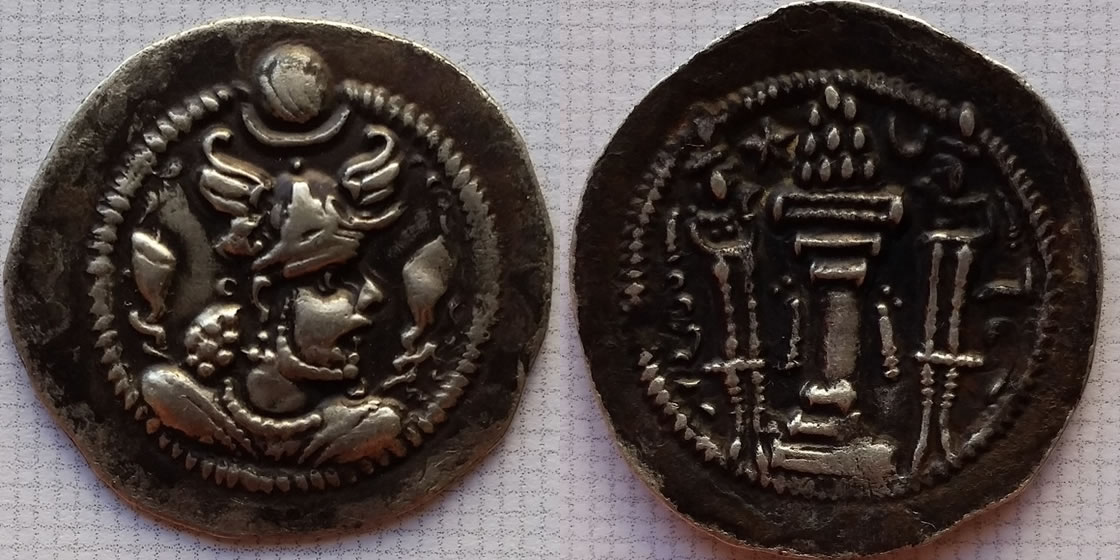 Trough conquest and cultural diffusion, Zoroastrianism (or at least the fire altar motif) spread throughout the Hunnic tribes and even into India: Nezak Huns (Afghanistan) "Napki Malka", c. 600 AD 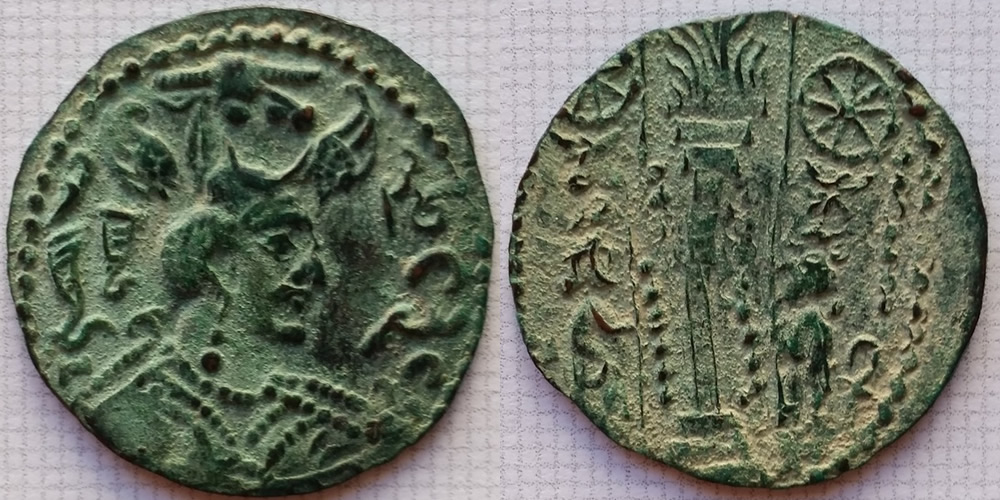 Turco-Hepthalites (Afghanistan), "Vajara Vakhudeva", c. 700 AD  India, Chaulukyas of Gujarat, c. 900-1100 AD, "Gadhaiya Paisa" (an nth-generation copy of the Peroz drachm above)  |
|
Moderator
 United States
23760 Posts |
Suggestion heeded this has been moved to the Main coin forum.
We will leave the definition of Religious open to give us a larger opportunity to be inclusive.
The only exclusions will be coins that are not family friendly.
Happy posting
rggoodie
aka Richard
"catch em doing something right"
|
|
Bedrock of the Community
Canada
24885 Posts |
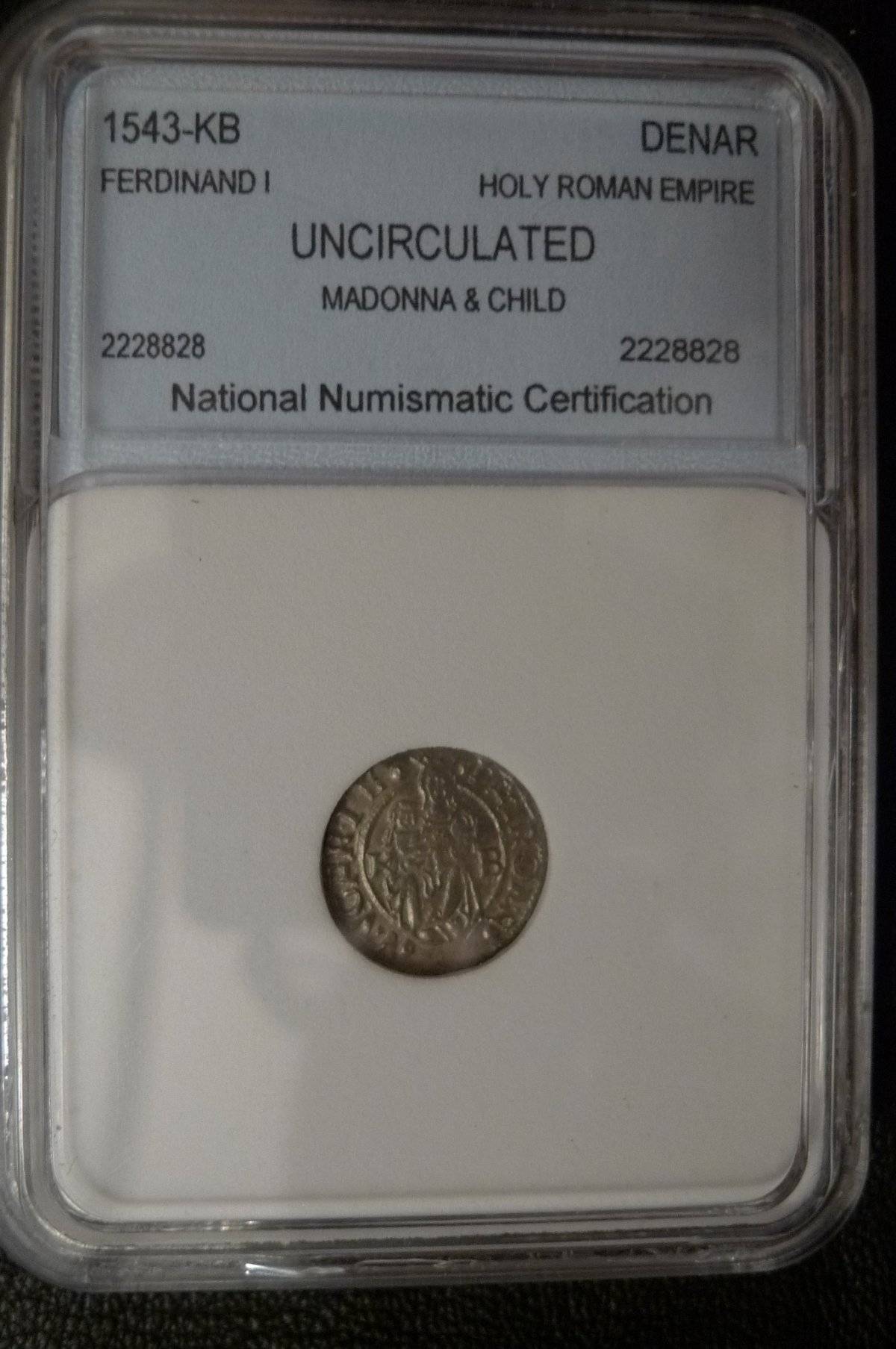
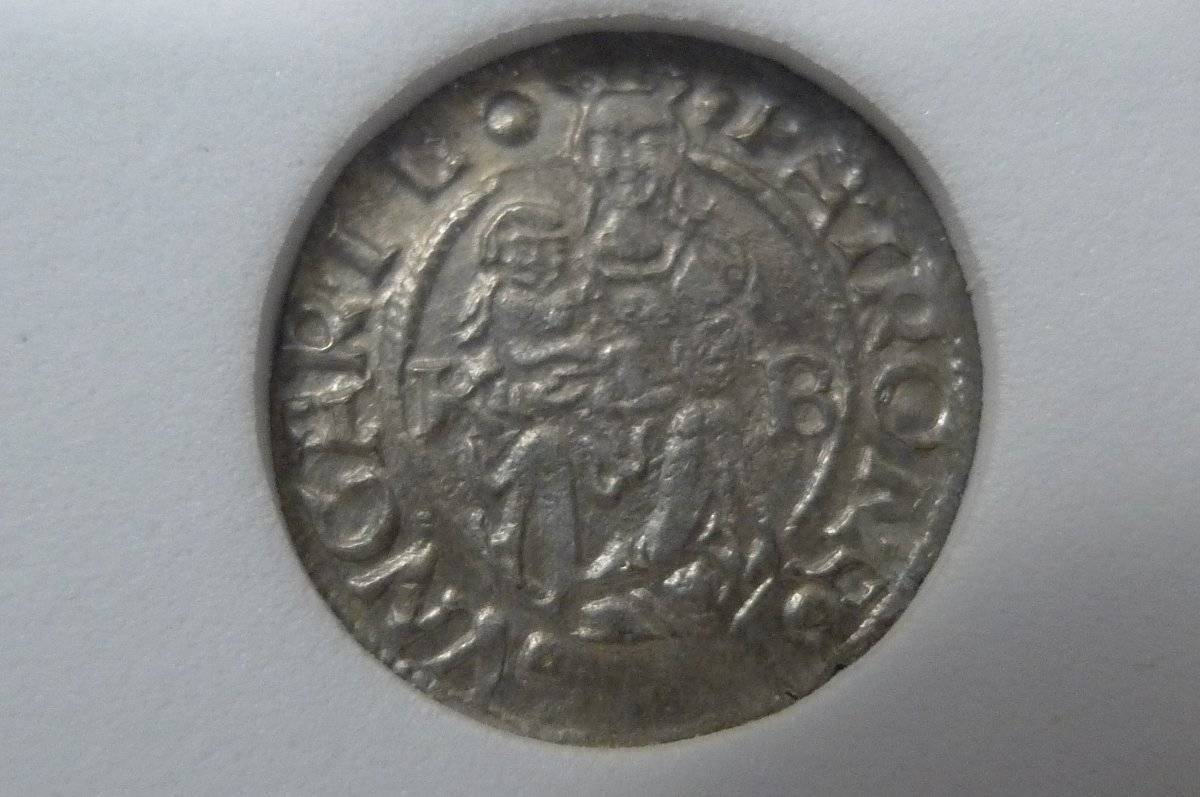
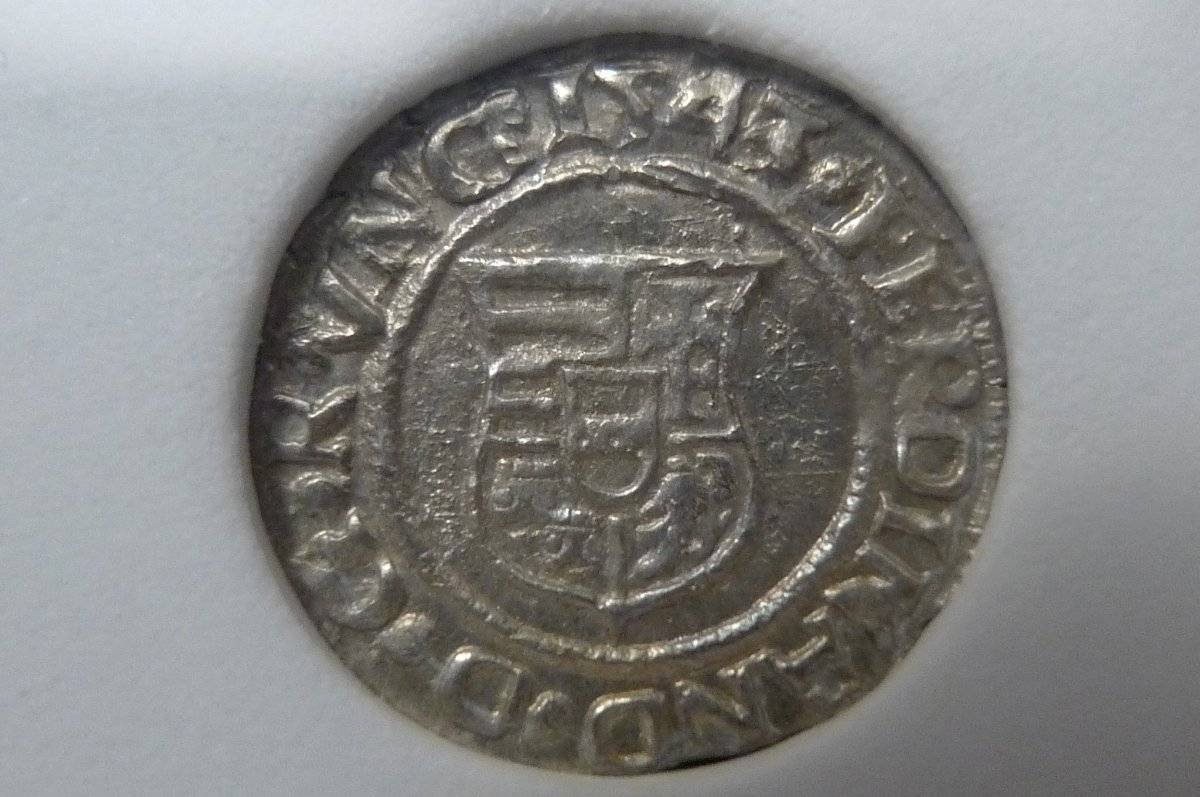
1536 1 KB denar Holly Roman emperor Ferdinand I . 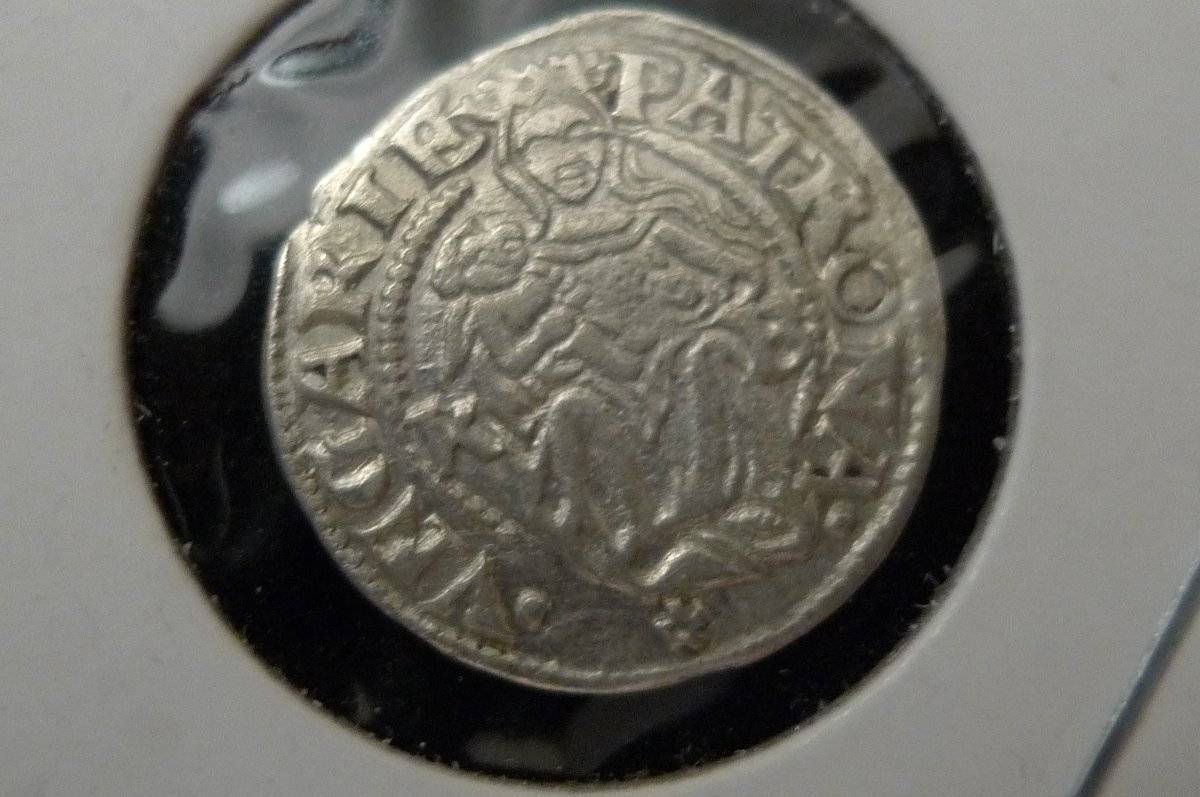 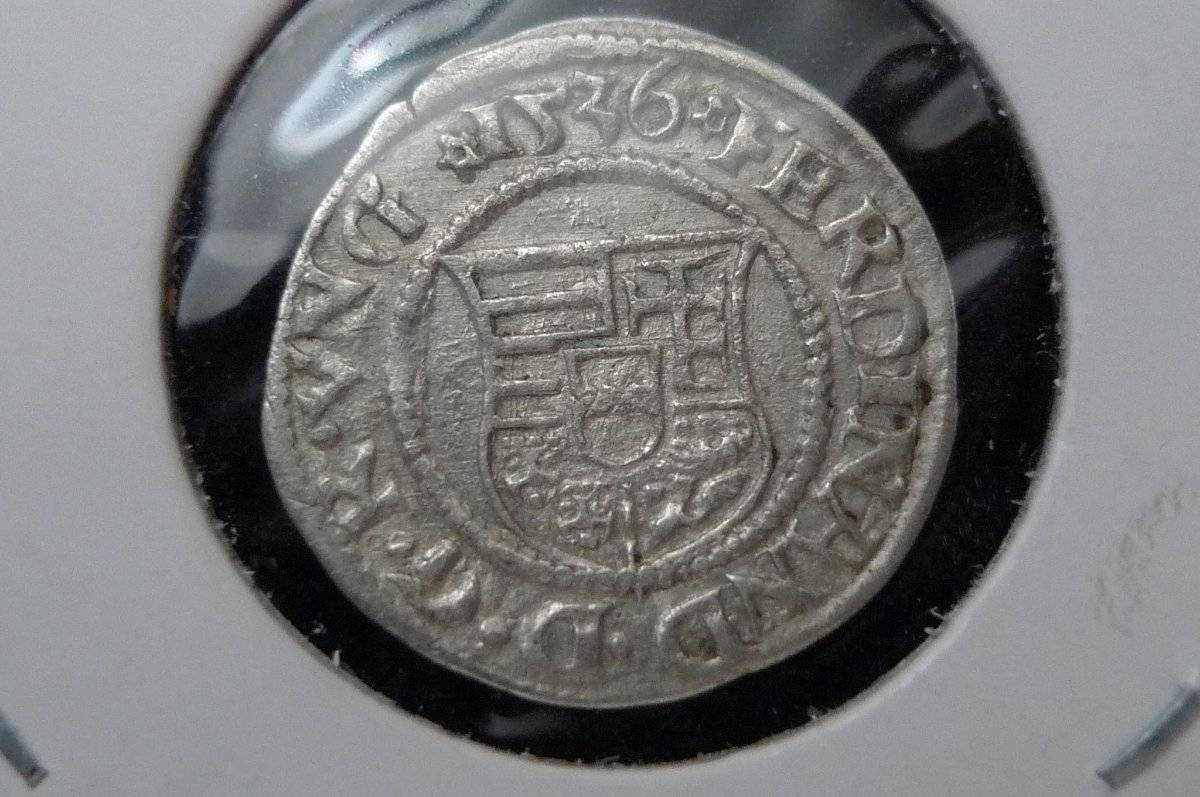 |
|
Pillar of the Community
United States
6130 Posts |
Giving this thread another nudge with another favorite. Umayyad Caliphate, silver dirhem from Wasit, 119 AH  Obv center: "There is no God/ but Allah alone / He has no equal" Obv margin: (Counterclockwise from about 1:00) "In the name of Allah was struck this dirhem in Wasit in the year nine and ten and one hundred." Rev center: "God is One God / The eternal and indivisible, who has not begotten, and / has not been begotten and never is there / His equal " Rev margin: "Muhammad is the messenger of God. He sent him with guidance and the true religion to reveal it to all religions even if the polytheists abhor it." With the fall of the Sassanians in the mid-7th century, the new Caliphate struggled for a time to get a new currency off the ground, and just struck imitations of Sassanian silver and Byzantine bronze coins for a few decades. Muhammad's short lived Rashidun Caliphate was replaced with the Umayyads, who went on to expand their domain to about the size of the Roman Empire at its height. There was considerable call for a new currency, and after a failed experiment to place the image of the Caliph on coins, they settled on a purely epigraphic coin design, which would become the standard for all Islamic coins from Morocco to Indonesia until the 20th century. |
|
Moderator
United States
14463 Posts |
1968 Vatican - FAO coins (from my BYS) 1 Lira 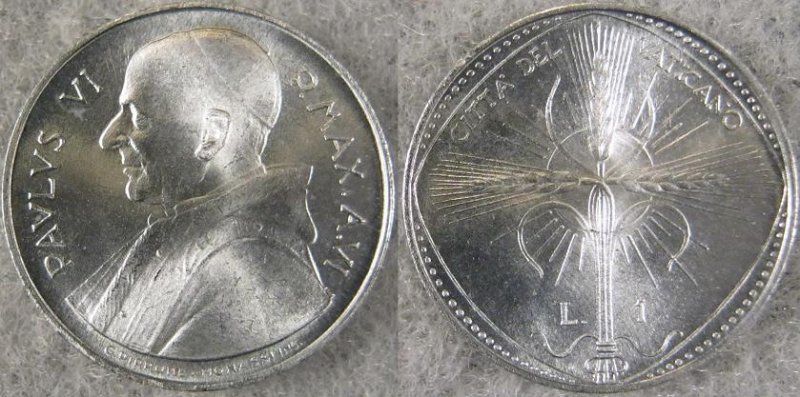 2 Lire 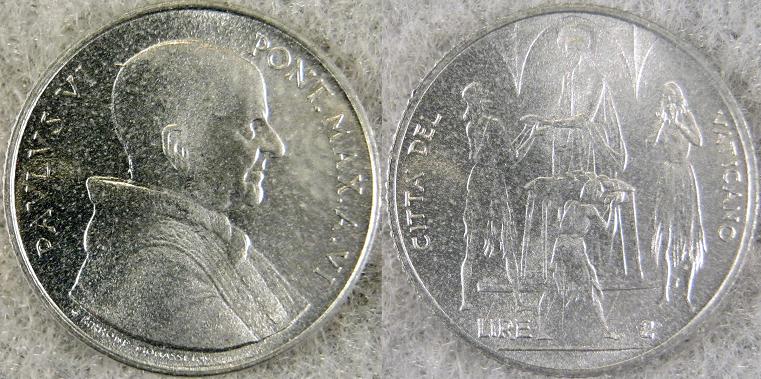 5 Lire 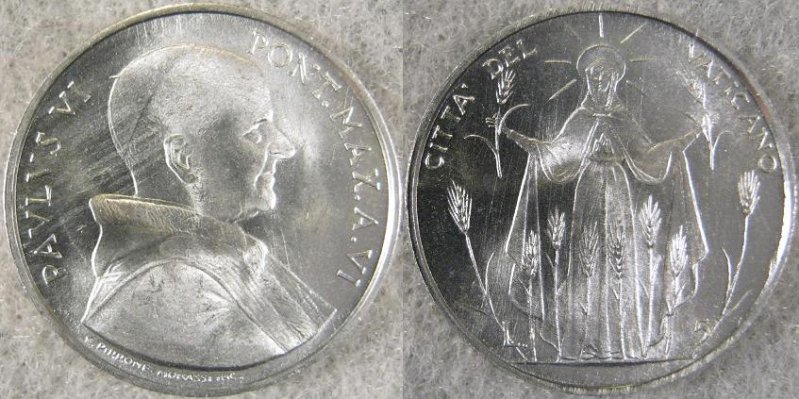 10 Lire 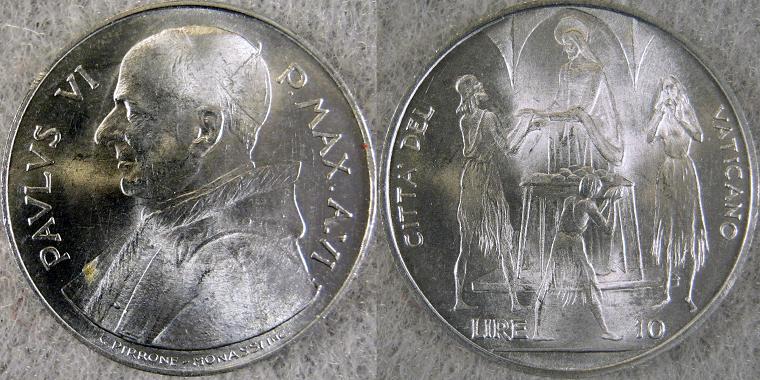 20 Lire 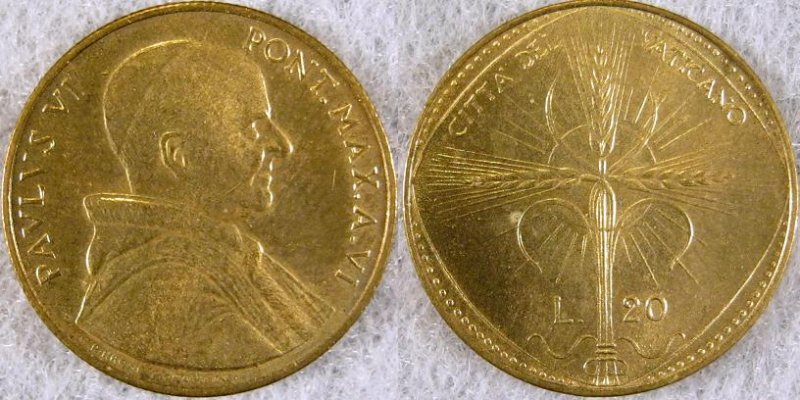 50 Lire 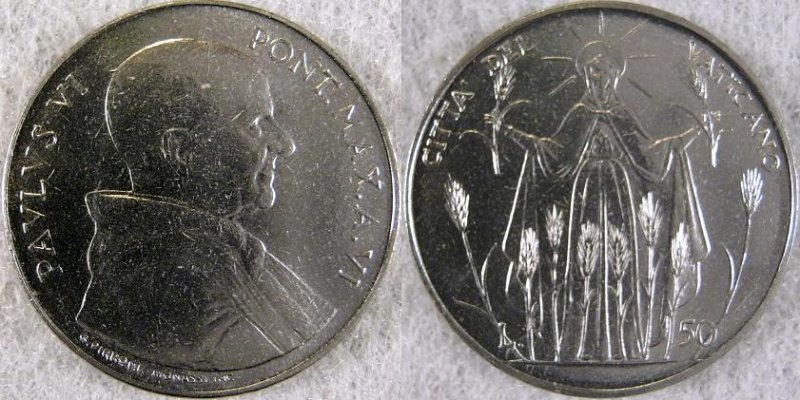 100 Lire 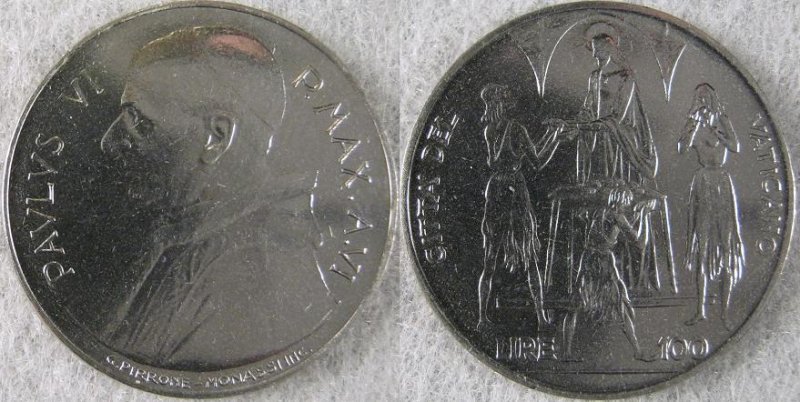 500 Lire 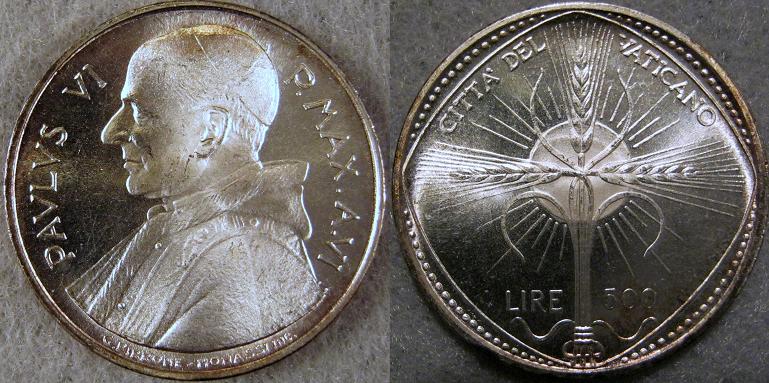 |
|
Pillar of the Community
 United States
8038 Posts |
One theme in my collection is images of Christian saints, so I am pleased to see this thread, but also pleased to see the posts from @finn which have mixed it up a bit in the early going so we aren't too focused on Western religions. First, this groschen from Braunschweig dated 1537, showing St. Ann, the mother of Mary and grandmother of Jesus . There is not strong historical evidence for her actual existence (she is not mentioned in the New Testament). She holds Mary in her right arm, Jesus in her left. An improbable pose in real life, but one that was common depiction in medieval paintings and sculptures. 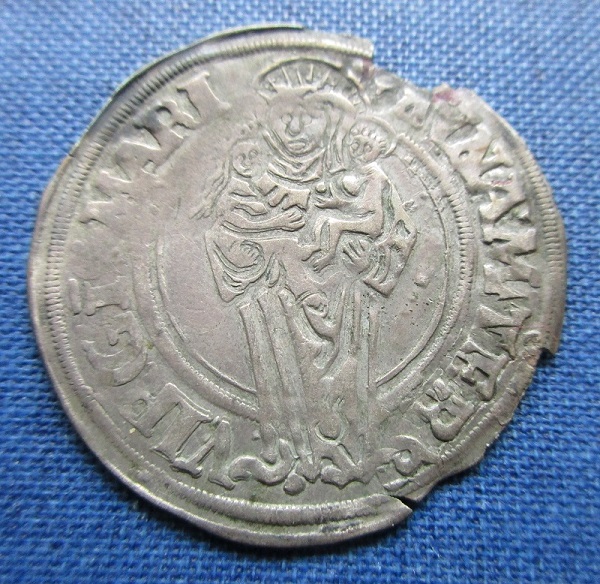 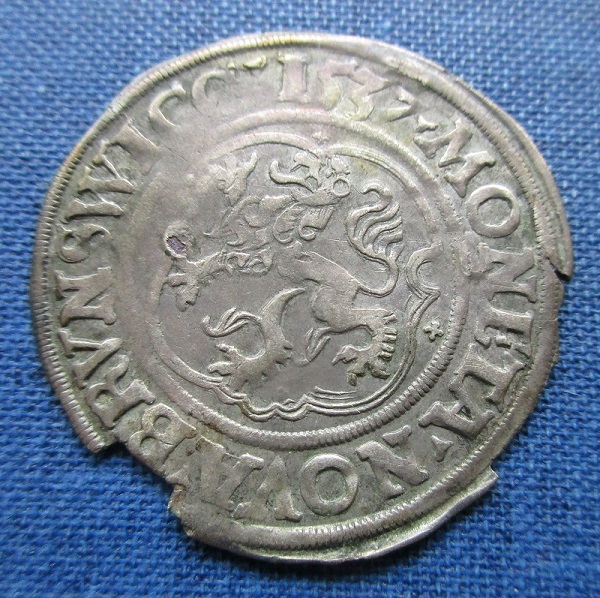 Edited by tdziemia
04/11/2018 7:34 pm
|
|
Bedrock of the Community
Canada
24885 Posts |
|
|
Pillar of the Community
United States
8038 Posts |
That's a beautiful denar, Dorado! In addition to Hungary, madonnas are seen on coins of Bavaria, Nuremburg, and a number of other places. I hope we'll see some of those here, too. I am going a little earlier in Christian chronology (i.e., before the birth of Jesus) with a type from Naples in the late 1200s to early 1300s, depicting the Annunciation, where according to Christian tradition (Luke 1:26), the angel Gabriel appeared to Mary to bring the news she had been chosen to be the mother of Jesus. The Annunciation is also mentioned in the Koran. These coins were struck in both silver (saluto d'argento) and gold (saluto d'oro). The legend on the reverse is the first phrase(s) of the Hail Mary prayer (AVE GRACIA PLENA, or "Hail, full of grace"). Mine, followed by a downloaded image showing more detail. 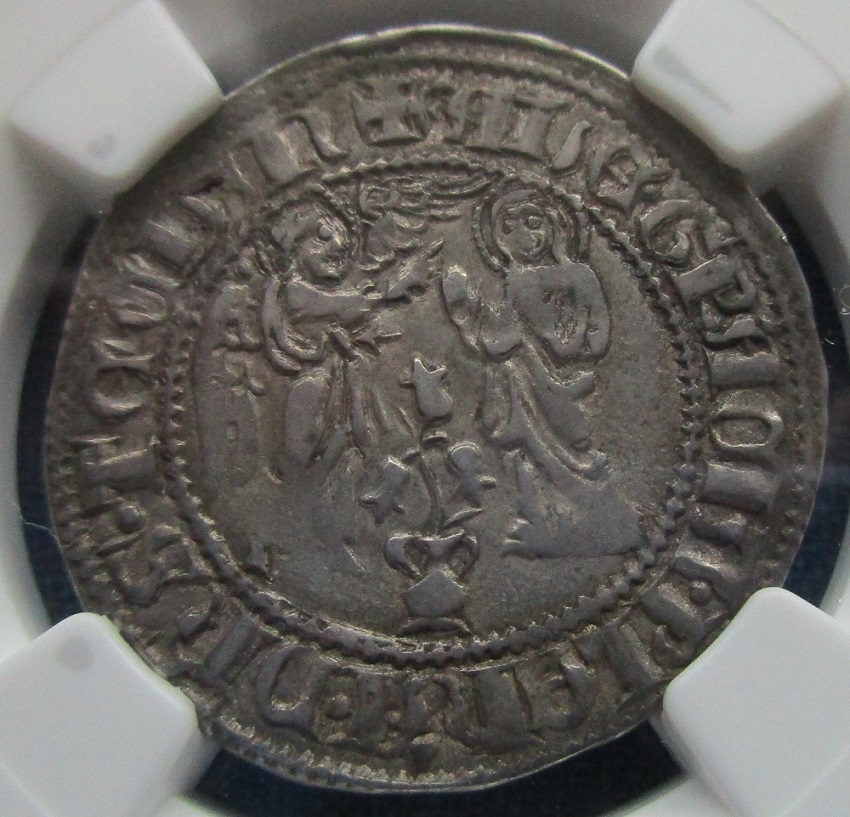  Edited by tdziemia
04/12/2018 08:18 am
|
|
Bedrock of the Community
Canada
24885 Posts |
@ tdziemia Quote:
That's a beautiful denar, Dorado! Thanks...  |
|
Pillar of the Community
United States
6130 Posts |
That Annunciation scene is really cool!
|
|
CCF Advertiser
United States
1533 Posts |
I consider this religious, as holey as it is 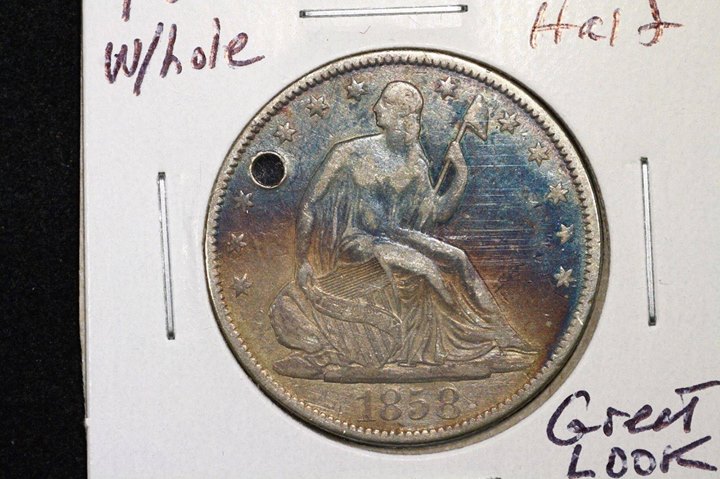 |
|
Pillar of the Community
United States
6130 Posts |
And I thought my dad jokes were bad...  |
|
Moderator
United States
194816 Posts |
Quote:
I consider this religious, as holey as it is  |
|
Pillar of the Community
United States
8038 Posts |
You guys are A HOOT! I'll apologize in advance for hewing to Christian images, but that's what I've got in my collection. So, next up is John the Baptist, a contemporary of Jesus, born within a few months of him (according to Luke 1), and probably executed shortly before him as well. As fate would have it, John became the patron saint of Florence in the early medieval era. So, when they launched a gold coin for use in international trade in the mid-1200s, it was John's image they chose for the obverse of the coin. The coin became a standard medium of exchange, and the image of John the baptist was adopted in many other places (especially central Europe) over the next few centuries for this size gold coin. John is usually shown on medieval coins with long, scruffy hair, and simple clothing, in line with verses on his habits in Mathew 3. This florin was minted in Budapest in the mid-1300s, with both obverse and reverse designs mimicking the Florentine gold florin. By this time, many parts of Germany were minting gold florins with this image of John as well. 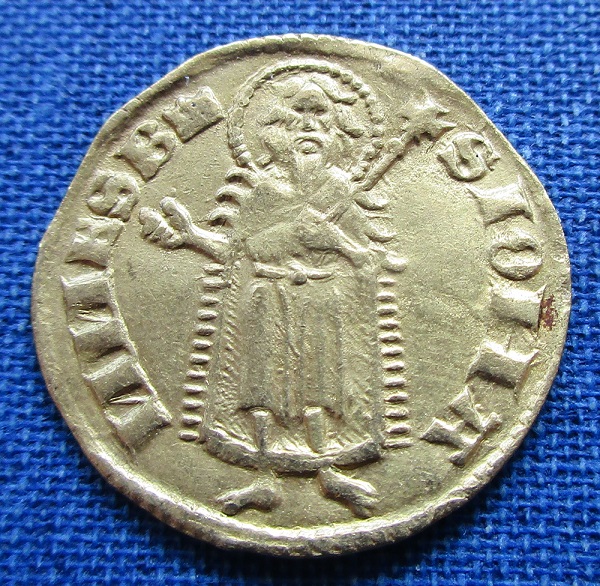 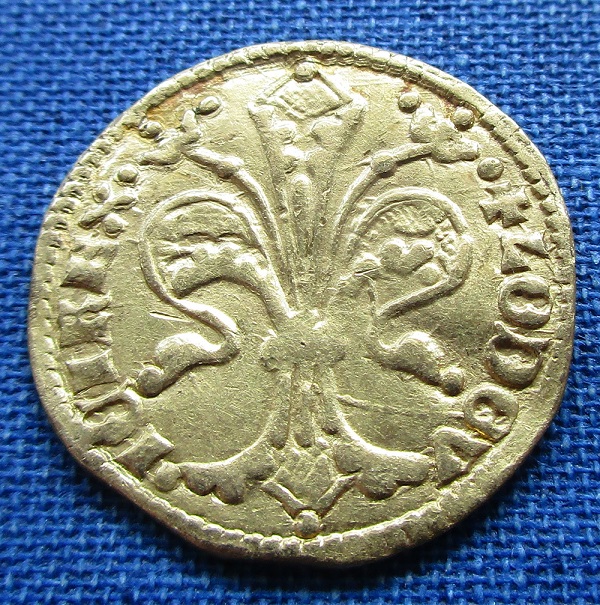 Edited by tdziemia
04/12/2018 9:13 pm
|
| |
Replies: 97 / Views: 13,227 |








 Posted 04/02/2018 1:24 pm