| Author |
 Replies: 7 / Views: 1,317 Replies: 7 / Views: 1,317 |
|
|
Pillar of the Community
United States
3736 Posts |
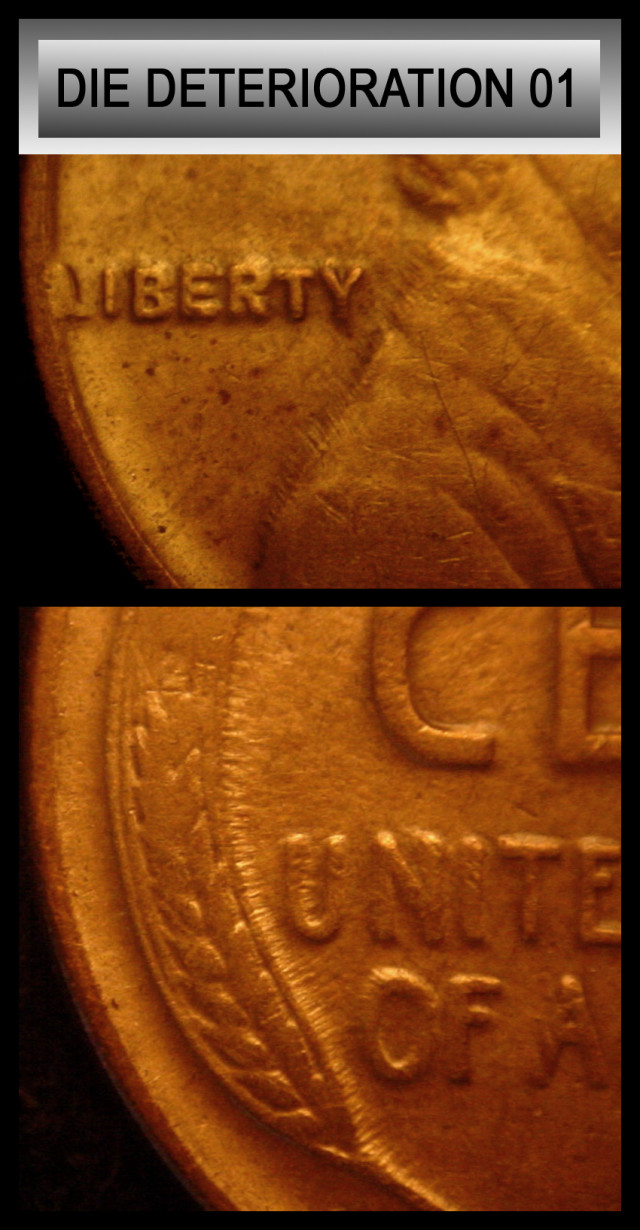
I was going to post this a few weeks ago, but got busy. Seeing the other post on Die Deterioration reminded me to hunt down this pic and do this post. Just for fun: Where: Cherokee and Colfax, wedged between the politicians at City Hall and the County Jail. (Money always seems to connect politicians to jails, but I digress . . .) When: Sometime in 1916. "Hey. boss. This die looks kinda worn. Time to replace it?"
"Son, you don't know nothin'. She's got another 50,000 coins left in her yet. Keep on working and stop yapping."
"Sure thing, boss!"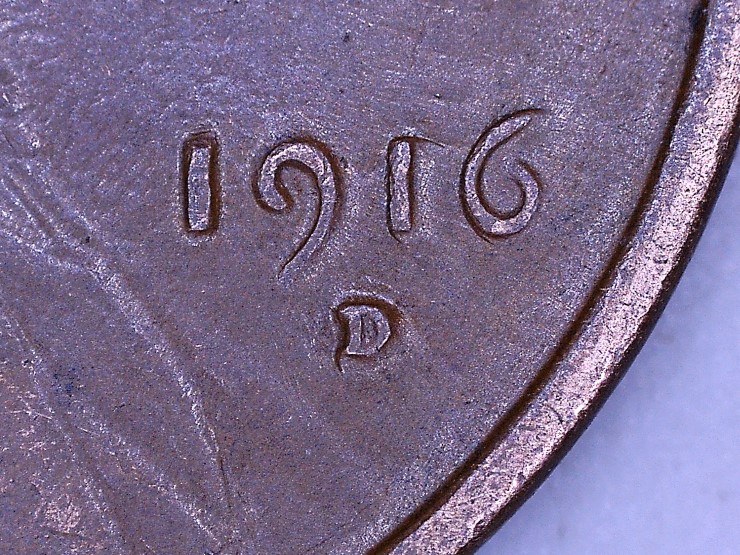 There has to be a technical name for this type of Die Deterioration. I've always heard it called "metal flow deterioration," but that would not be correct, since the metal flow would be the result of the deterioration, and not the cause. The recessing near the mm and the strong flow lines from the date and mm are evident to the unaided eye. The rest of the obverse isn't much better. In contrast, on this coin, the reverse die is MDS, and the coin would grade VF based entirely on wear on the reverse. I snagged this in a regional show for "Hey, how about throwing in that ugly '16-D along with this one?" The freebie price was right, anyway. I thought it was just a decent example of the rather common mismatching of working die states in Denver in the early Lincoln series. That's part of the charm of the early Lincolns, but also why it is so danged hard to find a well-struck 1911-1933 Denver Lincoln with good eye appeal. EDIT: Here are two more pics of the motto and Liberty. Note the "Hook 'em Horns" on the "T"s in "Trust" and the weakness toward the rim in "Liberty." There is also evident deterioration close to the portrait. 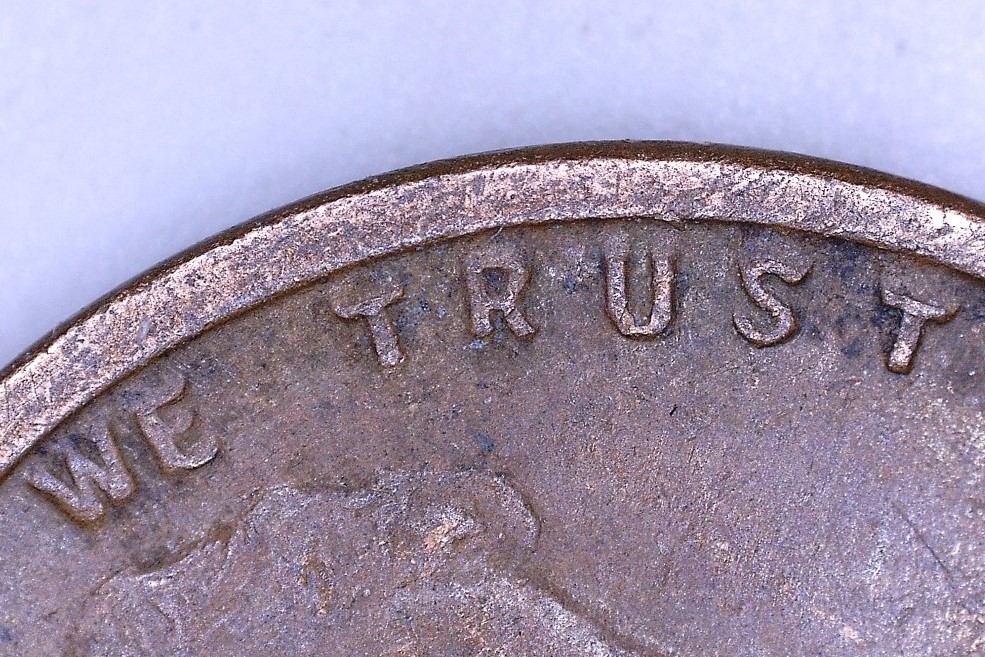 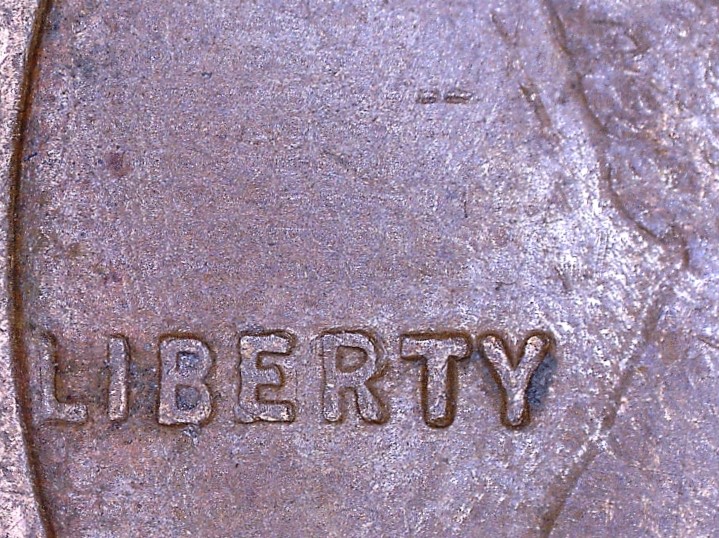 Edited by fortcollins
04/02/2018 6:54 pm
|
|
|
|
Bedrock of the Community
United States
79095 Posts |
Wow! They let that die strike a ton of coins I can tell. Pretty interesting too! It's in a VLDS (Very Late Die State). I also can see a Die Crack forming on the 1 in 1916. It looks like it was going to form a huge Die Chip.
Errers and Varietys.
|
|
Pillar of the Community
 United States
3736 Posts |
Errers and Varietys, thanks! I hadn't noticed the crack on the second "1". Good eyes!
We have solid data from 1913 (David Lange) and 1915 (The Numismatist as well as Lange) that Denver struck about 150,000 cents per die pair. The 1911-1912-1913 Denver cents were struck weakly. The (very slightly) sharper strikes of 1914-1915-1916 seem to have come at the expense of increased die wear in 1915 and 1916, with 1914 spared probably because of the low mintage. Even so, I have a hard time believing that this die only struck 150,000 coins, especially considering the soft alloy issues evident for this date.
|
|
Bedrock of the Community
United States
79095 Posts |
Quote:
Errers and Varietys, thanks! I hadn't noticed the crack on the second "1". Good eyes! You're very welcome! Quote:
We have solid data from 1913 (David Lange) and 1915 (The Numismatist as well as Lange) that Denver struck about 150,000 cents per die pair. The 1911-1912-1913 Denver cents were struck weakly. The (very slightly) sharper strikes of 1914-1915-1916 seem to have come at the expense of increased die wear in 1915 and 1916, with 1914 spared probably because of the low mintage. Even so, I have a hard time believing that this die only struck 150,000 coins, especially considering the soft alloy issues evident for this date. Very interesting information! Thank you very much! I also don't believe they struck 150,000 coins. They probably struck way more than that, considering how worn the die was on this Very Late Die State example of this 1916 D Lincoln Wheat cent. Errers and Varietys.
|
|
Bedrock of the Community
United States
62064 Posts |
Edited by coop
04/02/2018 9:11 pm
|
|
Bedrock of the Community
United States
79095 Posts |
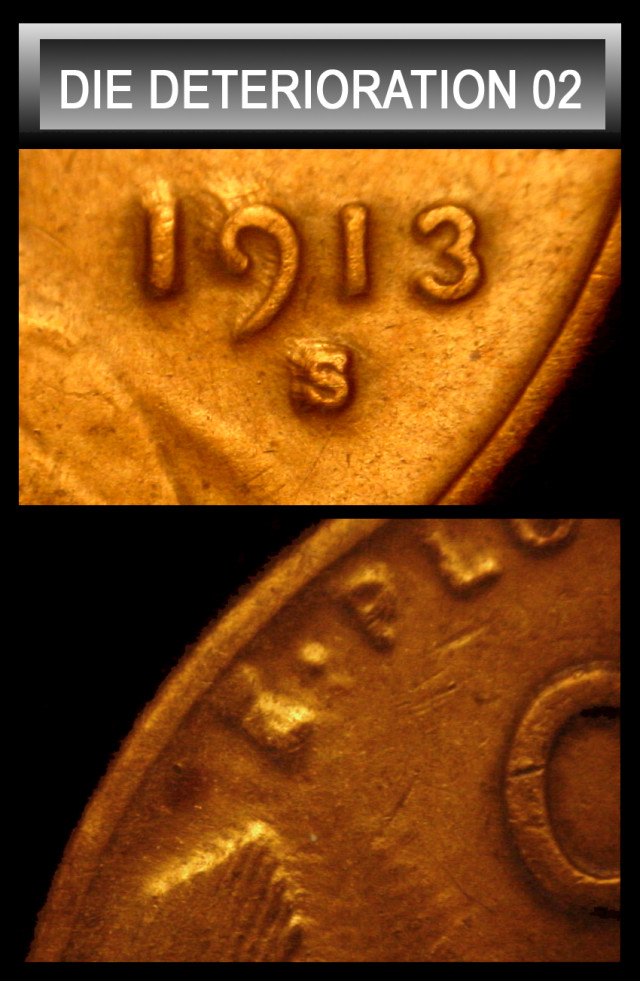
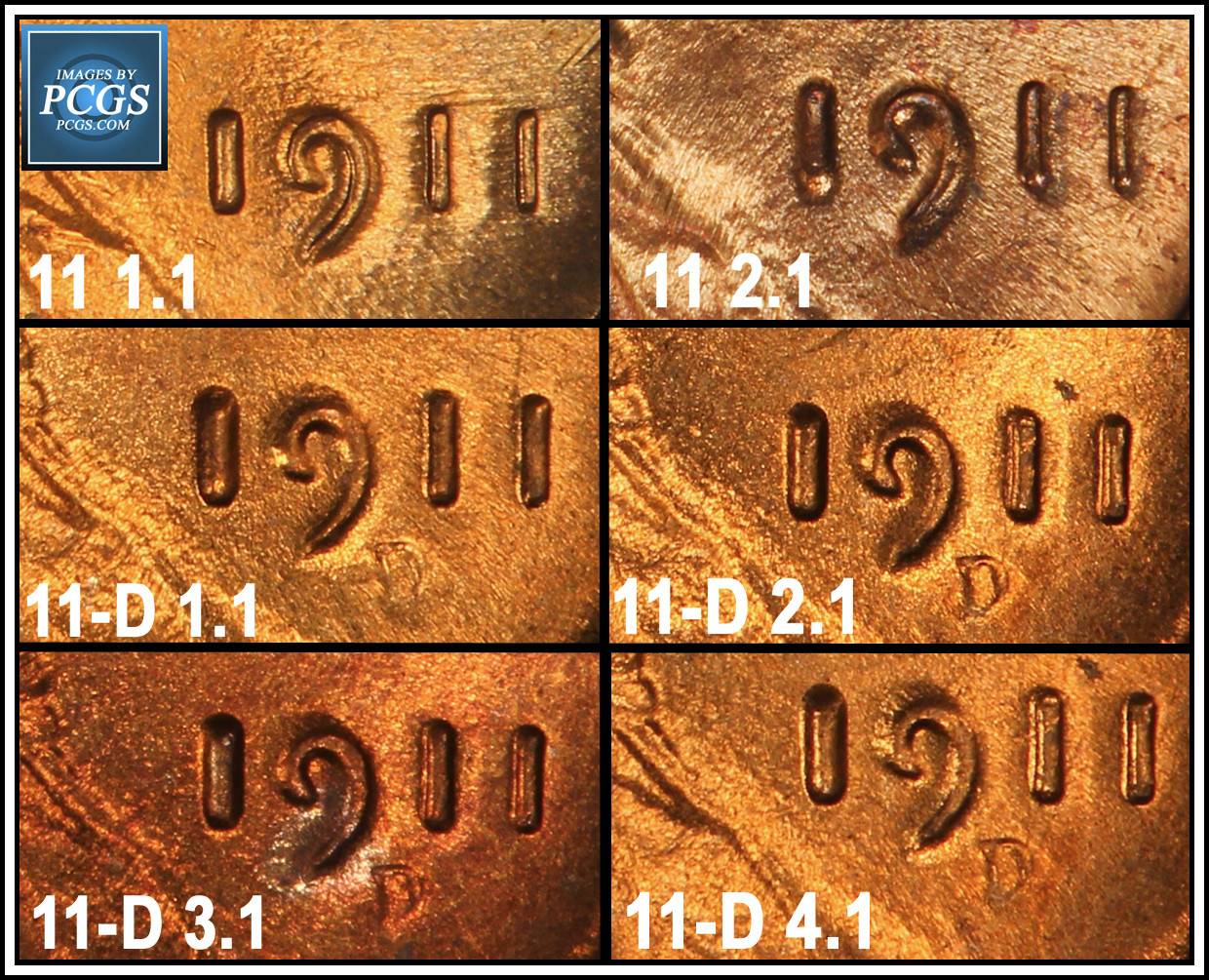
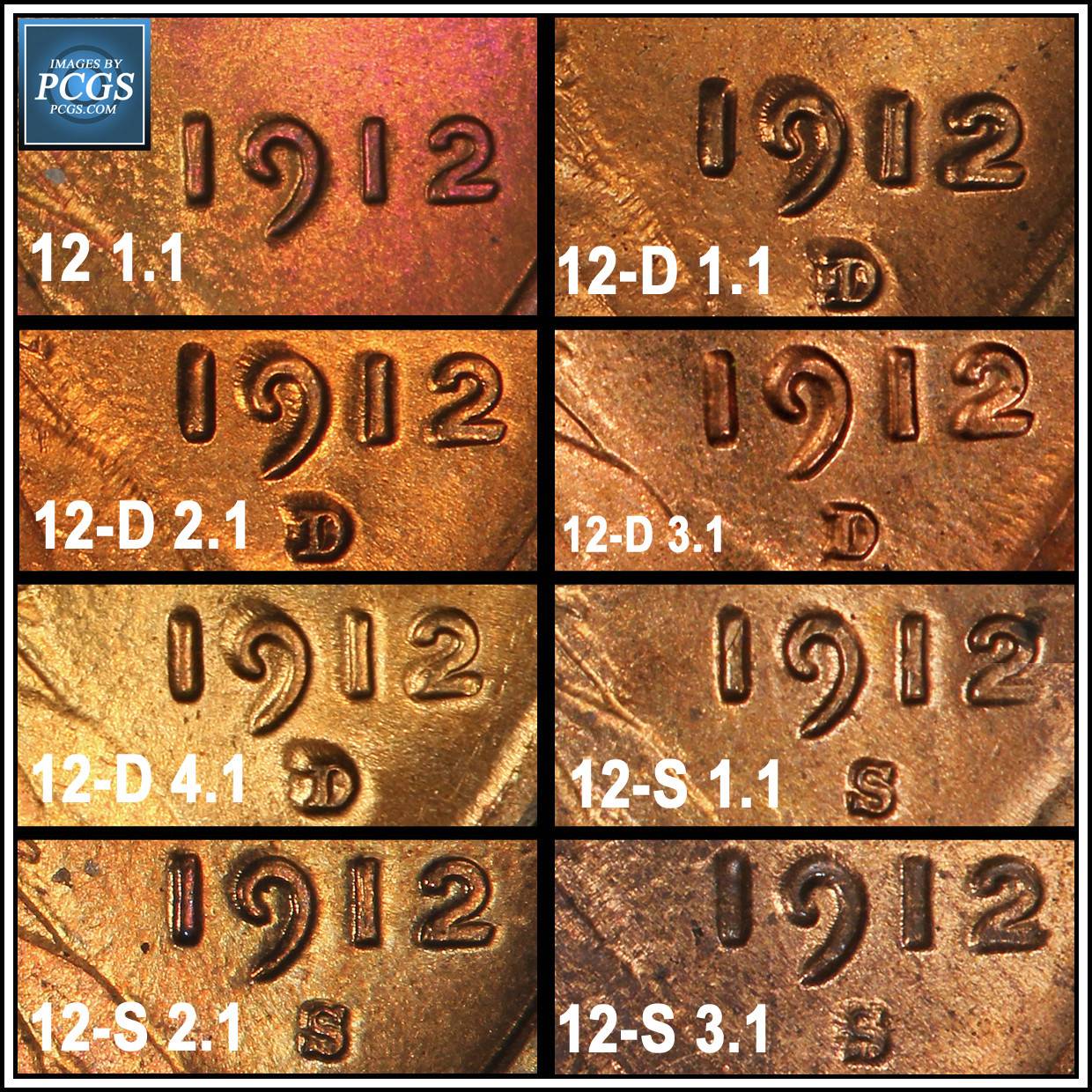
Very interesting Die State progression Coop! Thank you very much for making it and sharing it! This would make an excellent learning tool for people who just started to get in the coin collecting hobby.  Errers and Varietys.
|
|
Pillar of the Community
United States
3736 Posts |
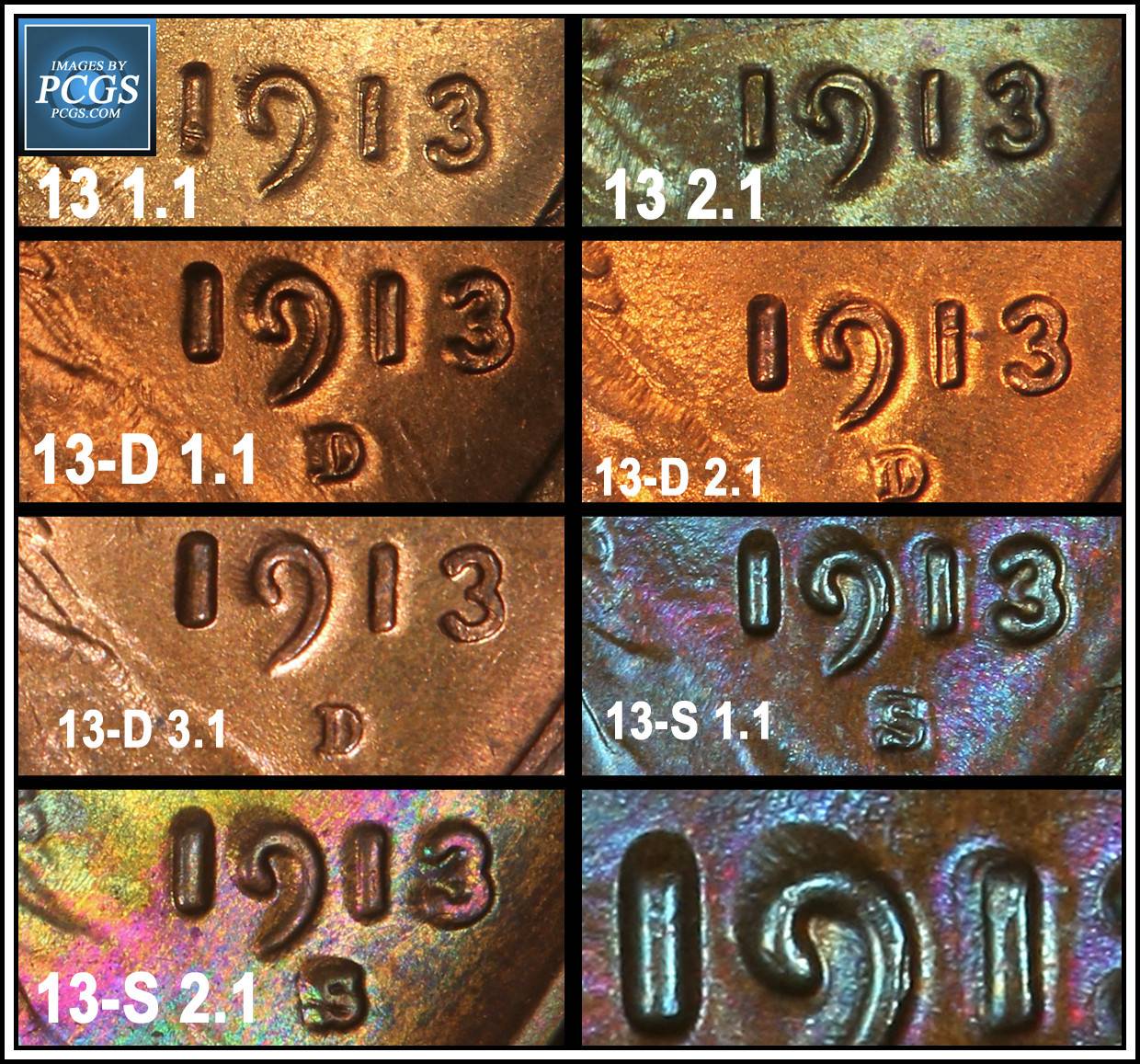
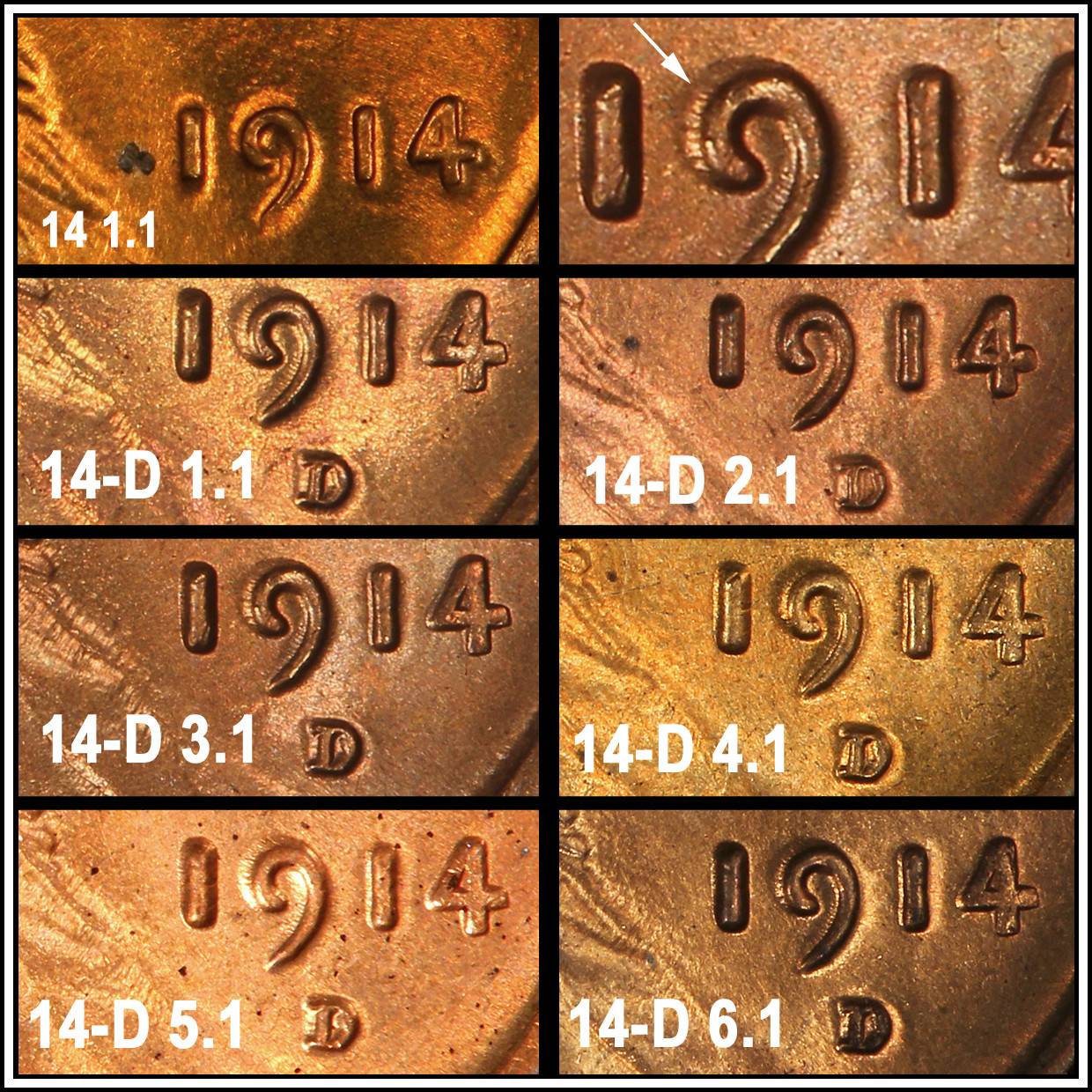
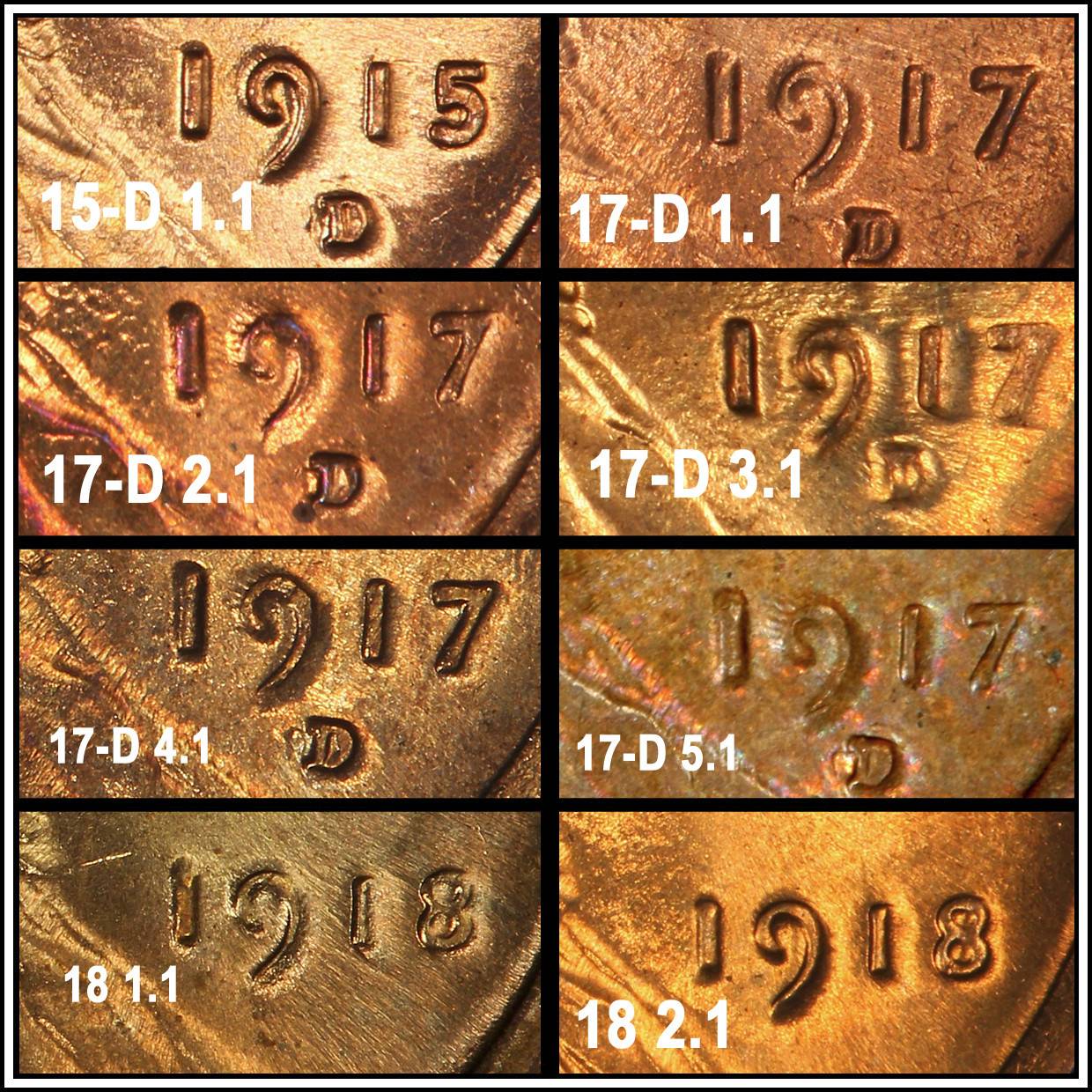
coop, that's awesome! The photos are great and show the progression well. I've always thought that the early Denver cents and nickels reflected that mint's inexperience with striking subsidiary coins (and resultant tinkering with the amount of force needed for the harder metals), but seeing the same deterioration on Philadelphia cents definitely points to design issues. Very helpful info, and educational as always. Thanks! |
|
Bedrock of the Community
United States
62064 Posts |
Most of the doubled dies that we are finding are form the Philadelphia mint. I feel there is an issue with the hubbing process creating so many more die varieties. Just a few from Denver. Its like that machine is worn out and need to be replaced. If they did that, the doubled dies would probably be reduced most of the time. When I made the thread on the shield cents from Wexler's site, the number of doubled dies for the cents were almost all from the Philadelphia mint. For all the images I used, only one was from Denver.
|
| |
Replies: 7 / Views: 1,317 |
|










 Posted 04/02/2018 7:12 pm