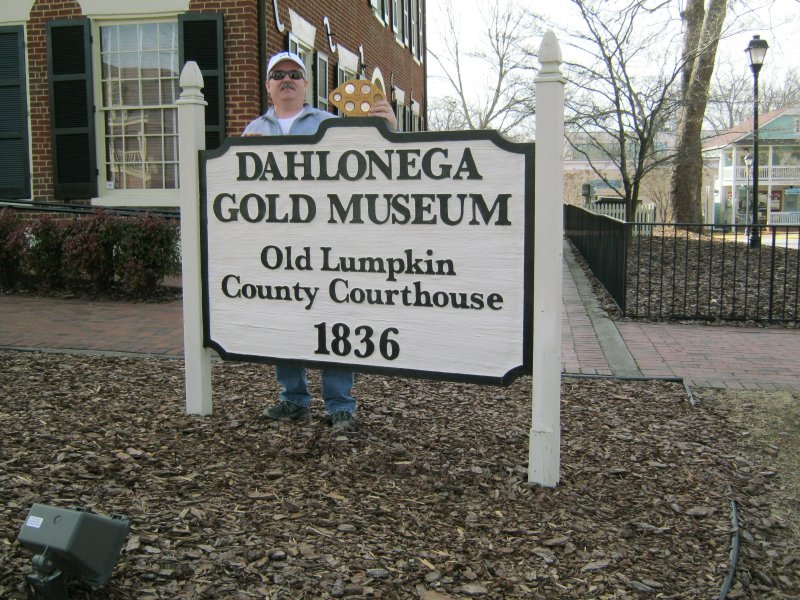
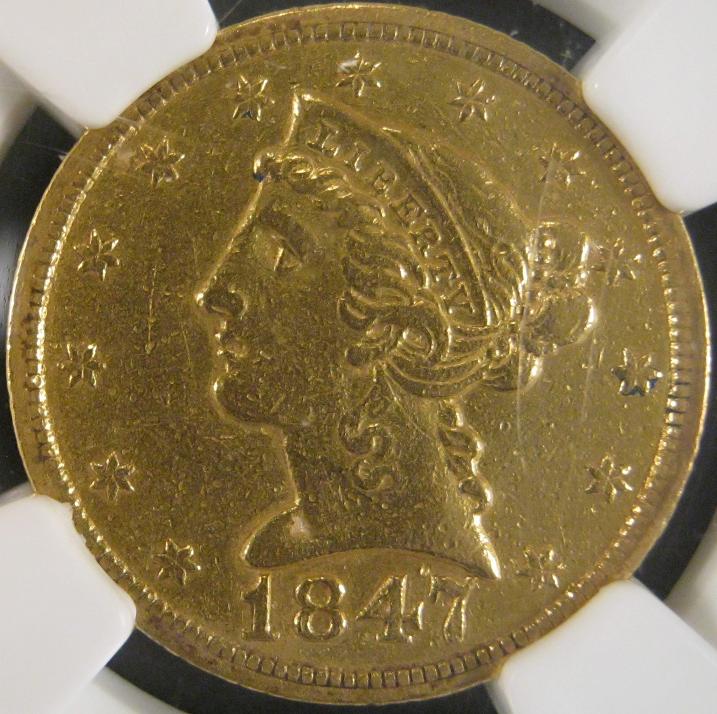
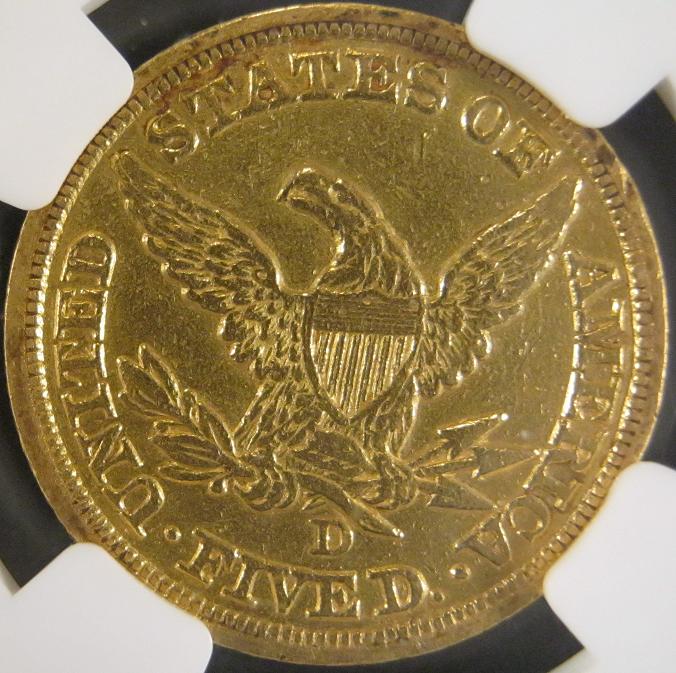
Numismatic News - If present-day collectors see a coin with the mintmark D, they automatically assume that it was struck at Denver. This was not always true, because before 1862, this mintmark meant something quite different. Dahlonega, in northern Georgia, began striking gold coins in 1838 and continued to do so until the work was ended by the Civil War. The story of this little-known mint began nearly two centuries ago.
Gold was first discovered in the Dahlonega region in the late 1820s. In the fall of 1830, a Georgia gunsmith named Templeton Reid established a private mint and started to coin gold pieces in three denominations, $2.50, $5, and $10. He was soon out of business, however, because his assays were unreliable, and newspaper attacks made certain that everyone knew of this problem.
Although Reid's mint and coinage were soon a dim memory, the idea of a federal mint in the gold region was not; at the same time, there was agitation at Charlotte, North Carolina, for a similar institution. Powerful political forces soon backed the Southern boosters, and in March 1835, President Andrew Jackson signed into law a bill establishing not only the Dahlonega and Charlotte mints but also one at New Orleans.
Disclaimer: While a tremendous amount of effort goes into ensuring the accuracy of the information contained in this site, Coin Community assumes no liability for errors. Copyright 2005 - 2026 Coin Community Family- all rights reserved worldwide. Use of any images or content on this website without prior written permission of Coin Community or the original lender is strictly prohibited. Contact Us | Advertise Here | Privacy Policy / Terms of Use






 Posted 06/22/2018 4:47 pm