Die wear. How to identify it?
This subject is always on my mind when I look at coins. I get excited with I find earlier die state coins. Not so interested in sharing much on die event coins.
What is a die event coin? 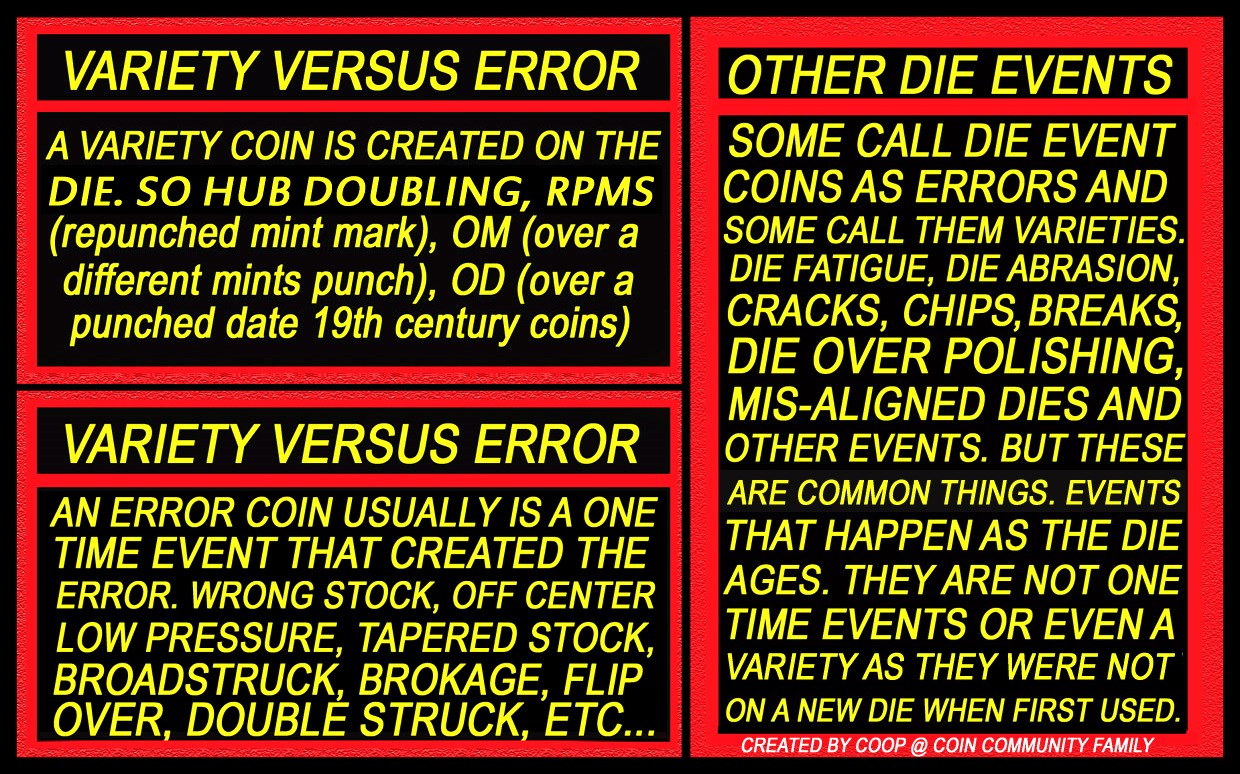
It is the ones that I view as common worn out die stuff, that gets a lot of other people get excited about. Die aging stuff that happens on worn out dies. But dies do start out making very nice coins. But the die cracks, die chips, die breaks,
Cuds and retained cuds are OK, as they are not as common and easy to find. Did you realize that 75% of the coins struck on LDS (Late-Die-State) or VLDS (Very-Late-Die-State) dies. The dies made the best ones on the first 25%, when the dies were fresher, and in an earlier die state. Did you realize that if the dies lasted for one million coins, that only 12,000 of these cents were in the VEDS (Very-Early-Die-State)

Only 40,000 are in the VEDS/EDS range. Sad that only a few coins that are in that nice a die state. But they is all the dies can take. The dies then were very new, and few coins were struck very nice like coins then. What happens to them. People who are in the know, will save them. The grading companies do not care about die state, but someday, they may?
These are the ones that someone asks a question about: "Is this a doubled die?" and they look do so much better. They see that there is something different about these coins and thinks it is doubling, as they look so fresh. How can you see an earlier die state coin?
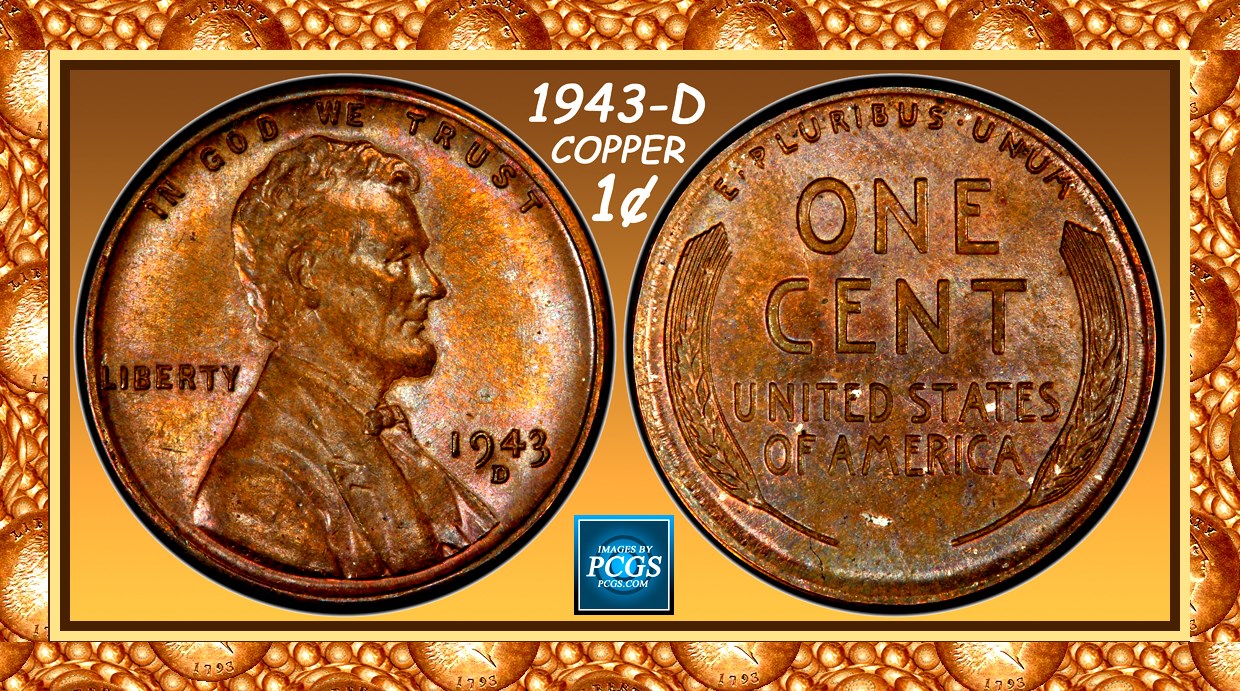
Keep in mind the years where fresh dies struck the earliest coins. 1943 is one year for the cents. The dies were fresh on the machine and they started striking coins. But the copper planchets were still in the loader. So if you find images of one of these coins, then you will see what an earlier die state looks like:
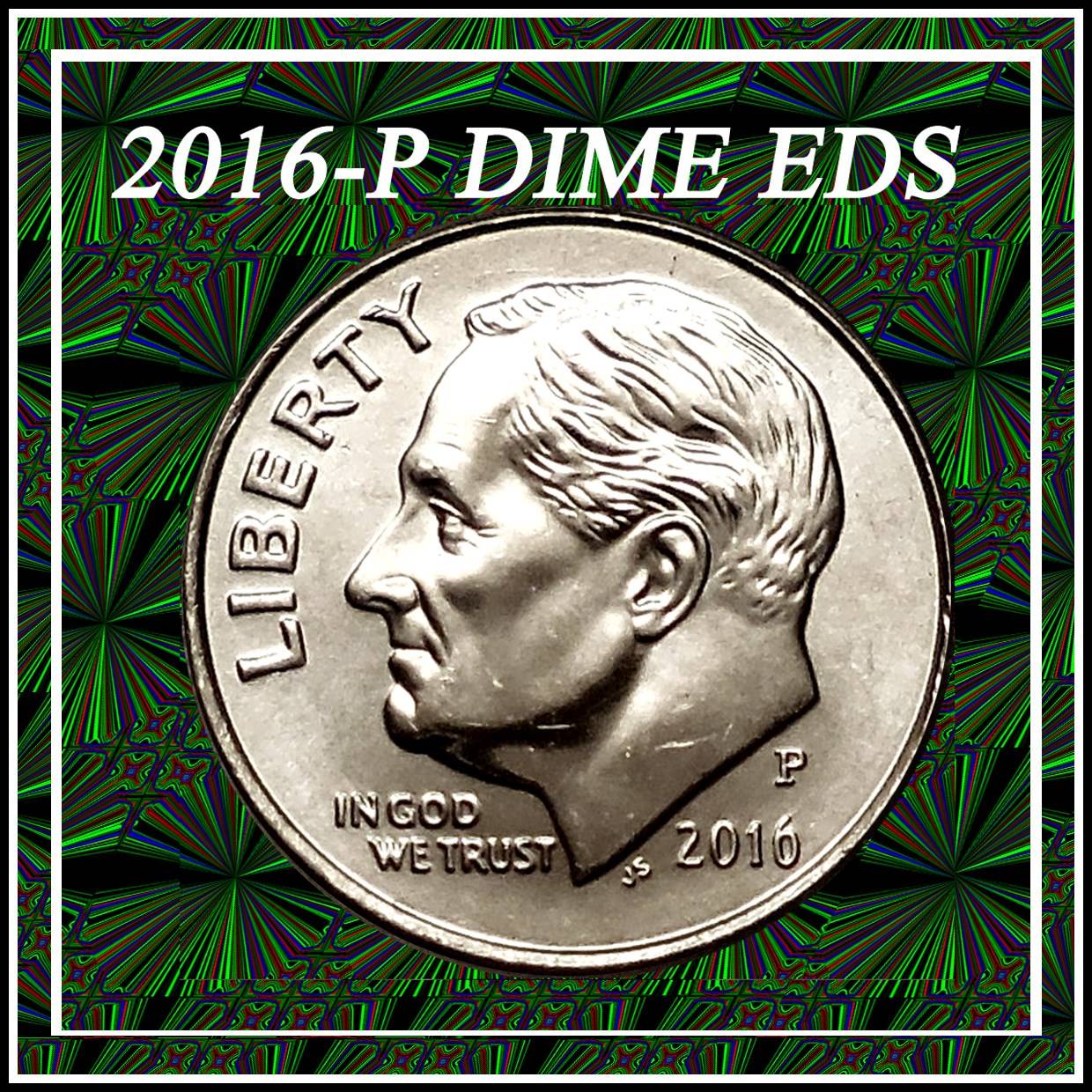
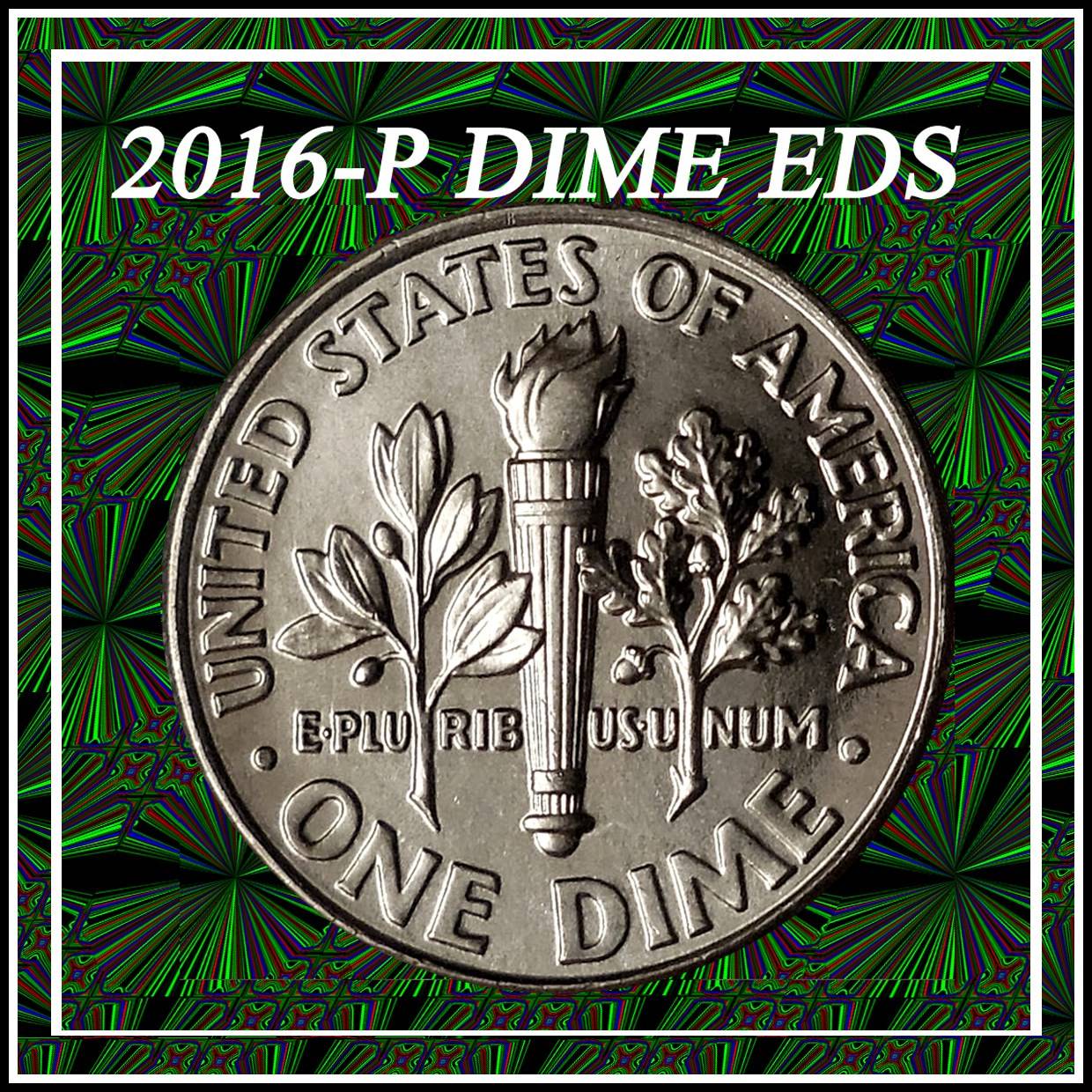
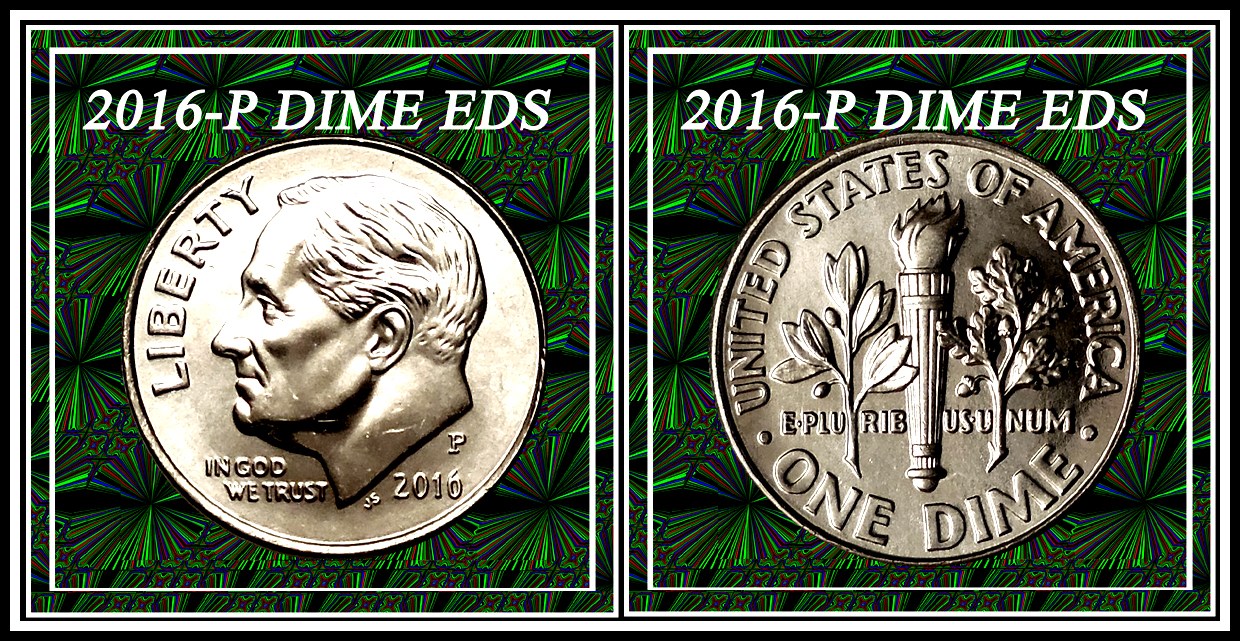
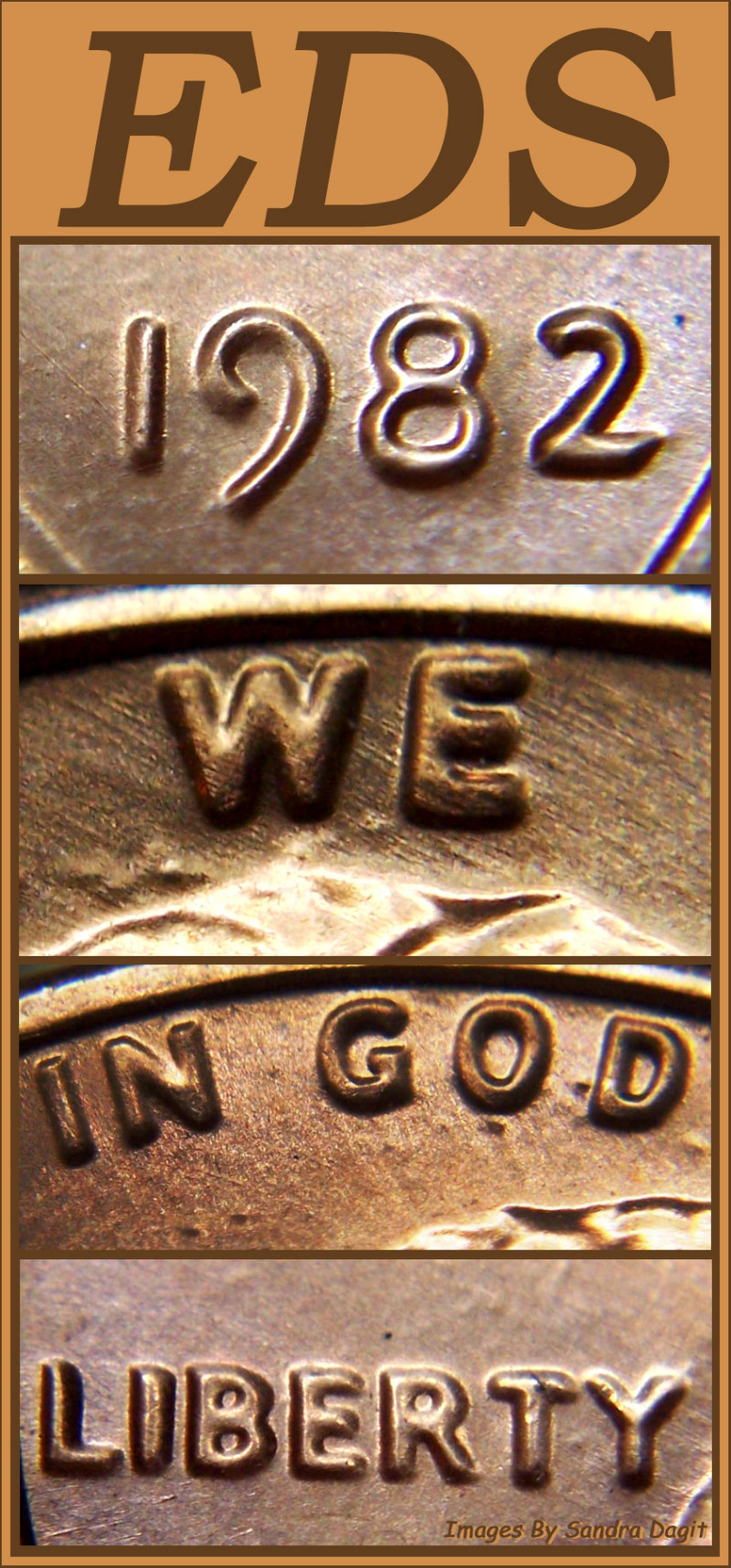
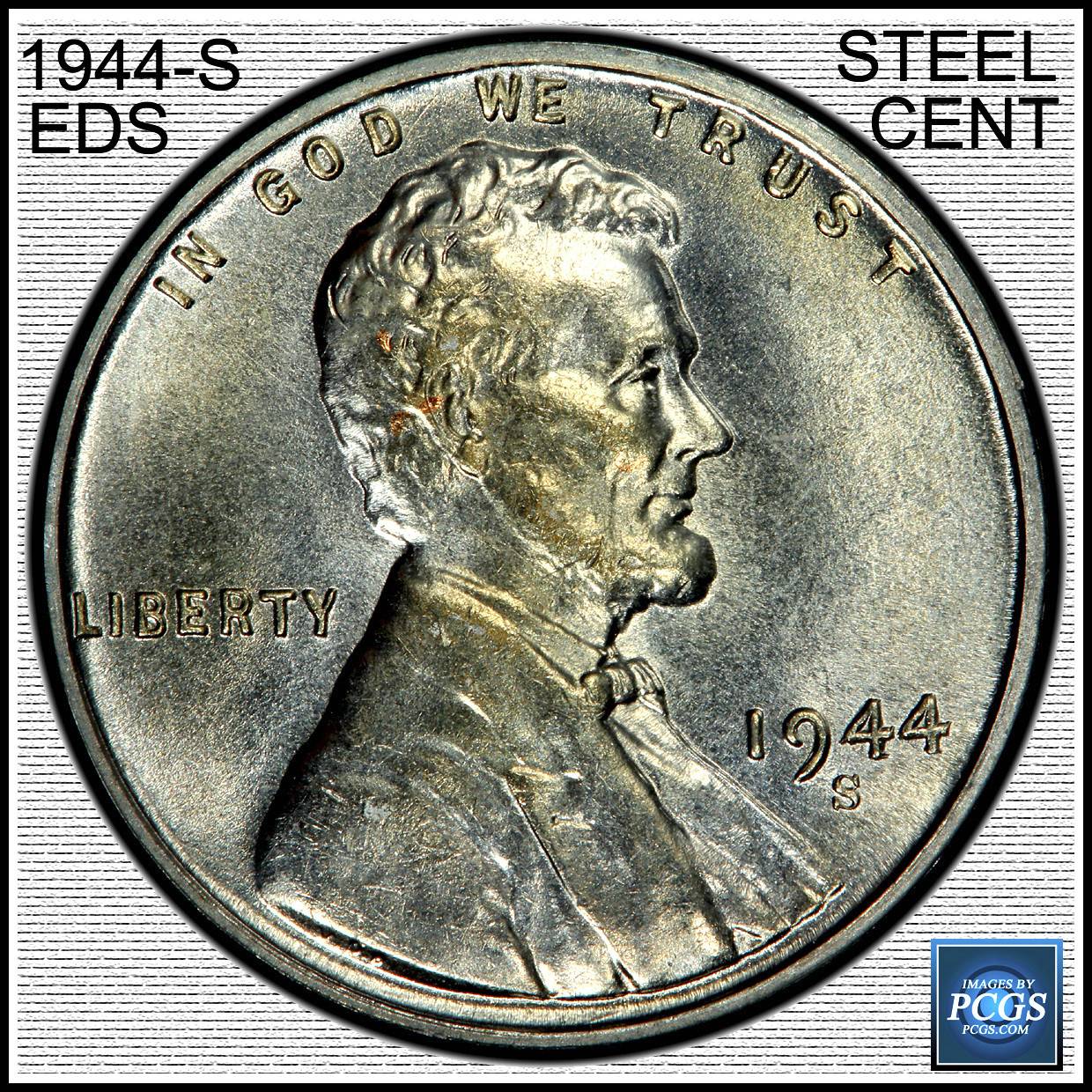
For some reason the 1944-D and plain cent dies were not showing the EDS coins on the 1944 steel cents. But only the San Francisco ones does. (Probably the dies were used later to make up a few from those mints. So much for the forget to remove the loaded coins)
1944-S Steel cent EDS:
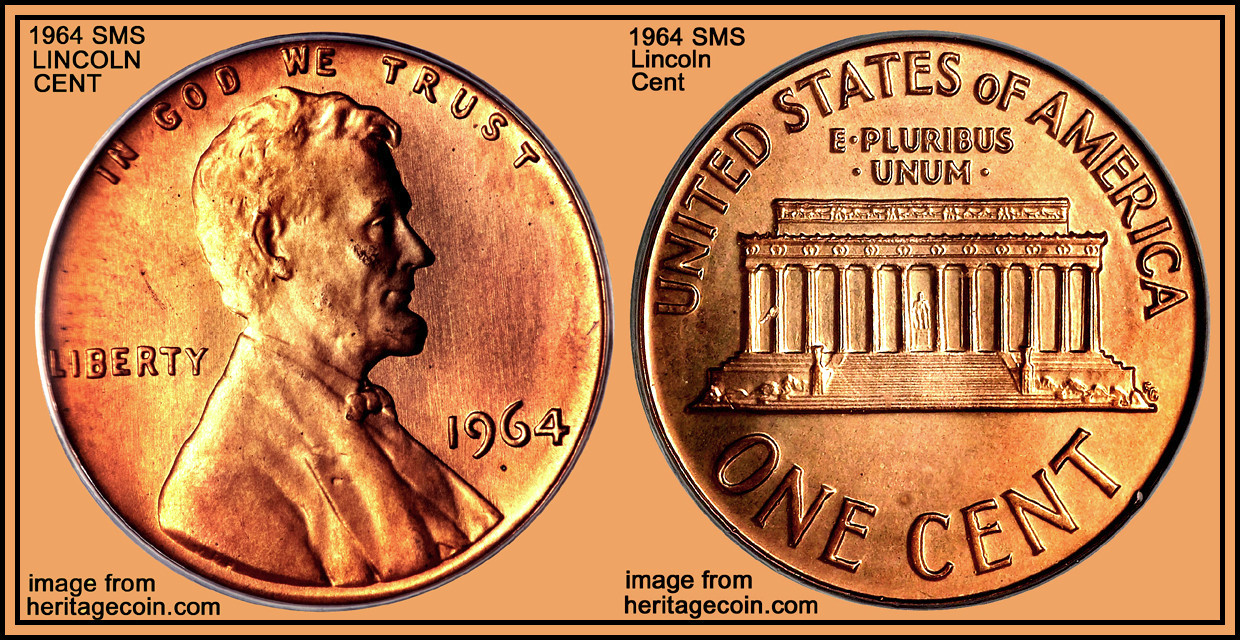
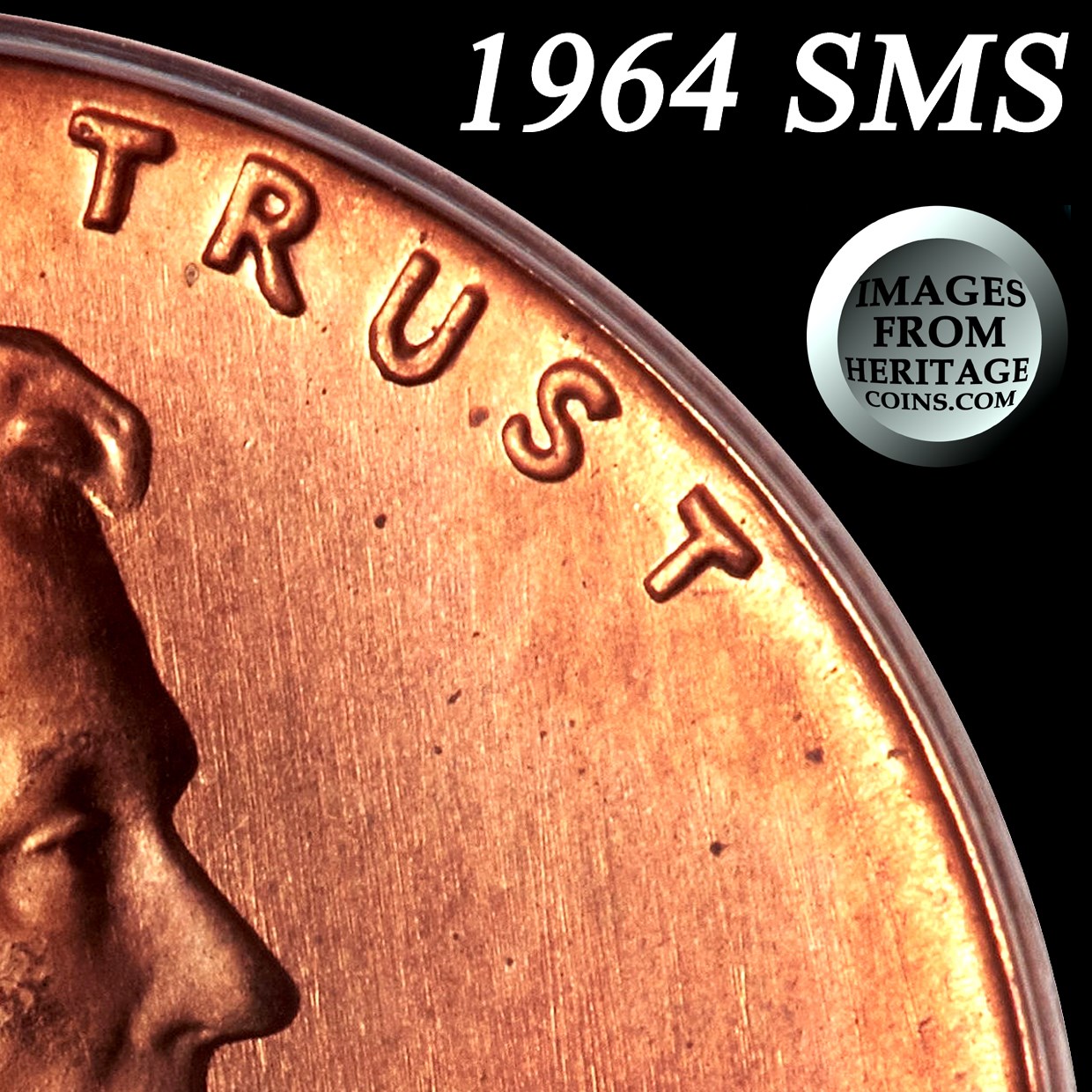
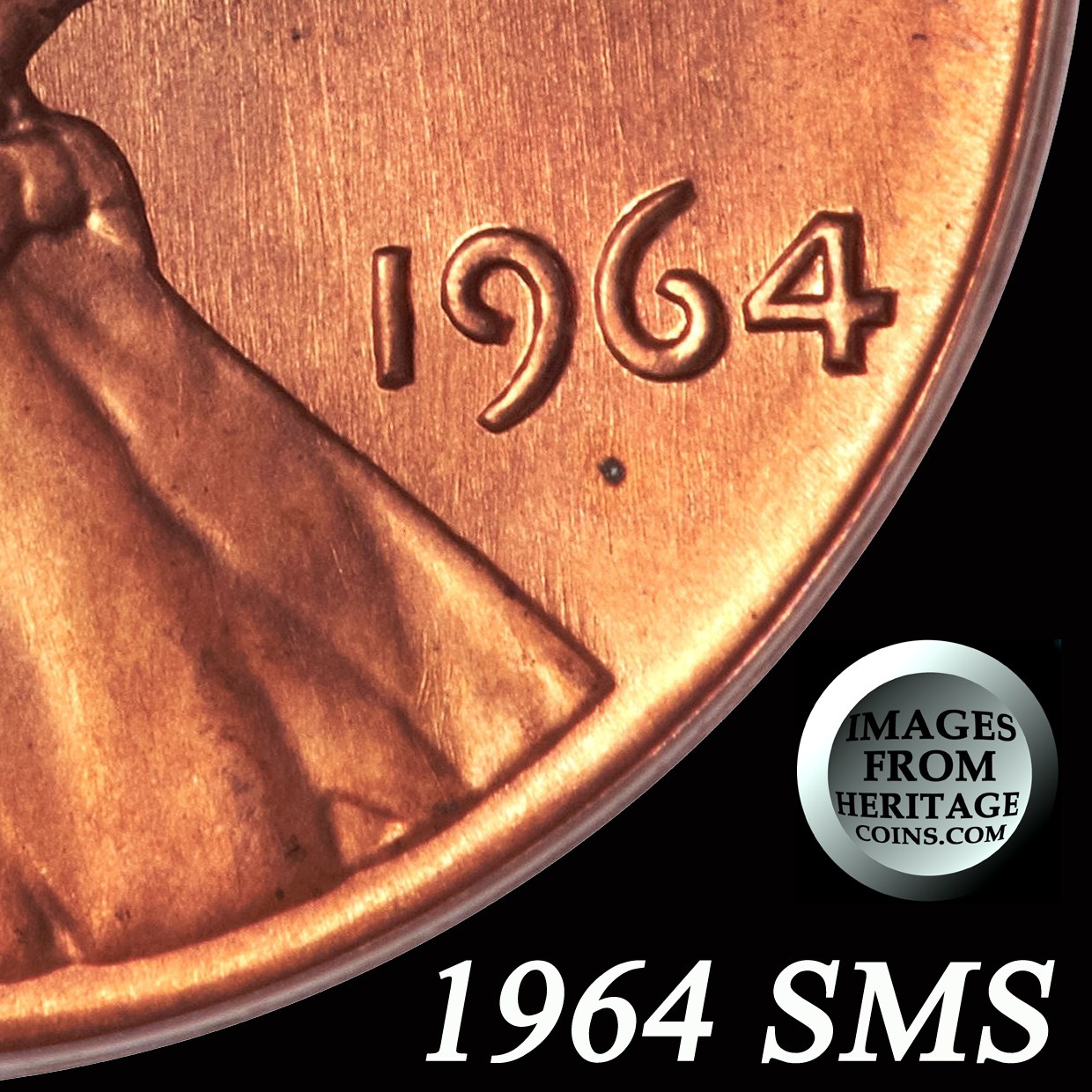
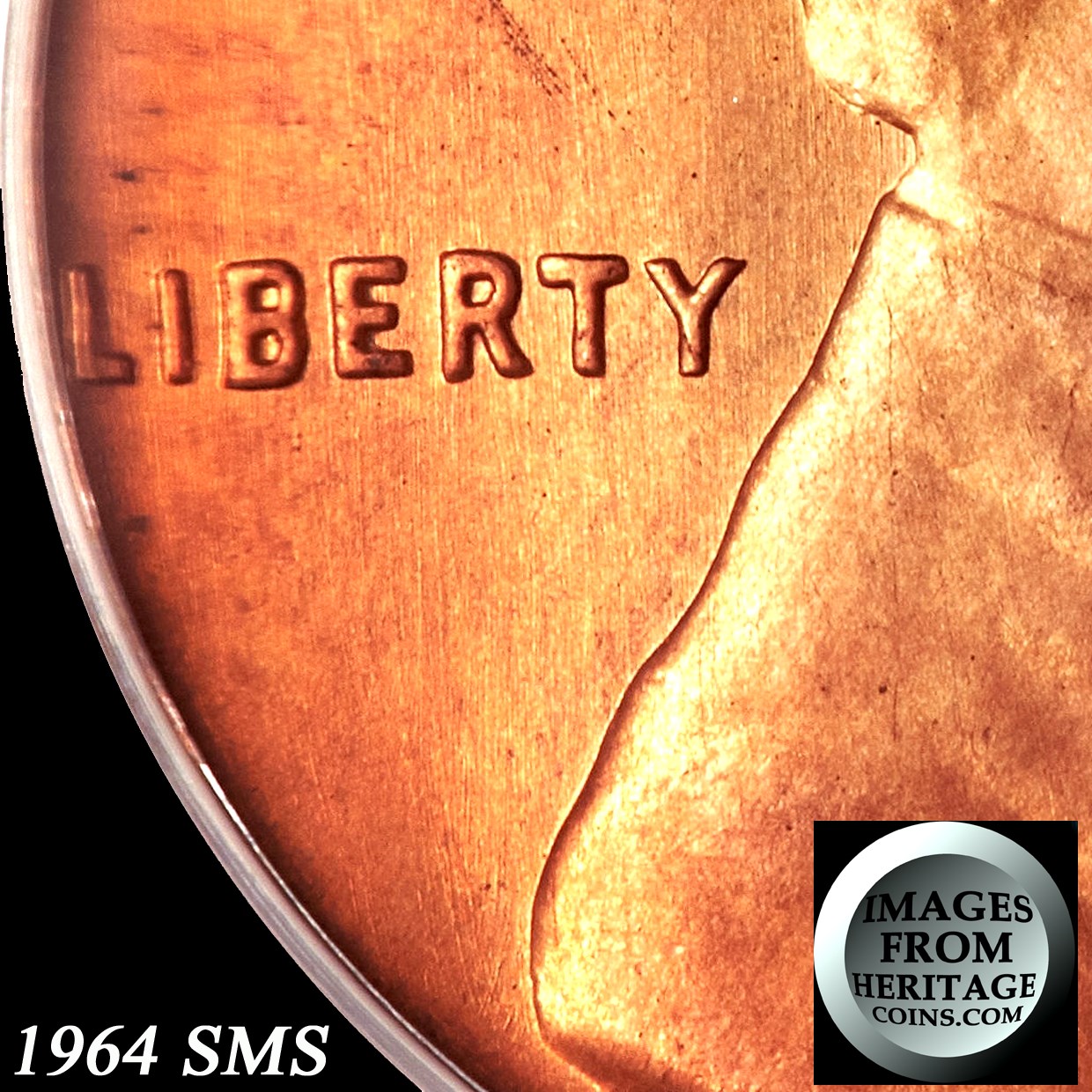
Another example is the 1964 SMS coins. The test coins that were struck, probably have less than 100 coins struck per die. So if you can find images of them, they are in the EDS (Early-Die-States) dies also.
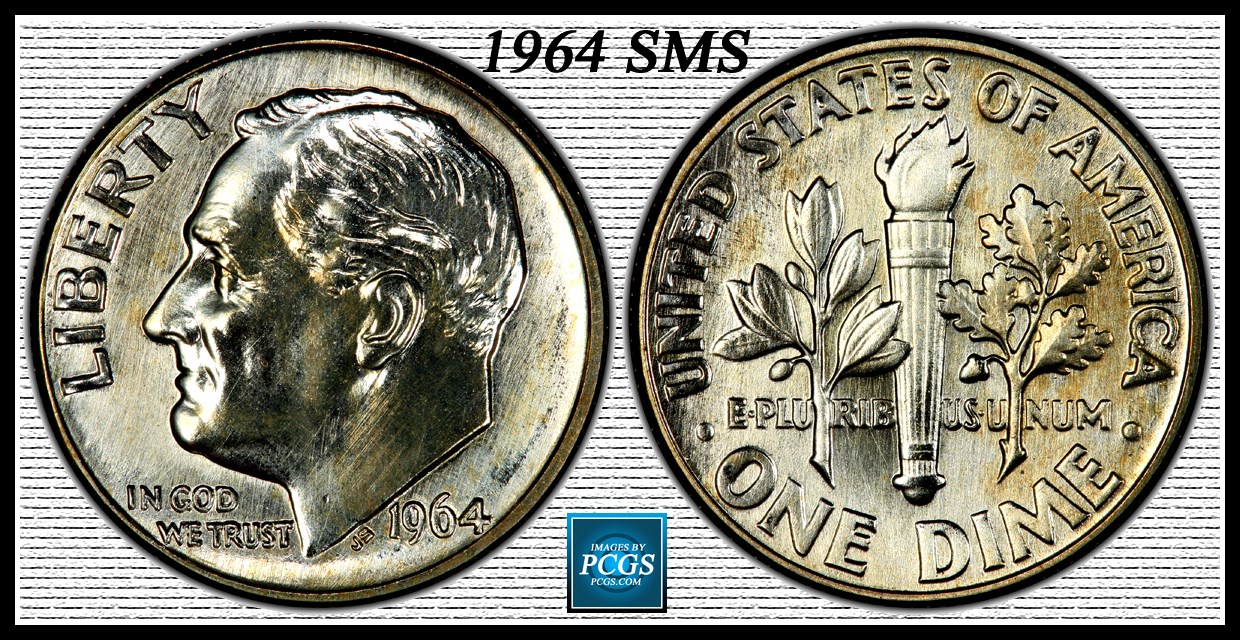
Note on close ups the beauty in a fresh die:
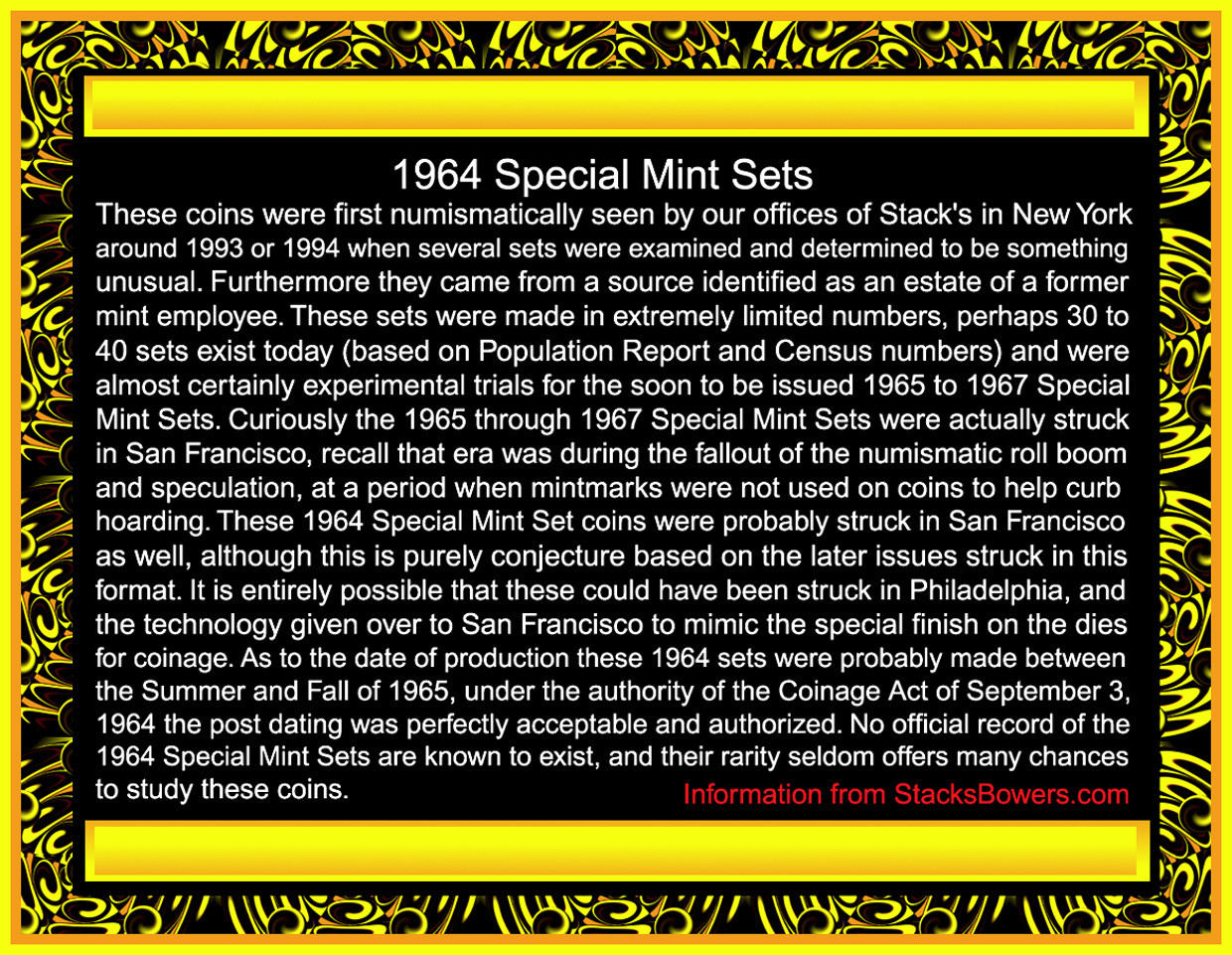
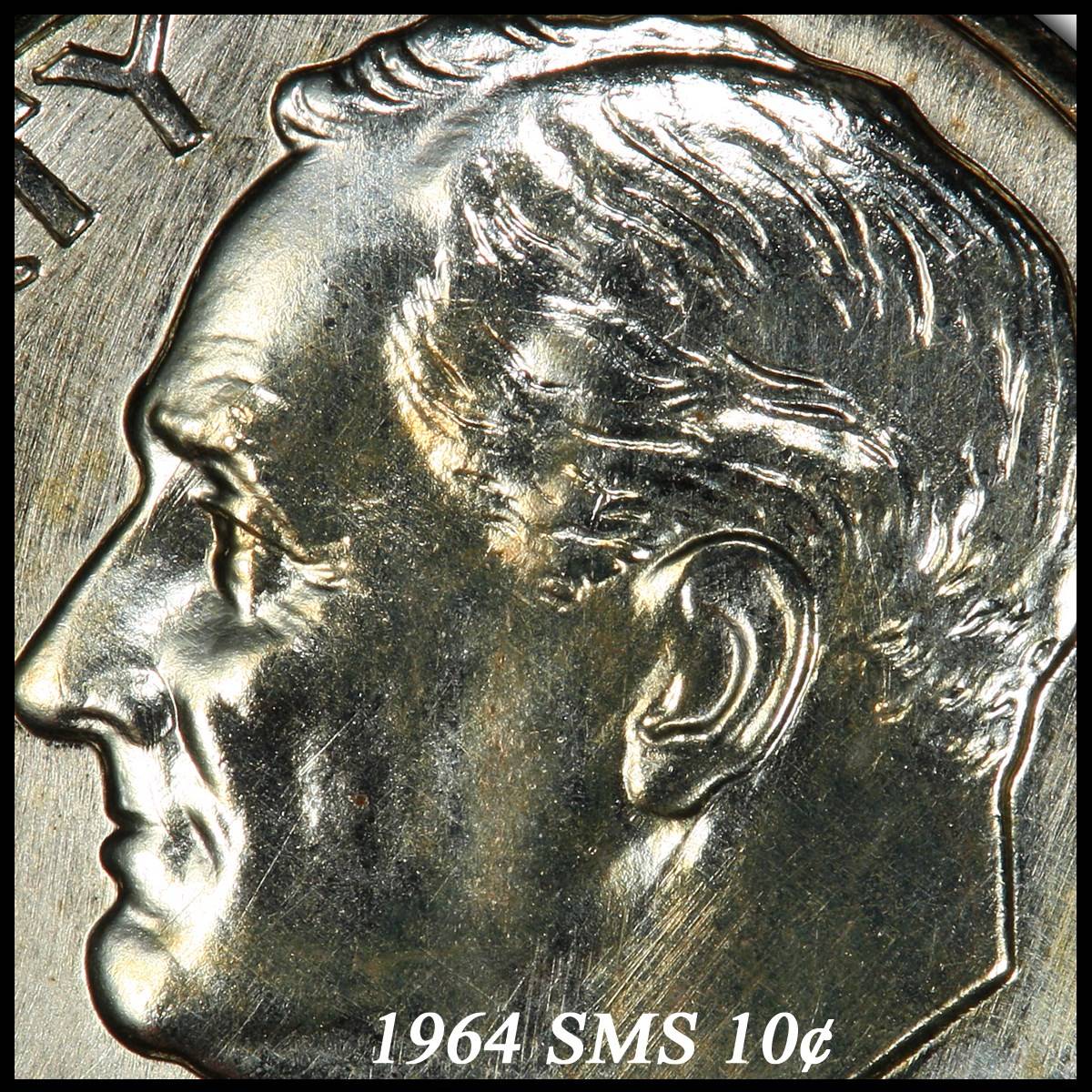

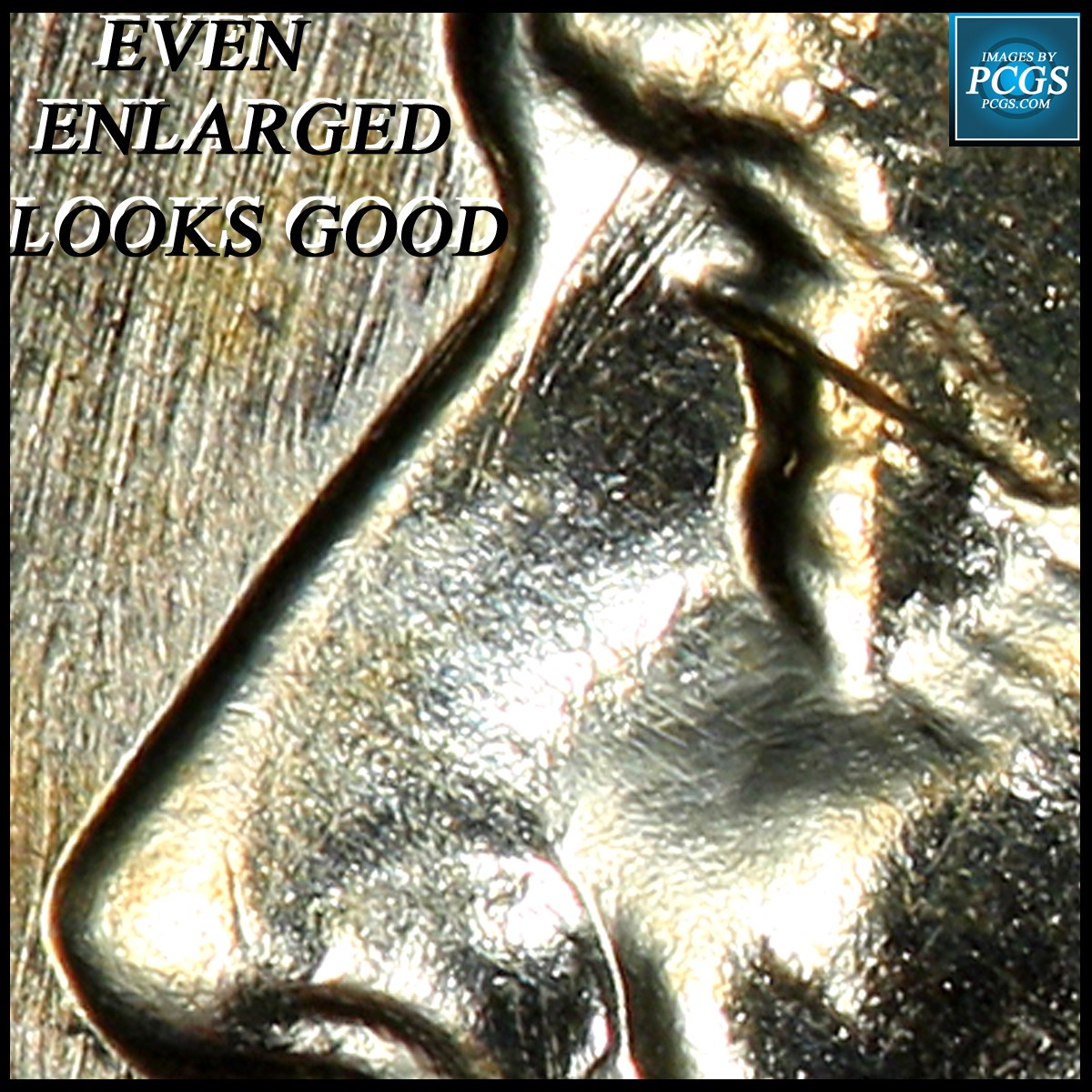
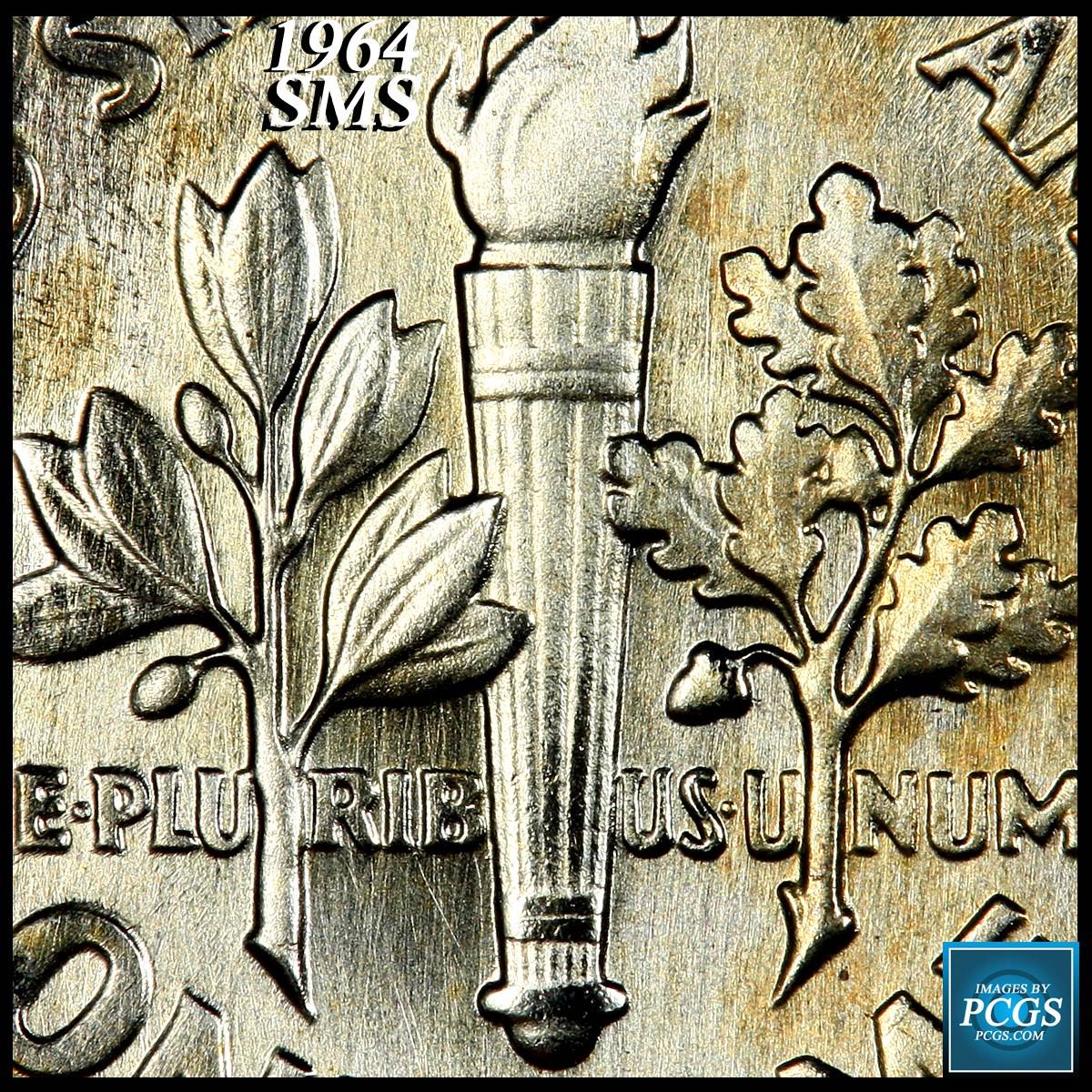
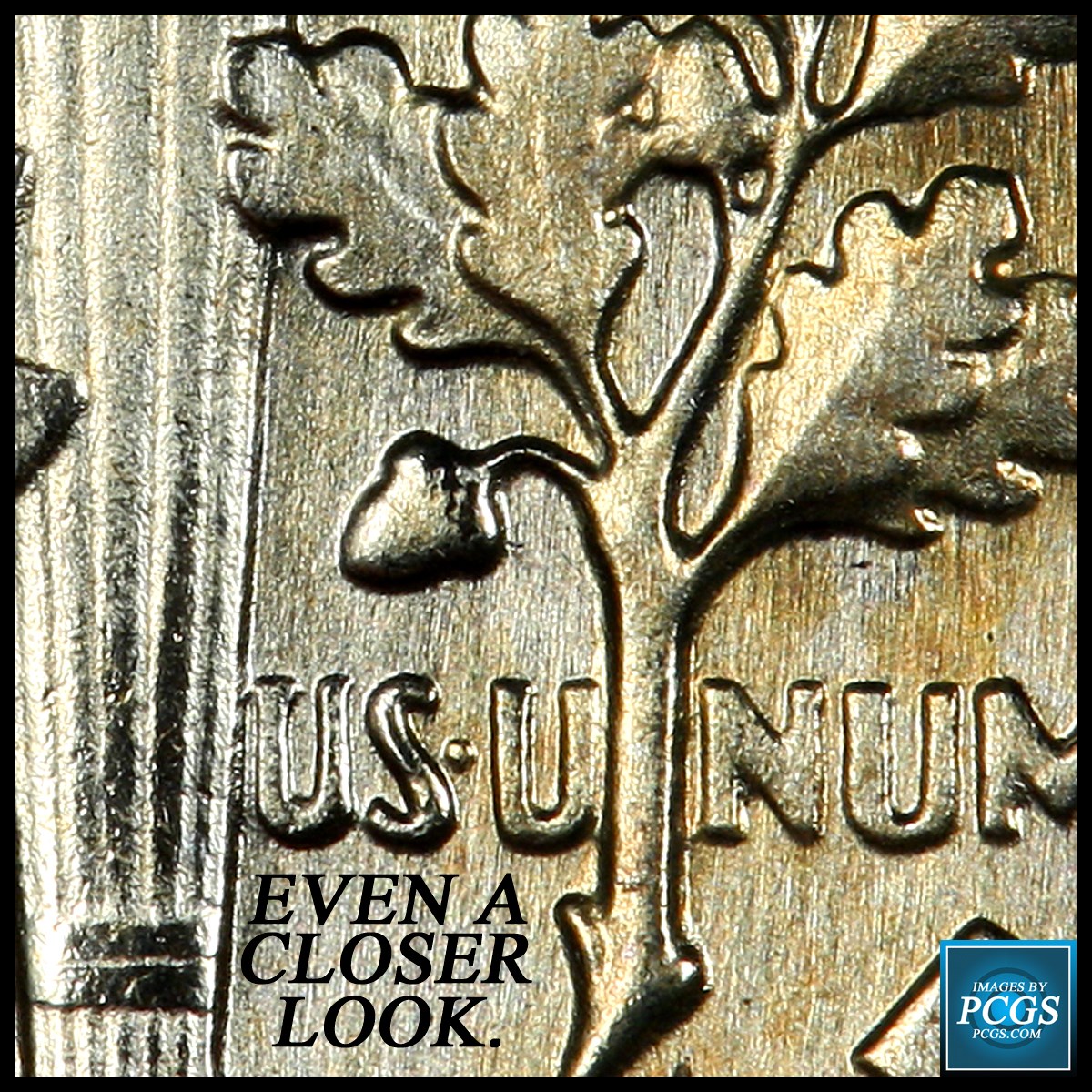
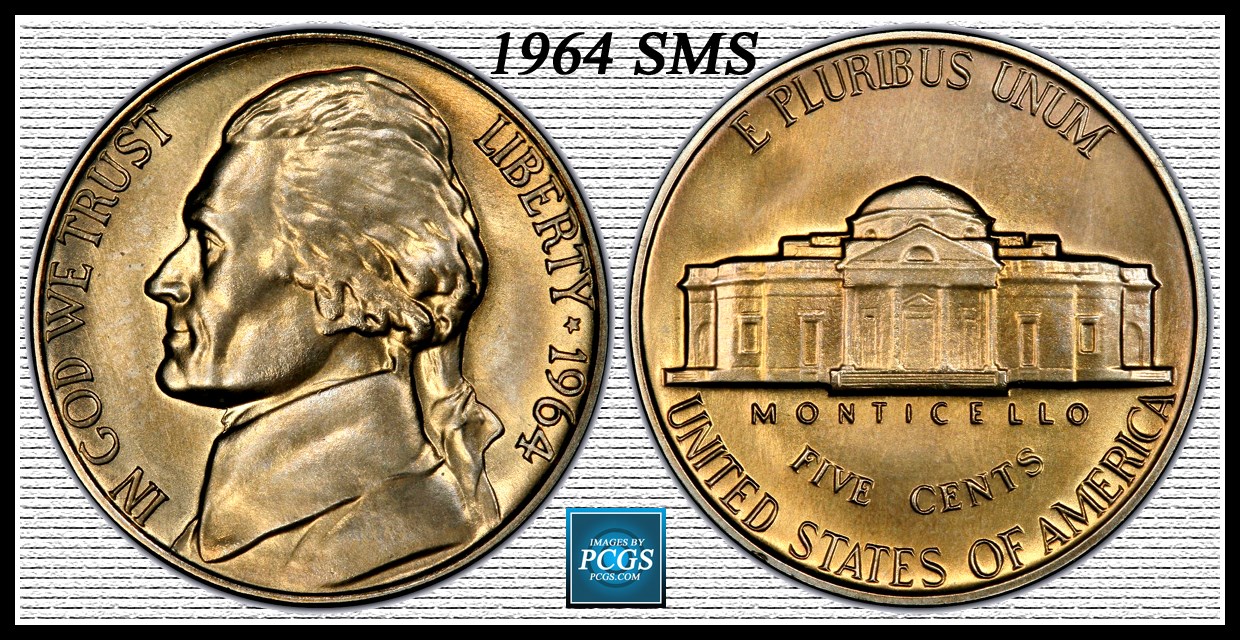
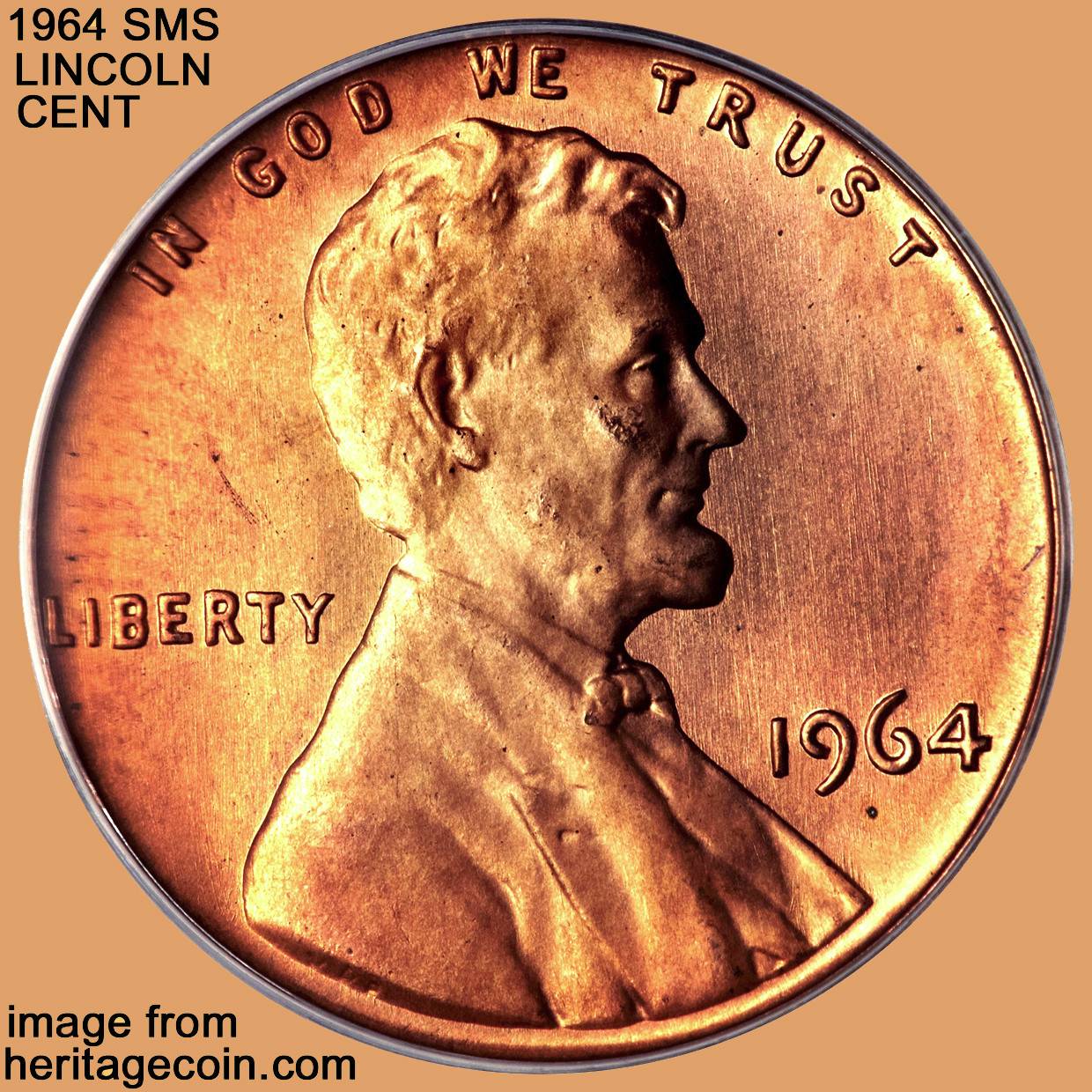
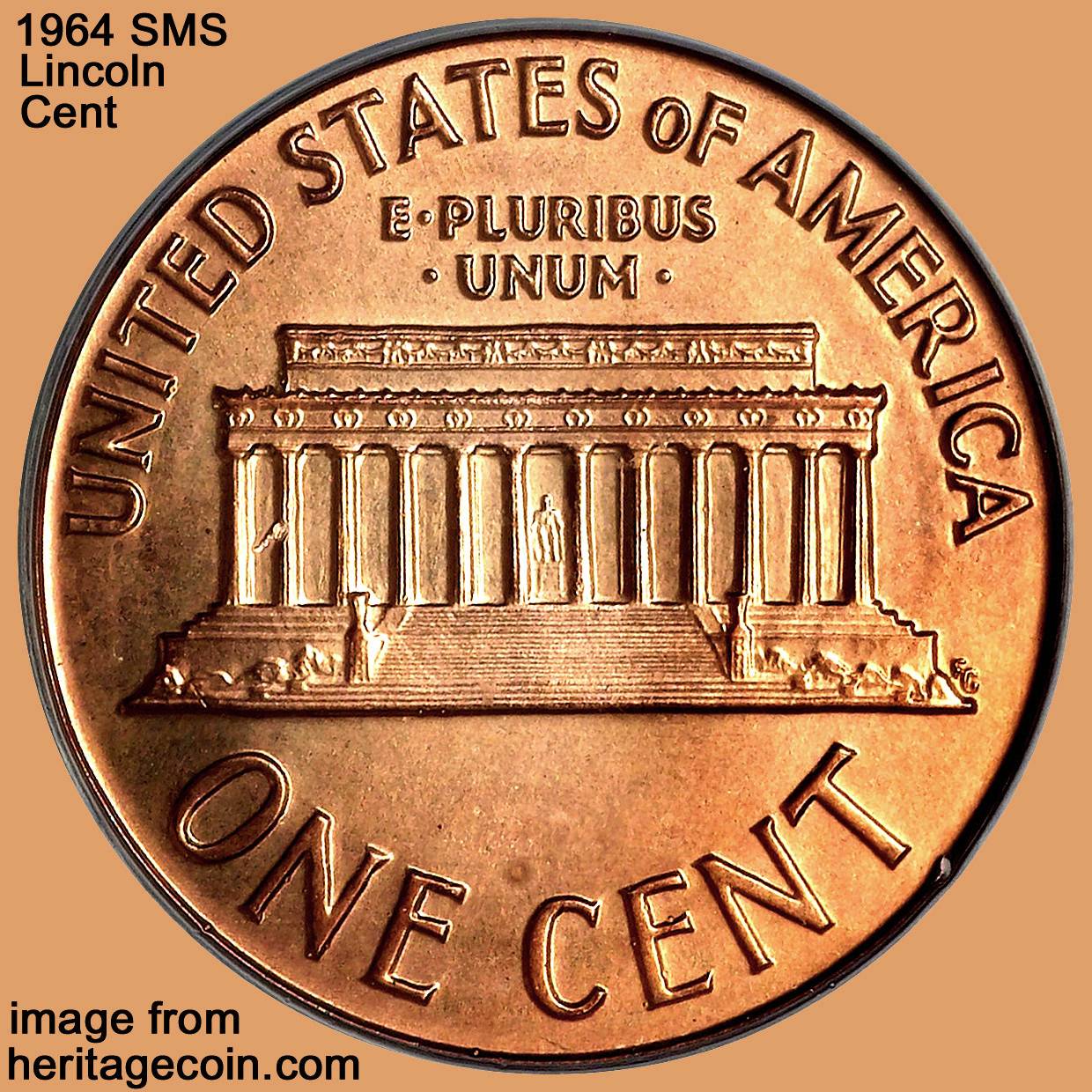
They smile for the camera even close up:
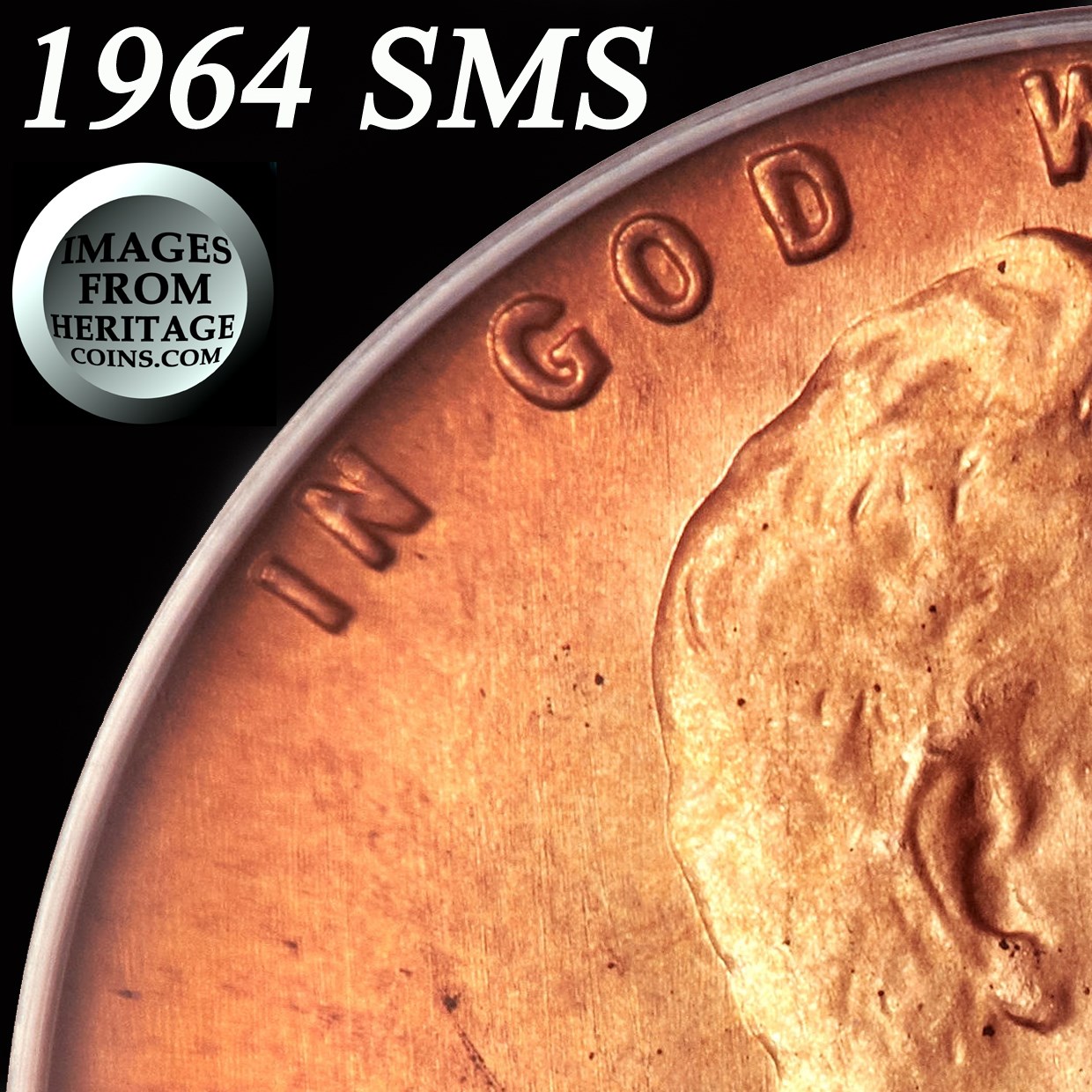
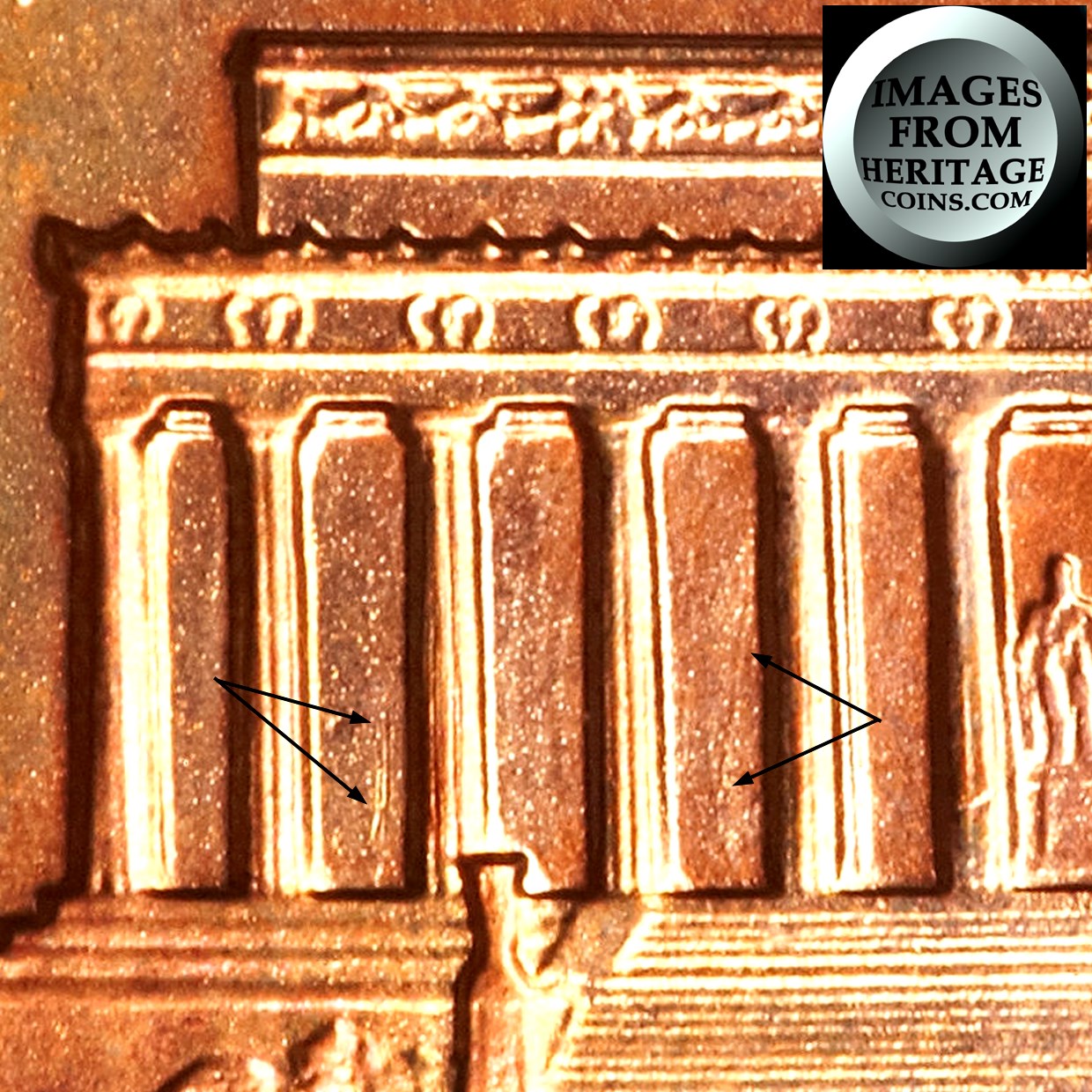
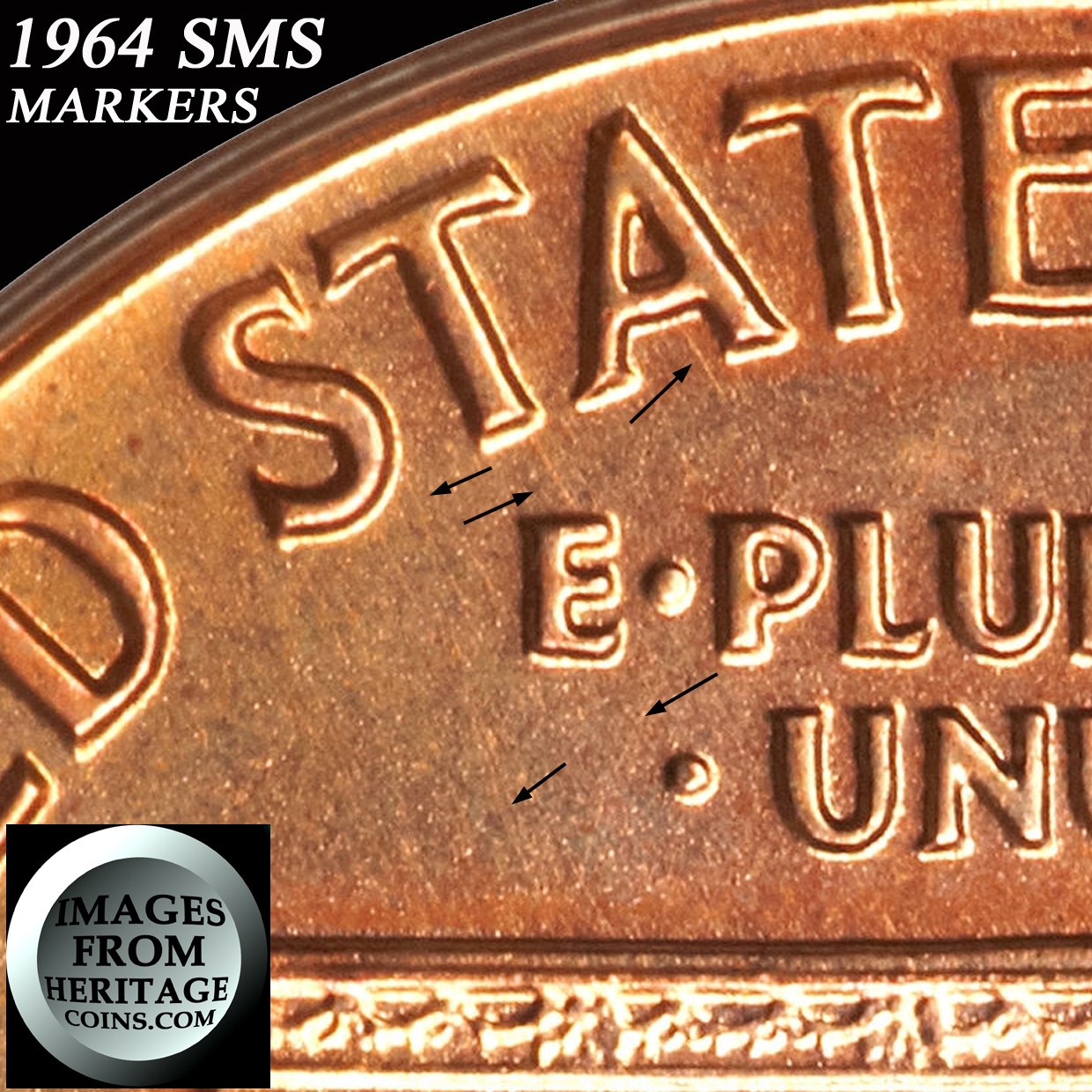
But back to the point of how I'm going to adjust the way you look at coins. You will probably never view them as you did before. The reason is this, they are in the high a percentage of the coins, (75%) that are, later die states. The dies made all the nicest ones already but because of this beating, they go through to create more of the coins demanded of them. The die cracks on the areas around the bust is one cause, because so much of the metal being moved around it breaks the dies leaving these cracks. Then keep working, breaking down more as it ages. The reverse also suffers, because it has similar issues as well, with the reverse design. The Memorial dies also has it share of die cracks as well. Usually the 4 corners crack. (usually one at a time)
But to see how much wear and tear these dies go through, we will see step by step how die wear progresses. I'm mainly using the wheat obverses and reverses to do this. (just my favorite of the three
Lincoln Cent designs. Not counting the 2009 reverses)
But lets start with the reverses. The die wear is gradual. With side by sides, it makes it easier to see this happen step by step. I put many coins into play on these. Also I put a commentary on some of the images to explain what to look for that is happening to the dies. The reverses are 1939:
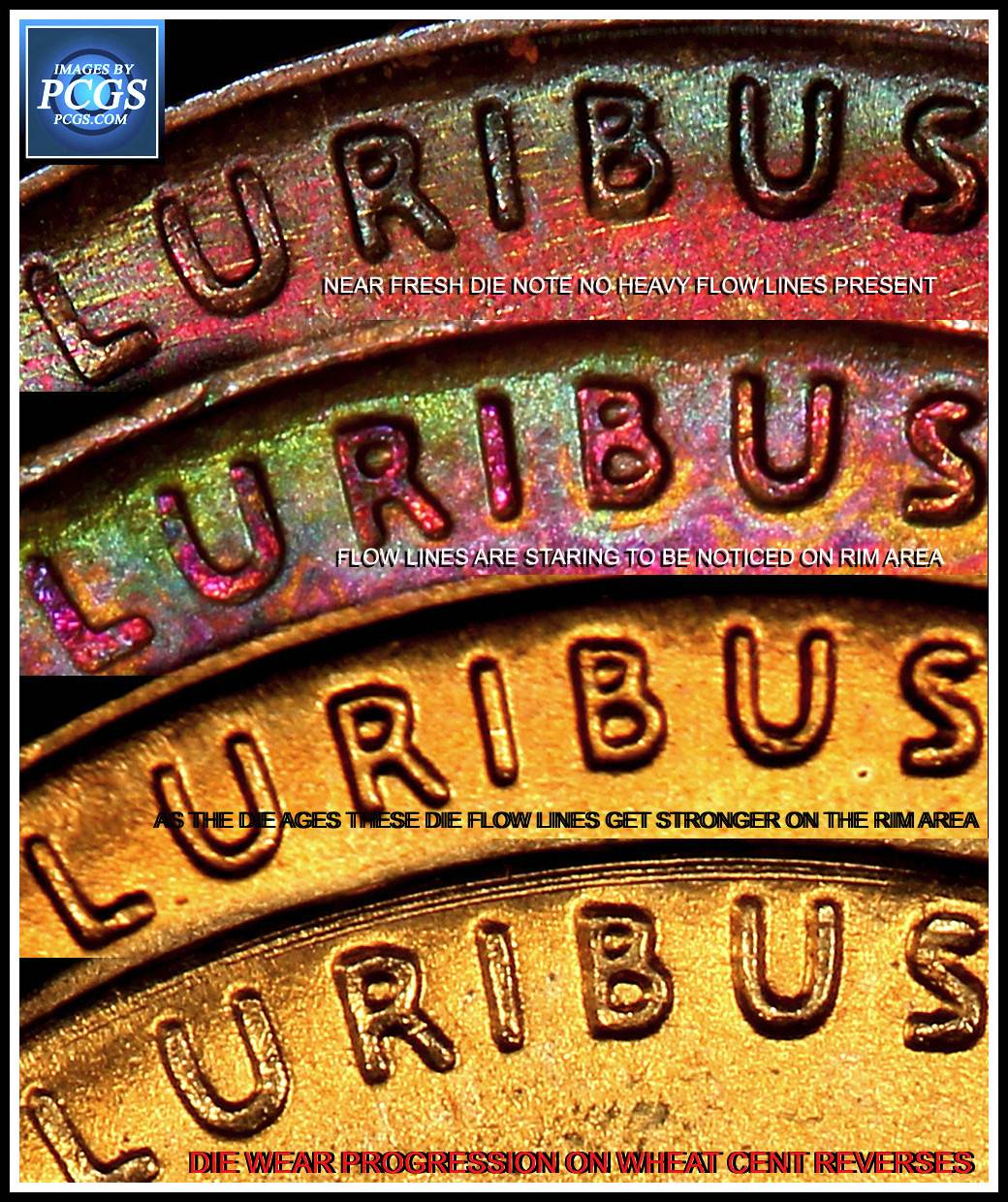
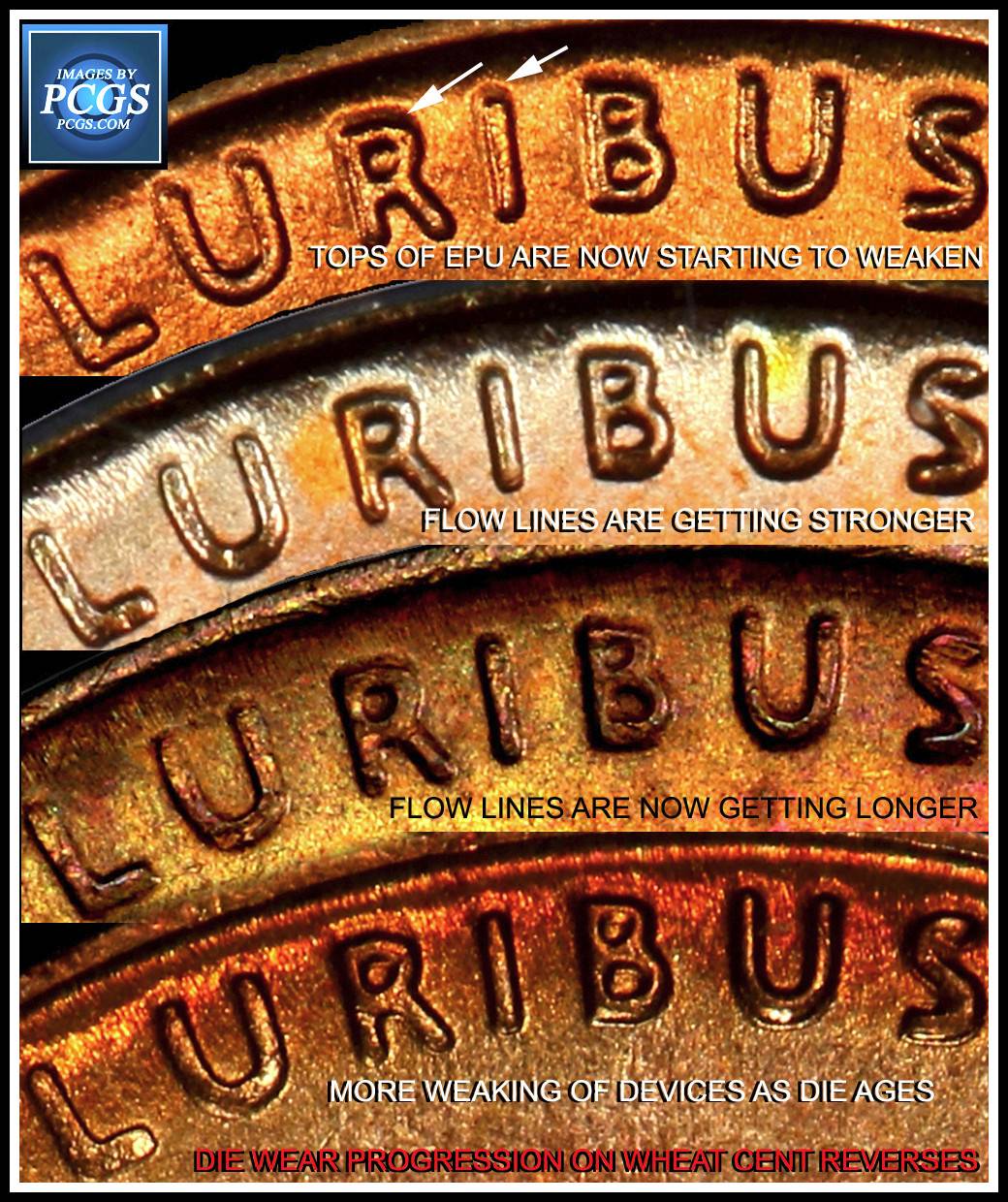
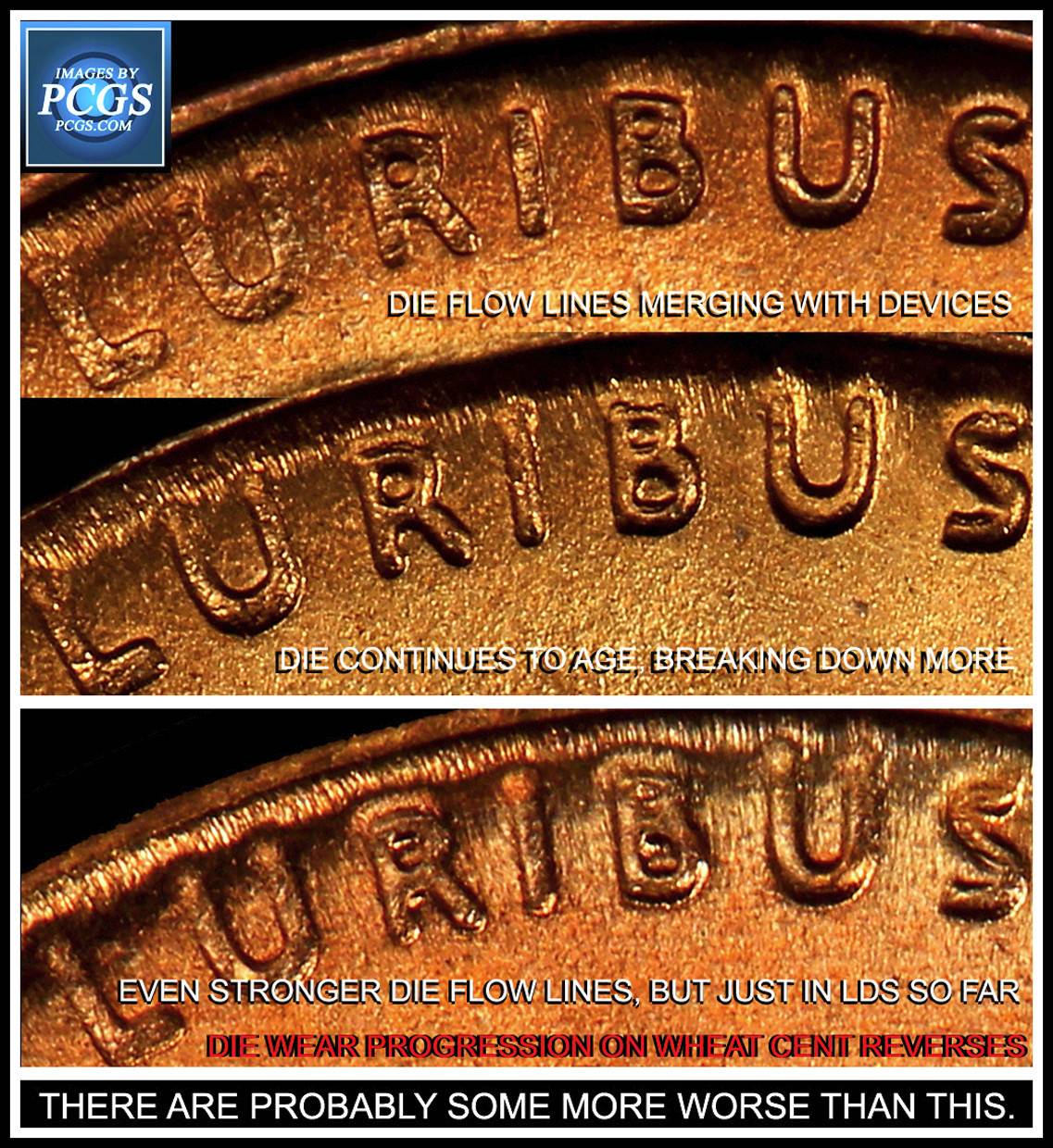
So did you note the progression of the metal wearing down the edges of the dies. How the wear was affecting the EPU area. Believe or not, all the examples of these devices are MS-67 and a bit lower. So when you see these dies are looking real bad shown on the coins struck, when you got to the bottom they even got worse, with continued use.
Now lets look at the obverse. Die wear is also gradual like the reverse, but I used a few EDS dies that were proof coins. They wear down also. They are just used for 6,000 strikes (twice per coin) 3,000 coins total.
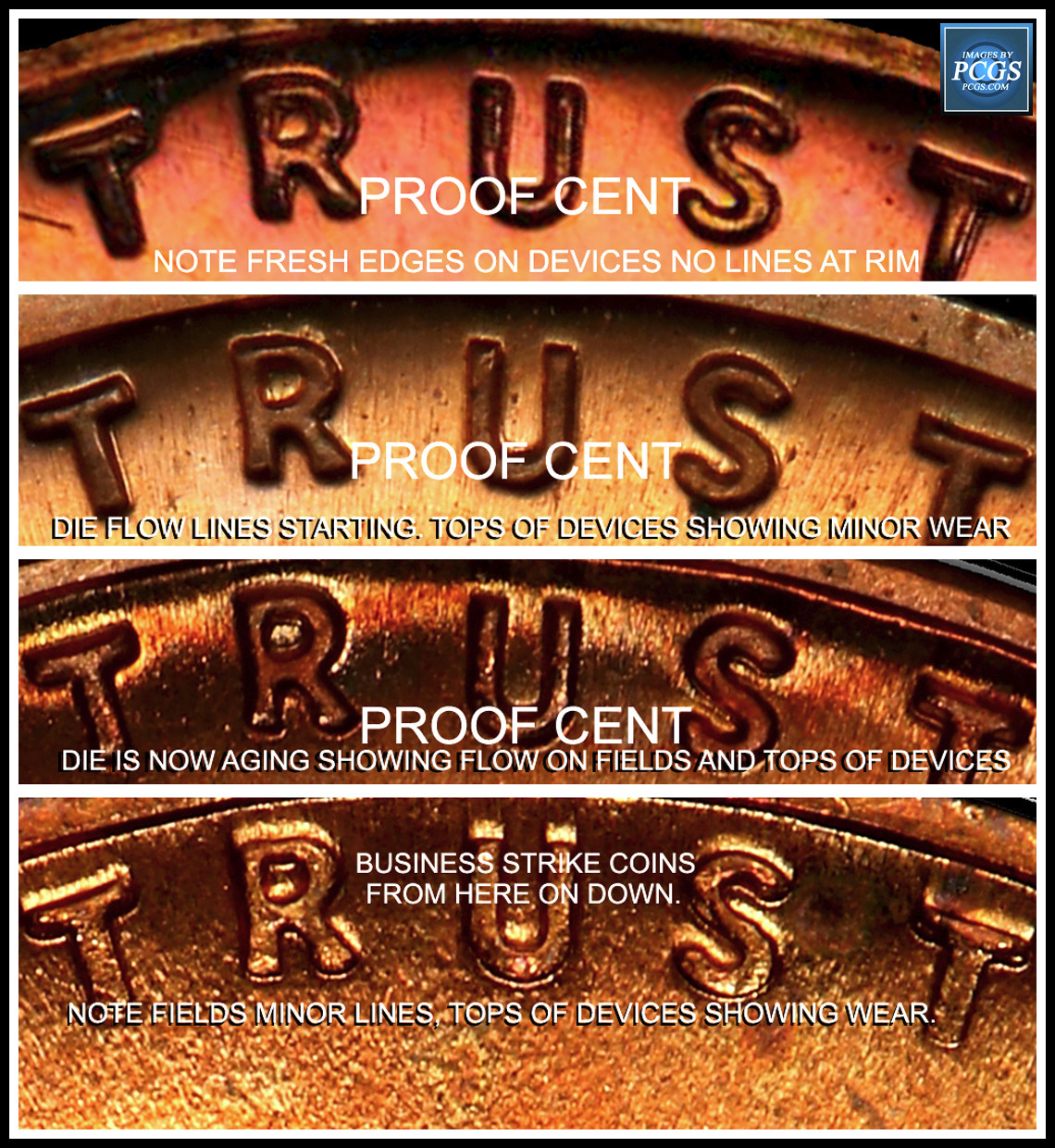
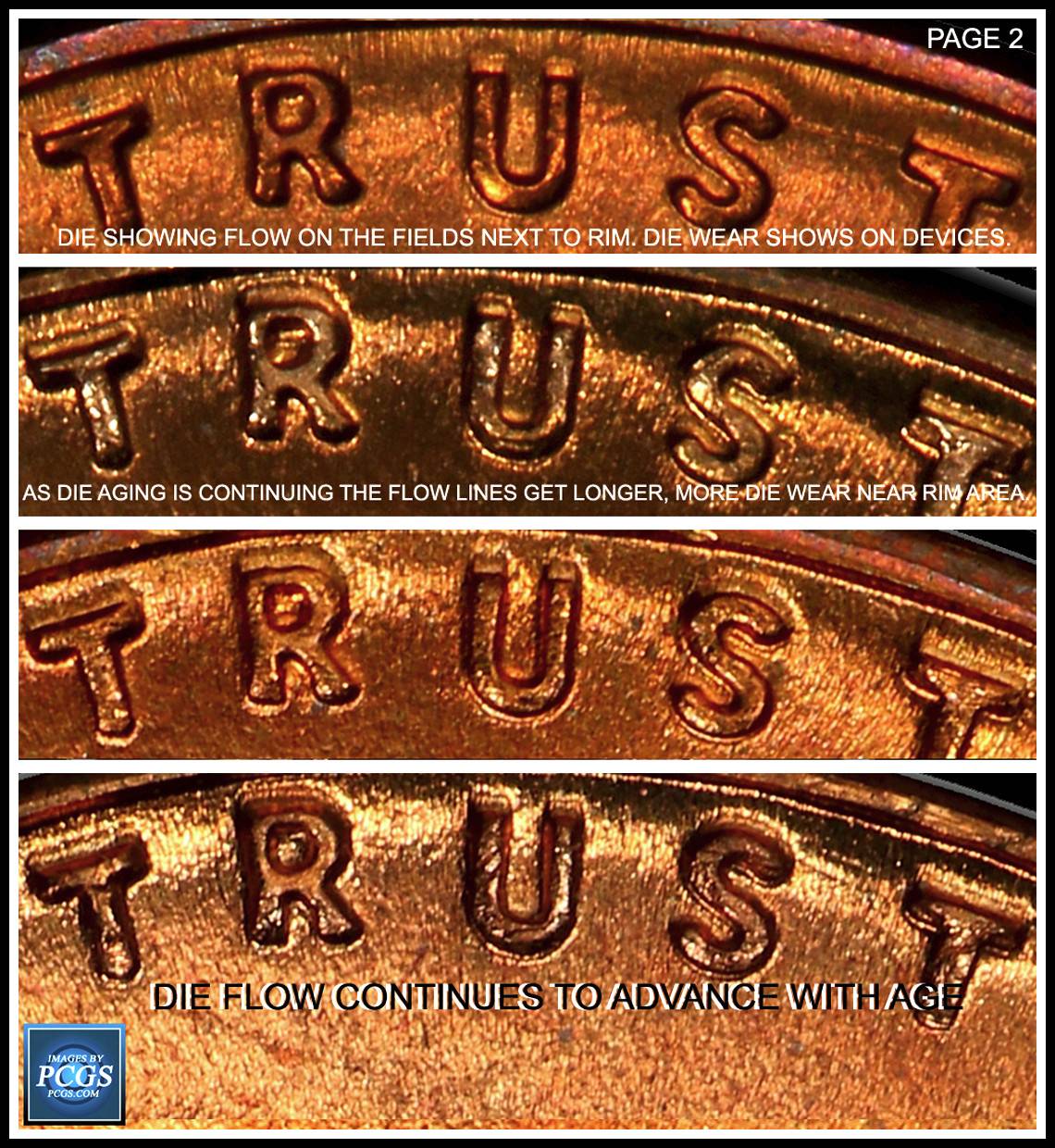
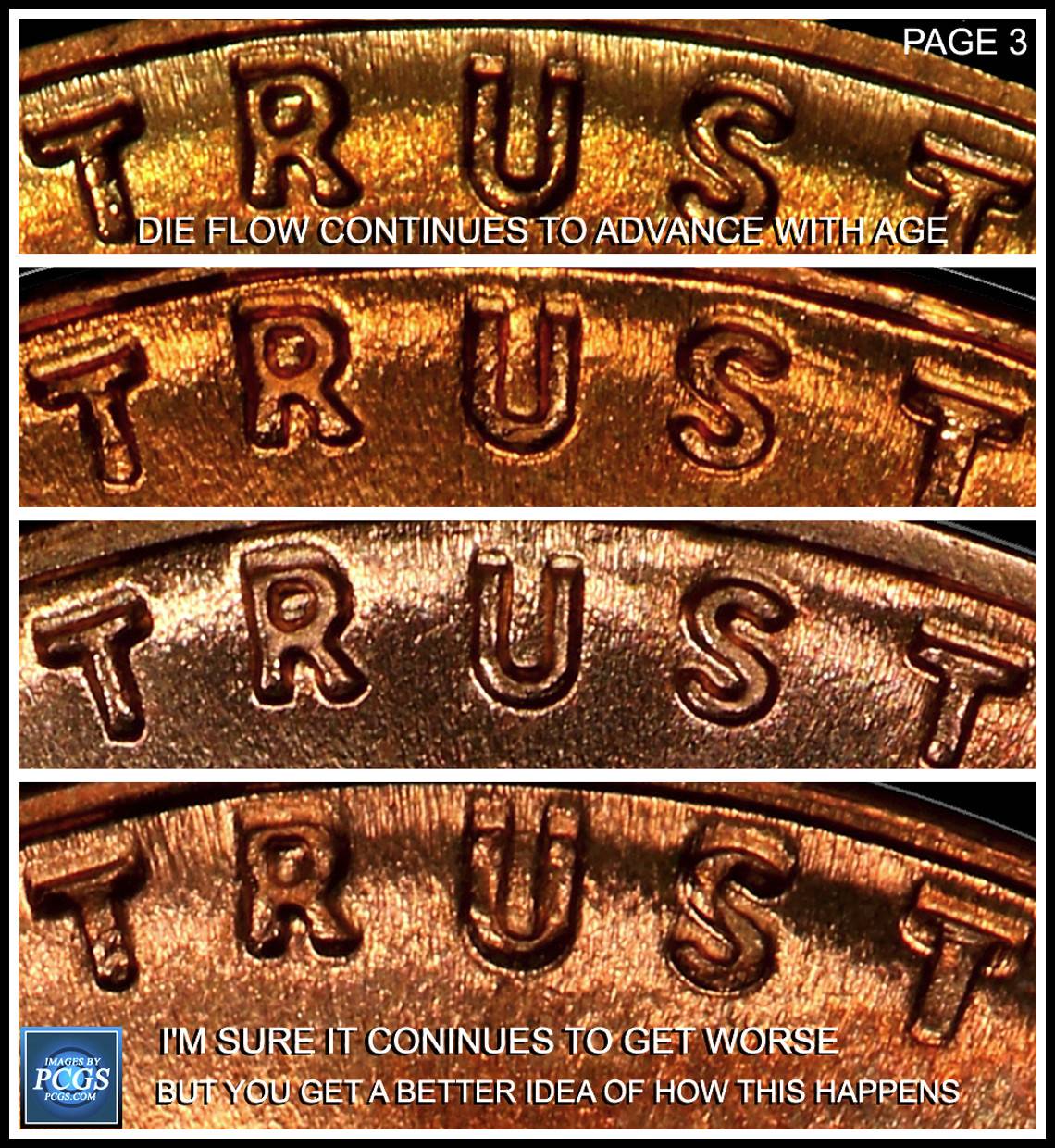 So how can you determine die state?
 You look at two other areas on the obverses.
The 'L' on LIBERTY is one:
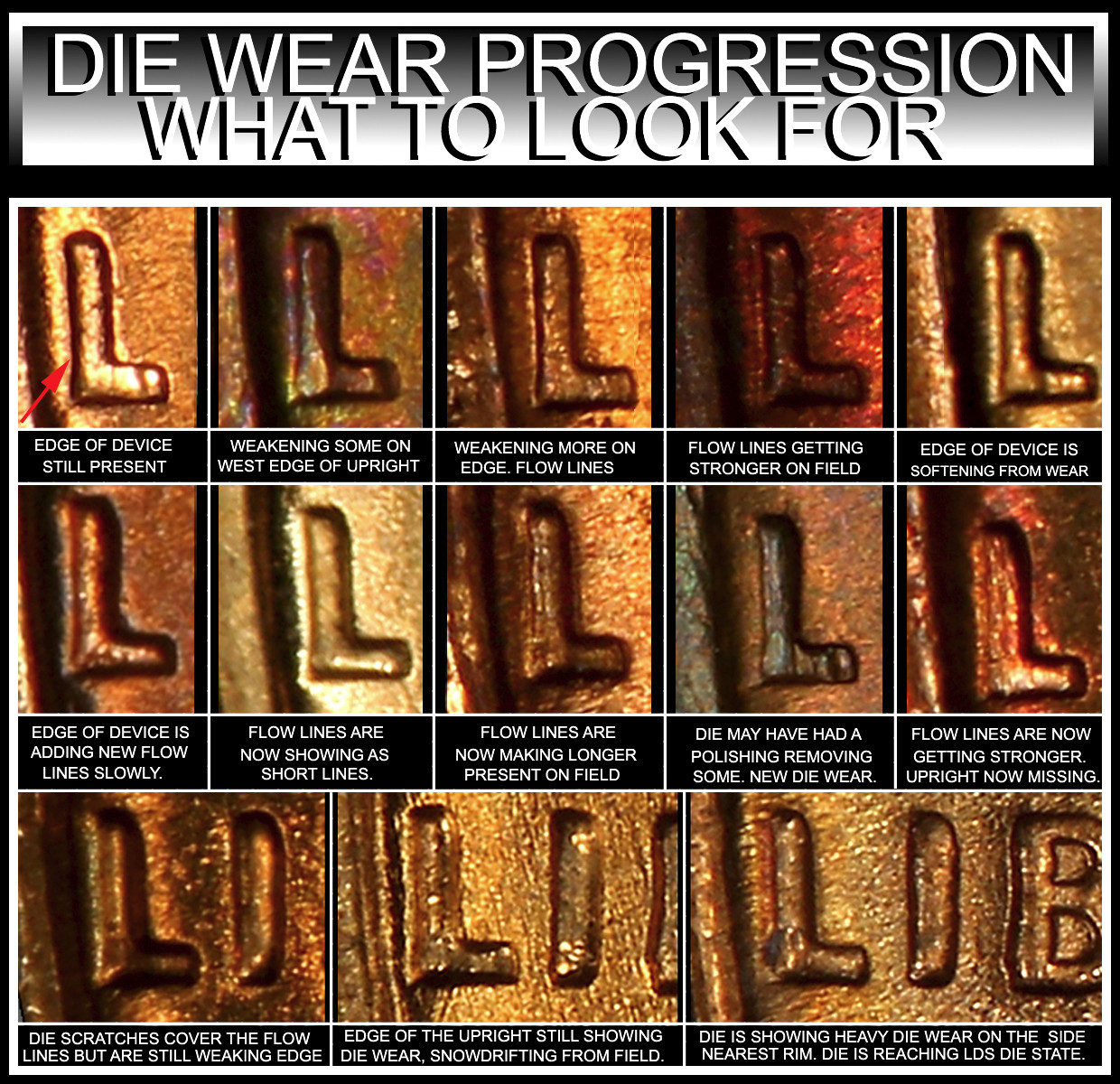
Note the progression of die wear. Not that you have to remember each step, but so you can view those areas as a guide. EDS will have not die wear. MDS will also be pretty clear, but slight amount of die wear. LD will show the lines strong and some breakdown of the devices. VLDS will show this area to the left of the mint mark as blending together at the rim.
Another area is on the wheat cents, the dates on some coins were showing a lot of die wear. The one that comes in mind first is the 1955 cents. But also 1953 was another year where you can look at how the dies worn down:
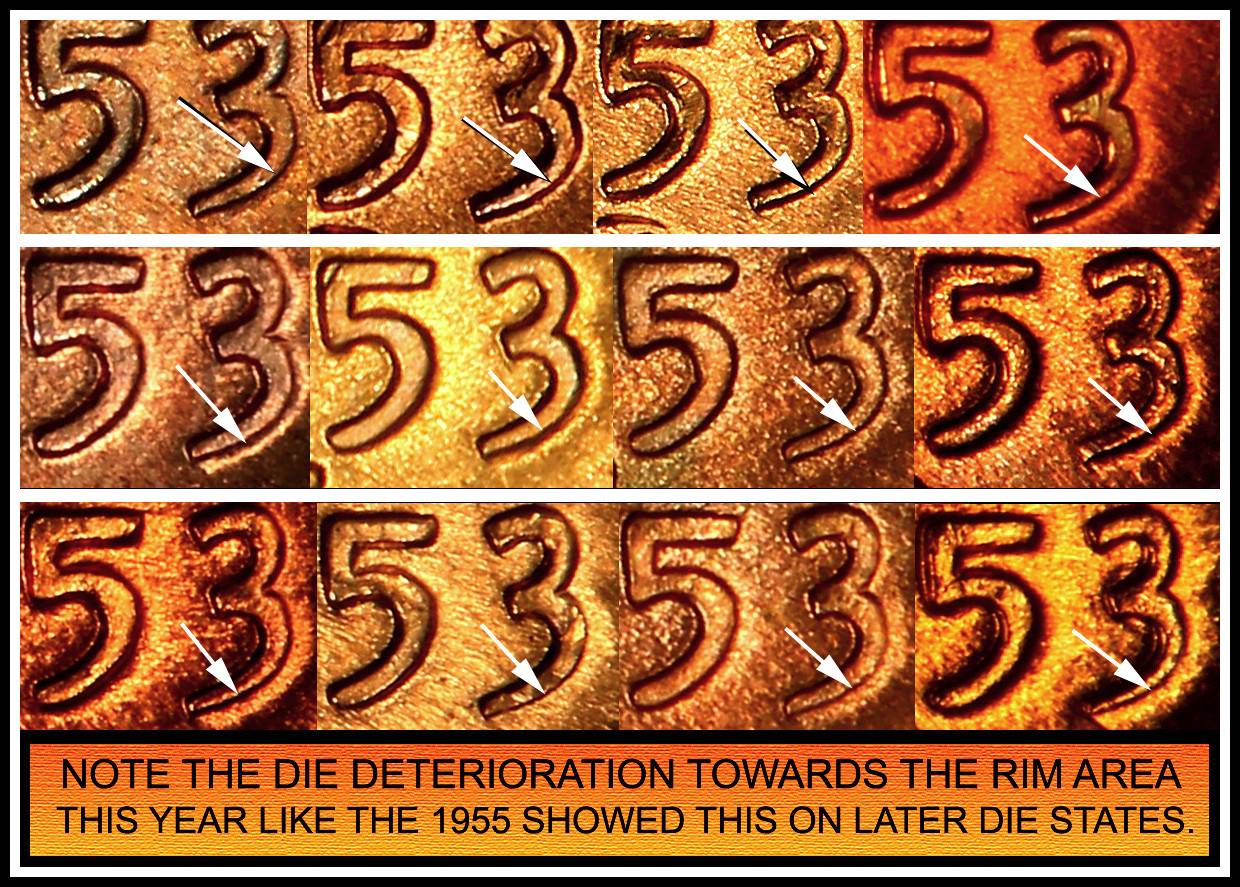
So now, you
will look at coins differently. You will now notice die wear, die break down and appreciate more, an earlier die state on your coins.
CoopHome : die wear progression




 Posted 05/30/2018 12:56 am





