Please be sure to watch the video I explain a lot about the coin in it
vpSqj9Bk_50
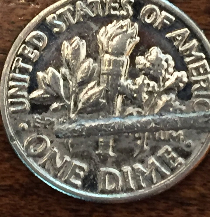
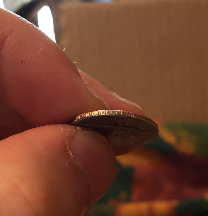
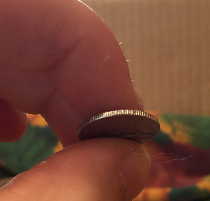
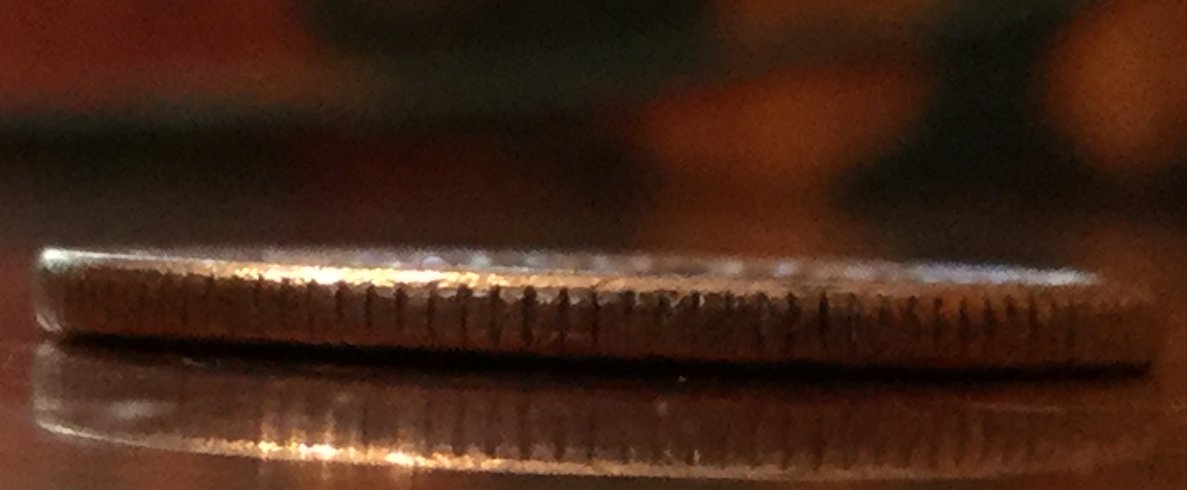
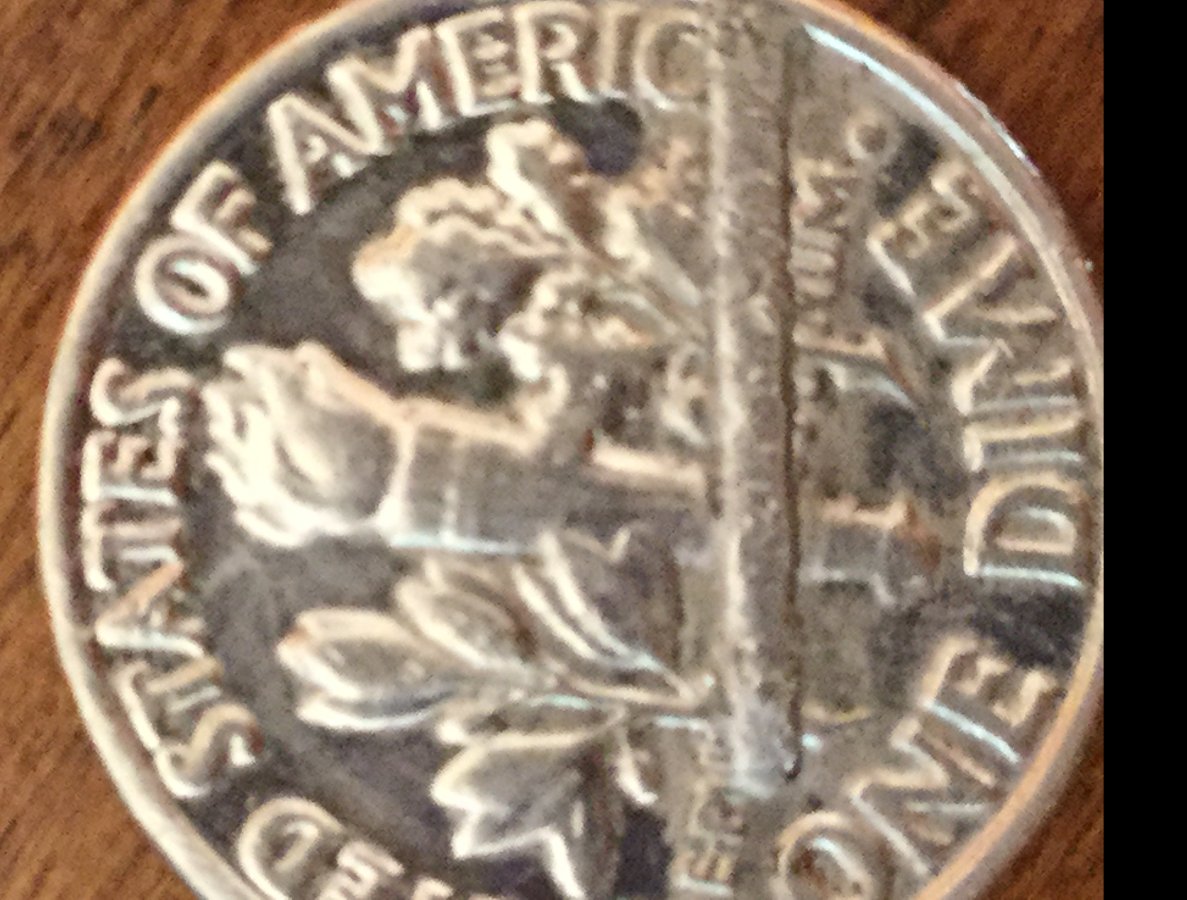
Picture of the front of the coin, nothing special. This is a picture of the back were, as you can see there is a strip of what I believe to be nickel. Normal edge of coin (nickel copper layer) Not normal edge of coin (Just nickel) there is actually enough nickel there that with a strong enough magnet you can feel a pull, you will see what I mean in the video. This picture shows that the strip thing does not go over the rim Close up of dime (I had an even more magnified picture but it wouldn't let me upload it because the image was 500KB)
If it is taller than the rim, it was added onto the coin. The rim would be the highest point on a normal strike coin. The only exception would be a Cud or a rim Cud.
To CCF! It's not an error at all. It's Post Strike Damage (it happened after it left the U.S. Mint). And no, it's not one of a kind. It's worth 10 Cents.
@coop just uploaded an image showing that it is level with the rim,the image doesn't show this but around half of it is eeeeeever so slightly below the rim
Yes, by about 600 degrees. (Regular solder used for electronics or plumbing, melts at around 500 degrees F, silver solder around 1100 degrees F) You can't melt silver solder with a soldering iron, it takes a torch.
The coin has been soldered or welded to something at one time.
I don't think it really matters or if we will ever know what really happened, the important thing is that there is no way it could have happened during the striking of the coin so it is some sort of PMD.
Disclaimer: While a tremendous amount of effort goes into ensuring the accuracy of the information contained in this site, Coin Community assumes no liability for errors. Copyright 2005 - 2026 Coin Community Family- all rights reserved worldwide. Use of any images or content on this website without prior written permission of Coin Community or the original lender is strictly prohibited. Contact Us | Advertise Here | Privacy Policy / Terms of Use












 Posted 08/02/2018 2:38 pm


 To CCF! It's not an error at all. It's Post Strike Damage (it happened after it left the U.S. Mint). And no, it's not one of a kind. It's worth 10 Cents.


