






 First Page
 Previous Page


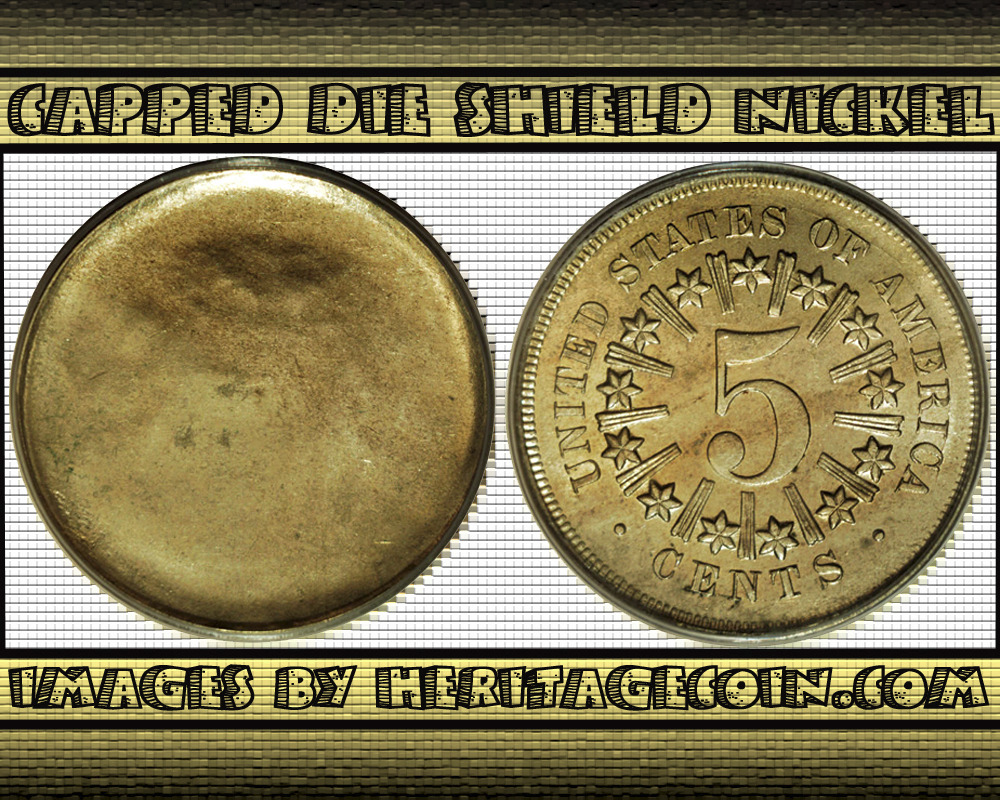
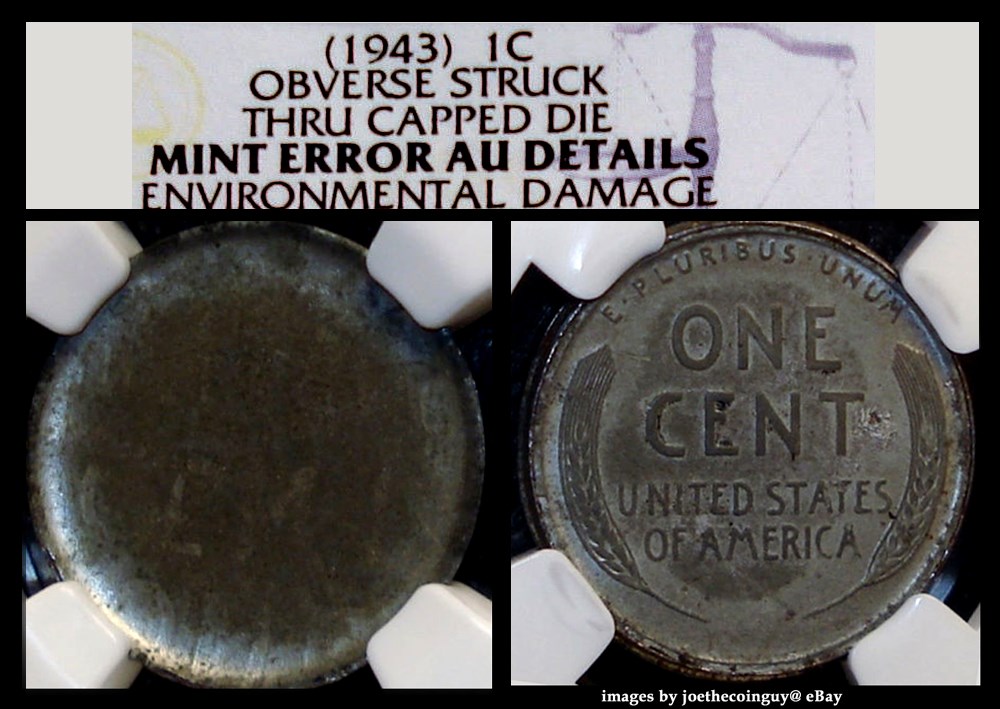
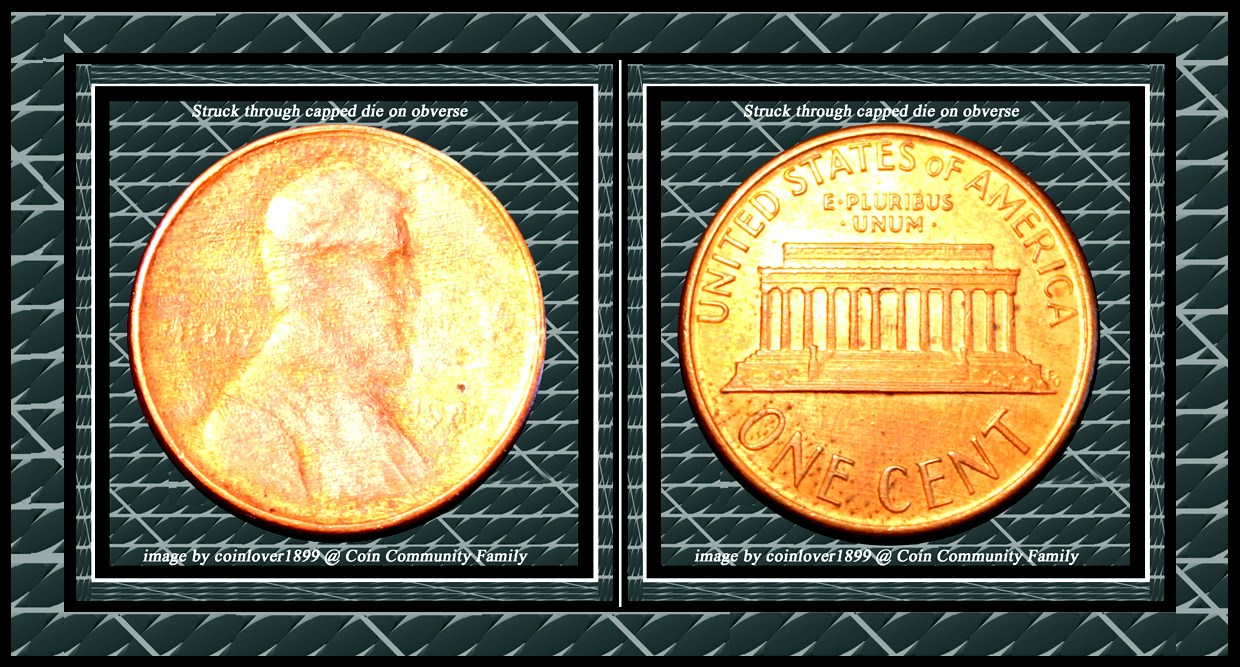
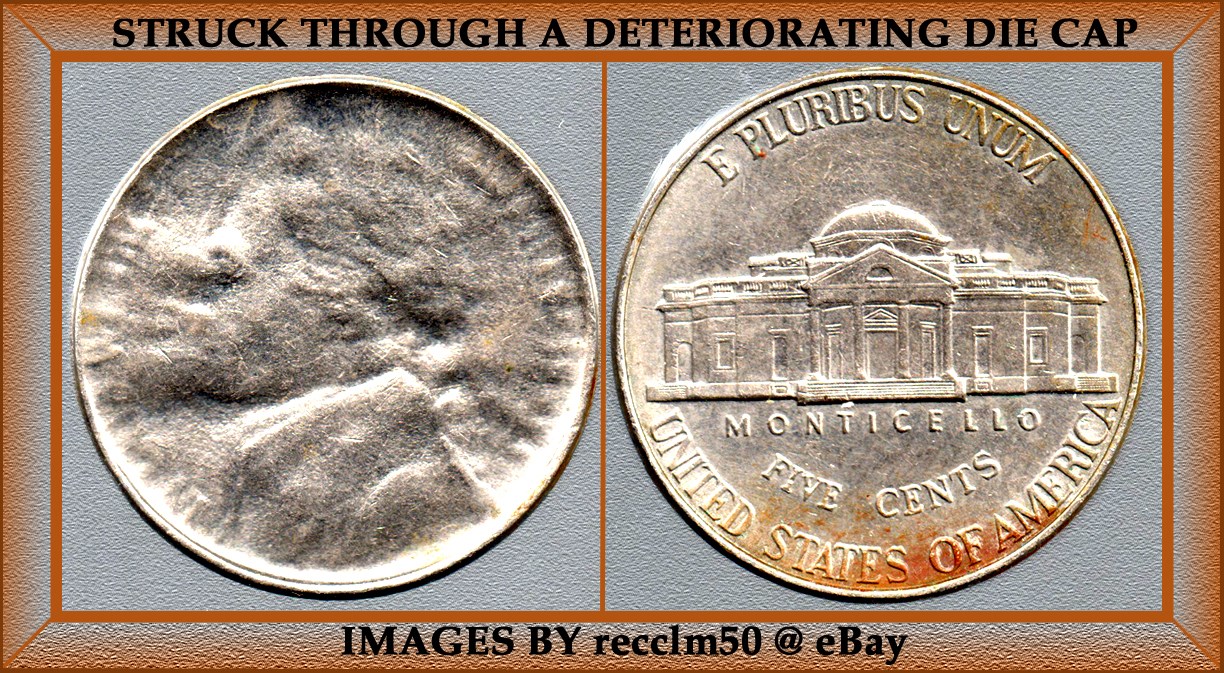


 Posted 09/17/2018 11:06 pm


robmck1967, Will say it seems to be a similar scenario to the original US cent topic in question.
After strike split generally has a different or rough texture in appearance. Underlying evidence or devices are typically visible.
Under weight and struck through a potential die cap. Question remains split before strike or on rolled thin stock? I have no current reference to check against for foreign coinage produced from the RCM during this time period.
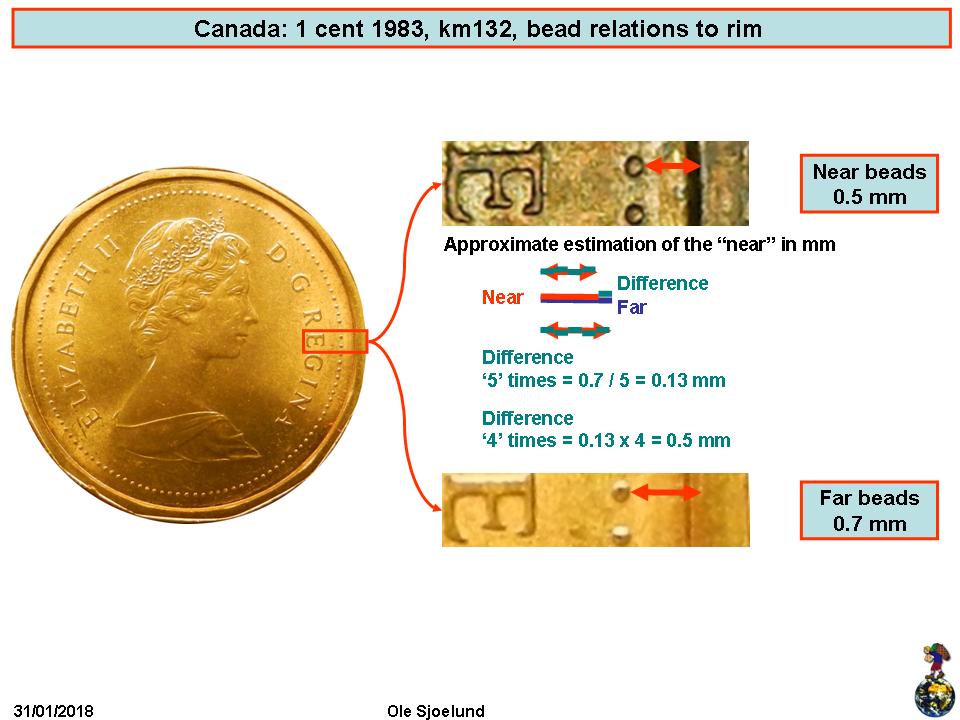
Maybe wrong, but thinking 2.5grams would be the normal weight for this coins era. Unsure which die is typically the hammer or anvil. Also if beads are near or far. I'm guessing the later. I see more learning needed I my future. Thanks, Doug.
Quote:
I am curious why no one thinks this is a split planchet, split after strike.
I am curious why no one thinks this is a split planchet, split after strike.
After strike split generally has a different or rough texture in appearance. Underlying evidence or devices are typically visible.
Under weight and struck through a potential die cap. Question remains split before strike or on rolled thin stock? I have no current reference to check against for foreign coinage produced from the RCM during this time period.
Maybe wrong, but thinking 2.5grams would be the normal weight for this coins era. Unsure which die is typically the hammer or anvil. Also if beads are near or far. I'm guessing the later. I see more learning needed I my future. Thanks, Doug.
Edited by Halo1st
09/17/2018 11:25 pm
09/17/2018 11:25 pm


