| Author |
 Replies: 14 / Views: 3,567 Replies: 14 / Views: 3,567 |
|
|
New Member
United States
26 Posts |
I know that I'm not supposed to clean coins. But I decided to clean a couple 1943 steel cents that belonged to my late father. As I rubbed the first coin, I realised that the steel cent had a light metallic coating on it. Just under that was copper. I just assumed that it was copper plating until I put it under a microscope. It turned out to be a copper sheath over steel, much like the early 1982 Lincolns. I then started to clean the second steel cent, but I stopped when it began to show pink under what apparently looks like a light metal plating. I brought the first coin to a jeweler who confirmed my suspicion. Does anyone here have any idea what this is? I am aware of 1943 copper plated steel novelty cents. But why would anyone go through the trouble of making two sheaths for these coins, then plate them with steel? Could this be an experimental coin done by the mint? 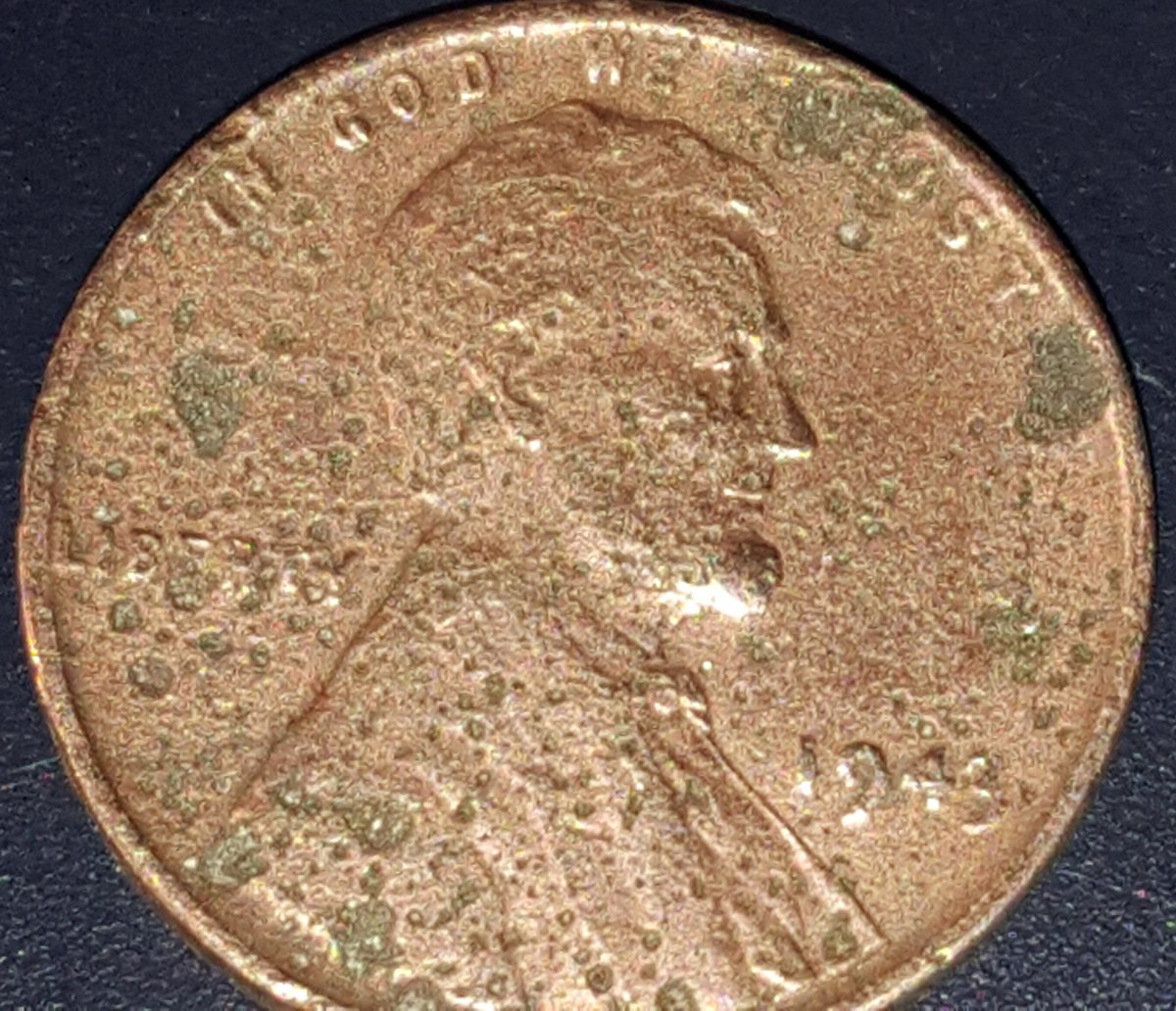 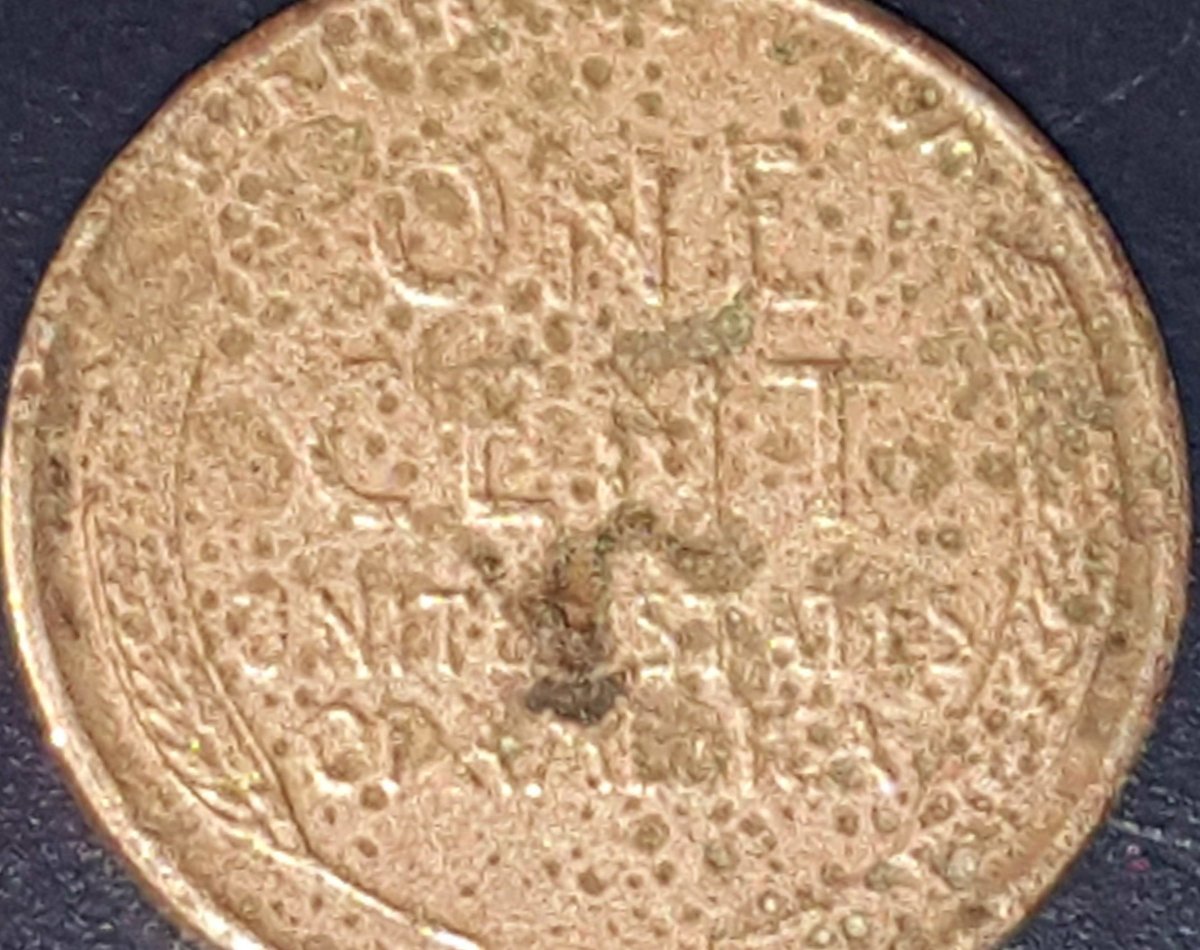 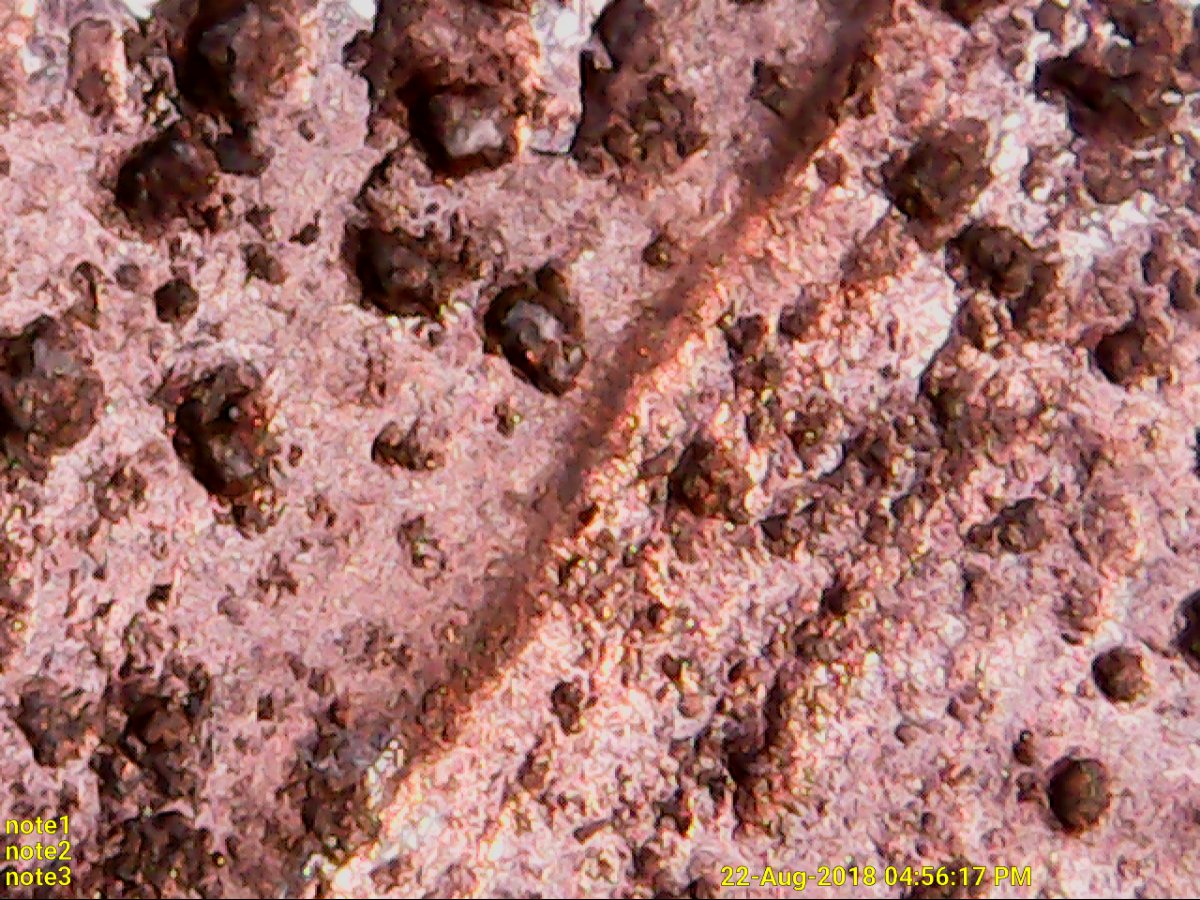 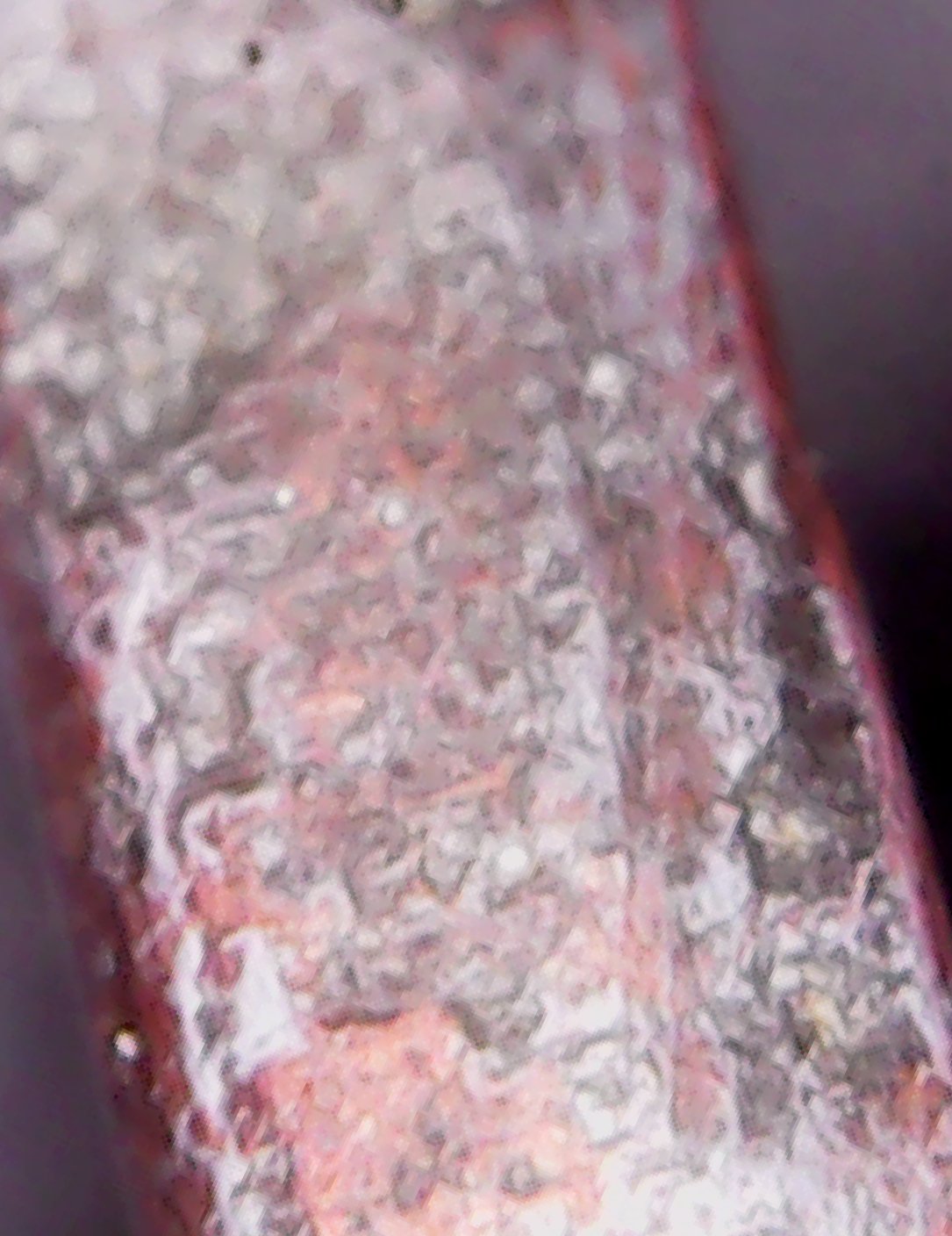 |
|
|
|
Pillar of the Community
United States
751 Posts |
I see three possibilities. One- the coin is actually a 1949. Two- The coin is a reproduction. The reason I say this is Look at the L in Liberty on your coin and the one I posted below. The one I posted is a Chinese fake. Three- It's an attempt by someone to copper cast a fake 1943 cent. The reason I say that is the appearance of bubbles which will happen if the liquid copper and the mold temperature are not close enough, a gas will develop and leave bubbles. BTW, Is the coin magnetic ? Dan  Edited by Panther
12/12/2018 5:25 pm
|
|
Bedrock of the Community
United States
78410 Posts |
The coin looks like it took a bath in acid. Note how the surfaces are pitted? Is the edge thin? What's the weight of the coin?
Errers and Varietys.
|
|
New Member
 United States
26 Posts |
The coin weighs just under 2.7 grams, and it is magnetic.
|
|
Bedrock of the Community
United States
78410 Posts |
Okay, the weight is normal, so it rules out that it wasn't dipped in acid. Maybe it used to be berried under the ground maybe? If so, it would explain why the plating has been stripped off.
Errers and Varietys.
|
|
New Member
United States
26 Posts |
PS: The edges are the same width as a copper cent.
|
|
Bedrock of the Community
United States
78410 Posts |
|
|
New Member
United States
26 Posts |
Interesting. But the coin did not look as if it had been buried before I cleaned off the metal plating from the copper layer you see now.
|
|
New Member
United States
26 Posts |
Thank you. Yes. I know its not copper. It's just copper coated. Before I cleaned it, it was metal plated over the copper.
|
|
Pillar of the Community
United States
8715 Posts |
Normal coin that has been plated - PMD.  to the CCF! |
|
Pillar of the Community
United States
751 Posts |
Magnetic makes it a steel cent.
Dan
|
|
Moderator
 United States
54297 Posts |
Quote:
As I rubbed the first coin, I realized that the steel cent had a light metallic coating on it. Just under that was copper. And your rubbing completely removed it? |
|
New Member
United States
26 Posts |
Thank you, Dan. Yes, I understand that this is a steel cent. I just don't understand why there is a copper sheath that was hidden under the metal plating that I cleaned off. Did the mint make any steel, copper coated, cents, then plate the copper with metal you know of? Also, the copper is not a plate. It's a sheath according to my jeweler.
Nss-52, Yes, my cleaning the coin completely removed the metal plating from copper sheath.
I also have one other 1943 magnetic cent just like it. I stopped cleaning it when the copper below the metal plating began to show.
|
|
Pillar of the Community
United States
2775 Posts |
I'm curious if the current layer consists chiefly of ferric hydroxide and ferric oxide formed by oxidation? Thanks, Doug.
|
|
Bedrock of the Community
United States
17884 Posts |
|
| |
Replies: 14 / Views: 3,567 |
|






 Posted 12/12/2018 7:16 pm





