| Author |
 Replies: 12 / Views: 2,295 Replies: 12 / Views: 2,295 |
|
|
Pillar of the Community
United States
3552 Posts |
I've attached this coin to get a couple of things done: the grade and an explanation of what is happening to the rim of this coin. The coin itself is supposedly a 750 Pesetas 90% gold proof coin, KM 27. 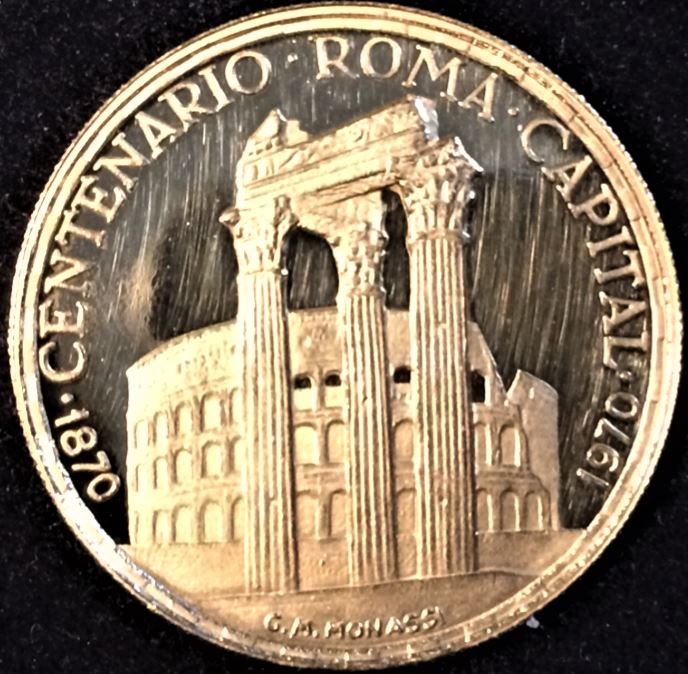 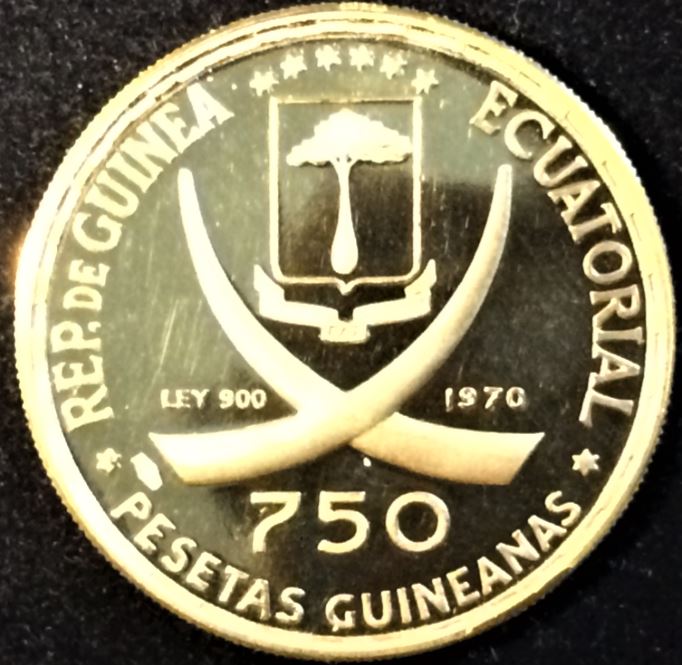 Edited by mdpmedia
01/19/2019 9:18 pm
|
|
|
|
Pillar of the Community
 United States
3552 Posts |
Here are some reverse side close-ups of the rim positioned 180 degrees opposite one another: 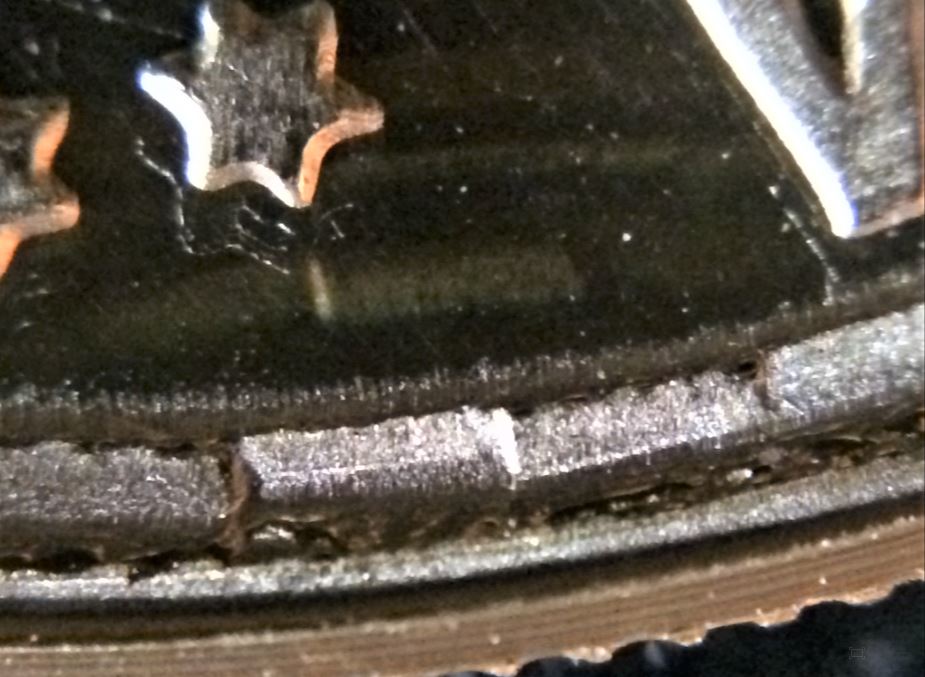 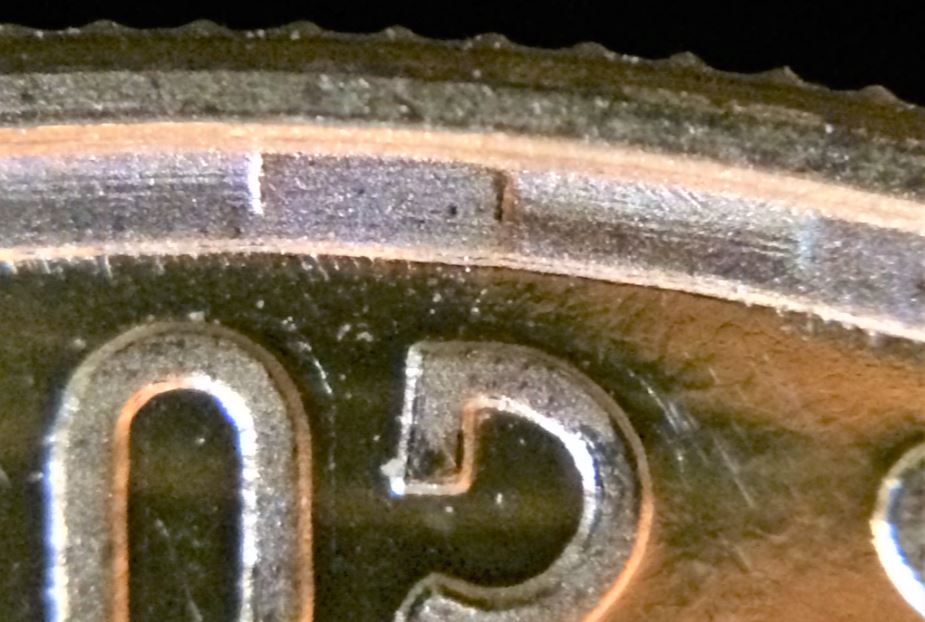 The darker appearance in the center of the coin on the first set of complete obv. and rev. shots is the reflection of the camera: a difficult issue when photographing proof coins. These same larger and complete obv. and rev. shots do not show well the area touching the inner rim all 360 degrees around the coin. The close-up shots show an alternating step-like feature that touches the inner rim on every point except for the part shown on one of the close-up photos. Is this an error or a feature of a counterfeit? |
|
Pillar of the Community
United States
3552 Posts |
|
|
Bedrock of the Community
United States
94367 Posts |
Is it raining on the obverse, or are those fine scratches?
|
|
Pillar of the Community
United States
3552 Posts |
Quote:
Is it raining... These marks are more predominant on the obverse Colosseum side but nonetheless also present on the reverse but to a lesser extent. I cannot attribute this effect to the coin being a proof but depending upon which angle I tilt the obverse, those mostly vertical 'markings' change their orientation from vertical to slanting right to slanting left. It is similar to a holographic effect and appears to be internal. I opine internal because when I tilt the surface to make the surface appear the most reflective with a brilliant glow, no fine line scratches appear on the outer surface. It's just plain odd. I have never seen that effect on any coin I've ever owned before. This genuine close-up photo from Heritage of another coin with the same fields/devices should hopefully clarify the correct answer to your question: https://coins.ha.com/itm/equatorial...ction-120115 |
|
Bedrock of the Community
United States
94367 Posts |
Thanks for that link. If those pics are accurate, it seems your example has been compromised.
|
|
Pillar of the Community
United States
3552 Posts |
What is going on here mechanically and chemically? For example, what materials and design would cause an apparent separation of the rim's integrity?
Also, do examples exist of genuine coins that possess the multiple circumferential layer look of near-rim materials?
|
|
Bedrock of the Community
United States
17884 Posts |
What is that in the field above and just left of the P in PESETAS?
And 6 mm larger in diameter but with the same weight does not bode well. Have check a few other places and I am turning up both 24.5 and 29 mm diameters. Not sure which it should be. Did fine a second image withthat same thing in the field left of the P but still couldn't see it clearly. Found a better image and there is something printed on it, but still can't make it out. Some images have the shape some don'e.
|
|
Pillar of the Community
United States
3552 Posts |
Quote:
...just left of the P in PESETAS? 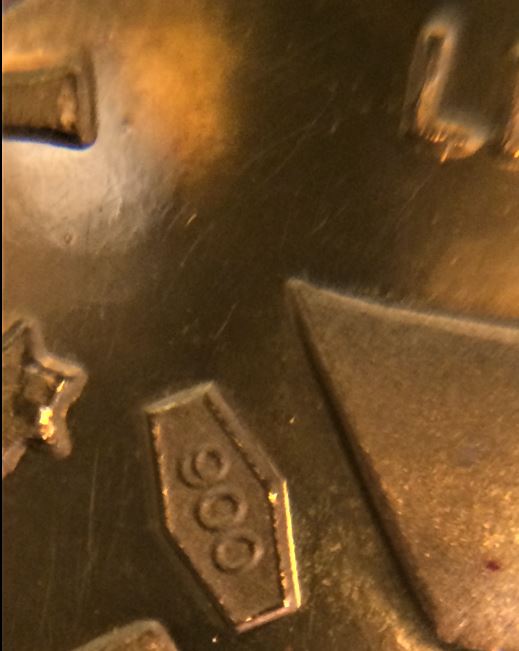 |
|
Pillar of the Community
 United States
8052 Posts |
|
|
Bedrock of the Community
United States
37035 Posts |
|
|
Bedrock of the Community
United States
62064 Posts |
Well the coin scratches are there to stay. If you do anything with them, then it will just get worse. I would call this one an impaired proof coin. (They always remain a proof coin, even if they are damaged) But the gold value should still be there. Just the grade will be lowered.
|
|
Bedrock of the Community
United States
79001 Posts |
On the rim, that looks like Rim Cuds to me. I would say the grade is PR-62. Other than that, I don't know jack about these coins unfortunately, so I can't give my opinion about it's authenticity. Errers and Varietys.
Edited by Errers and Varietys
02/01/2019 2:37 pm
|
| |
Replies: 12 / Views: 2,295 |
|









 Posted 01/19/2019 9:15 pm


