| Author |
 Replies: 13 / Views: 2,278 Replies: 13 / Views: 2,278 |
|
|
Moderator
 Canada
10473 Posts |
"Discovery follows discovery, each both raising and answering questions, each ending a long search, and each providing the new instruments for a new search." -- J. Robert OppenheimerContent of this post is licensed under a Creative Commons Attribution-NonCommercial 3.0 Unported License. See: http://creativecommons.org/licenses...0/deed.en_USMy eBay store
|
|
|
|
Pillar of the Community
United States
1101 Posts |
Lot's of votes, but no comments yet.
I think it's all three types of doubling, but I notice I'm in the minority here.
I will be interested to hear the error expert's opinions and explanations on this coin.
|
|
Pillar of the Community
United States
3344 Posts |
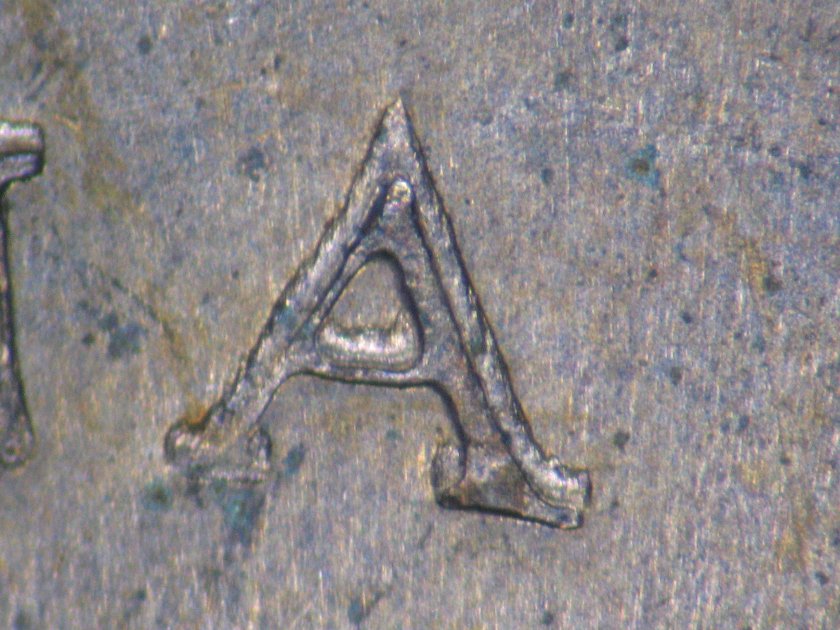
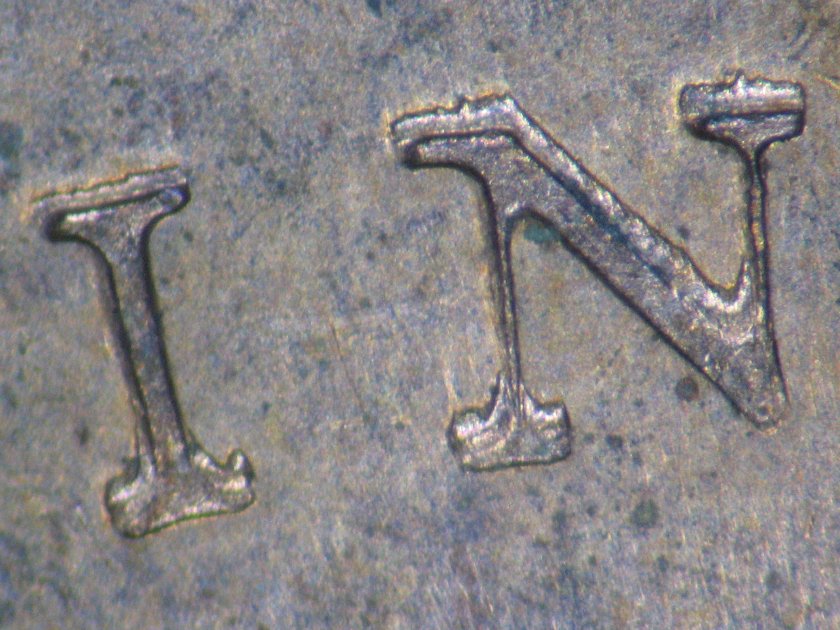
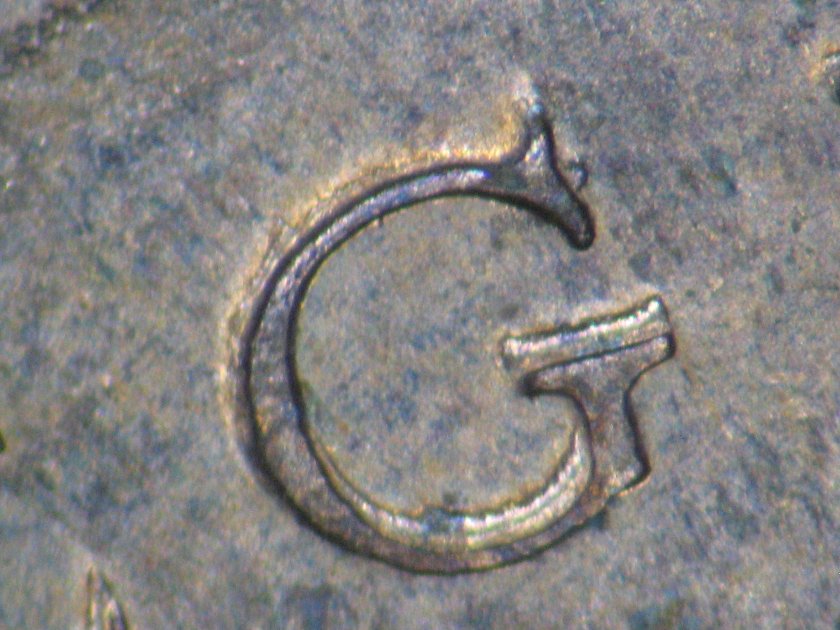
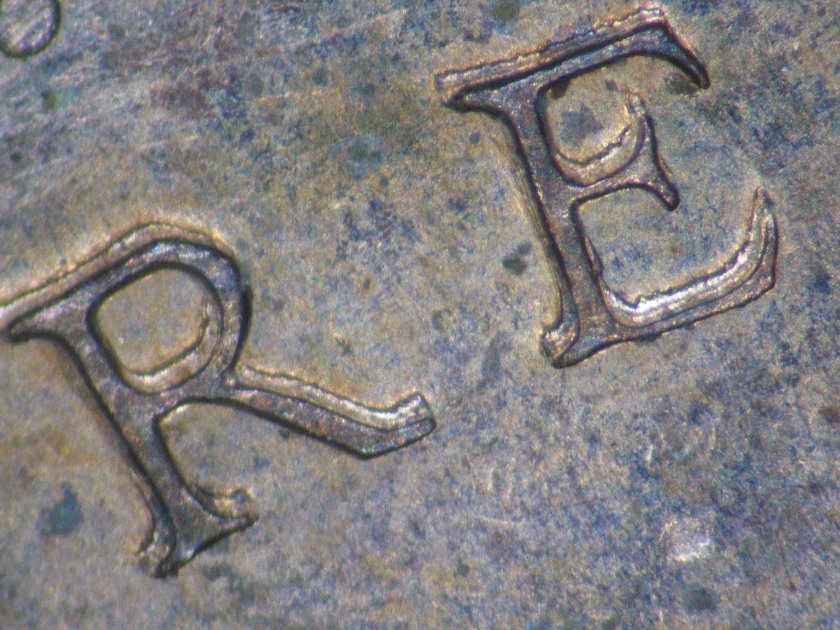
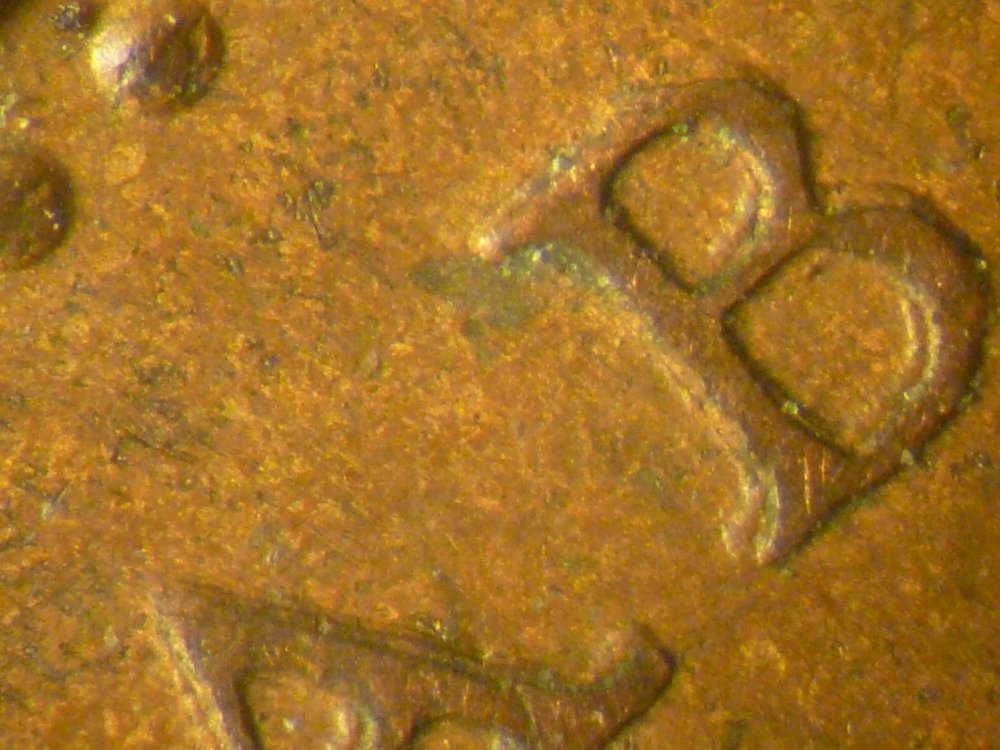
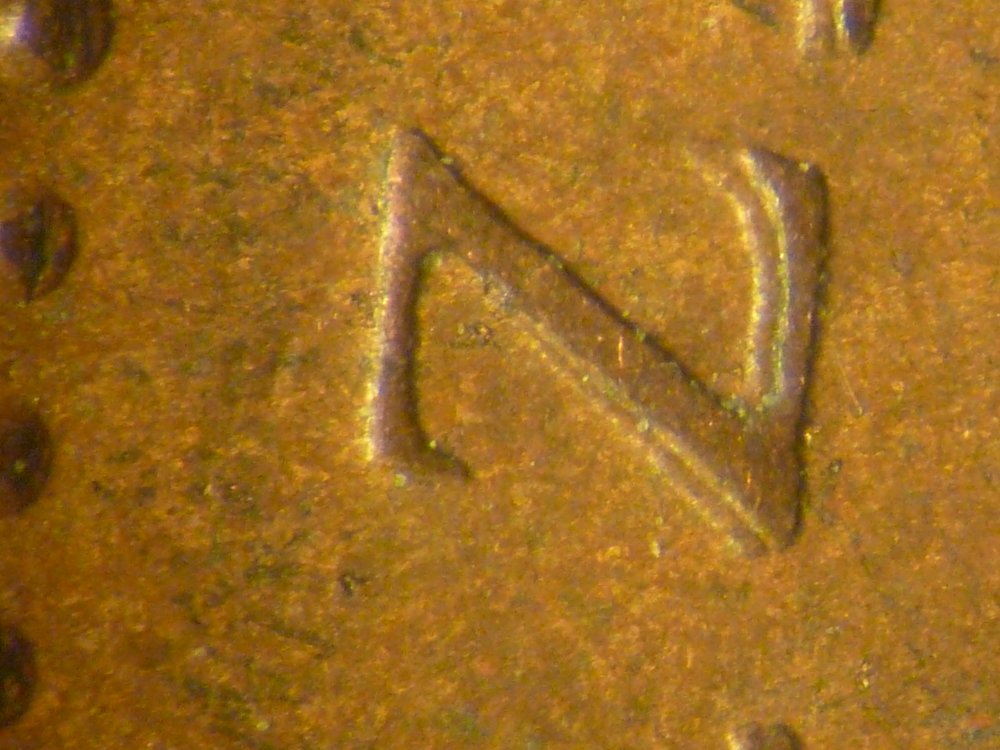
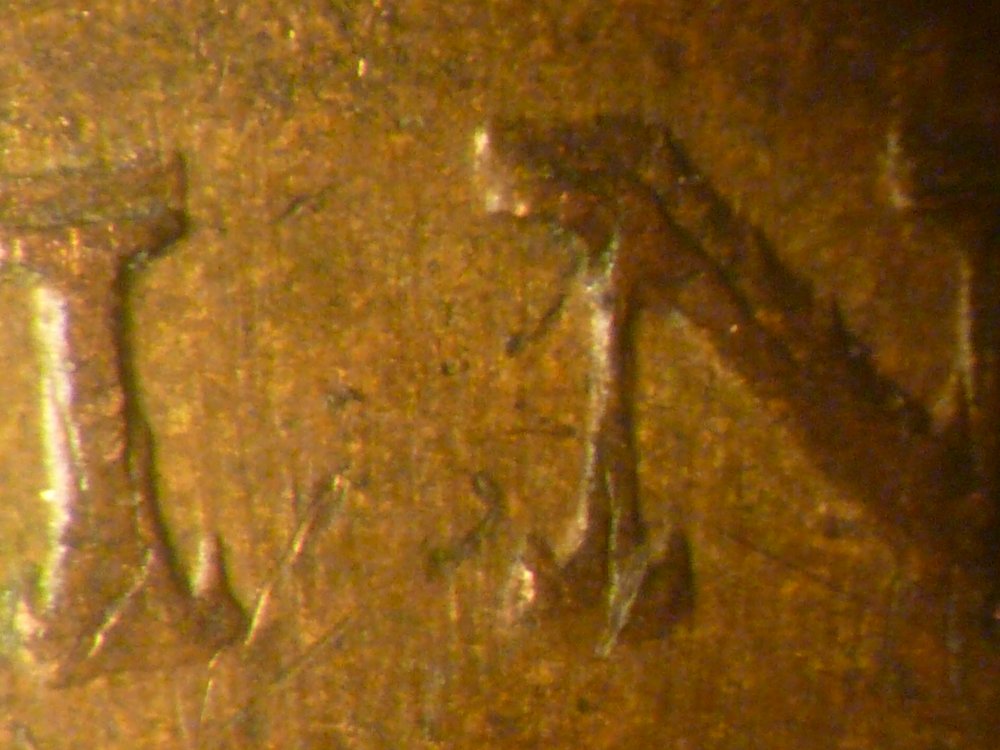
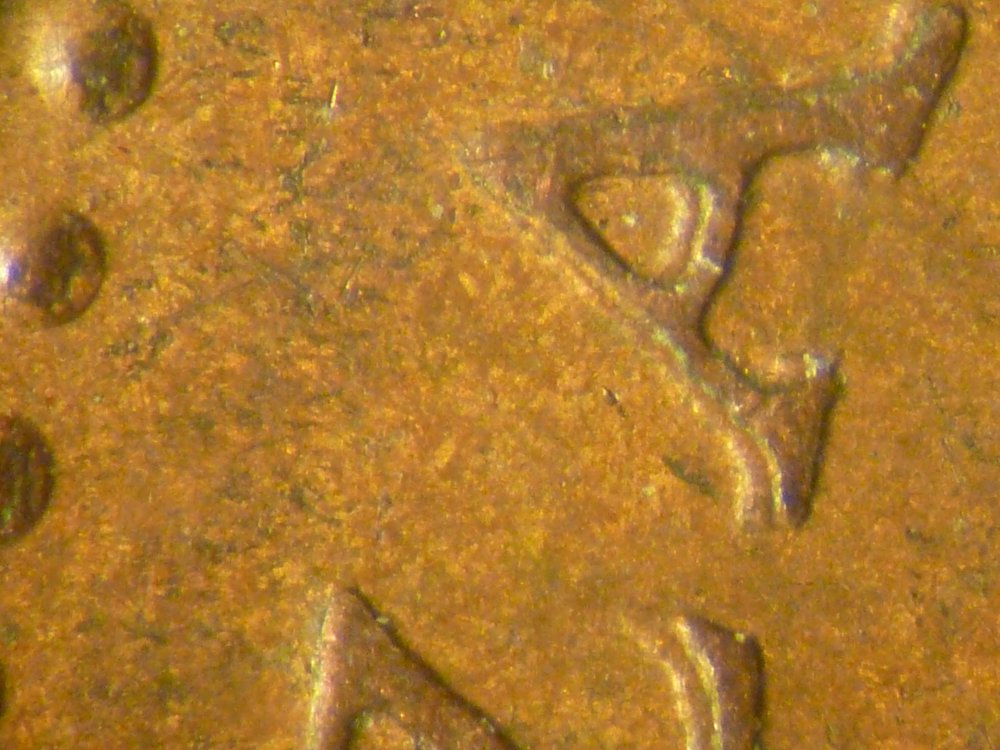
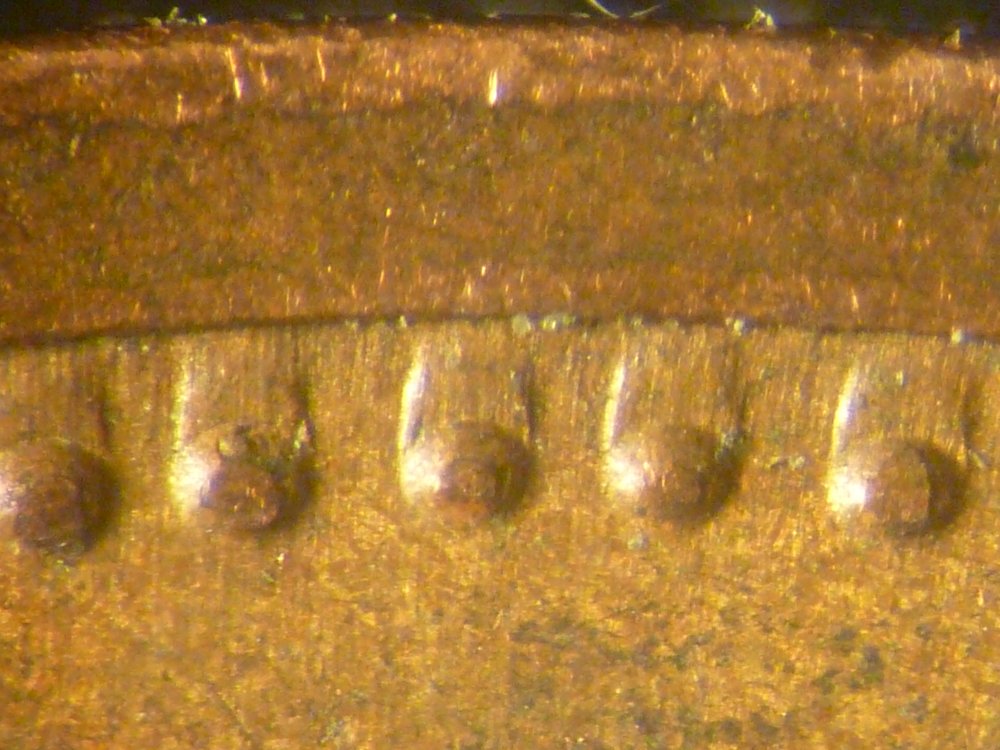
Here is another less-than-expert opinion. I agree with Phil310 that all three types are present. DDD showing up on the "beads", looks like true doubling on the "B" and several other instances of MD. I'm anxious to see what the experts say as well. Interesting specimen! Edit: I suppose most of this could be explained by a combination of MD and a slight rotation of the coin during the "bounce"? "Nummi rari mira sunt, si sumptus ferre potes." - Christophorus filius Scotiae
Edited by Bump111
02/04/2019 1:22 pm
|
|
Pillar of the Community
Canada
955 Posts |
As above I also think its the " trifecta " .
Nice coin.
|
|
Valued Member
Canada
456 Posts |
I'm also in for the full three.
|
|
Pillar of the Community
United States
1781 Posts |
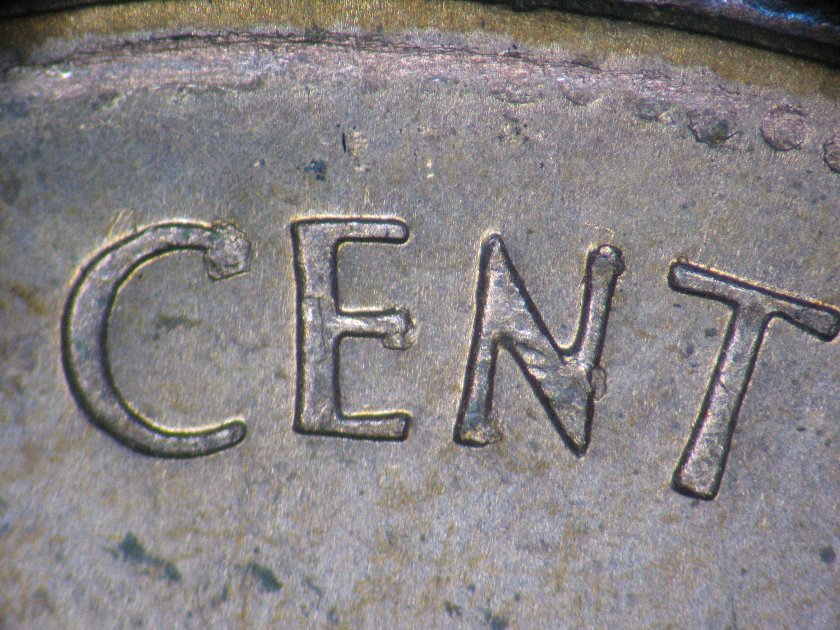
I see Die Deterioration Doubling of the sort seen on coins struck with chromium plated dies that are heavily worn. I In the areas where the chromium plating has been removed through die wear and die abrasion the degree of Die Deterioration becomes greatly accelerated beyond that in other areas of the die that are still protected by the chromium. This is a very typical result on a Canadian coin struck with dies for an extended period of time. Exceedingly common for 1967 (and 1979 too). I see no other forms of doubling on this coin. |
|
Pillar of the Community
Canada
1164 Posts |
|
|
Pillar of the Community
United States
2752 Posts |
Error coin writer and researcher.
|
|
Pillar of the Community
United States
1101 Posts |
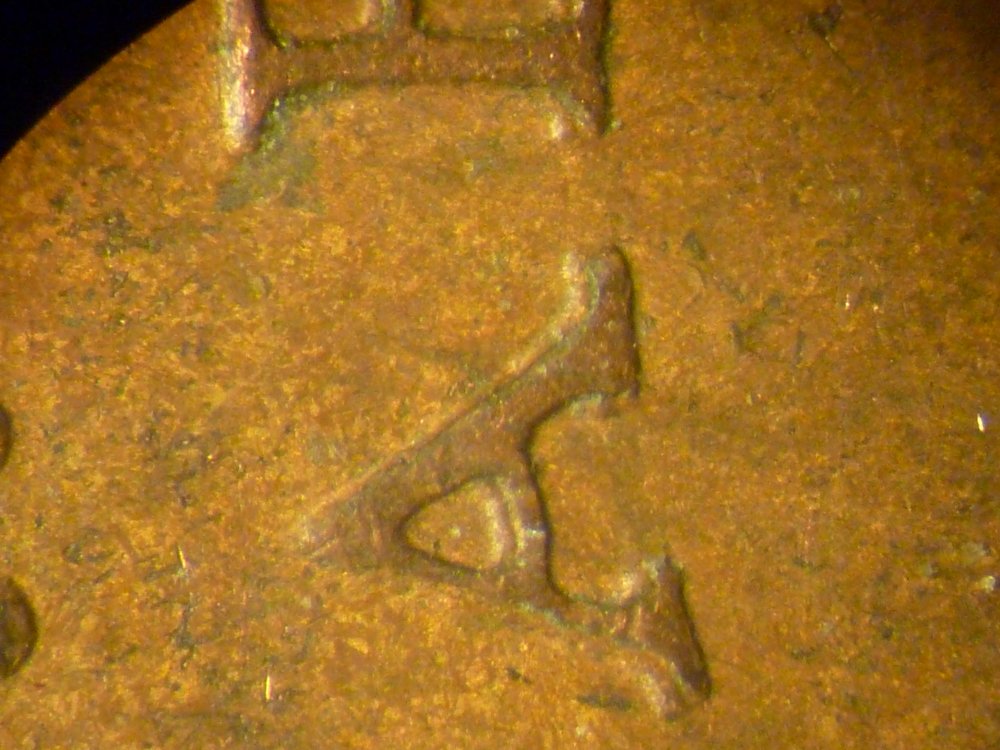
Chadcoins, can you post pictures of the ZAB of your coin for comparison?
|
|
Pillar of the Community
Canada
1164 Posts |
  ELIZABETH [ZAB] looks normal. |
|
Pillar of the Community
United States
1101 Posts |
Thanks Chadcoins for posting that photo. The ZAB on SPP's coin is the part that looks like die doubling to me. I was wondering if your coin showed that also.
|
|
Pillar of the Community
Canada
1164 Posts |
|
|
Moderator
 Canada
10473 Posts |
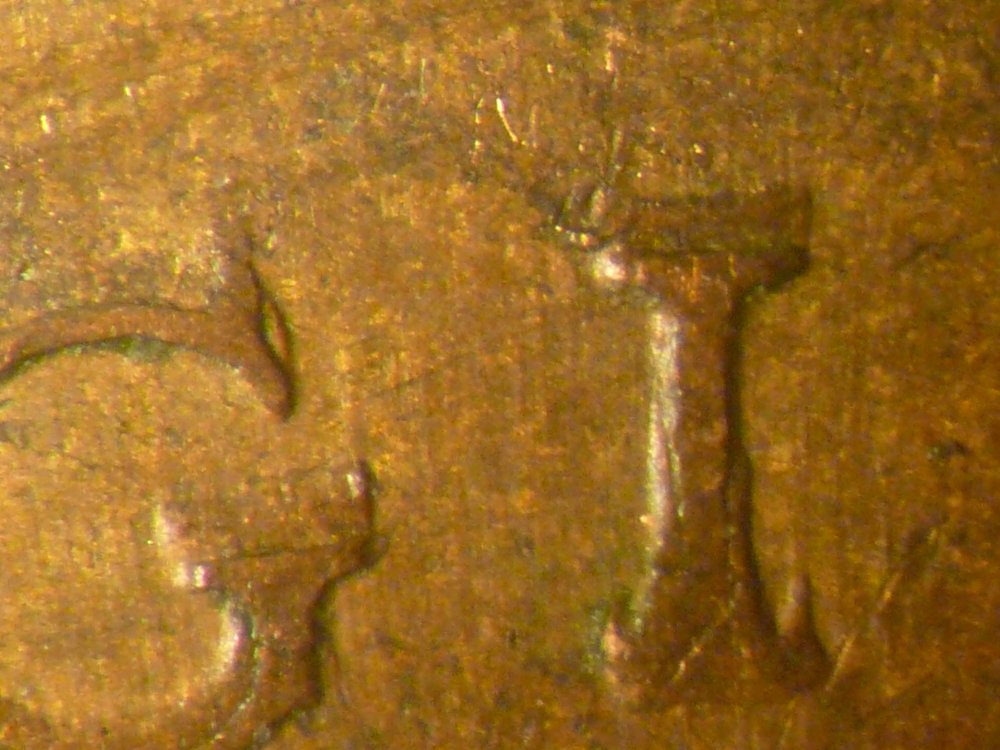
I had asked Ken and Mike to weigh in on this one, before I responded. Die Deterioration Doubling is an obvious one. The narrowing of the devices and step-like doubling is also indicative of Machine Doubling... However the "notching" I see on the Z I think is an apparent effect of the excessive Die Deterioration Doubling (the doubled 962) of the 1962 1-cent and 5-cent come to mind. So to me - this coin has two doubling types, but it never started its life out as a doubled die. Frankly, I think the entire Canadian decimal series is under-studied for doubled dies, but I hope this thread prompts folks to take a closer look at the post-Vicky era of Canadian coins. "Discovery follows discovery, each both raising and answering questions, each ending a long search, and each providing the new instruments for a new search." -- J. Robert OppenheimerContent of this post is licensed under a Creative Commons Attribution-NonCommercial 3.0 Unported License. See: http://creativecommons.org/licenses...0/deed.en_USMy eBay store
|
|
Valued Member
United States
143 Posts |
I see all three. The Machine Doubling and the Die Deterioration is obvious (IMHO), but there is obvious doubling as well (split serifs, ie: Z in ELIZABETH) Nice find! |
| |
Replies: 13 / Views: 2,278 |
|












 Posted 02/04/2019 1:20 pm