| Author |
 Replies: 12 / Views: 2,850 Replies: 12 / Views: 2,850 |
|
|
New Member
United States
37 Posts |
*** Edited by Staff to clarify topic title. Titles are important! ***The pics are of a 1966 Kennedy which I believe to be Machine Doubling and what I believe to be a 1972 DDO Lincoln. I have very little experience with error coins so any help and/or advice would be greatly appreciated. 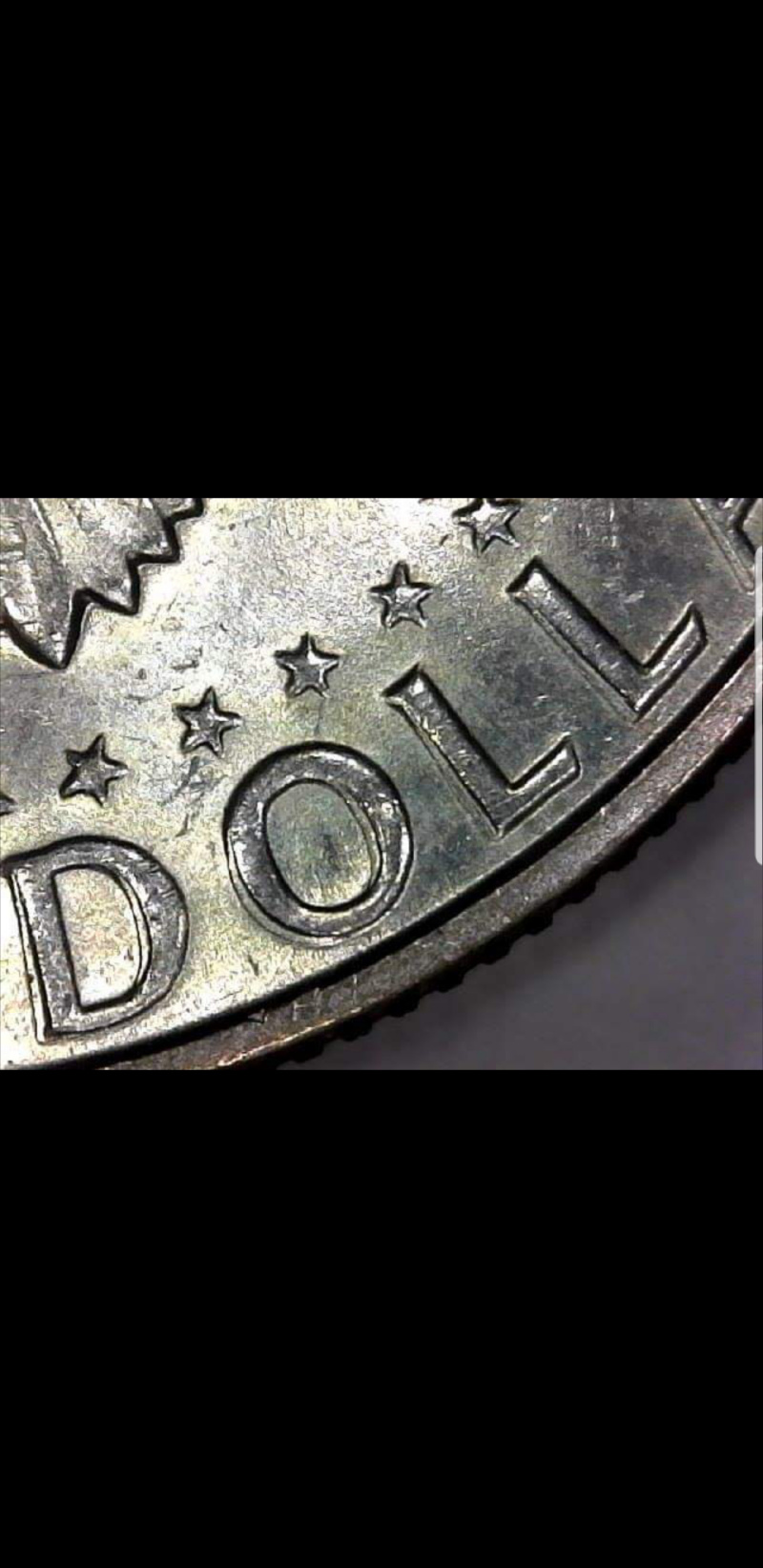 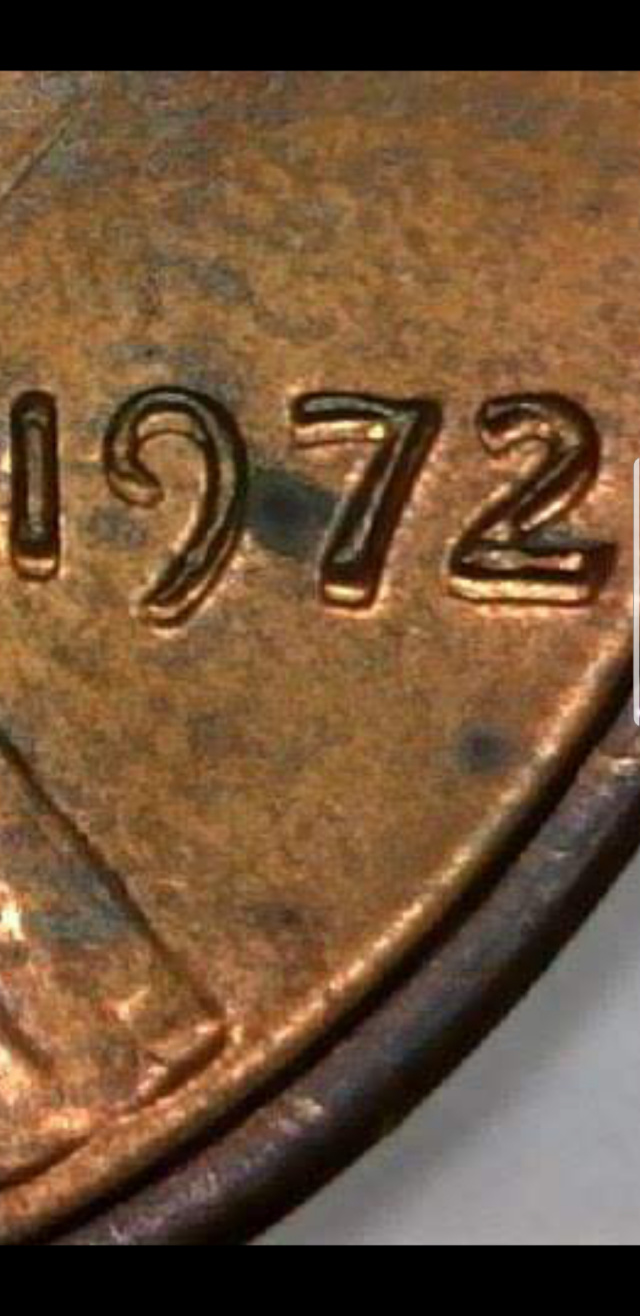
|
|
|
|
Bedrock of the Community
United States
78477 Posts |
|
|
New Member
 United States
37 Posts |
Quote:
Both of them show Machine Doubling. Neither of them are Doubled Dies. I thought the 72 had pretty good separation but wasn't sure. Thanks for the input! |
|
Moderator
 United States
56855 Posts |
On the 1972 cents,look at IGWT more than the date for DDO's. John1  |
|
Pillar of the Community
United States
7577 Posts |
|
|
New Member
United States
37 Posts |
Do machine doubled coins bring a premium? Thanks again!
|
|
Bedrock of the Community
United States
62064 Posts |
No, they are common normal die strikes, that were altered after the strike. (devices damaged) On a MD coin if they were graded they are just a normal coin to the graders. Would I buy one. No! Even Machine Doubling affects doubled dies as well. So if a coin variety had MD, I'd still pass. MD just ruins it for me no matter what variety it is. Do you understand what were see and why it is not a doubled die? If you want to know, please ask. |
|
New Member
United States
37 Posts |
The I and N appear to be doubled a bit....or am I just reaching? 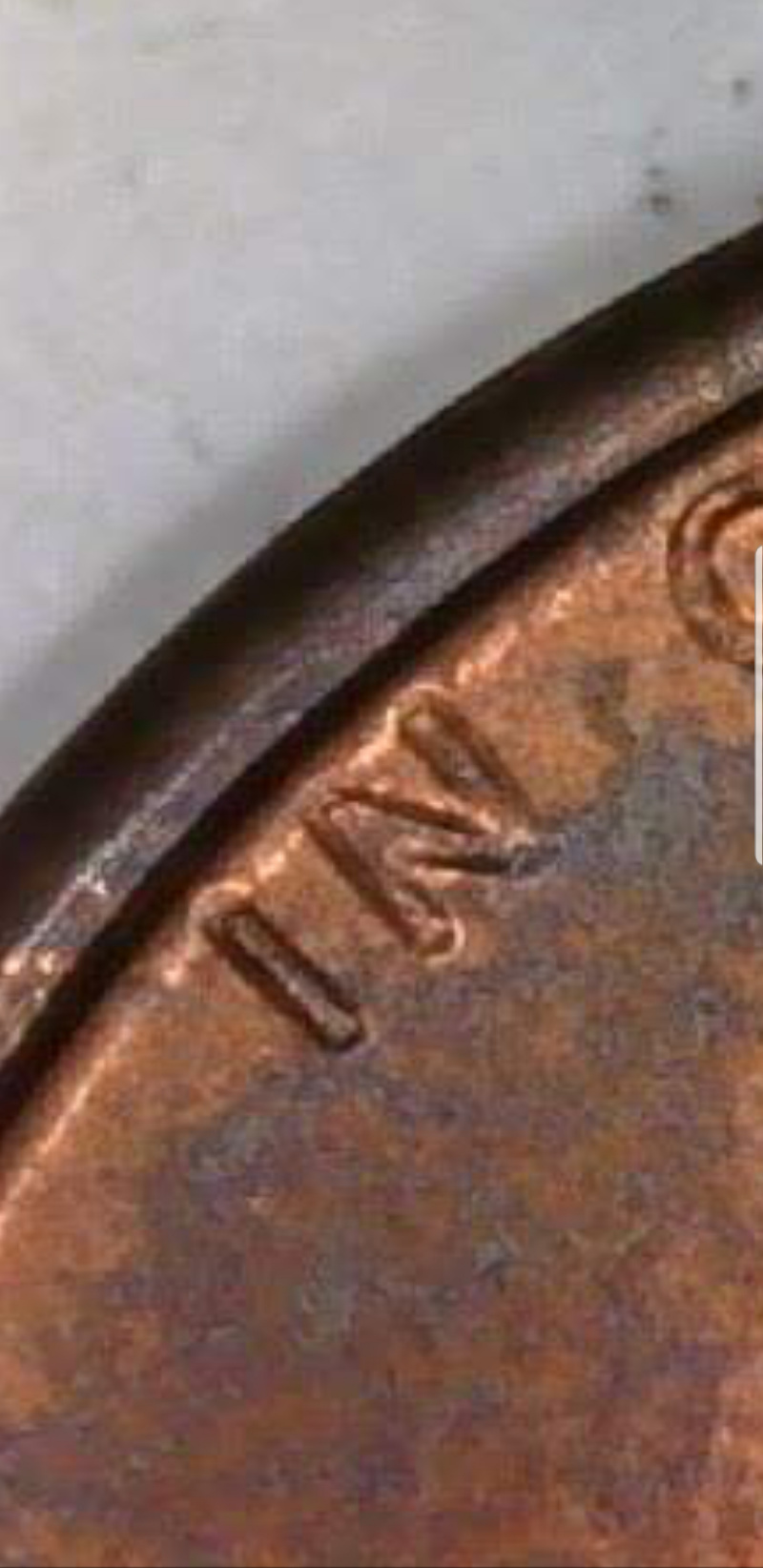 |
|
Bedrock of the Community
United States
62064 Posts |
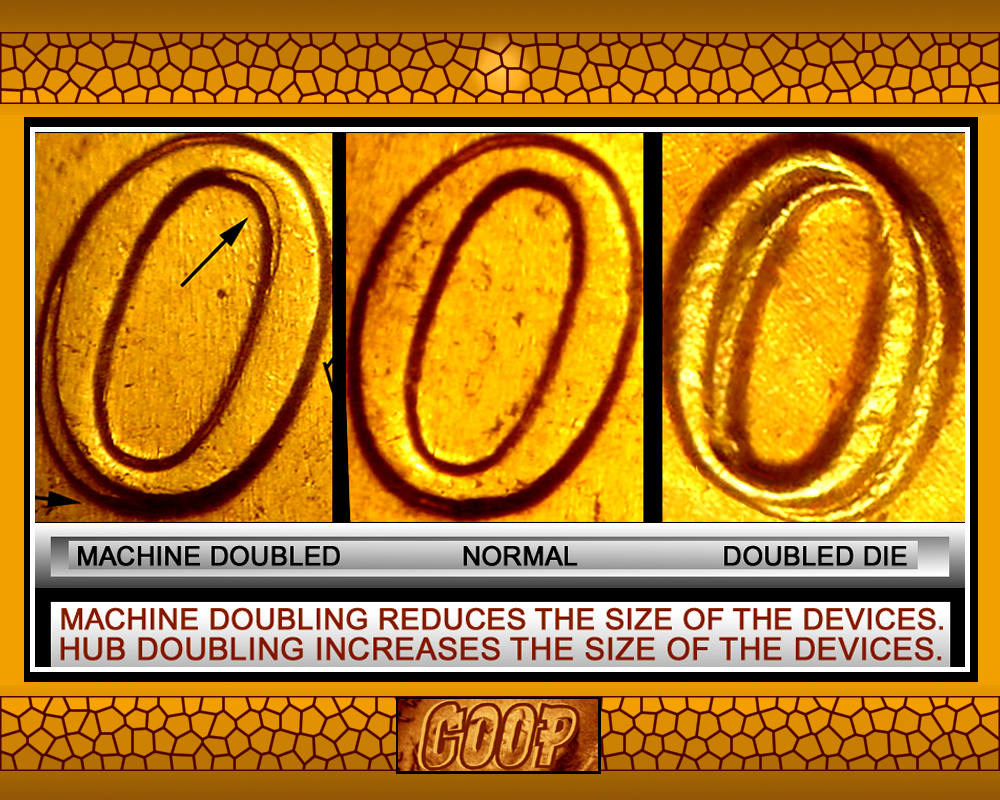
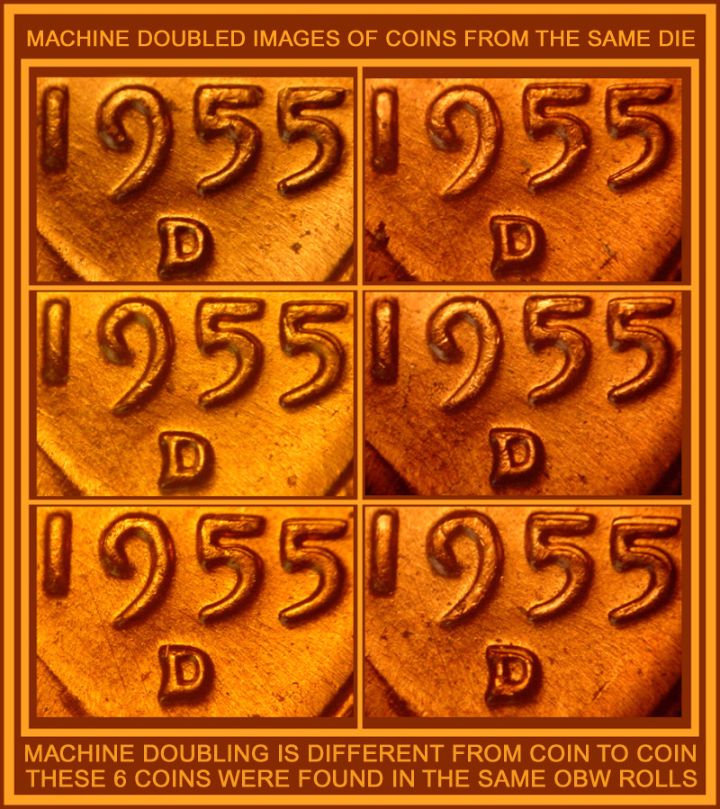
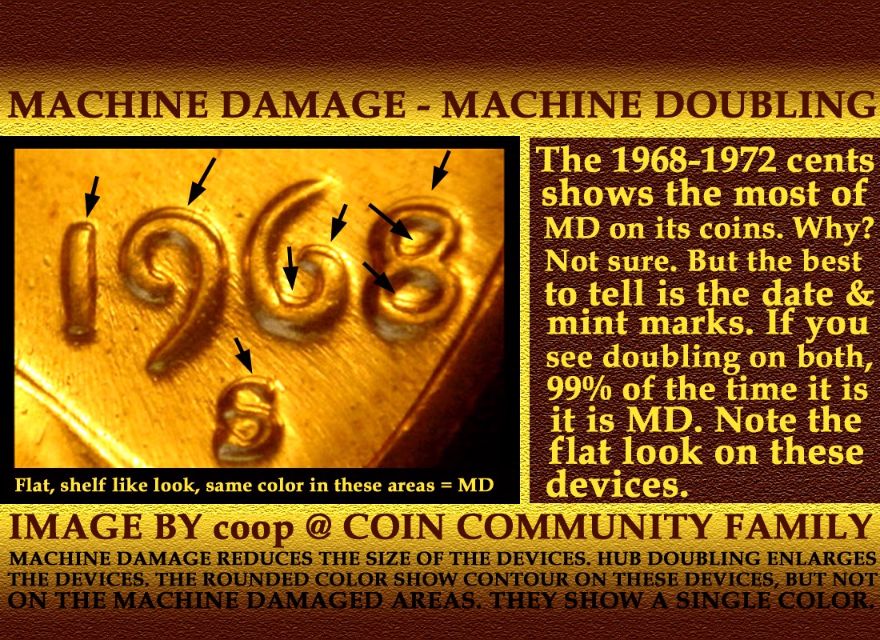
Your coins obverse die is one of the many master die doubled examples that make up 50% of the coins that year from all three mints: 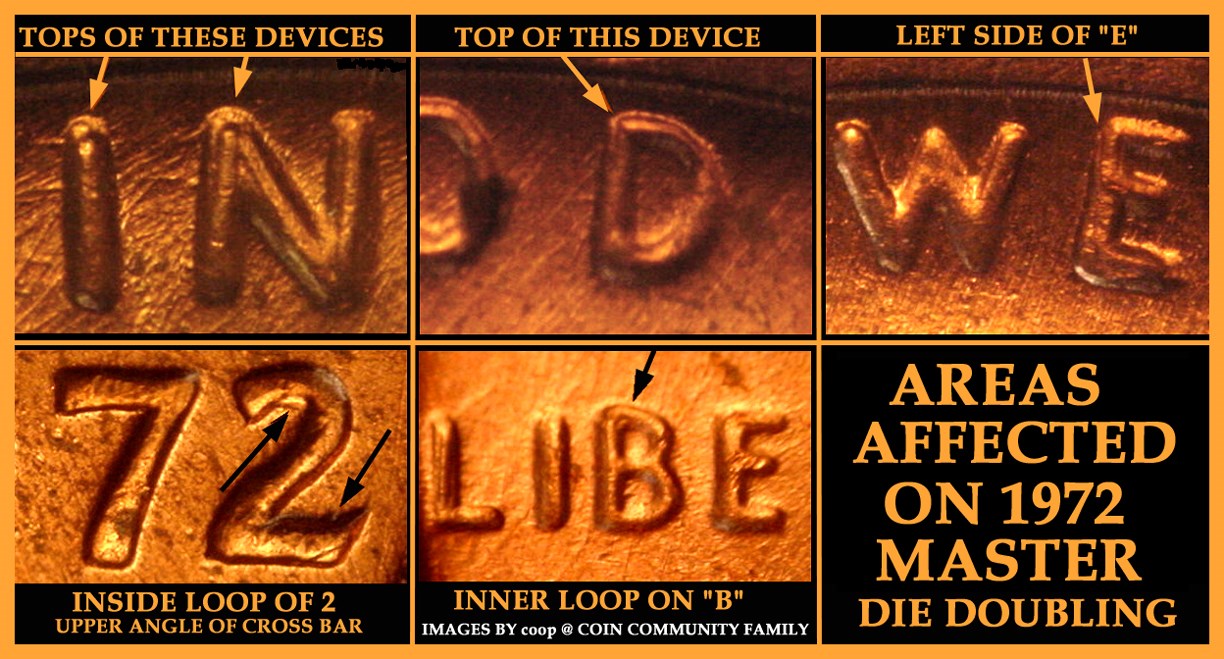 They are very common. On the date is an example of classic Machine Doubling on it. Note the affected area on the date, reduces the devices. On the doubled dies they are enlarged: 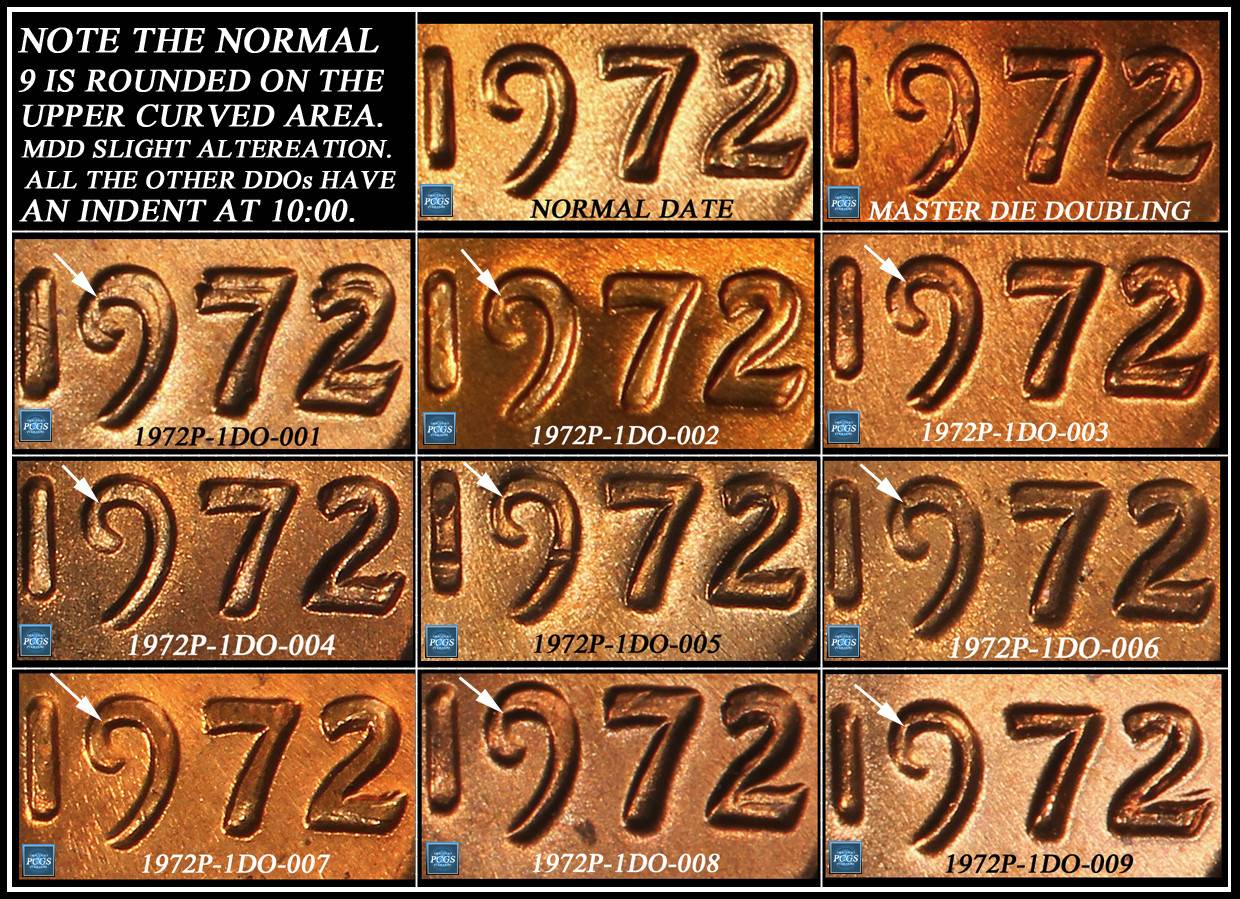 Note how the DDO's date is affected on that years DDOs from Phily. Look at the NE part of the '9' on the date. Note the white arrows. Edited by coop
02/19/2019 3:07 pm
|
|
Bedrock of the Community
United States
78477 Posts |
That's just the common Master Die Doubling found on most 1972 LMC's. The motto shows Master Die Doubling. Errers and Varietys.
|
|
Bedrock of the Community
United States
62064 Posts |
Here is what you are looking at. 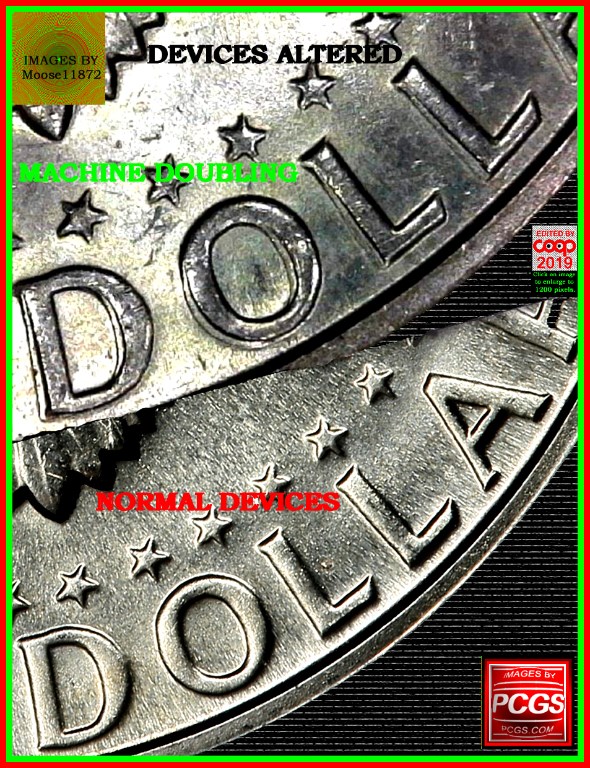 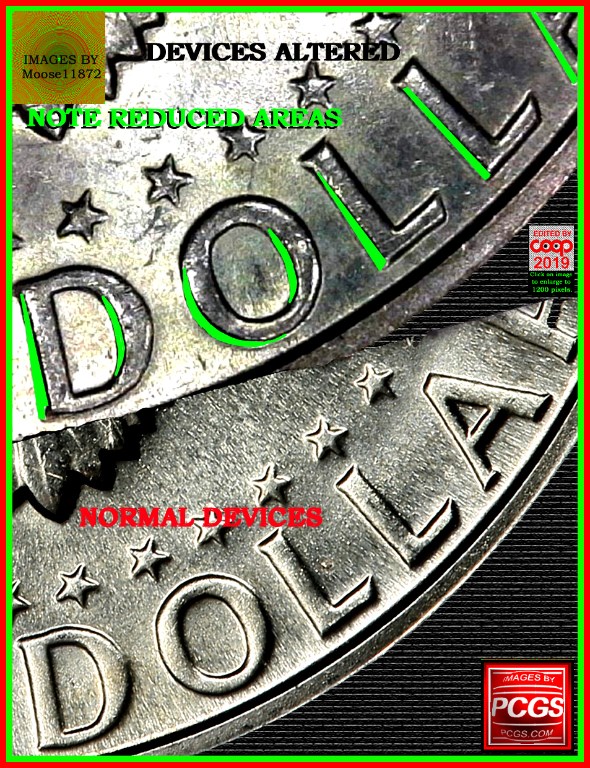 Note the green highlighted area is where the Machine Doubling is. On the tops of those devices you can see where the metal was pushed back. A lot of the larger coins have this Machine Doubling on this area. Quarters, Halves and large Dollar coins. No premium. These are from normal dies and damaged after the strike with die movement. |
|
New Member
United States
37 Posts |
No, they are common normal die strikes, that were altered after the strike. (devices damaged) On a MD coin if they were graded they are just a normal coin to the graders. Would I buy one. No! Even Machine Doubling affects doubled dies as well. So if a coin variety had MD, I'd still pass. MD just ruins it for me no matter what variety it is. Do you understand what were see and why it is not a doubled die? If you want to know, please ask. Quote:
I do understand what to look at. I knew the half was Machine Doubling I just wasn't sure with the cent. Thanks for the info. |
|
Bedrock of the Community
United States
62064 Posts |
Ok, Now I have an extra teaching aid on MD on reverses of halves. On the Cents, Look at the area with the white arrows first when searching. If the coin looks like that area on the '9', then look further on it. The Machine Doubling area is always the biggest hurdle for new collectors. If the devices are not enlarged, then see if they are reduced. But stop looking at the edges of the devices. They will either distract you with Machine Doubling or Die Deterioration. Look at the centers to see if they are enlarged or distorted. (Distorted is more on the single squeeze devices. They often look like over inflated bike tubes) |
| |
Replies: 12 / Views: 2,850 |
|





 Posted 02/19/2019 1:19 pm