Beautiful example of a very tough variety!
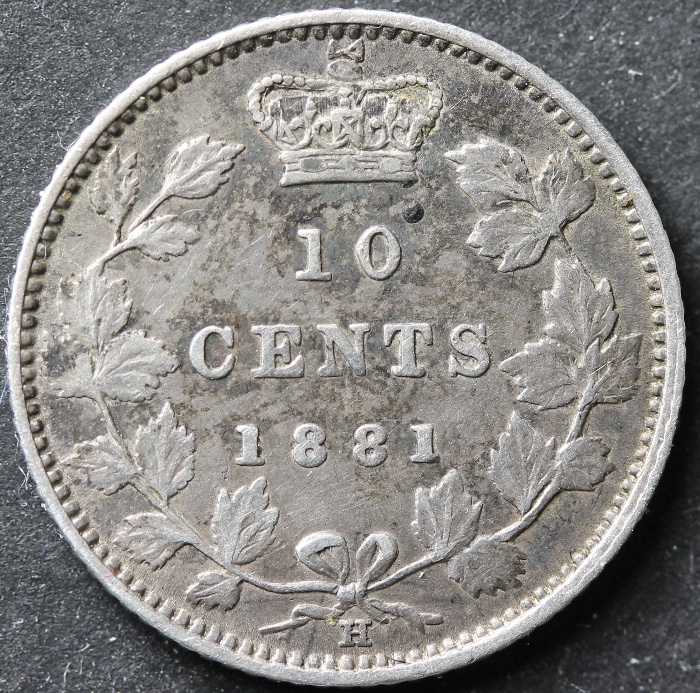
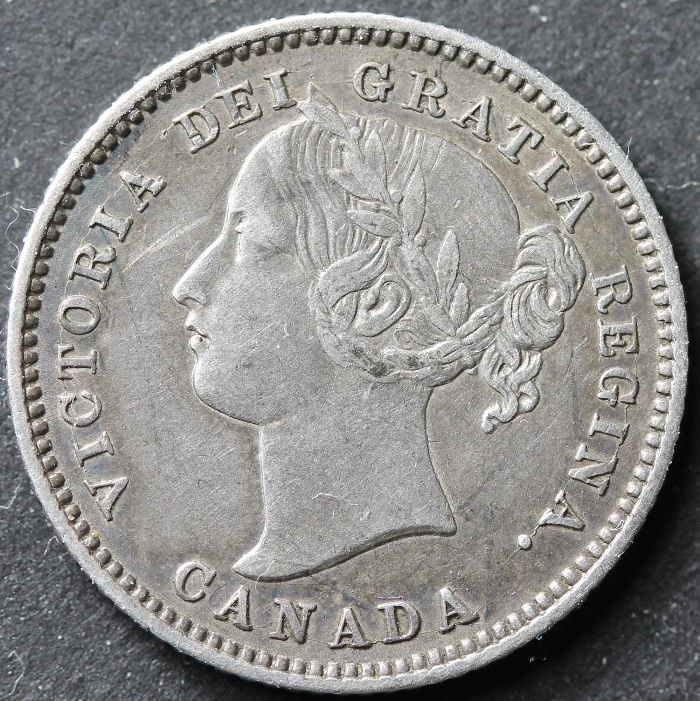
The coin has a slightly weak central strike. This is most noticeable in the strength of detail on the top knot and the loss of detail in the braid and hair above the laurels. The reverse shows the same central weakness, most noticeable on the second cluster of leaves on the right, adjacent to the "S" in CENTS. The interior leaf and left side of the top leaf lack detail, while the right side of the top leaf and the exterior leaf show the veins clearly. The coin is also struck from a late die state obverse die. As noted, there are multiple die breaks.
Because of the strike weakness and late die state, somewhat more weight should be given to the peripheral design elements in assigning the grade. The sharp detail on the top knot, lower curls, and hair adjacent to the laurel "rabbit ears" is closer to VF-30 than VF-20 or VF-25. The loss of detail in the braid near the ear is more likely due to the worn die and strike weakness than circulation. On balance, I would definitely be comfortable at VF-25, and would not be uncomfortable with VF-30.
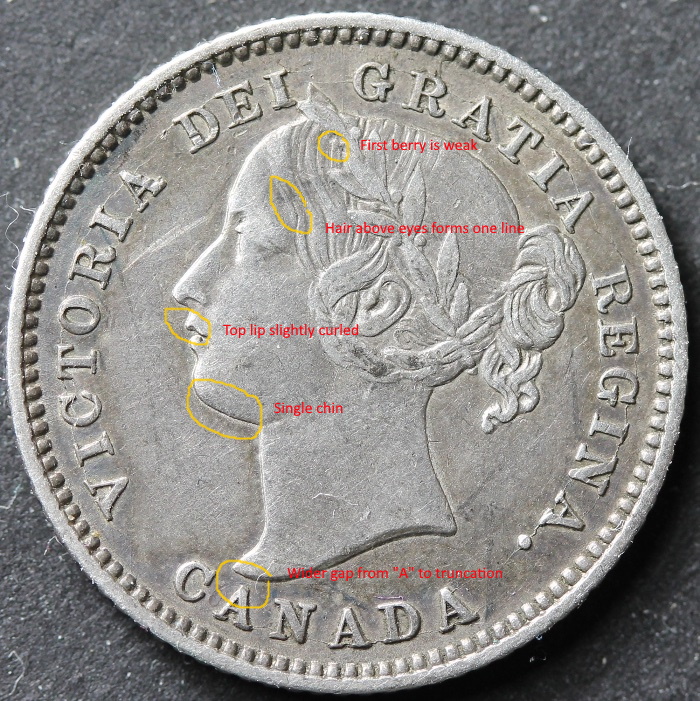
It is obverse 1. I marked the OP's photo with some of the key diagnostics (below).

On obverse 1, the first berry is weak. On obverse 2, the first berry was strengthened.
On obverse 1, the hair across the forehead forms one line. On obverse 2, the hair across the forehead forms two overlapping lines.
On obverse 1, the chin is curved and smooth into the neck. On obverse 2, there is a slightly doubled chin.
On obverse 1, the top lip is curled (almost a sneer), On obverse 2, the top lip is straightened.
On obverse 1, the truncation of the neck is smooth and more distant from the first "A" in CANADA. On obverse 2, the truncation is slightly notched, and noticeably closer to the first "A" in CANADA.
The Saskatoon Coin Club has an
excellent set of photographs showing the distinct ten cent obverse types.
Here is the marked photo:






 Posted 09/20/2019 2:54 pm





 won the lottery.


