| Author |
 Replies: 10 / Views: 1,301 Replies: 10 / Views: 1,301 |
|
|
Valued Member
United States
58 Posts |
|
|
|
|
Moderator
 United States
56855 Posts |
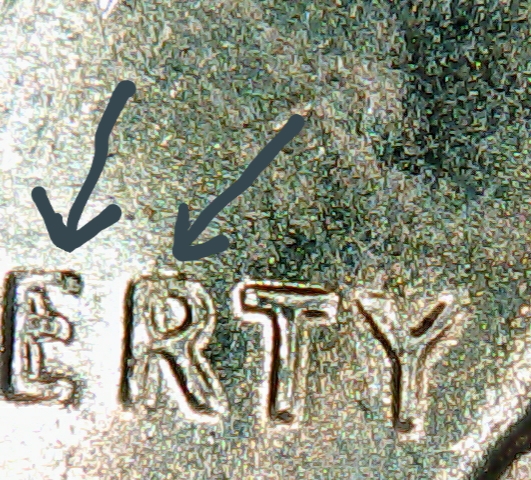
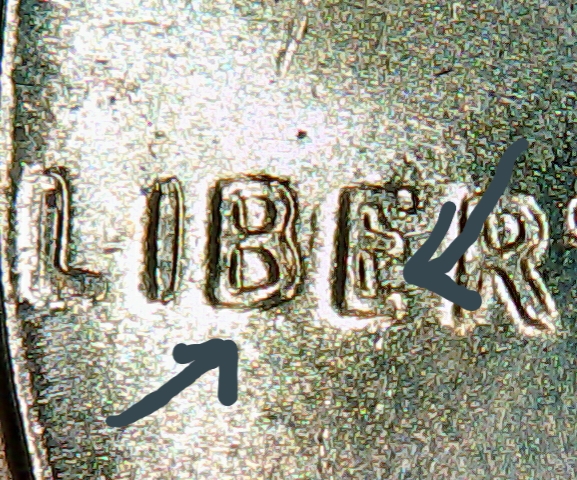
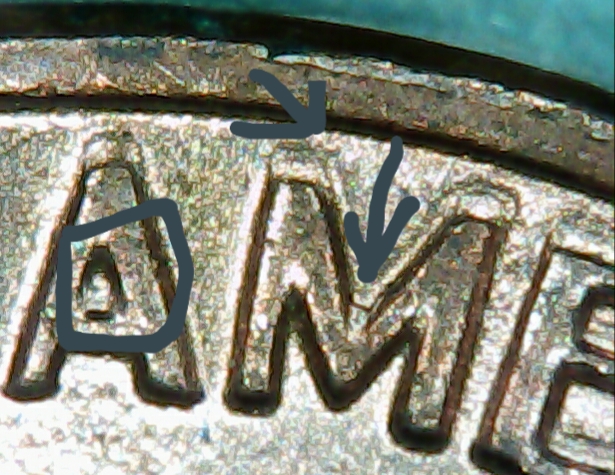
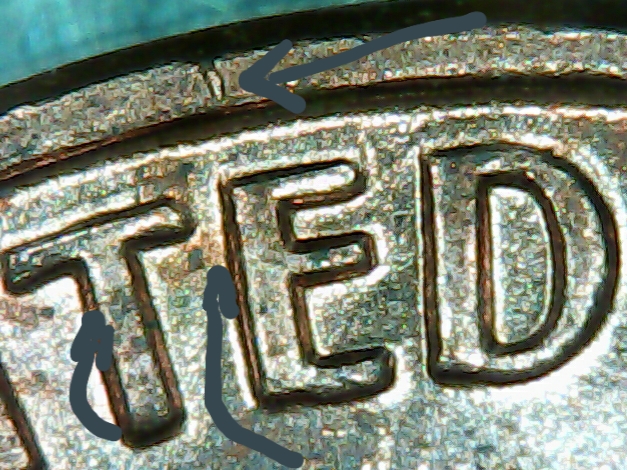
Looks like a lighting issue and DDD. John1  |
|
Valued Member
 United States
58 Posts |
|
|
Valued Member
United States
58 Posts |
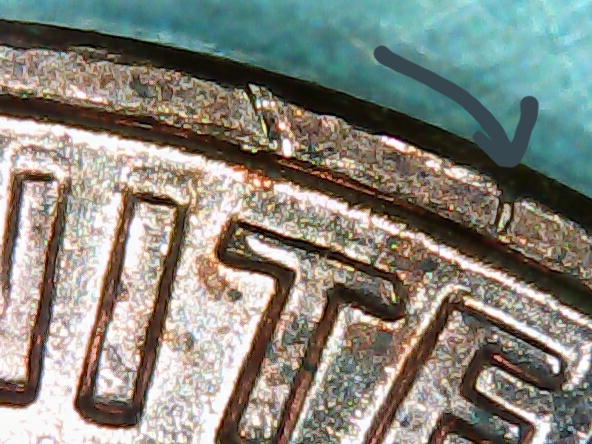
On this one you can see a double strike mark 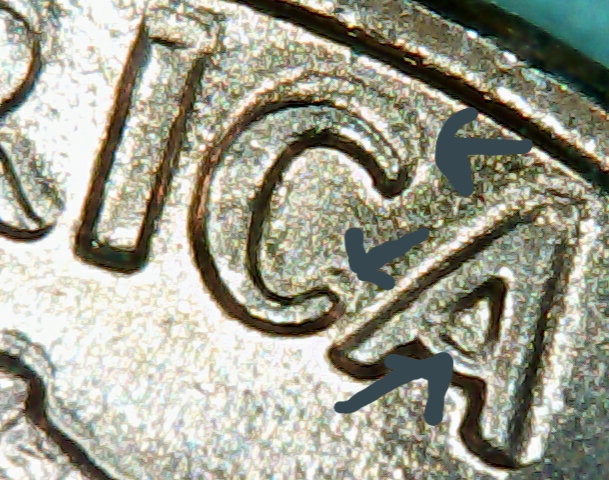 |
|
Valued Member
United States
58 Posts |
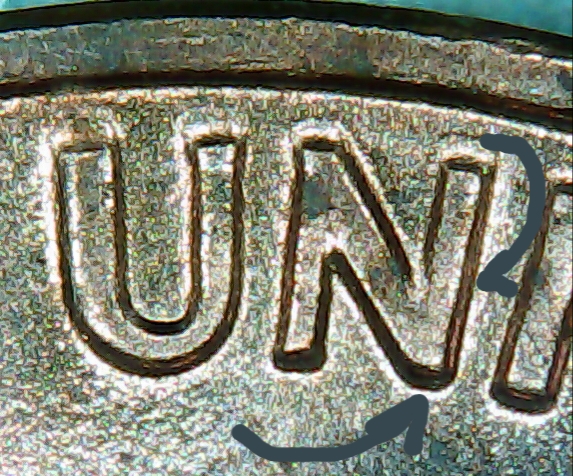
Here is a clear picture 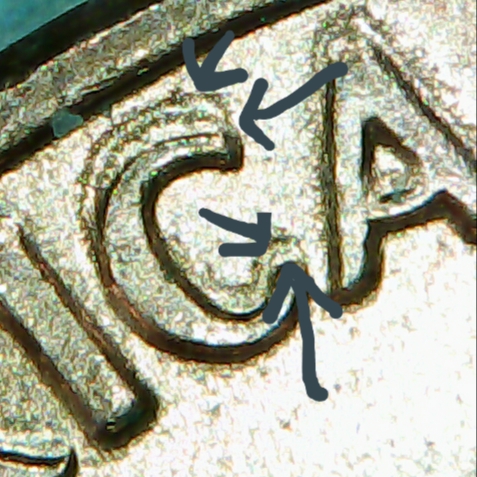 |
|
Bedrock of the Community
Canada
21926 Posts |
Not a double strike. As John1 pointed out, it is DDD. |
|
Pillar of the Community
United States
7600 Posts |
I agree with both members above.
|
|
Pillar of the Community
United States
4618 Posts |
 DDD DDD is Die Deterioration Doubling. It's found on coins struck with dies that should have been retired. The doubled image is always pushing away from the device towards the rim. The reason it doesn't add value is that it's seen on hundreds of thousands of coins, because the mints try to get every possible strike out of each pair of dies. ANA ID: 3203813 - CONECA ID: N-5637 Clean a coin that may be worth collecting? Please DON'T! When in doubt, leave it dirty!! 
|
|
Pillar of the Community
United States
1161 Posts |
this is DDD and lighting, to much glare |
|
Bedrock of the Community
United States
62064 Posts |
Die wear on the reverse. This is not a single squeeze die issue. 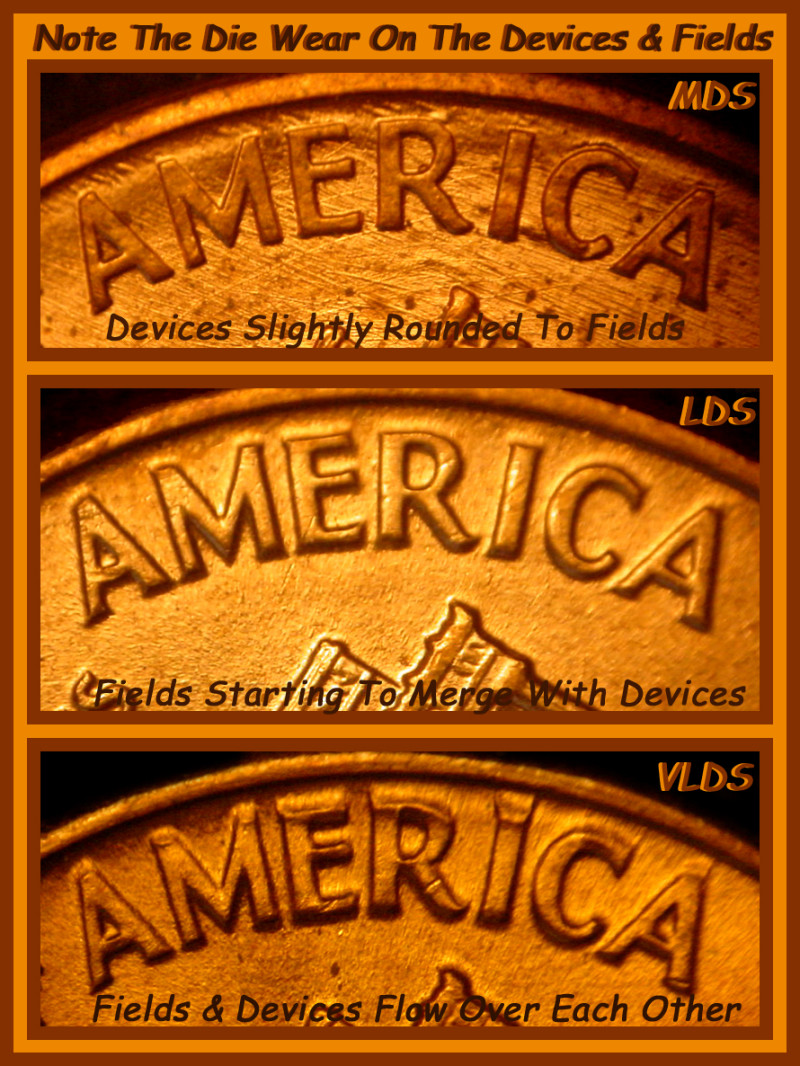 The devices are starting to move towards the rim. On LIBERTY this is Machine Doubling pushing towards the west. also note the devices on Liberty are reduced in size, so that tells me that the obverse die was over polished. (probably to cover over a previous clash marks. On the 'CA' on America, this is die wear. If it were hub doubling, then the devices would be enlarged. There are not. They could also show spread that is not flat like MD leaves: 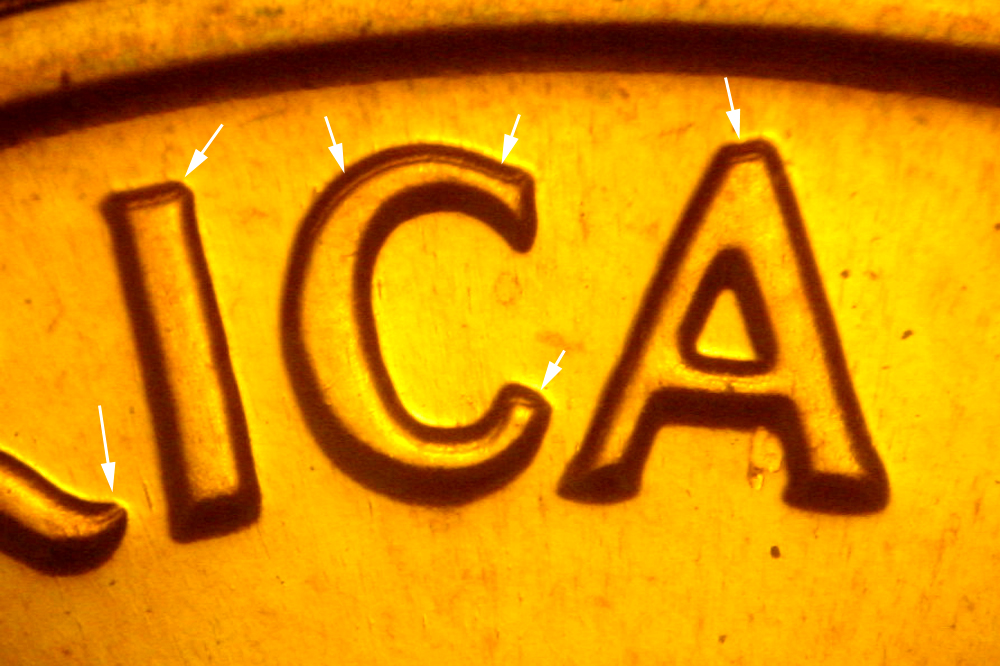 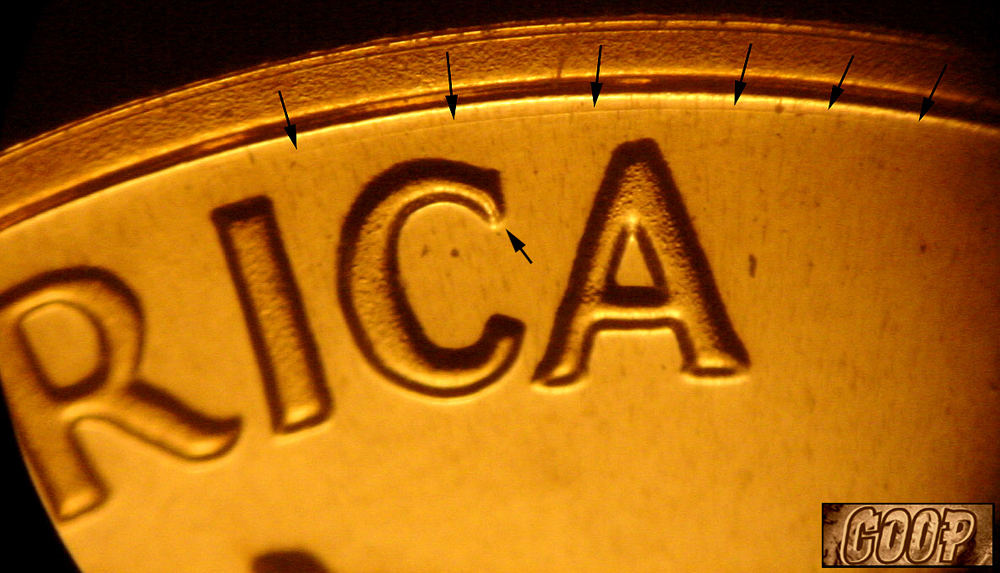 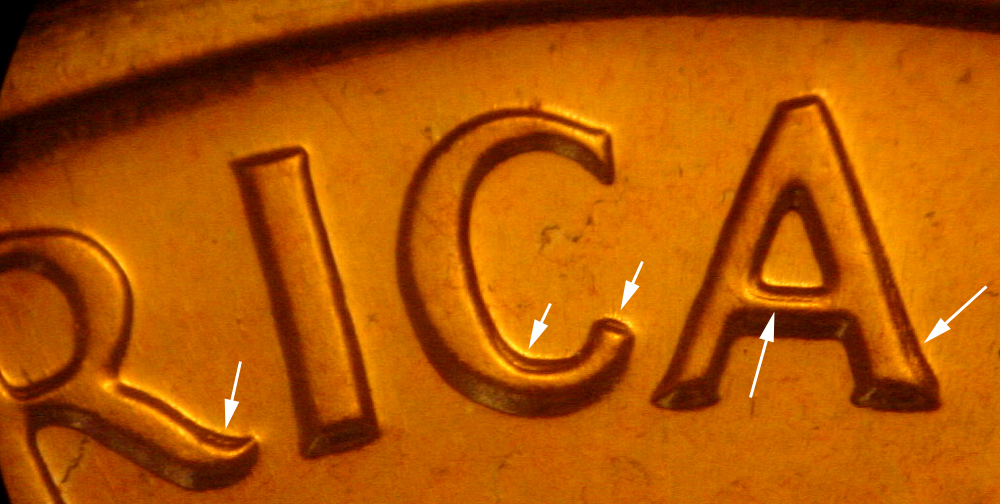 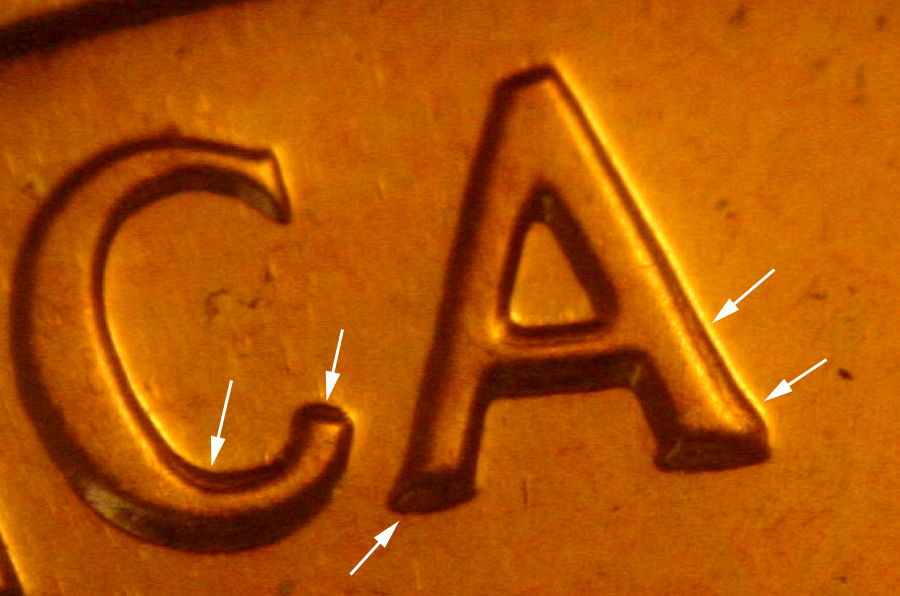 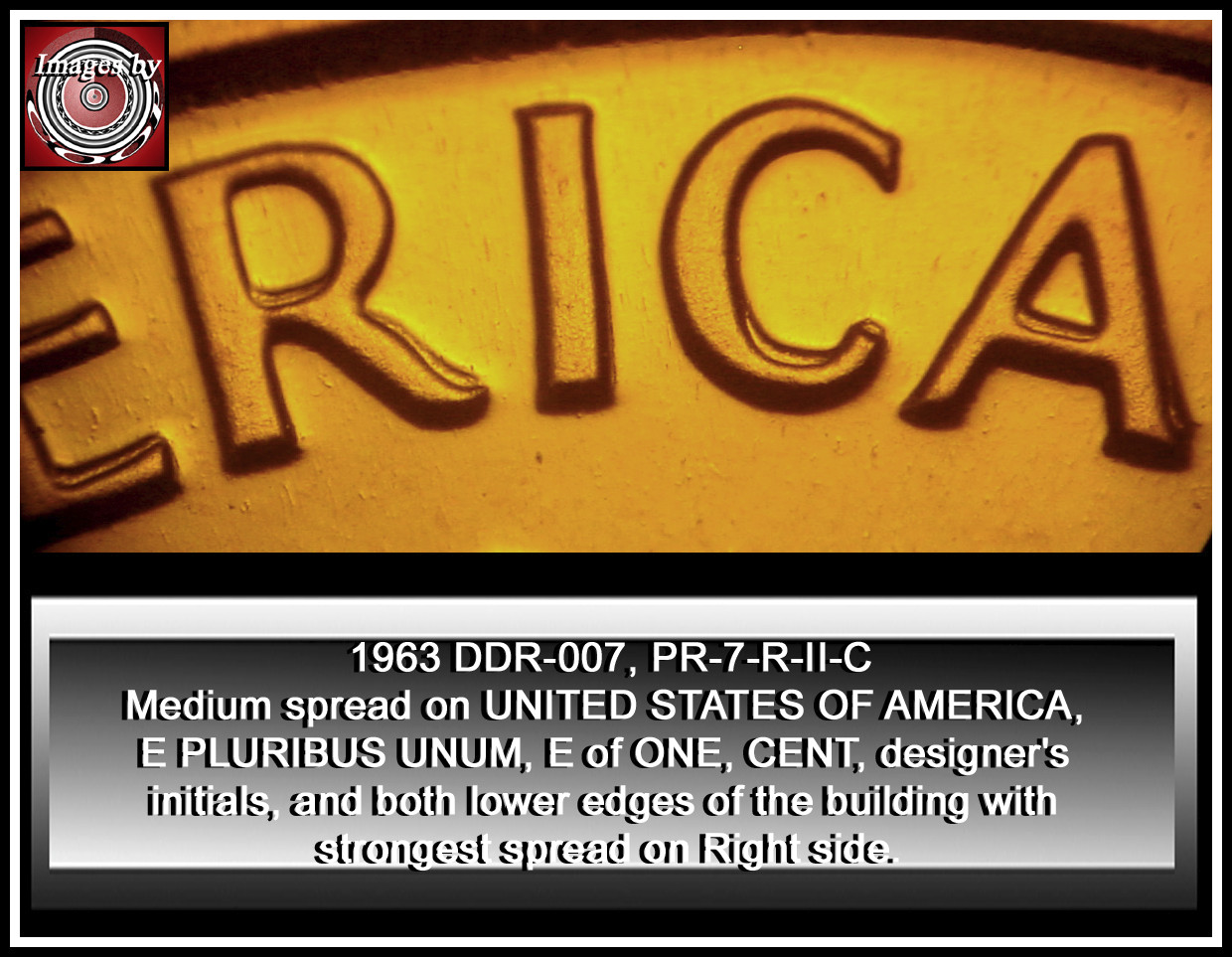  |
|
Bedrock of the Community
United States
94367 Posts |
Agree DDD, great explanation by Dr, Coop as always.  to the CCF! |
| |
Replies: 10 / Views: 1,301 |
|










 Posted 11/23/2019 09:49 am


