




 First Page


 Posted 11/23/2019 9:05 pm


Quote:
Apparently, your concept of serving the American public and my concept of serving the American public vastly differ.
Apparently, your concept of serving the American public and my concept of serving the American public vastly differ.
The mints obligation to serve the public is to provide coins for commerce which they have no issues with and to be profitable when it comes to collector items that are issued.
As far as what their obligation to collectors should be I would say that issuing a product that everyone wants as shown by a vibrant after market is serving collectors well.
It's hardly serving collectors when 90% of what they buy directly from the mint is worth less and often times significantly less within a year because it just wasn't exciting. That then leads to it being oversold as the leftovers are sold at a steep discount to big dealers at the end to clear out inventory that's sat all year which drops prices even further and even leads to somethings being easier and cheaper to just spend than try and sell.
Every one had the same fair shot to get the coin, they served the public.
Quote:
I don't collect ASEs and had no interest in this coin, but somehow I think that there are many collectors out there who don't feel well served by the contrived low mintage of this coin and their inability to obtain one at the issue price
I don't collect ASEs and had no interest in this coin, but somehow I think that there are many collectors out there who don't feel well served by the contrived low mintage of this coin and their inability to obtain one at the issue price
Many of which whom wouldn't want it if it was another unlimited mintage snooze fest. Many people are only upset because it's such a hot item and it's only such a hot item because it's so limited.


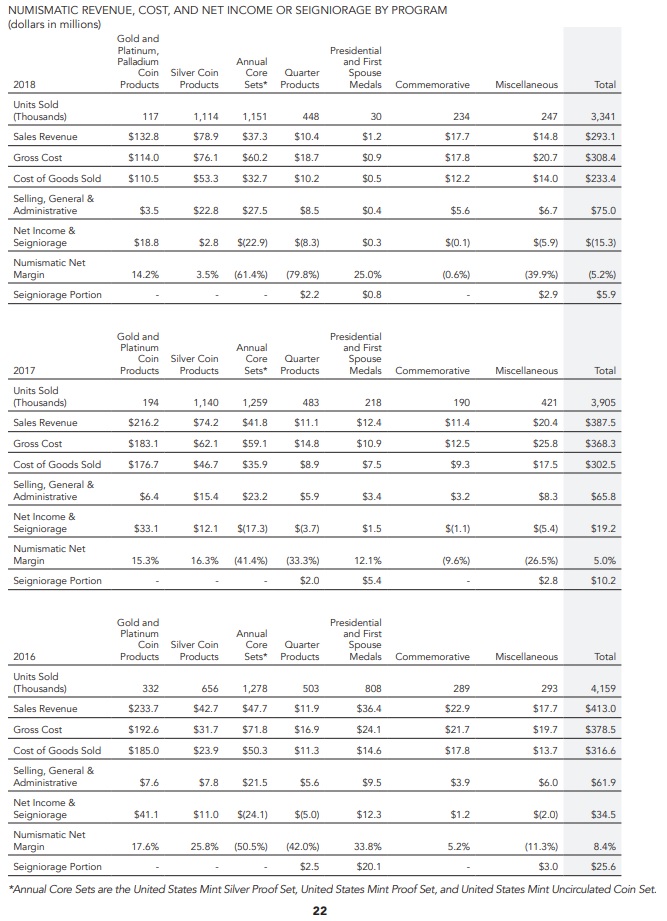


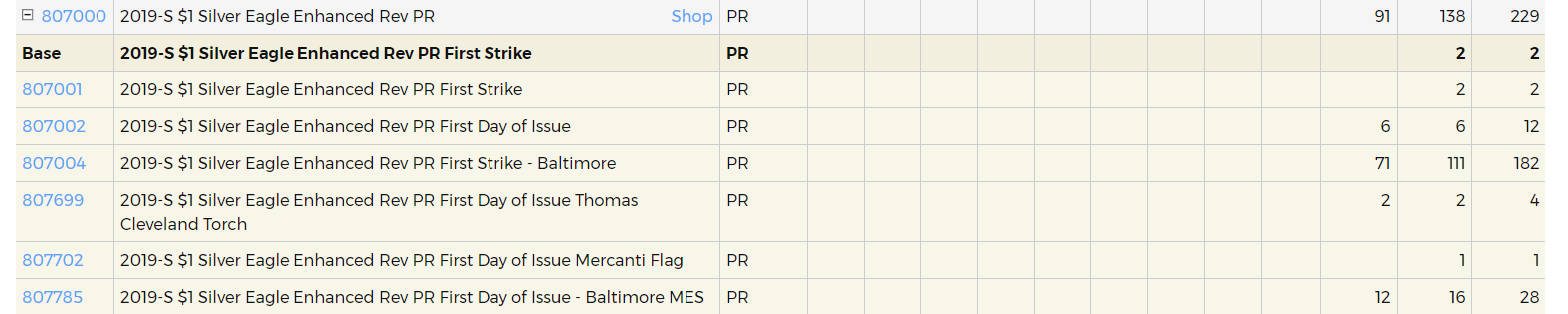


 . Since people are going to complain no matter what they might as well do things that get people excited and are a winner for those who were able to get one. Anyone who missed out can go on the after market and get one if they want since after-all that's the price it would have been if the mint was sucking the marrow out of the bone too like apparently at least a few people wish they did.


