It is
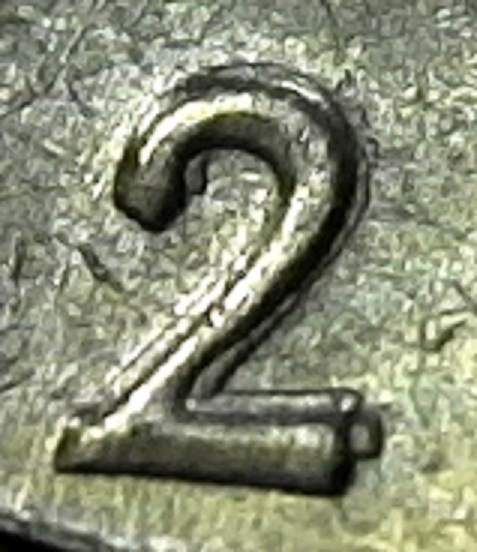
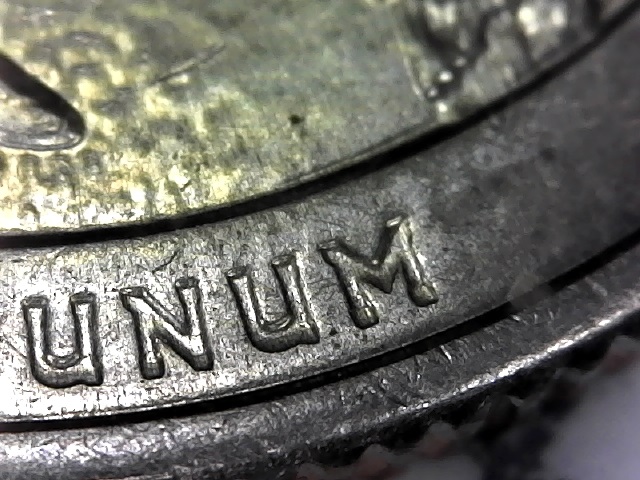
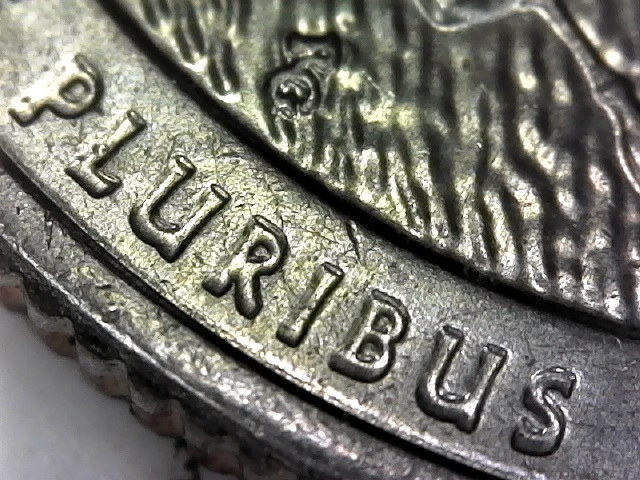
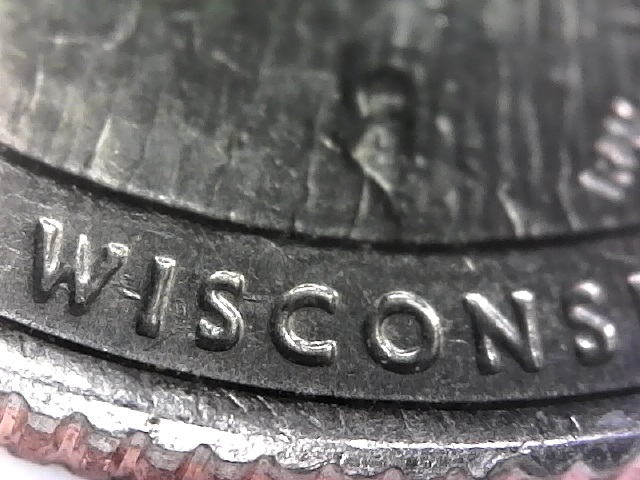
Machine Doubling. The devices are incuse and the rules for raised and incuse devices are opposites.
Raised devices get wider with hub doubling, reduced with
Machine Doubling.
Incuse devices (sunk into the coin) Show hub doubling as reduced in size and
Machine Doubling as enlarged devices.
The devices on the die are opposite of a coin. Devices/designs raised on a die, will be incuse on a coin. Items raised on a coin will be deeper into the die. The die creating process shows how this is transferred:

Lets observe this and what negative and positive means. When a the Master/working hubs are created, they are positives. (Meaning looking like a coin)

Note on the image, they have the lugs on the hubs. These lugs are transferred to the dies:
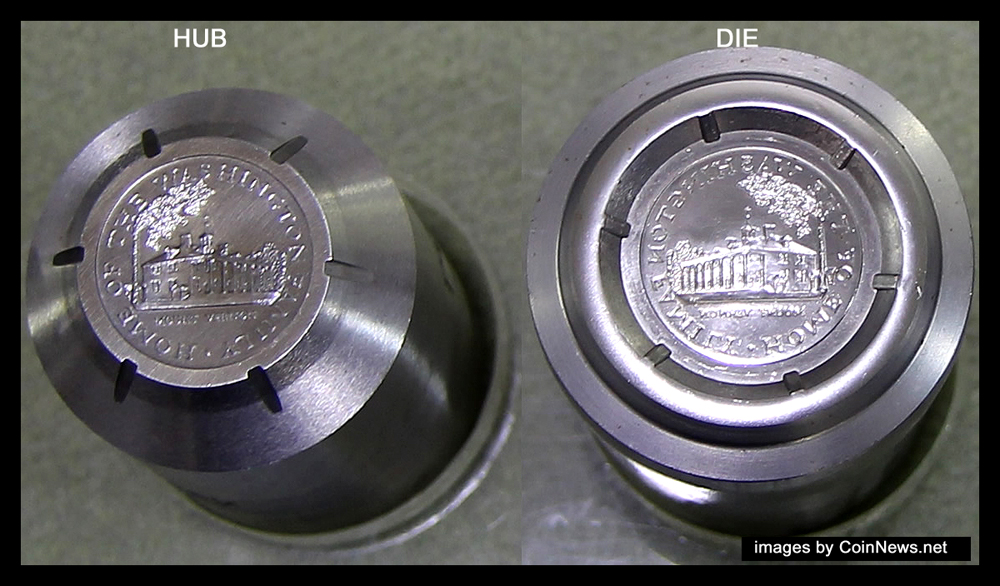
Note the incuse marks on the working hub and the raised areas on the working die? So Hubs are positives, like the coins. The dies are always negatives. The design is transferred from the master hub to the master die, to create working hubs and working dies. (Note the above images)
So what are incuse devices on dies. Areas like the VDB on the shoulder of Lincoln Cents. On the
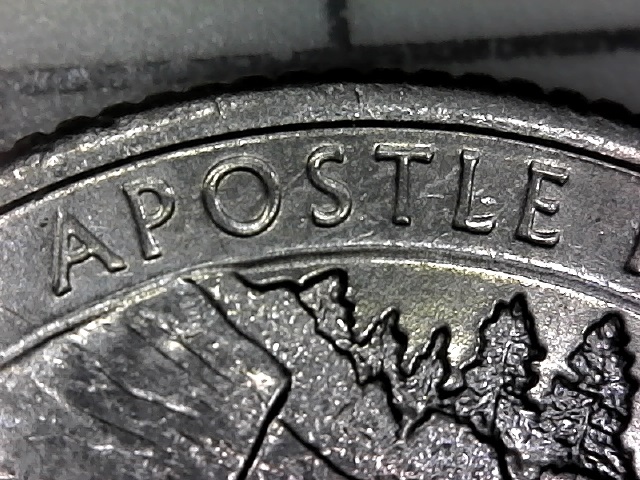
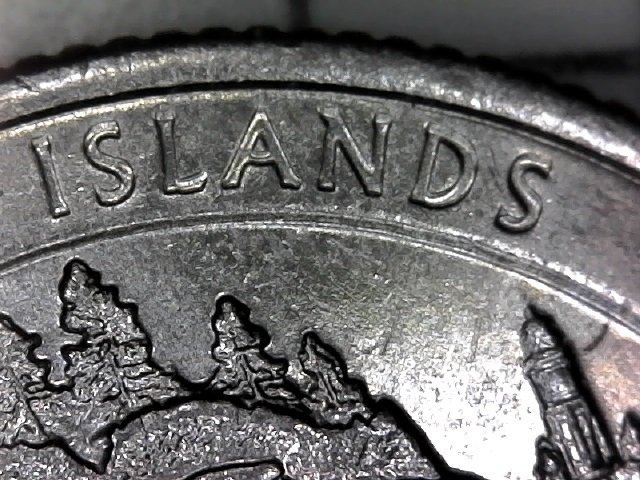
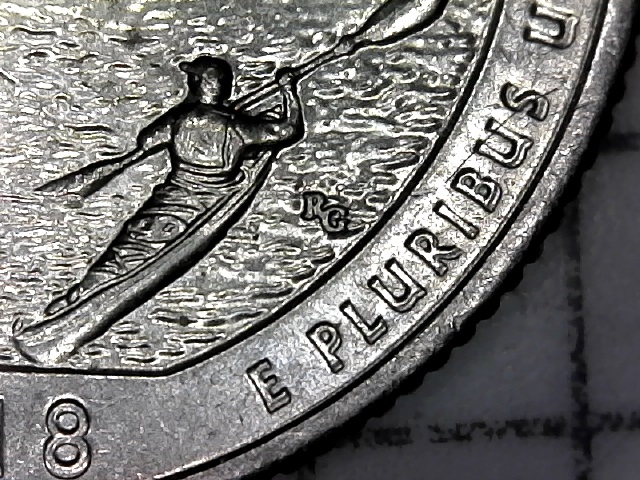
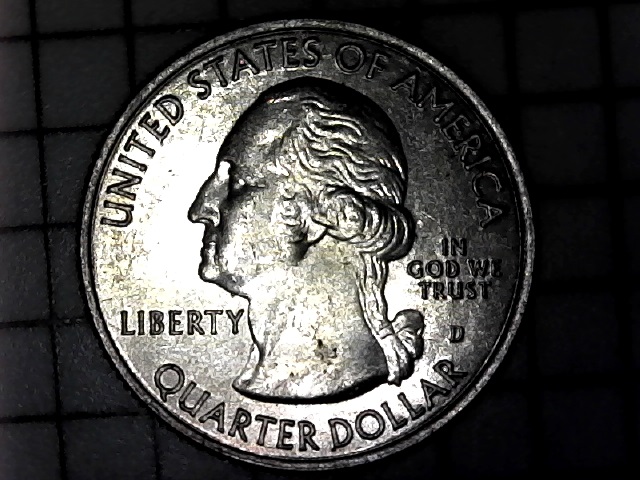
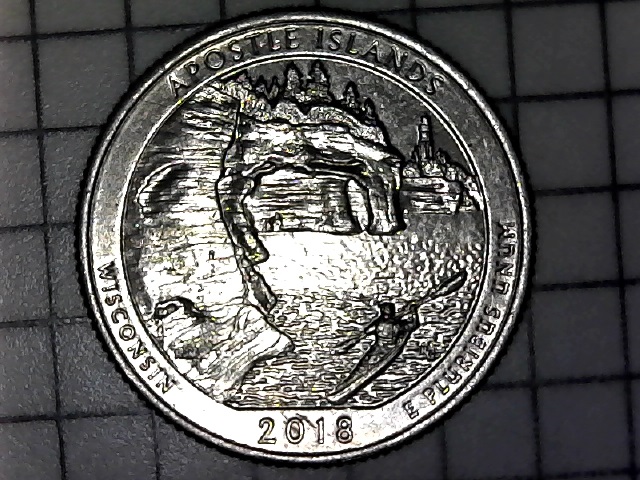
ATB Quarters the reverse devices inside the outer ring. These are incuse on the coin, raised on the die. also the shield cents EPU areas are incuse. So these devices when hub doubled are reduced in size:
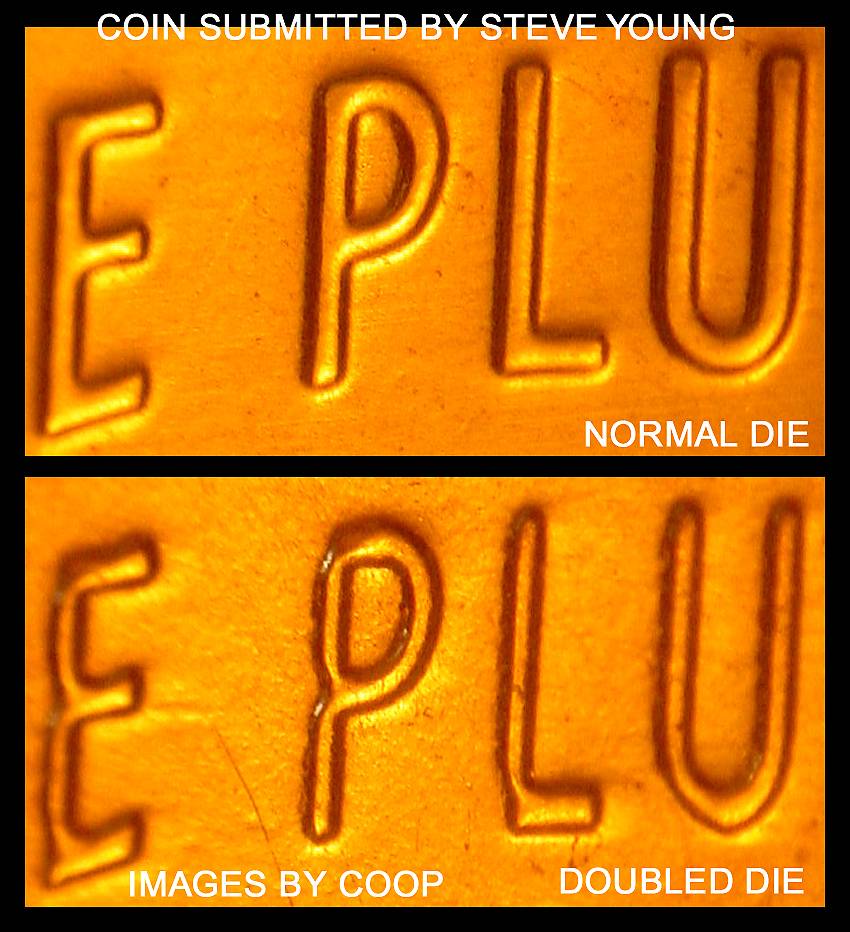
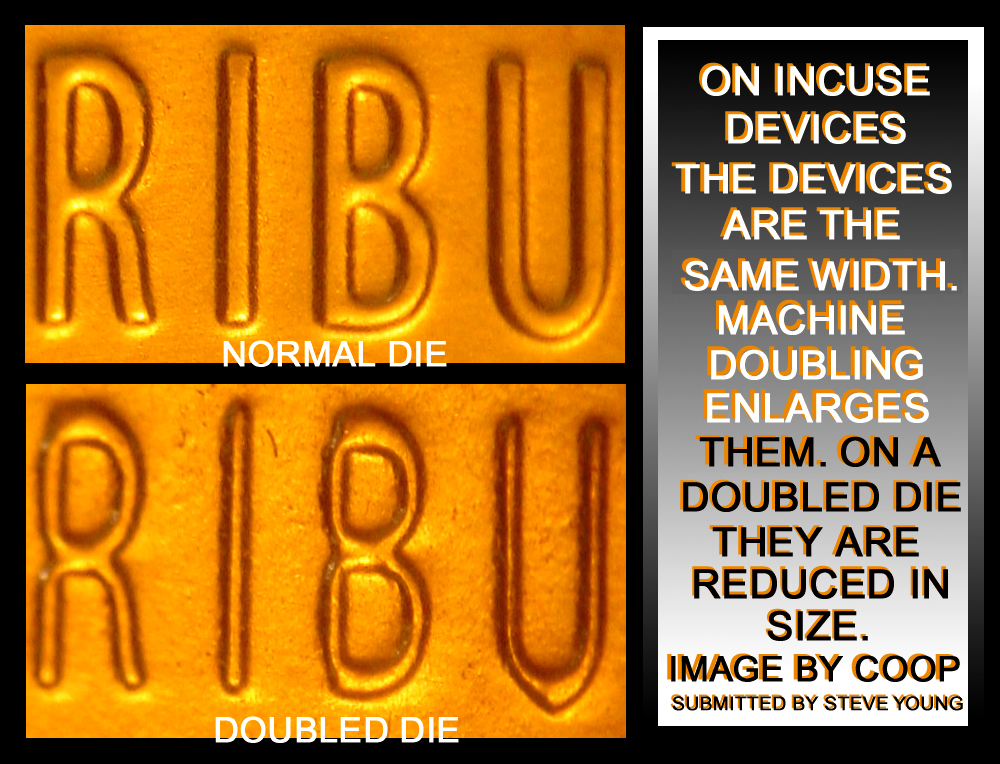
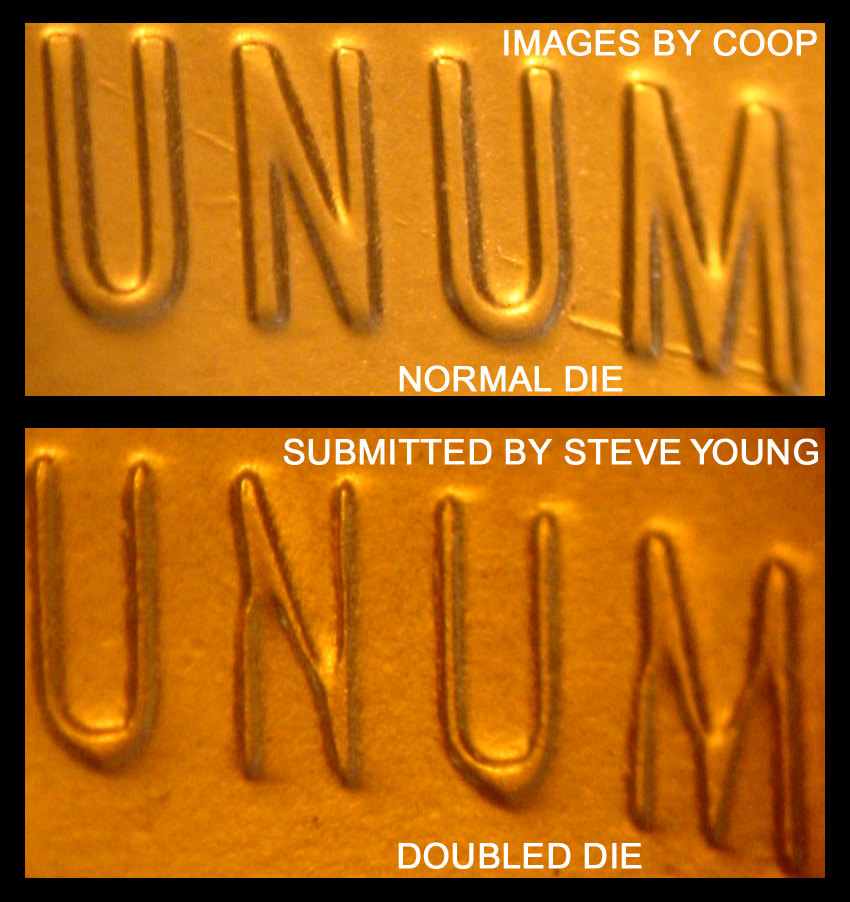
I have yet to see a
DDR (hub doubling) on the outer incuse devices on the
ATB Quarters. Why? Because of the single squeezed process, the hub doubling on the States quarters and the
ATB Quarters are confined to the centers of the devices. So when you see doubling on the
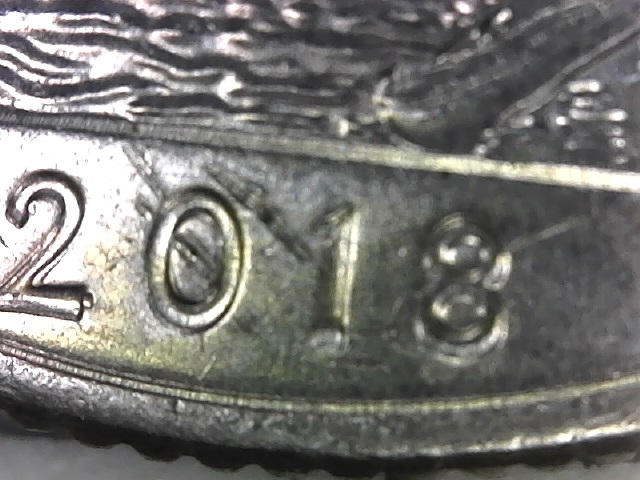
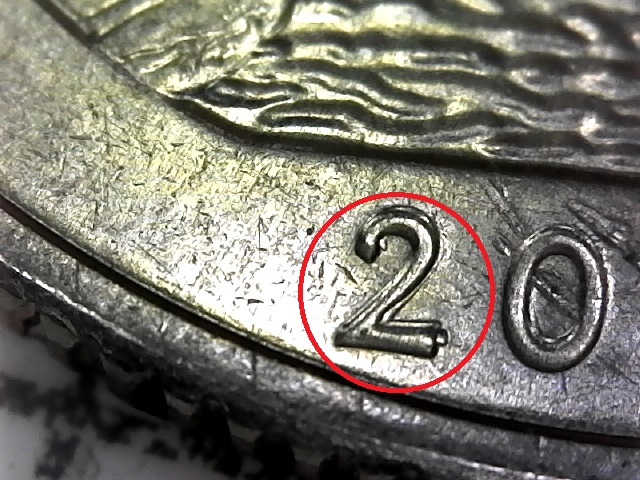
ATB incuse devices, it is not a doubled die, but
Machine Doubling. The disadvantage of incuse devices are that they are raised on the die. So die polishing will affect them more.
CoopHome :
ATB incuse raised devices EPU VDB









 Posted 01/19/2020 07:28 am