| Author |
 Replies: 8 / Views: 1,295 Replies: 8 / Views: 1,295 |
|
|
Pillar of the Community
Canada
1186 Posts |
Hey everyone, so the other day the wife and I were out running errands and I popped into tim hortons to grab some coffee while she went and browsed around in a local dollar store next door to grab some things for her crafts and she came to the car telling me I should look at this toonie she got back in her change when we got home. Well she clearly has better eyes than I do because when she handed it to me it looked like a normal fairly uncirculated 2016 toonie, until I put it under my microscope and played with the lighting to get a better look, low and behold there is clearly some sort of doubling on the obverse that for who knows what reason she managed to see with just her eyes. I mean at first, it looked like Machine Doubling, but looking further into the rest of the lettering of the obverse and the date, I'm starting to lean more towards a DDO, all of the letters and numbers show the same doubling, but if it were MD the devices would be smaller and reduced, but in this case, the devices are Larger. So now I'm am stuck in a debate on whats going on, I can spot a DDO on a penny no questions asked, but Toonies are really not my specialty by no means so I'm hoping someone on here might shed some light on this for me. Thanks in advance and hope everyone is having a good weekend! 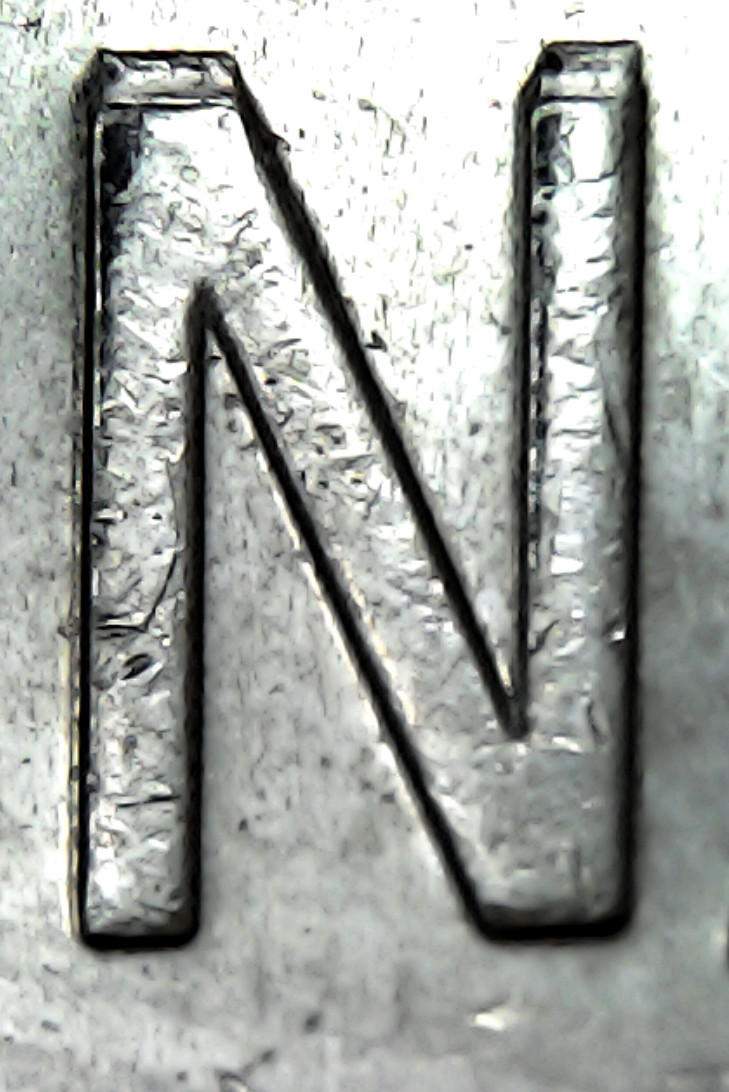 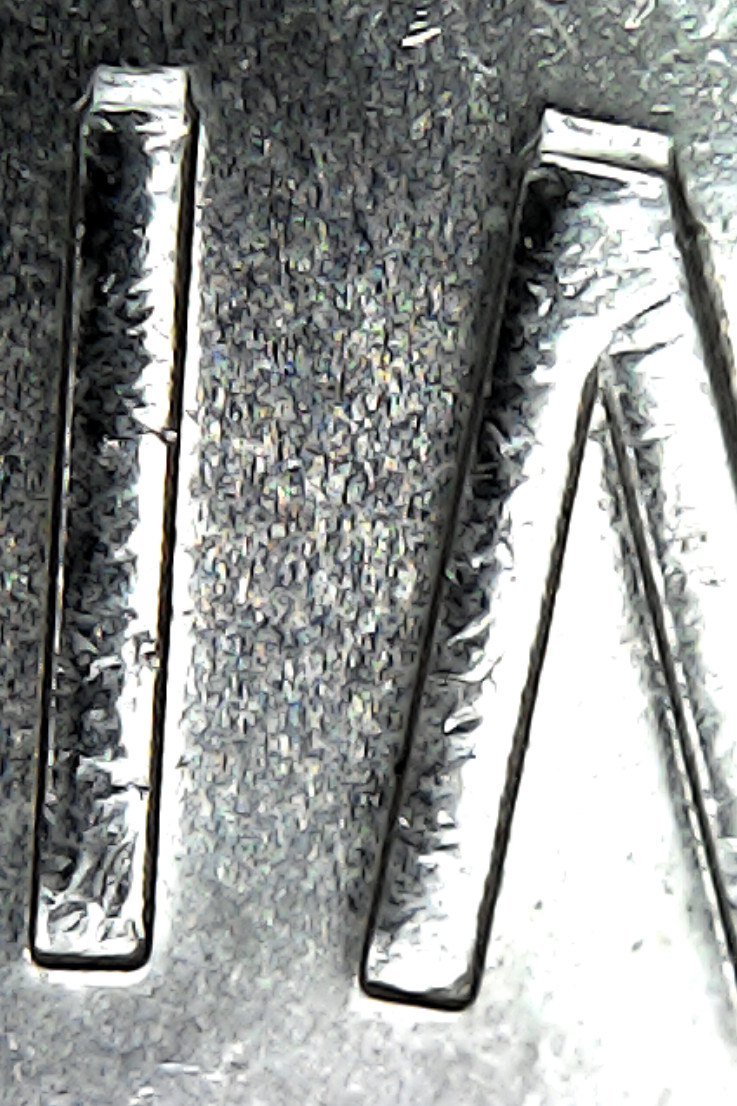 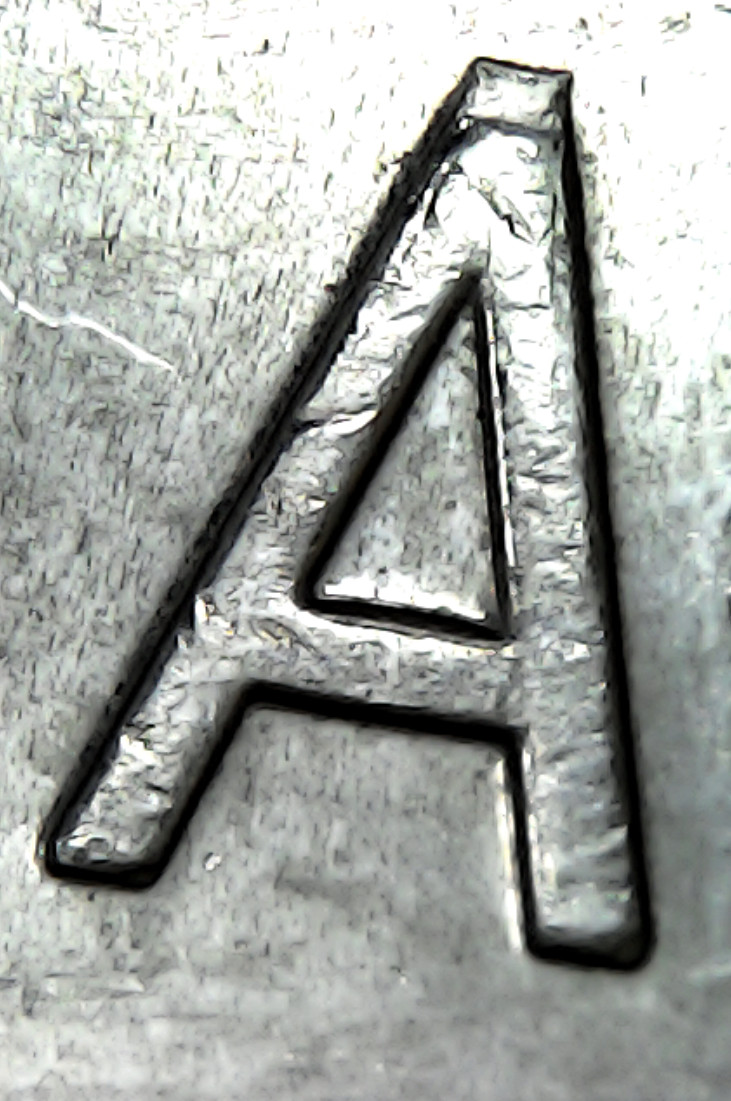 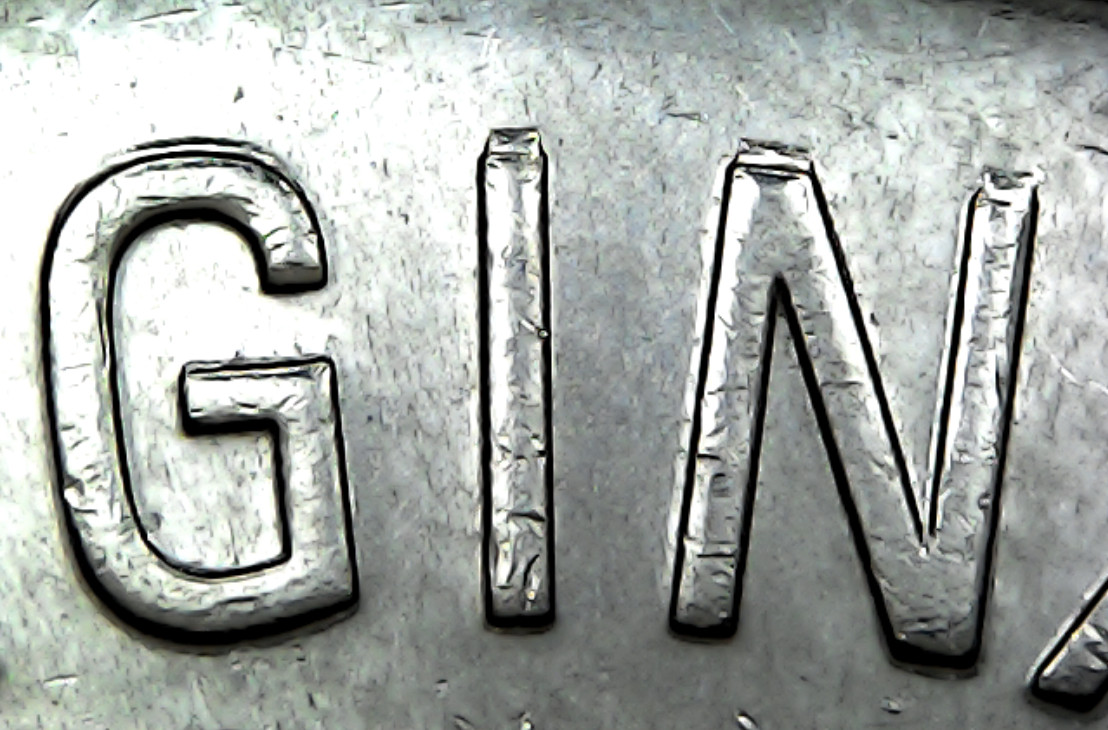 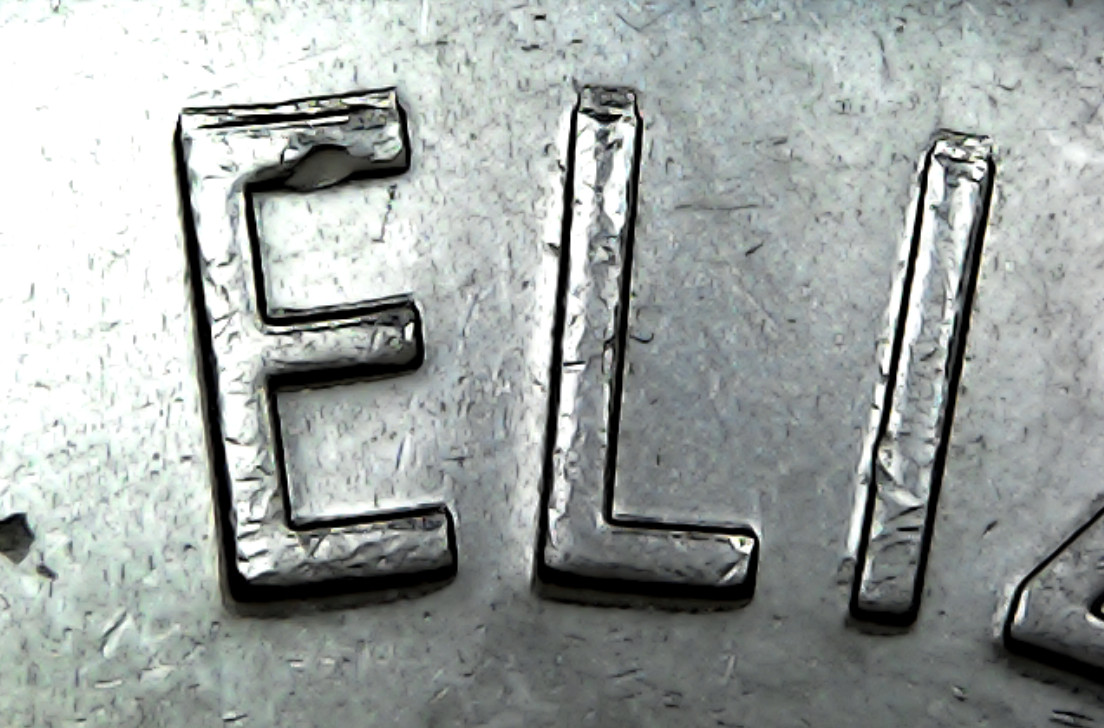 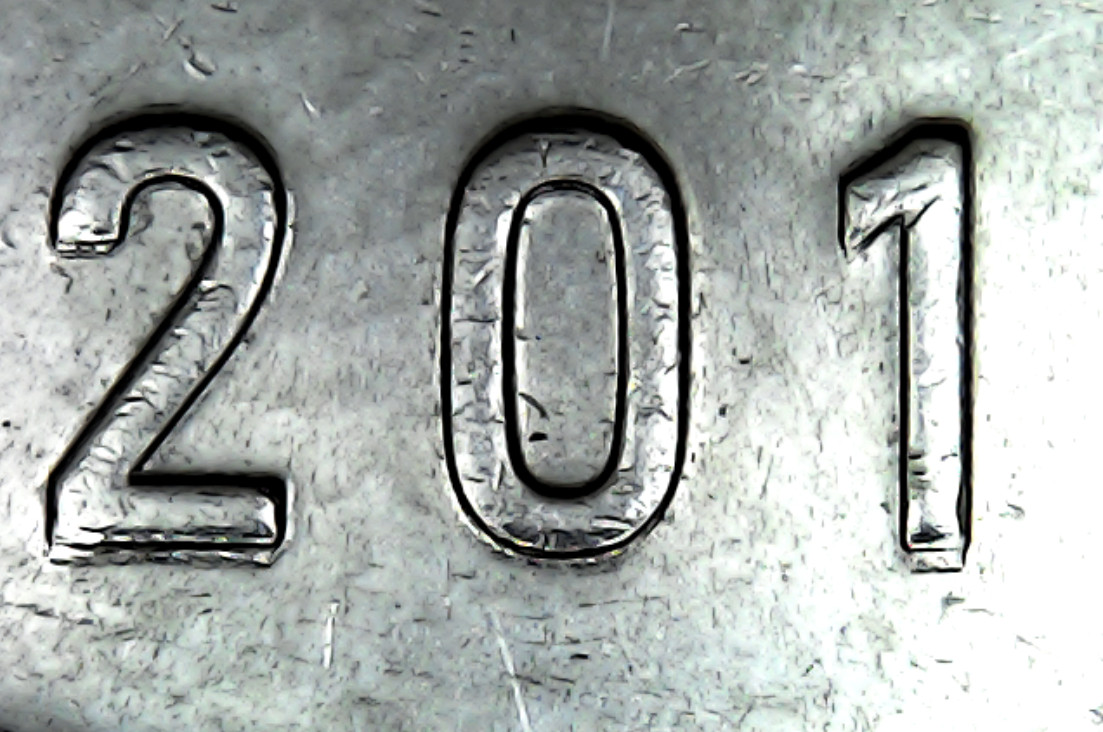 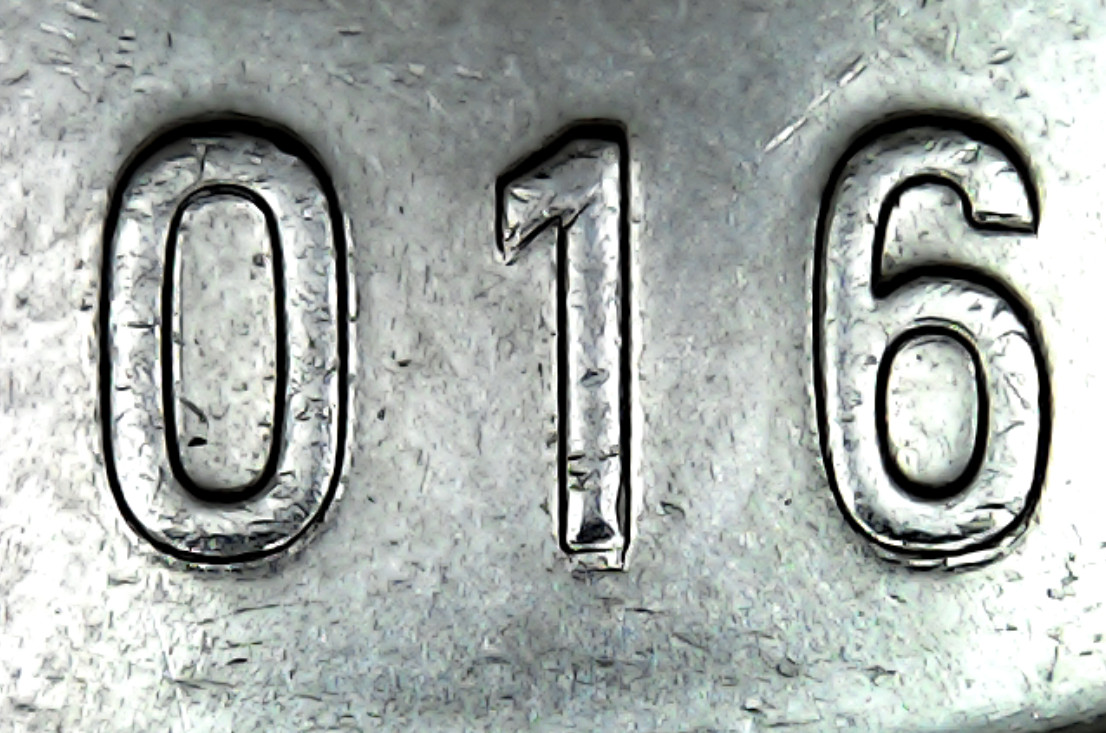 Finding and discovering modern Canadian doubled die varieties since 2018. 2023 Recent Publications: Modern Canadian Doubled Die Varieties - First Edition PDF & Paperback https://www.mcddv.ca (website currently down for maintenance as of 08/01/2024) |
|
|
|
Pillar of the Community
 Canada
5606 Posts |
I can really tell nothing from magnified computer images, but I'd say hub-doubled if it were a large cent. I don't know how many strikes it takes with a modern coin to complete a working die from the hub, but it was 2-4 for the early large cents. It may be hours or days or weeks between strikes because the hub or punch has to be hardened and the die annealed before each whack. I don't know about toonies.
|
|
Pillar of the Community
Canada
9878 Posts |
Quote:
...don't know how many strikes it takes with a modern coin... One. Die production has come a long way since Victorian times. The RCM uses a single squeeze method for hubbing dies. I believe they have been doing this for about 35 years, maybe longer. "Dipping" is not considered cleaning...
-from PCGS website
|
|
Pillar of the Community
 Canada
1186 Posts |
Thank you for the reply guys, I was checking out error-ref and I came across a post about Class II distorted hub doubling, and although this is a Canadian coin the process used to make it is virtually the same, from the best of my knowledge I am leaning towards this being a distorted hub doubled 2 dollar coin. Quoted from Error-ref http://www.error-ref.com/doubled-dies/Quote:
Class II hub doubling is most often characterized by doubling that parallels the outside edges of the devices closest to the rim. The two primary requirements are that the spread be directly toward or away from the rim (without rotation or pivot) and that there be clear separation lines in the doubling. Would you say this applies here? Finding and discovering modern Canadian doubled die varieties since 2018. 2023 Recent Publications: Modern Canadian Doubled Die Varieties - First Edition PDF & Paperback https://www.mcddv.ca (website currently down for maintenance as of 08/01/2024) |
|
Pillar of the Community
Canada
9878 Posts |
No.
As far as I know this type cannot be the result of single squeeze hubbing.
"Dipping" is not considered cleaning...
-from PCGS website
|
|
Pillar of the Community
Canada
1186 Posts |
Quote:
.No.
As far as I know this type cannot be the result of single squeeze hubbing. Thanks for the reply DBM, would you know what type of doubling this may be? I have a 2015 and 2016 25 cent quarter that both show this same thing but on the reverse instead of the obverse, they are more severe than this, and everything seems to be shifting away from the center of the coin closer to the rim, I ruled out MD because all devices are thicker than normal, but in the appropriate places one would find on a DDO / DDR. . Finding and discovering modern Canadian doubled die varieties since 2018. 2023 Recent Publications: Modern Canadian Doubled Die Varieties - First Edition PDF & Paperback https://www.mcddv.ca (website currently down for maintenance as of 08/01/2024) |
|
Pillar of the Community
Canada
9878 Posts |
I'm no expert but it says on that site you linked to that Class VIII or IX is most common for single squeezed dies.
Have a look there.
"Dipping" is not considered cleaning...
-from PCGS website
|
|
Valued Member
Canada
219 Posts |
|
|
Pillar of the Community
Canada
1186 Posts |
Thank you for pointing that out DBM, after reading Class XIII and IX like you suggested they seem to be more appropriate references on what I'm looking at, although I'm not 100% sure of what this coin would classify as out of the two. numidan, thank you for the reply and the link to your post. I did some searching online and on the coins and canada website they have a 2015 and 2016 quarter listed with what they call "Double Date" but I was never sure if they were truly "doubled" as I have seen quite a bit of Die Deterioration Doubling on most of the ones they have listed as "Double Date" so I never bothered looking into them until I found two that I could actually examine in hand. I will make a separate post about them when I get a chance. Finding and discovering modern Canadian doubled die varieties since 2018. 2023 Recent Publications: Modern Canadian Doubled Die Varieties - First Edition PDF & Paperback https://www.mcddv.ca (website currently down for maintenance as of 08/01/2024) |
| |
Replies: 8 / Views: 1,295 |
|










 Posted 02/29/2020 8:18 pm


