| Author |
 Replies: 14 / Views: 3,131 Replies: 14 / Views: 3,131 |
|
|
Pillar of the Community
United States
612 Posts |
*** Edited by Staff to Add Year / Mintmark / Denomination to Title. Titles are Important! ***OK, I throw my hands up in the air, but today over at the coins grading site, I was looking at two coins. The first they were calling a MS-63, the second coin no less a MS-66, I know that I'm no expert and am still trying to learn, but I'm being ignored over there when I post a picture and ask if somebody can explain. Maybe here some folks will take the time ....... OK, here's the first Morgan they're calling a MS-63. So what are those lines from? Looks like somebody tried to do a little light cleaning. *** Moved by Staff to a more appropriate forum. ***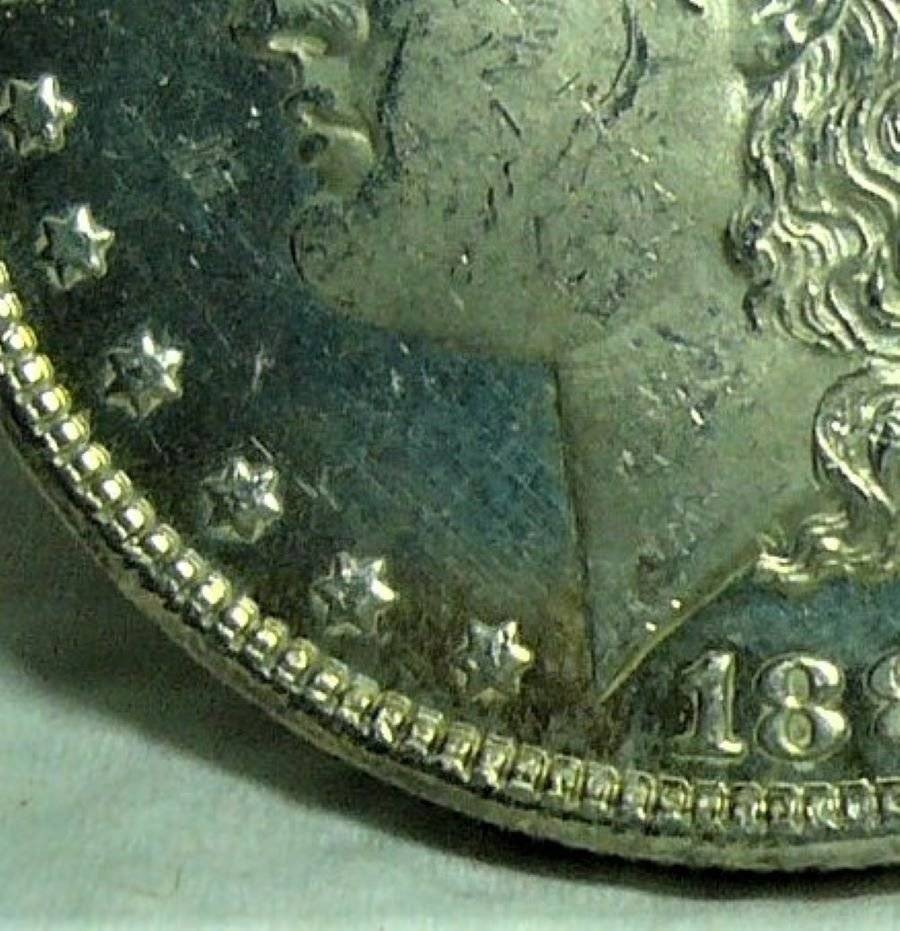 And this next Morgan is being called a MS-66 ....... so once again, what are those lines from if not rubbing? Well thanks, hope some folks can set me straight. 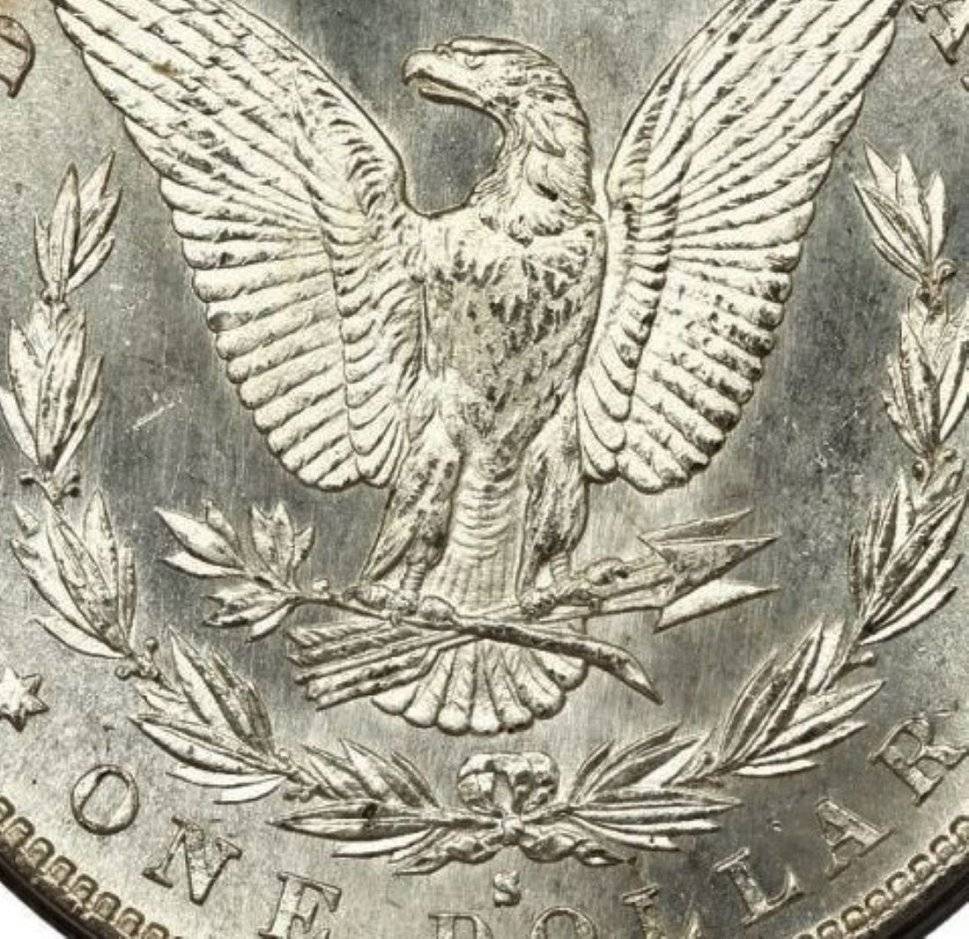 Edited by KauaiHawaiiGuy
05/12/2020 3:59 pm
|
|
|
|
Bedrock of the Community
United States
94367 Posts |
Those appear to be die polishing lines, done at the mint before striking and perfectly OK.
Edited by Coinfrog
05/12/2020 4:24 pm
|
|
Pillar of the Community
United States
705 Posts |
|
|
Pillar of the Community
Canada
1563 Posts |
 as well. |
|
Pillar of the Community
Canada
857 Posts |
The bottom one looks like die polishing lines, but the top one looks like wiping lines to me, notice the colour difference.
|
|
Pillar of the Community
United States
1613 Posts |
With the fine lines explained, I'd like to move to the grading. I assume these were the grades you were given by their responses? Without complete photos, I'd question the first with that many ticks on her cheek. The second, possible, although I'd lean towards a 65. Again, my opinion and based on what's available.
ANA member - PAN Member - BCCS Member There are no problems only solutions - the late, great John Lennon
|
|
Pillar of the Community
United States
4680 Posts |
Both look to be die polishing. Neither appear to carry over/through the devices, key indicator for die polishing. If it had been wiped, you will typically see those same marks/scratches carry over from the fields to devices.
|
|
Valued Member
 United States
466 Posts |
Wiped and die polished look somewhat similar. The wiped coin gets a details grade. The die-polished coin gets straight graded.
Beauty is in the eye of the beholder. I don't buy either because I find them unattractive. Others who search for late die state varieties may feel polishing lines come with the territory.
|
|
Pillar of the Community
 United States
5725 Posts |
The second coin definitely looks like it has die polishing lines, which typically appear to cross under the devices (and not on top of the devices as you would see from cleaning hairlines). Also, die polishing lines are raised, while lines from a cleaning cut into the coin, although admittedly that can be hard to tell from a photo. The first coin is harder to say, but probably also has die polishing lines, which is not uncommon on proof-like surfaces.
|
|
Pillar of the Community
United States
4992 Posts |
As dies are used to strike coins, they become damaged over time and start developing chips, clashes, etc... To preserve the life of the die, and avoid striking damaged looking coins, the dies are polished with an abrasive paste. Since this is part of the original die used to strike the coin, it isn't considered damage.
The most widely seen example of die polishing is proof coins, where the dies are carefully polished to achieve a mirror like finish. For very high grade coins, you can also usually see a lot of surface detail from the dies including polishing. It can be isolated to a few spots, or it can be across the entire design. It is most often just in the fields which is how these can be easily distinguished from a cleaned coin. Under magnification, die polishing lines also show as raised surfaces whereas cleaning marks will be indented.
|
|
Pillar of the Community
United States
4514 Posts |
First coin - The coin looks like it has mirror surfaces in the photos, and I had it at MS63/64 PL. The lines did not look like die polish lines, but a light wipe from a cloth. Sometimes graders will give a coin a pass from a light wipe in one small area on the coin. On mirror surfaces light wipes show up much more than on none mirror surfaces. I own the 1900 O Morgan below that graded MS65 PL that has both light wipes and die polish lines that CAC gave a sticker. Second coin - The lines are die polish lines. Look at the tip of the arrows and note how the lines appear to go under the arrow tips and continue on. The field on Morgans is the highest surface on the die and the fields of the die were polished. The details on the coin are lower and untouched when polished. In grading die polish lines typically do not factor into the grade. 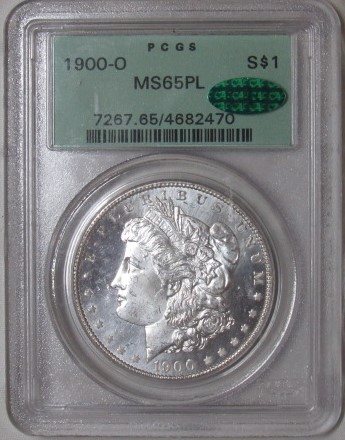 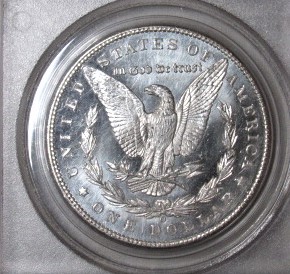 |
|
Pillar of the Community
United States
992 Posts |
Yep, I'd also say #1 is cleaned and #2 is die polishing lines.
|
|
Valued Member
Canada
153 Posts |
Die polishing lines for sure. I'm seeing some of you saying that you wouldn't buy a coin with fields like this. Is this a common sentiment?
|
|
Pillar of the Community
United States
3755 Posts |
Die polishing lines on both.
|
|
Pillar of the Community
United States
5725 Posts |
@KauaiHawaiiGuy, you posted this a couple days ago, and you've had a dozen members giving you explanations. Any acknowledgment on whether this makes sense to you? Perhaps people would be more responsive to your questions if they knew you were listening...
|
| |
Replies: 14 / Views: 3,131 |
|




 Posted 05/12/2020 4:28 pm





