| Author |
 Replies: 22 / Views: 4,383 Replies: 22 / Views: 4,383 |
|
Pillar of the Community
United States
6196 Posts |
I believe this is a mint error and not damage. In general the weakness on the reverse matches the high points on the obverse suggesting a weak strike. As the coin is thin all over and weighs just 2.21g that matches up for a pretty thin planchet being struck. Maybe a split planchet before the strike? Wrong planchet from foreign coin? Any help appreciated as I'm not really sure what I'm seeing on this one. 1944-D Lincoln Wheat cent - 2.21g 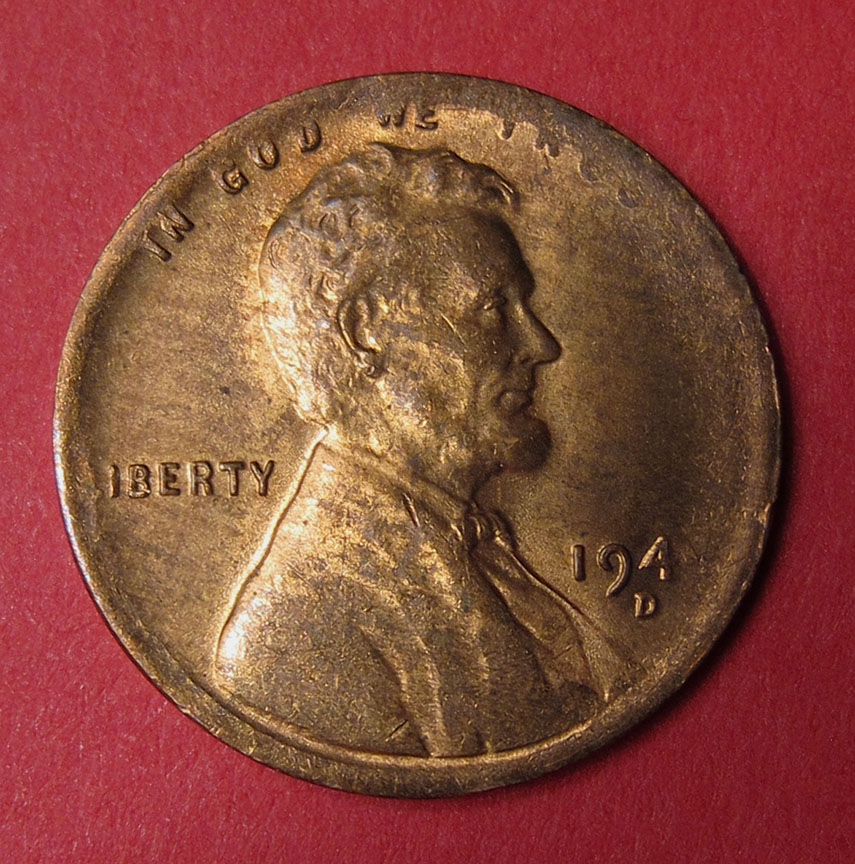 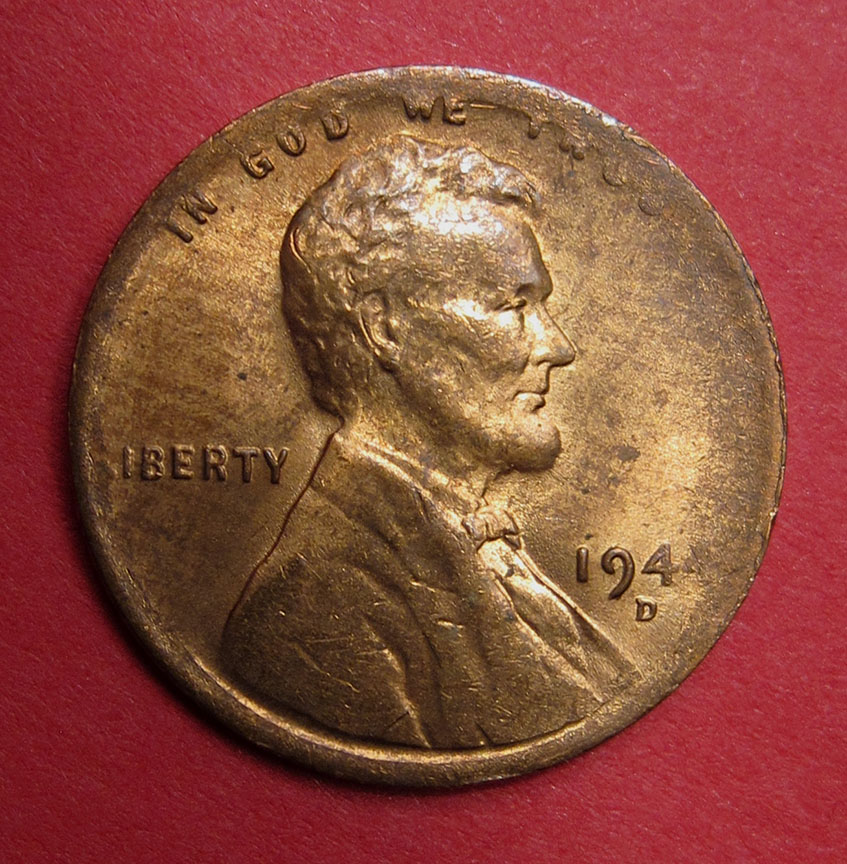 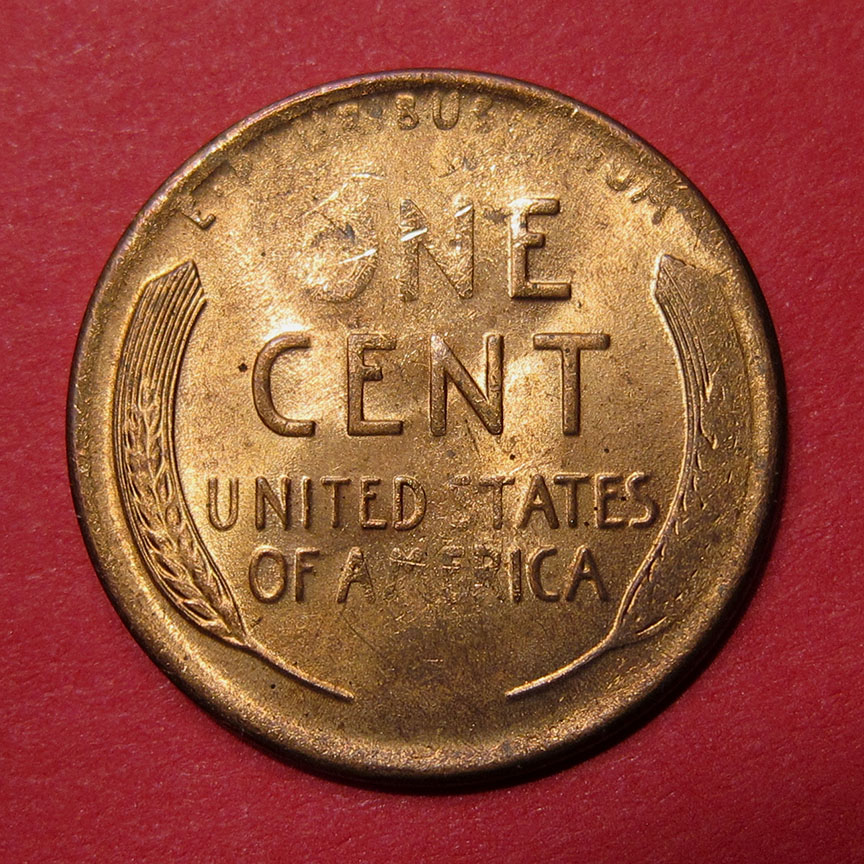 |
|
|
|
Pillar of the Community
United States
4422 Posts |
The Denver mint did make 1 cent coins for Curacao in 1944. They were 95/5 copper-zinc and 19mm, the same as the US cent, but weighed 2.5g.
2.5g is still a bit off from your 2.21g though, so maybe just a rolled thin planchet. I'm not seeing the rough surface that's usually on a split-planchet.
Edited by Tanman2001
05/17/2020 11:53 pm
|
|
Pillar of the Community
United States
2803 Posts |
Great find TB, whatever it turns out to be.
"Pride is yoked with callous behavior, as humility is with compassion." St. Gregory Palamas Top Finds - 1969-S 1c FS-101 http://goccf.com/t/477681 1976 D WQ FS-101 http://goccf.com/t/382777 - 1968 D 1c FS-801 http://goccf.com/t/422254Cool clashed dies - 1972 D 1c http://goccf.com/t/429855&SearchTerms=CCLStruck-In Rim Burr - 1969 S 1c http://goccf.com/t/425587&SearchTerms=burrFloating (Type II) Counterclash - 1978 D 1c http://goccf.com/t/434991&SearchTerms=1978Edited by CoinHI
05/18/2020 12:14 am
|
|
Pillar of the Community
United States
1427 Posts |
|
|
Bedrock of the Community
United States
62064 Posts |
Tapered planchet Now reading your comment and seeing the missing proto rim on the obverse, I can see a pre split planchet missing the proto rim. The missing thickness left the strike weaker. Nice find.
Edited by coop
05/18/2020 12:56 am
|
|
Bedrock of the Community
United States
94367 Posts |
Nice one, TB!  |
|
Pillar of the Community
Canada
1632 Posts |
I agree with Tanman, doesn't look like a split planchet as there is no roughness on either the rev or obv.
My guess is a rolled thin planchet
|
|
Bedrock of the Community
United States
62064 Posts |
The roughness is caused by a post strike split. The surface is smooth because the split happened before the strike. The strike flattened the roughness. Here is an image I've had for sometime now of a struck pre-split planchet: 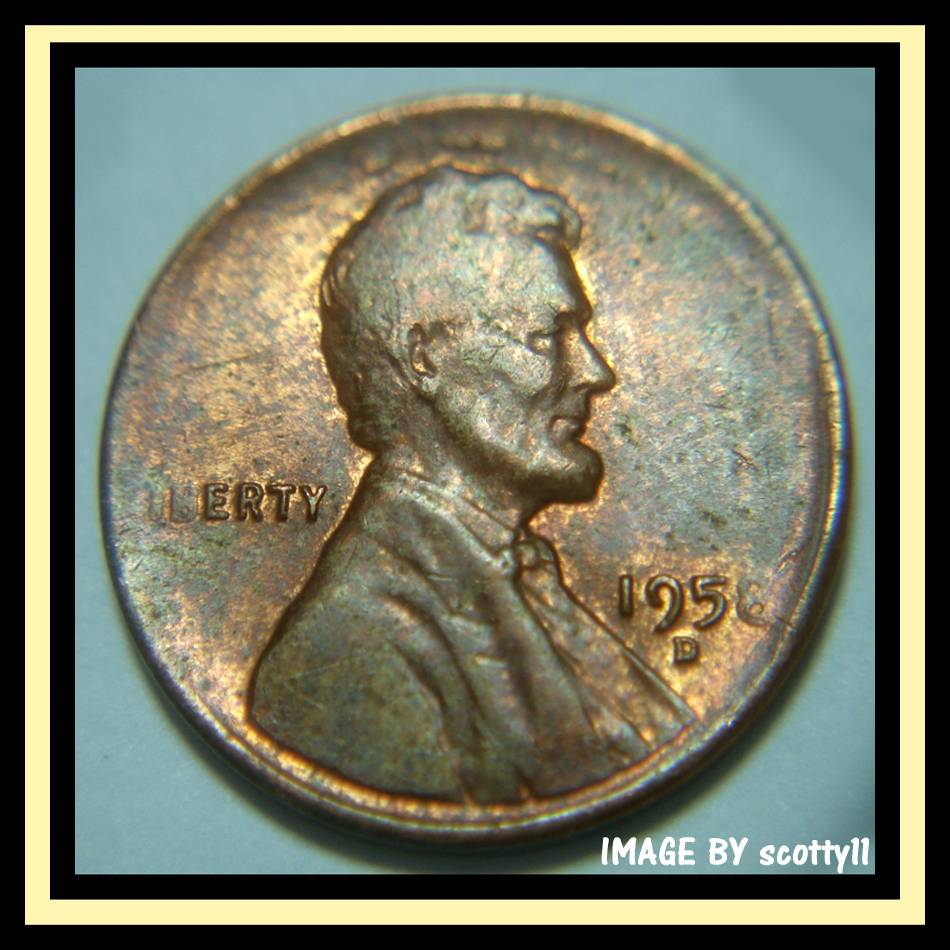 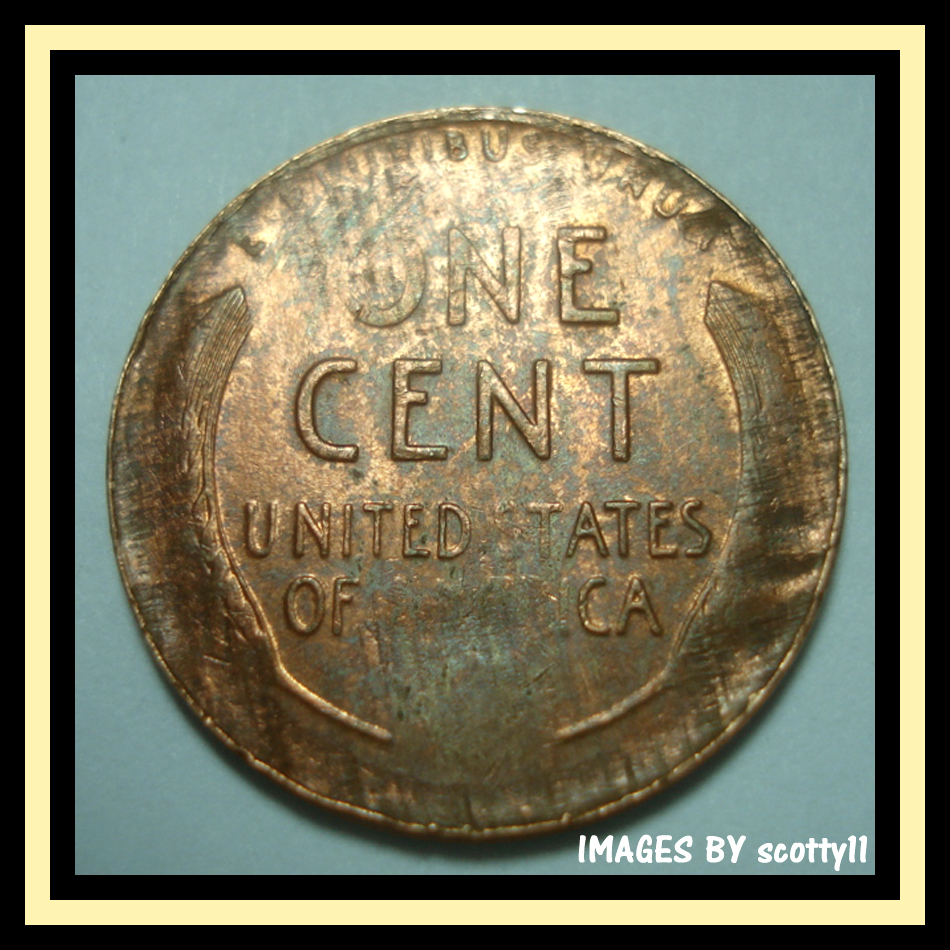 You can see the split off on this one is on the reverse. On Bats example the obverse side was the split off. How can I tell? The rim is ragged on both coins on the side it split off from. Here is an example of a post strike split off: 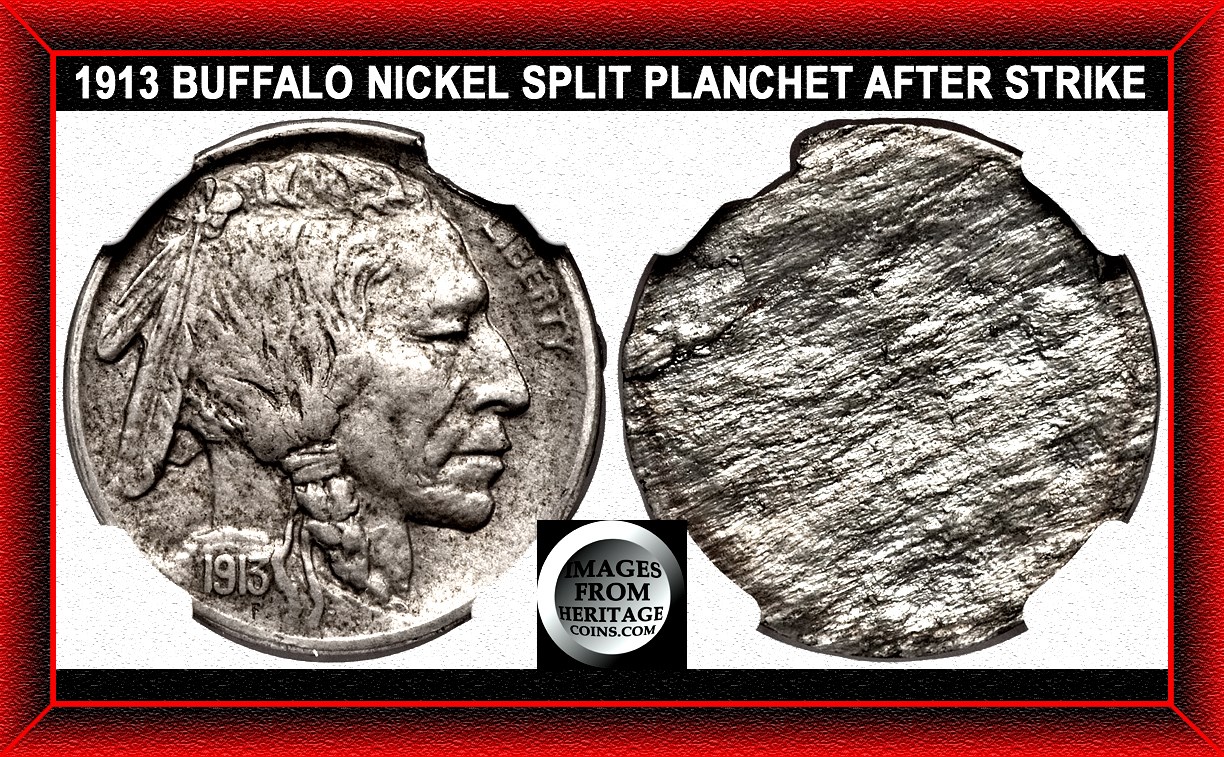 Here is an example of a split planchet, the both sides were found: 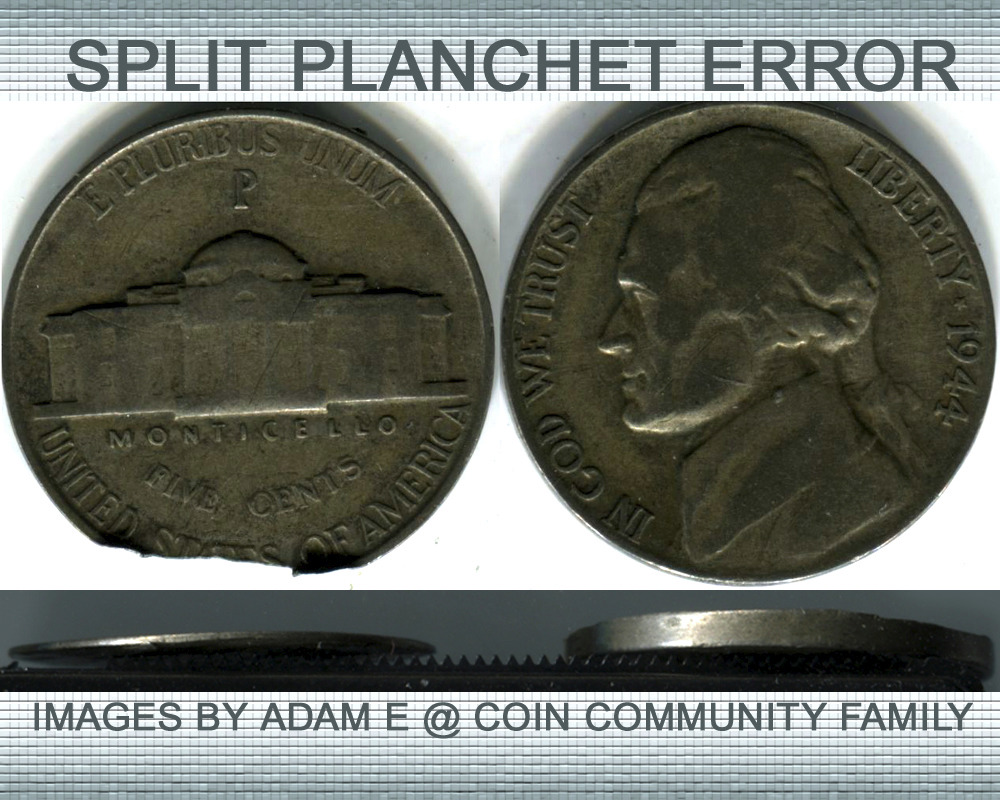 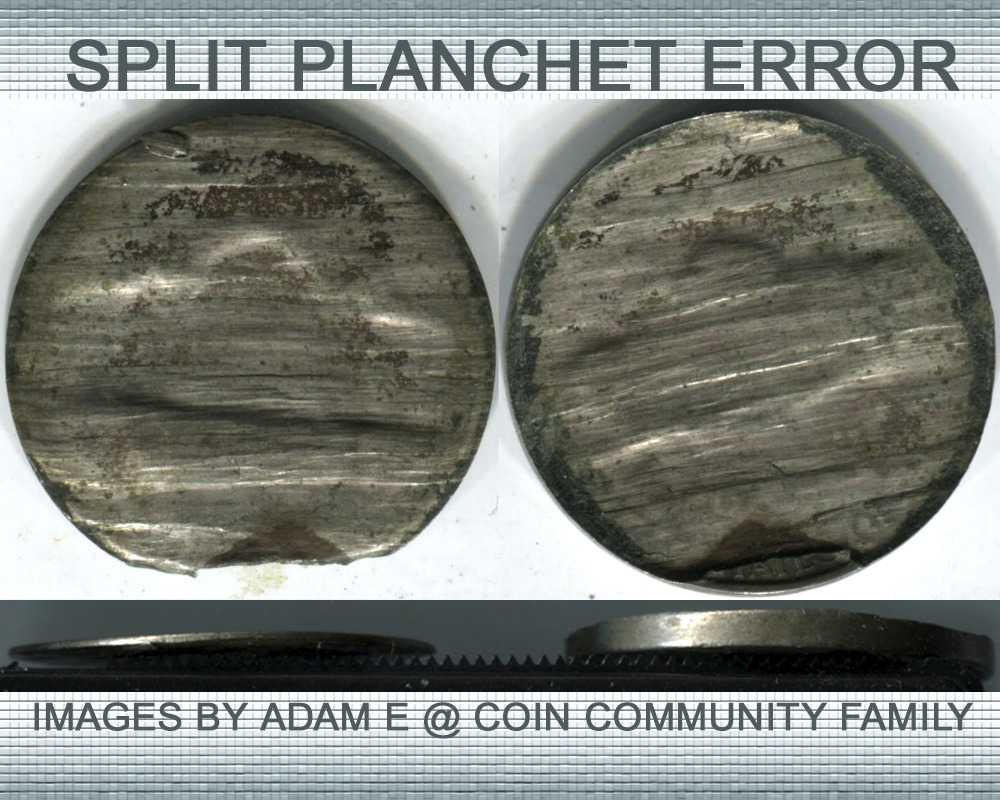 CoopHome CoopHome Pre strike split Post strike splits Edited by coop
05/18/2020 9:03 pm
|
|
Pillar of the Community
United States
5887 Posts |
On pre-strike split planchets, don't we normally see heavy weakness towards the center of the coin as well? I would expect weaker devices if it were split pre-strike. I wouldn't expect there to be enough metal after the split for the strike to be as pronounced as it is on this coin. I'm not saying it's not possible, but it looks closer to a tapered planchet to me.  -CH27 Collector of U.S. Coins, Varieties, and Colonial Coinage
|
|
Pillar of the Community
 United States
8946 Posts |
It's very cool regardless!
|
|
Pillar of the Community
United States
2752 Posts |
Struck on a planchet derived from rolled-thin cent stock with perhaps a slight taper on the right.
Error coin writer and researcher.
Edited by mikediamond
05/18/2020 1:59 pm
|
|
Pillar of the Community
United States
2775 Posts |
More food for thought. I see Denver produced 5 Centavos for Ecuador this year.
Ecuador 5 Centavos
80% copper, 20% zinc
Weight - 2.0 grams
Diameter - 17mm
If US cent blanks were punched from the wrong stock at 19mm. Could that account for an additional .21 grams? Thanks, Doug.
|
|
Bedrock of the Community
United States
78703 Posts |
Tropicalbats, did you find this in a lot you bought? It's an amazing find!
Errers and Varietys.
|
|
Valued Member
United States
393 Posts |
Congratulations for another awesome find, tropicalbats. I am no expert but I have read Alan Herbert book and if you have it, turn to page 222 of the 6th edition "III-E-19 Struck on a Trial Strike-Stock Planchet (IE)" & "III-E-20 US Coin Struck on a Foreign-Stock Planchet (E)".... your coin is very promising for authentication.... I do enjoy your coin finds...congrats, again & again....
|
|
Pillar of the Community
United States
2567 Posts |
|
|
Pillar of the Community
 United States
6196 Posts |
Thanks so much for all the great comments! I found this one in a random bunch of coins I bought and it was pretty obviously something different. Really looks like mint made and not damage, which I think folks pretty much agree with, but it has a bevel on the reverse edge but missing that on the obverse edge and has that bit of a fin or something going on. Seemed like the obverse had split off before the strike, but some chance it was just ground down. The weakness on the reverse strongly suggests an error though as that is what it probably should look like if struck on a thin planchet.
I guess the question is, given that it was struck on a thin planchet, was it split, thin rolled, or foreign/trial strike. I don't have the Herbert book to look that up, so not sure if sosicoin could post or PM me a shot of that page. As noted it doesn't seem to show any of the rippling effect typical of a split planchet, so maybe that really isn't an option and Mike didn't suggest that as a possibility. So a thin planchet, just which way did it become a thin planchet?
Neat coin and I really appreciate all the comments. Thanks!
|
| |
Replies: 22 / Views: 4,383 |










 Posted 05/18/2020 12:13 am


