| Author |
 Replies: 11 / Views: 1,795 Replies: 11 / Views: 1,795 |
|
|
New Member
United States
4 Posts |
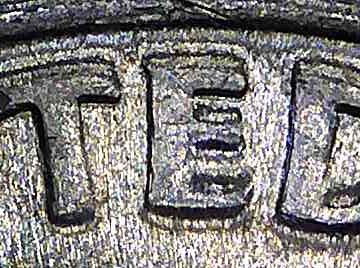
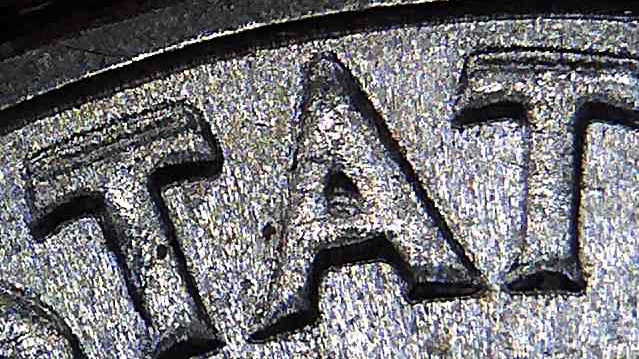
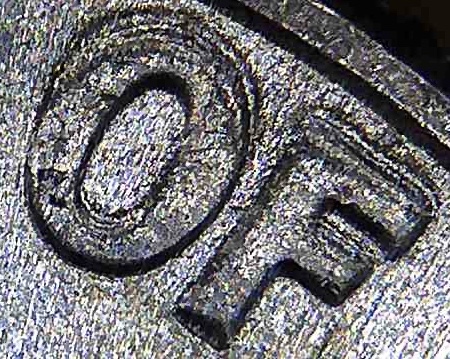
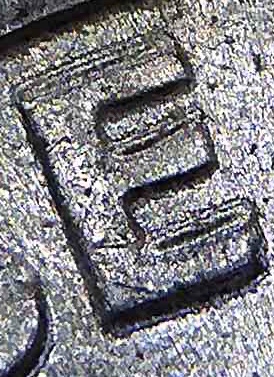
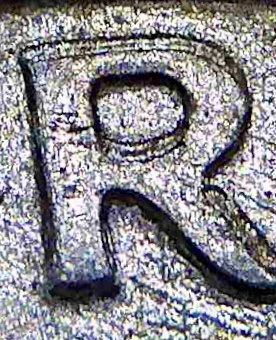
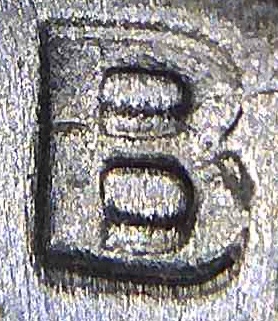
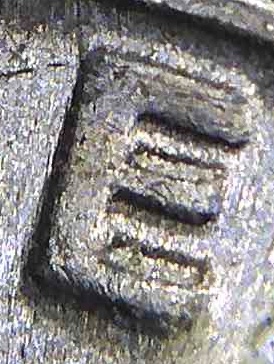
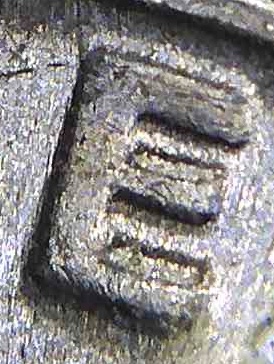
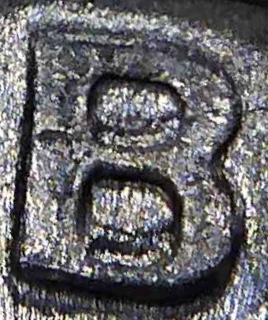
First post - let's see if my picture works or not! My sister & brother in law fell in to a large lot of old coins, so I'm going through them and trying to learn as I go - found a doubled Monticello the first day, and it got me hooked! I got myself a WiFi microscope 10-1000x and can get some great images (though this site doesn't like them cause they're too big!) But I almost wonder if I over did it cause as I go through the coins, the ones that are shiney and in good condition all seem to be showing up with what I'm calling "possible errors" for lack of knowing what else I'm looking at  Here is my first example. A 1959 Roosevelt dime with "possible errors" on the obverse in the year, as seen, and also in the LIBERTY. Is there really an 'error' here, or am I seeing things that don't exist?  |
|
|
|
New Member
 United States
4 Posts |
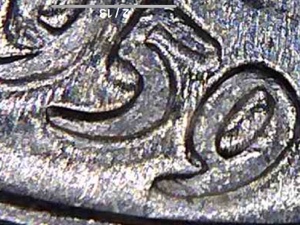 Ok - I really think it's gunna work this time! |
|
Bedrock of the Community
United States
94367 Posts |
|
|
Bedrock of the Community
United States
62064 Posts |
The lines on the fields are called die flow. The hint of an enlarged area towards the rim are called die wear. The push upwards on the '59' is Machine Doubling. Not a doubled die. Just an extremely worn die, that after the coin was struck, altered the devices with Machine Doubling. Variety Vista lists where examples for 1959 and they are all proof dimes. http://www.varietyvista.com/07%20Ro...s%201959.htmNote the first two examples are showing flat field doubling, but when you look at the other images you will see a spread that is the doubled die on the centers of the devices: DDO-001: http://www.varietyvista.com/07%20Ro...9PDDO001.htmNote on Liberty that is flat field doubling. But note on the description what is actually doubled on this coin: (Always read this information)DDO-002 This one also shows a lot of flat field doubling. Again note the description: http://www.varietyvista.com/07%20Ro...9PDDO002.htmQuote:
Description: Light spread on date. So what does that mean? Only the date area shows the doubled die. The other images could be used for die markers if there was something there as a marker. Just only the date area is affected. The rest of the devices with the shadow are flat field doubling. DDO-003 Some 'flat field doubling' on this coin also, but a lot more affected by the DDO: http://www.varietyvista.com/07%20Ro...9PDDO003.htm Note the areas to look at on this one: Quote:
Description: Light spread and extra thickness on date, designer's initials top to bottom, and TRUST. So look at the areas suggested in the description as the doubled die. The rest of the devices are normal. Just the ones mentioned in the Description box are the doubled areas. So matching to the ones that are on your coin to the normal ones is just a waste of time. The doubling is only on certain devices. The rest of the devices are un-affected devices that are normal devices. Quote:
Description: Light extra thickness on date, designer's initials top to bottom, and IN GOD WE TRUST. |
|
Bedrock of the Community
United States
10635 Posts |
|
|
Moderator
 United States
34553 Posts |
@reb, first welcome to CCF. Second, I'm glad that you got your USB microscope working and were able to post this pic. I agree that so far it doesn't look like a mint error, but perhaps you can show us similar close-ups of other areas that seem odd to you.
"If you climb a good tree, you get a push."
-----Ghanaian proverb
"The danger we all now face is distinguishing between what is authentic and what is performed."
-----King Adz
|
|
Bedrock of the Community
United States
94367 Posts |
Humbled as always.  |
|
New Member
United States
4 Posts |
|
|
Moderator
United States
195823 Posts |
 to the Community! |
|
Bedrock of the Community
United States
62064 Posts |
The dies that struck your coin was showing strong die wear. Thus the devices facing the rim were move towards that area. The first clue is the die flow lines on the fields. So the devices were wearing towards that direction. But another factor is Machine Doubling that was also throwing a wrench into the strike. So die wear and Machine Doubling is causing the issue that you are seeing on those devices. Not a doubled die. A doubled die show spread on the centers of the devices, not on the outside edge of the devices. (Only ones that who doubled dies there is class 2 doubled dies, but they also show the spread enlargement of the devices) Also note that both sides of the coin is showing the same events. Die wear and Machine Doubling. Just a case of dies that should have been retired and the machine that was very loose. All the die flow lines and wear towards the rim, was a die issue, the Machine Doubling was a striking issue. Note how the devices enlarge when hub doubling is present. This is a SBS collection of 1964 DDR's with a normal sized device in the center.  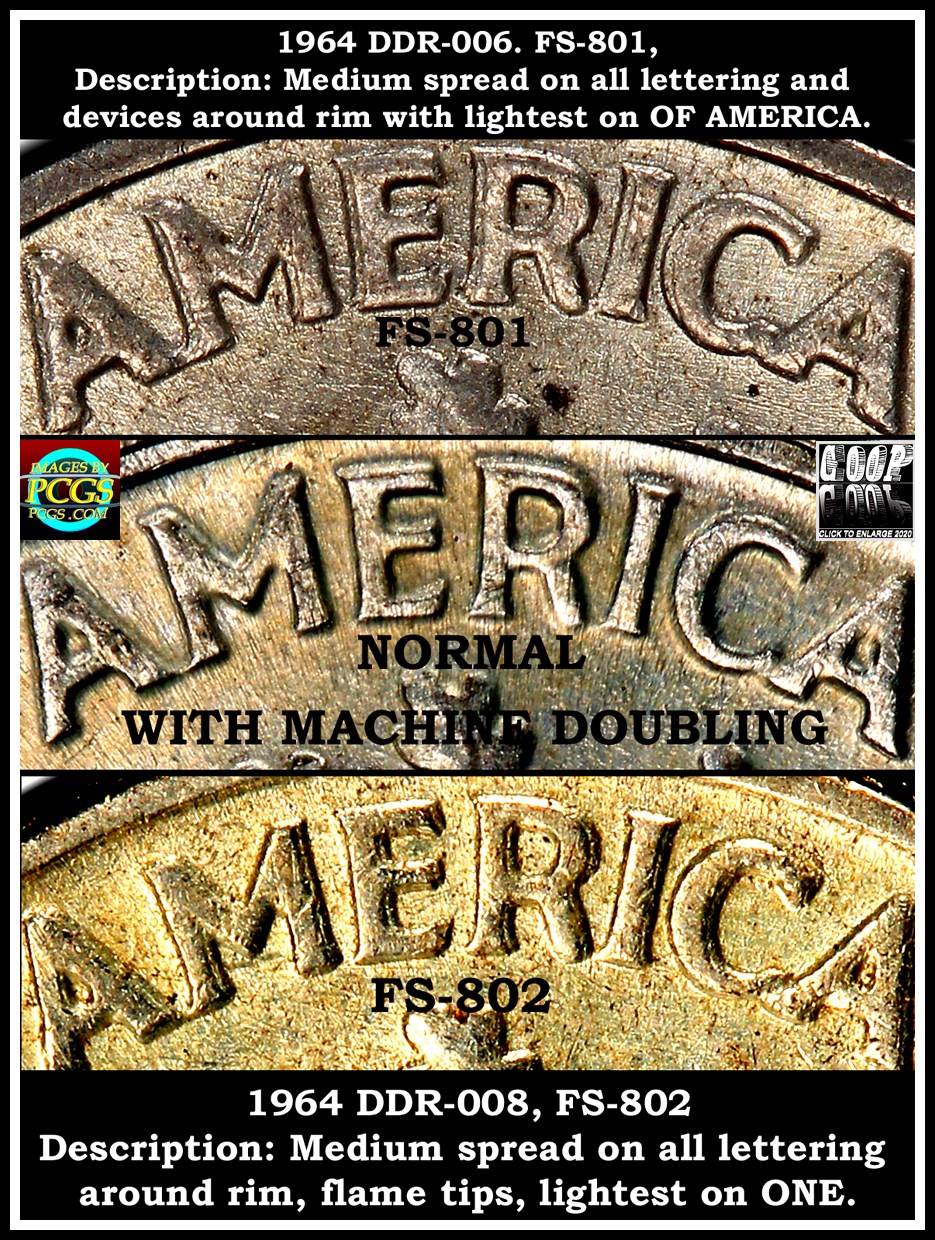 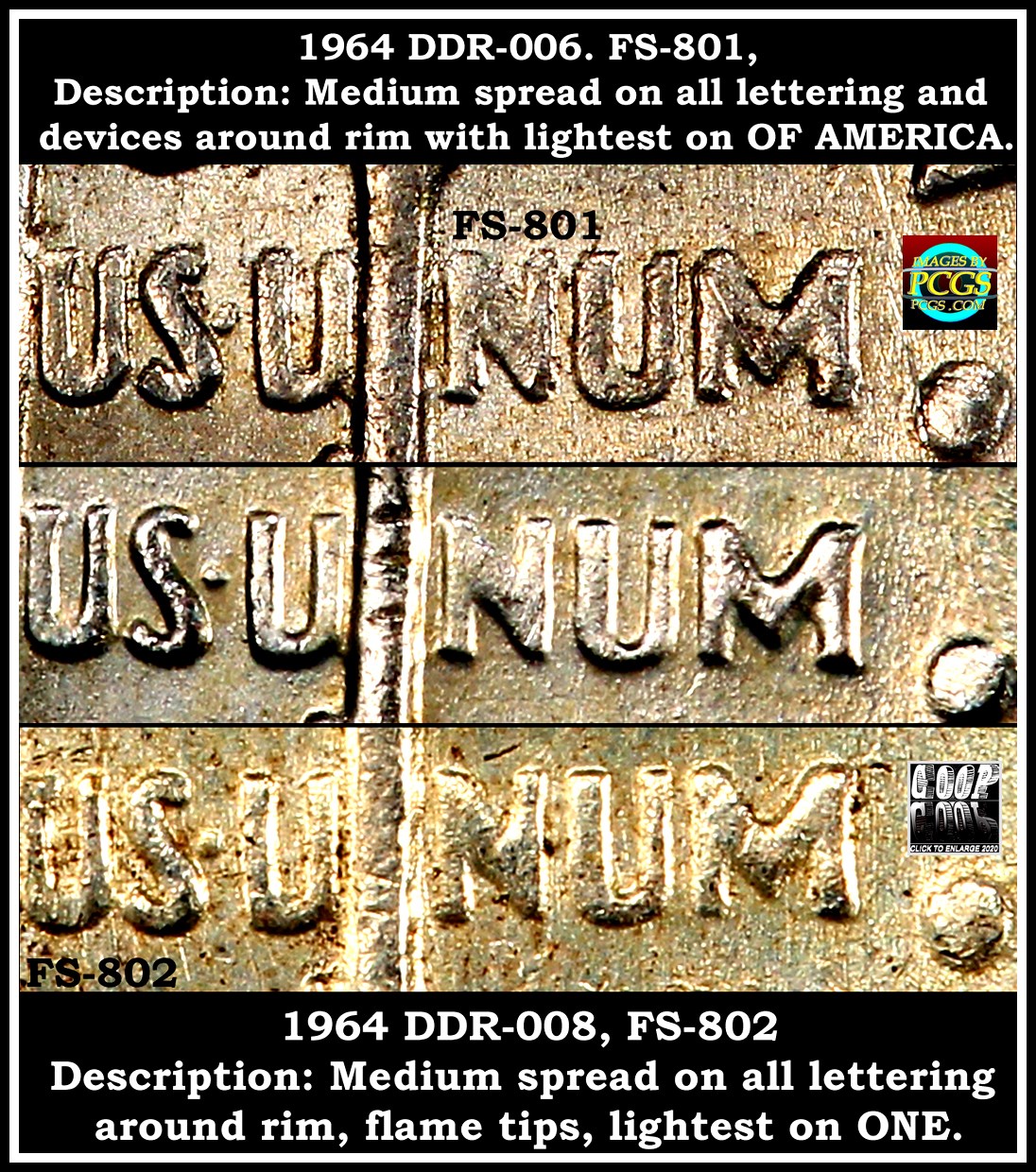 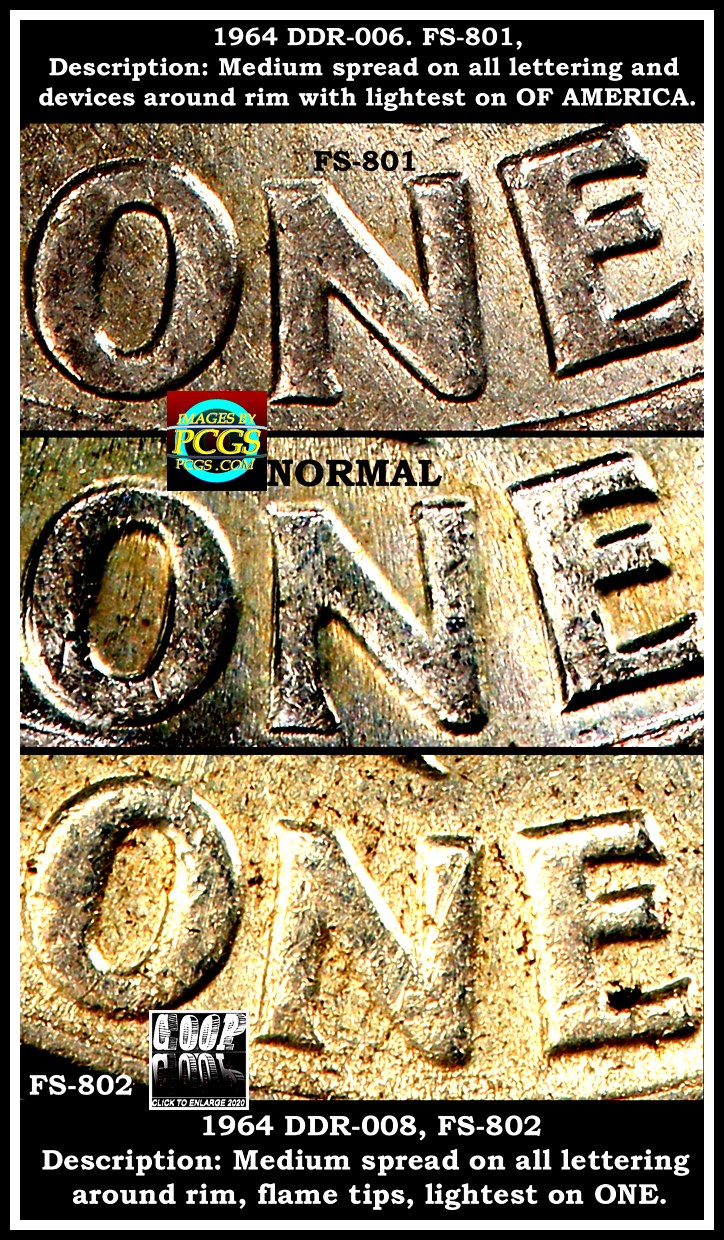 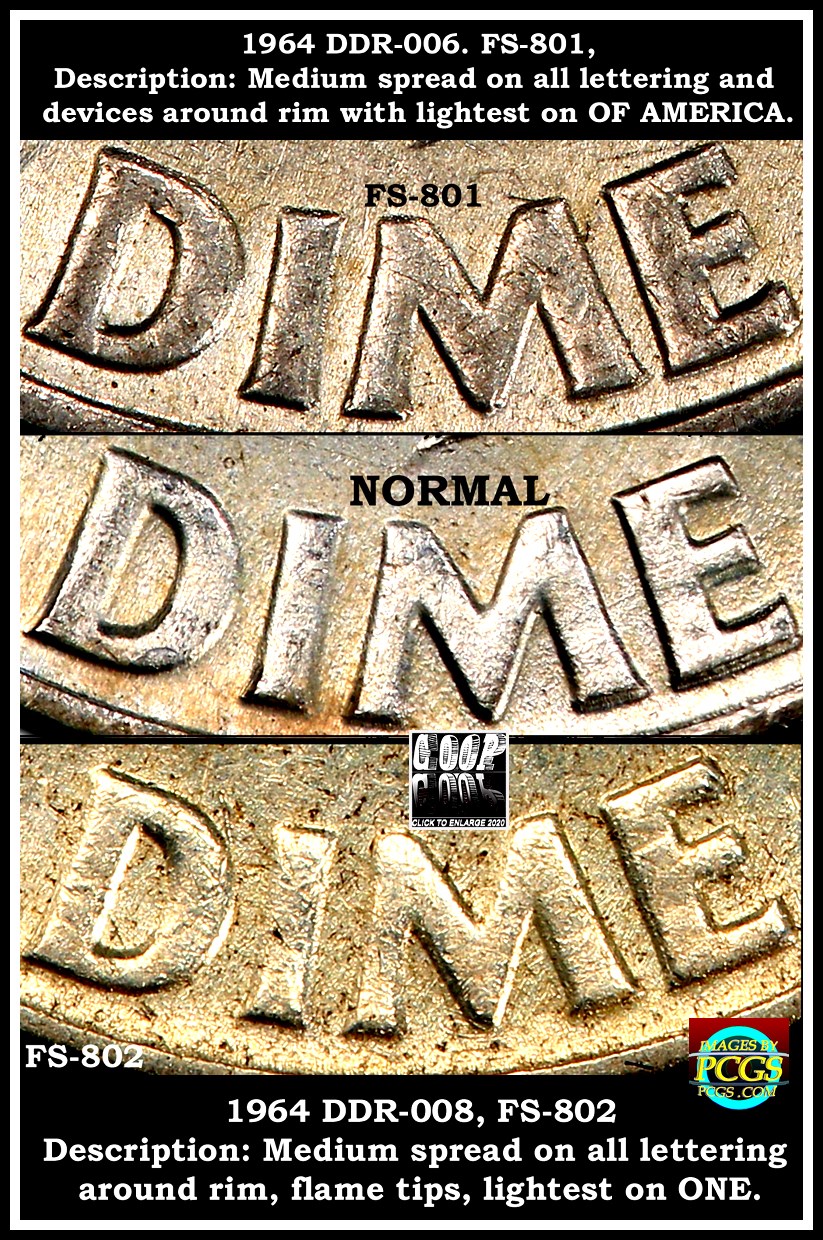 Edited by coop
10/06/2020 3:30 pm
|
|
New Member
United States
4 Posts |
Thank you Coop and others for your responses, very much appreciated - and I do feel very welcomed here! I guess the biggest remaining question on these examples is then: are due deterioration and/or Machine Doubling "errors" that collectors seek, making them have some degree of value, or is it only mint errors that are sought? |
|
Bedrock of the Community
United States
62064 Posts |
They are spenders. Interesting looking, something not to buy online as there are a lot of bottom feeders selling them for big money, but when they go to sell the coin, they are told it is a face value coin.
|
| |
Replies: 11 / Views: 1,795 |
|







 Posted 10/05/2020 6:03 pm