Sweet little weekend break to Tarraco, modern day Tarragona. It's approximately 45 mins door to door.

Well we'd been there many times, hitting the shopping centres looking for clothes, shoes etc.. But quickly realised there was a lot more to be seen! So last weekend we picked a nice little hostel which had a balcony over looking the main cathedral square and at 70$ all in for 2 adults and our 16 year old son with breakfast included seemed like a good deal!
Here's what we found!.....
Tarraco was the Roman Provincial capital of Hispania Citeria ('Nearer Iberia') during the times of the Roman Republic. Basically incorporating the modern day autonomous communities of Catalonia and Valencia. It was established just after the second Punic war around 197 BC, running down the Med coastline as far as 'Cartago Nova', modern day Cartagena and meeting up with the next southerly Roman province of 'Hispania Ulterior'('Further Iberia'). From around the 5th century BC the site and surrounding areas were inhabited by Iberians and the port city was probably named Cissus (Kissa) hence the Iberic Kese(cese) reference of their coins. They also had trade links with the Greek and Phoenician settlers of Empuries-See this thread-
http://goccf.com/t/381319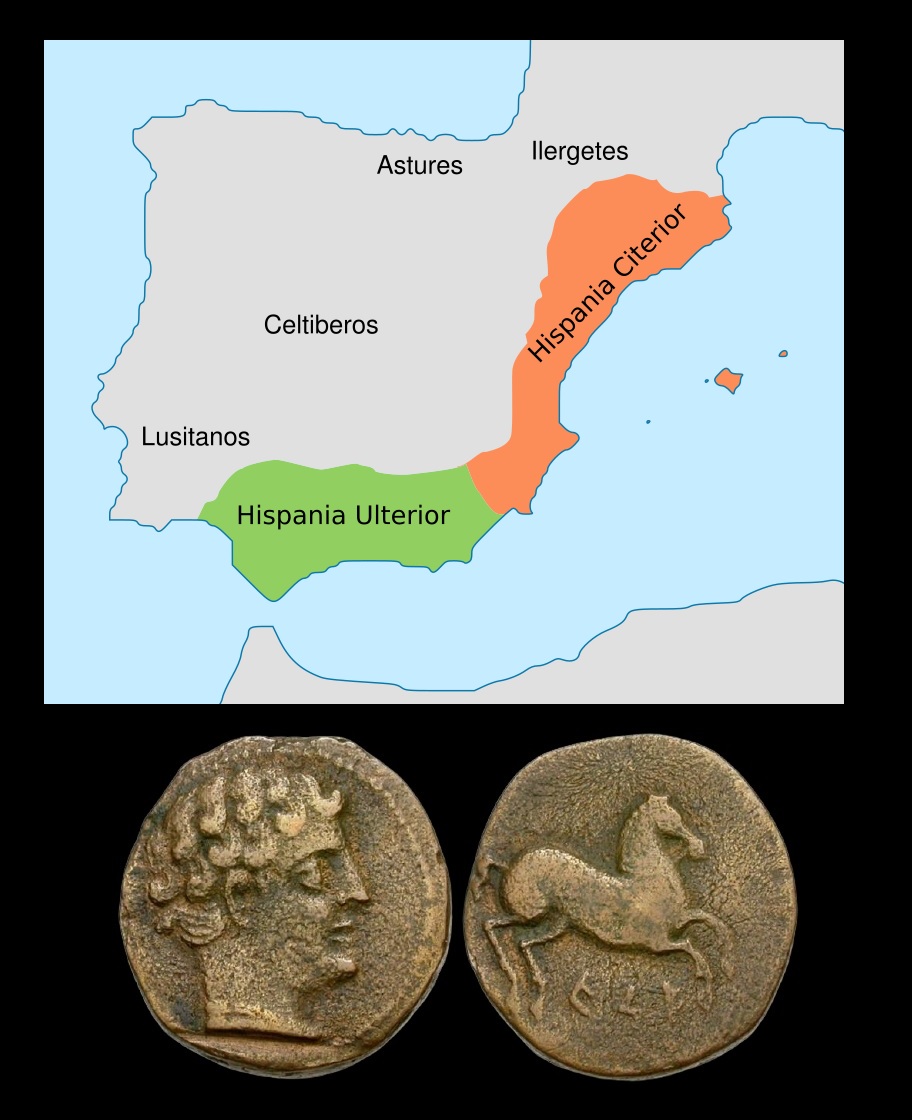
Publius Scipio and his brother Gnaeus Cornelius are accredited with the initial fortification of Tarraco around 217 BC. Scipio had just arrived in Empuries from Italy bringing reinforcement troops, the brothers then marched south to Tarraco. It became a strategic military base for the Romans for many years as its port allowed them to reinforce and supply their troops, up and down the Med coast with ease.
The conquest of the Iberian Peninsula by the Romans took over 200 years.
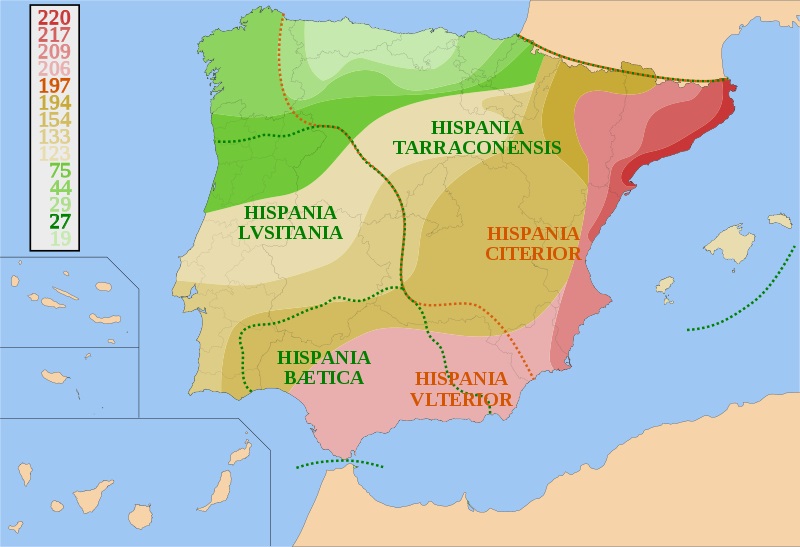
In 27 BC Emperor Augustus arrived to oversee the campaigns in Cantabria and whilst there the city flourished becoming the richest sea port on the Iberian coast. The Via Augusta was reformed and extended, running north to Barcino (Barcelona) and south to Dertosa (Tortosa), Saguntum (Sagunto) and Valentia (Valencia). Other Emperors resided here such as Galba AD68 who stayed in Tarraco for 8 years and Vespasian's reorganisation of the Iberian provinces, facilitating tax collection, increased the wealth of the city allowing the construction of the famous Amphitheatre, the circus, the temple area and the provincial Forum.
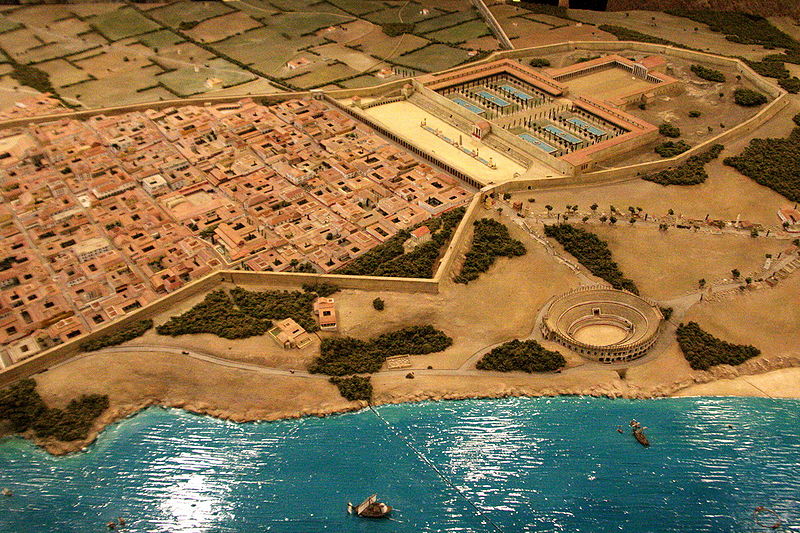
Found this neat reconstruction model showing the layout of Tarraco at its peak...
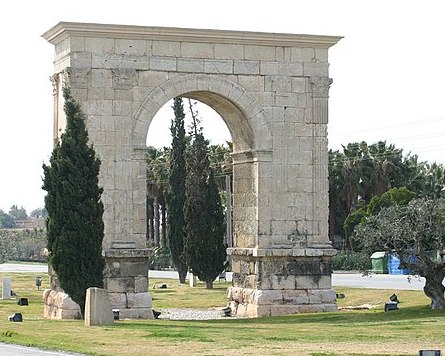
Here's a couple of constructions still standing around the outskirts of Tarraco....
First is the 'Arc de Bera', a triumphal arch on the 'Via Augusta' about 20 km North East of the city it marked the limit of the district of Tarraco and was built under Augustus in 13 BC.
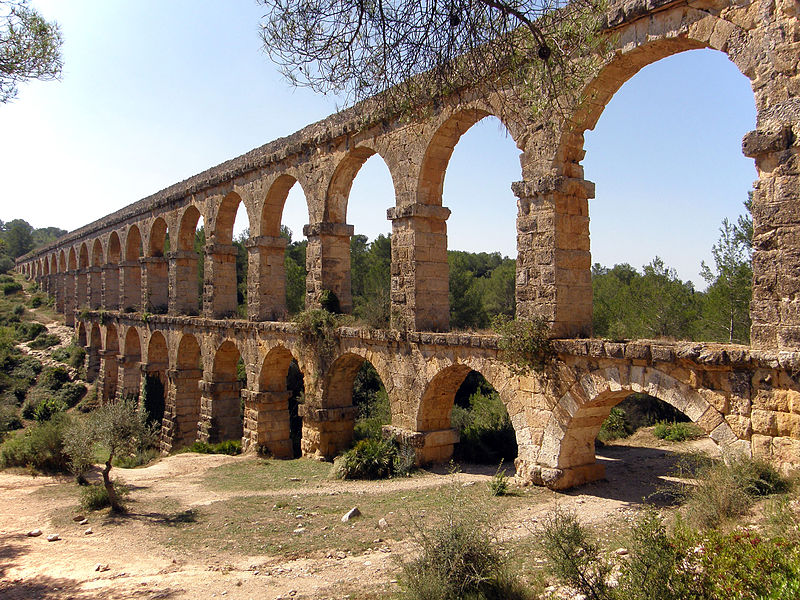
And the second photo shows the 'Pont del Diable' (Devil's bridge). This Aquaduct was also built in the times of Augustus and supplied water to the city from the Francoli river about 15 km North of Tarraco.
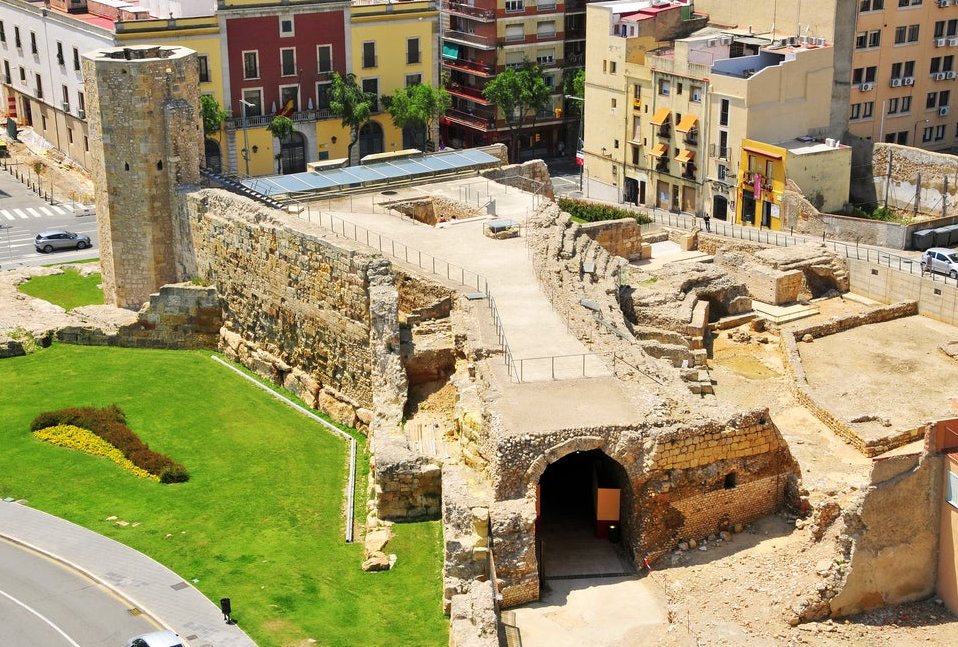
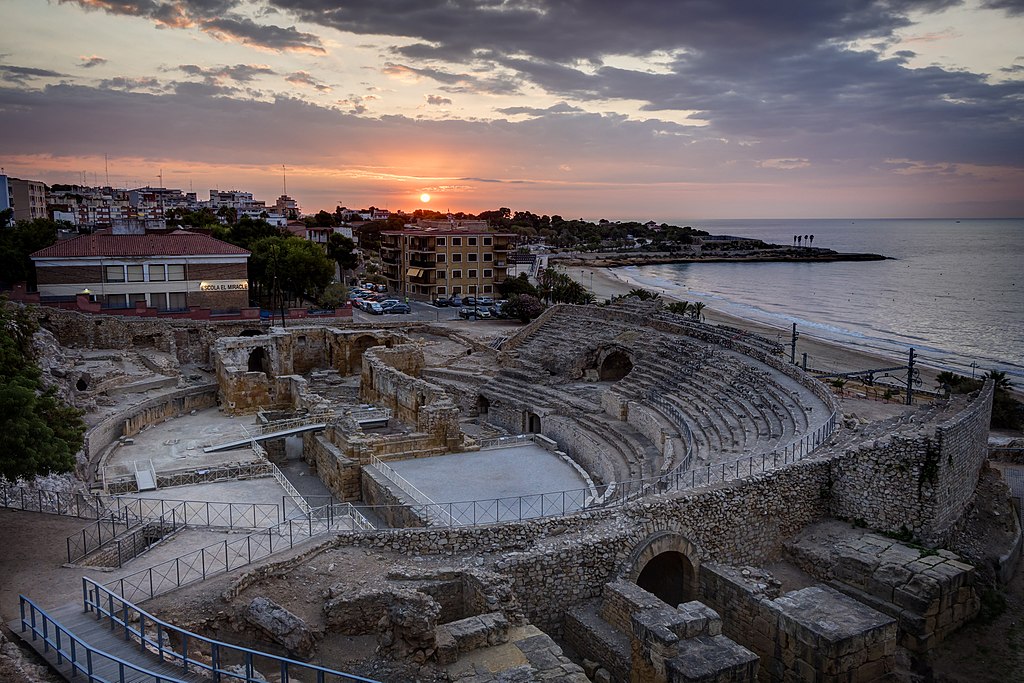
The main highlights in the city are the Roman circus, used for horse and chariot races with a capacity to hold up to 30,000 screaming spectators, and the Amphitheatre What a spot! looking out over the Mediterranean...
There is also a huge museum housing floors full of artifacts, coins, mosaics and statues..Probably one of the best Roman archaeological museums I've ever visited!
A great weekend!....Feel free to post any coins from Tarraco I'd love to see them......Paul










 Posted 10/11/2020 3:24 pm


