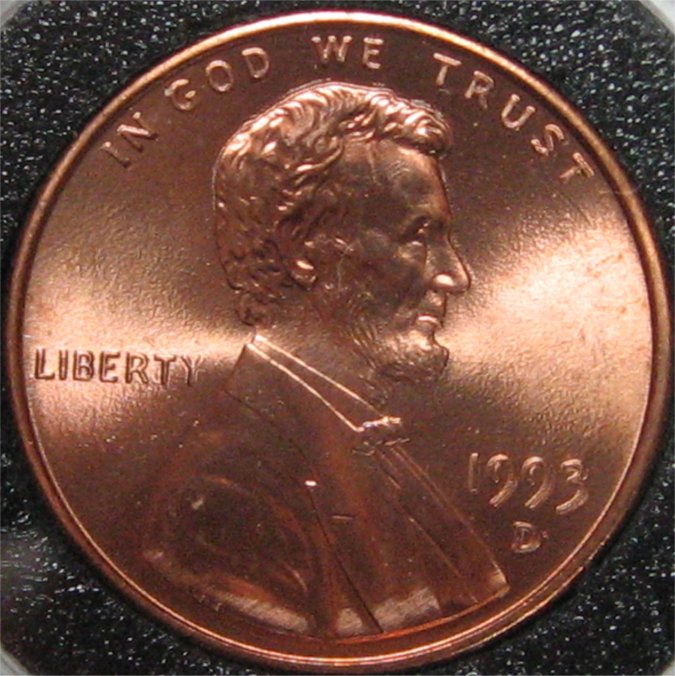
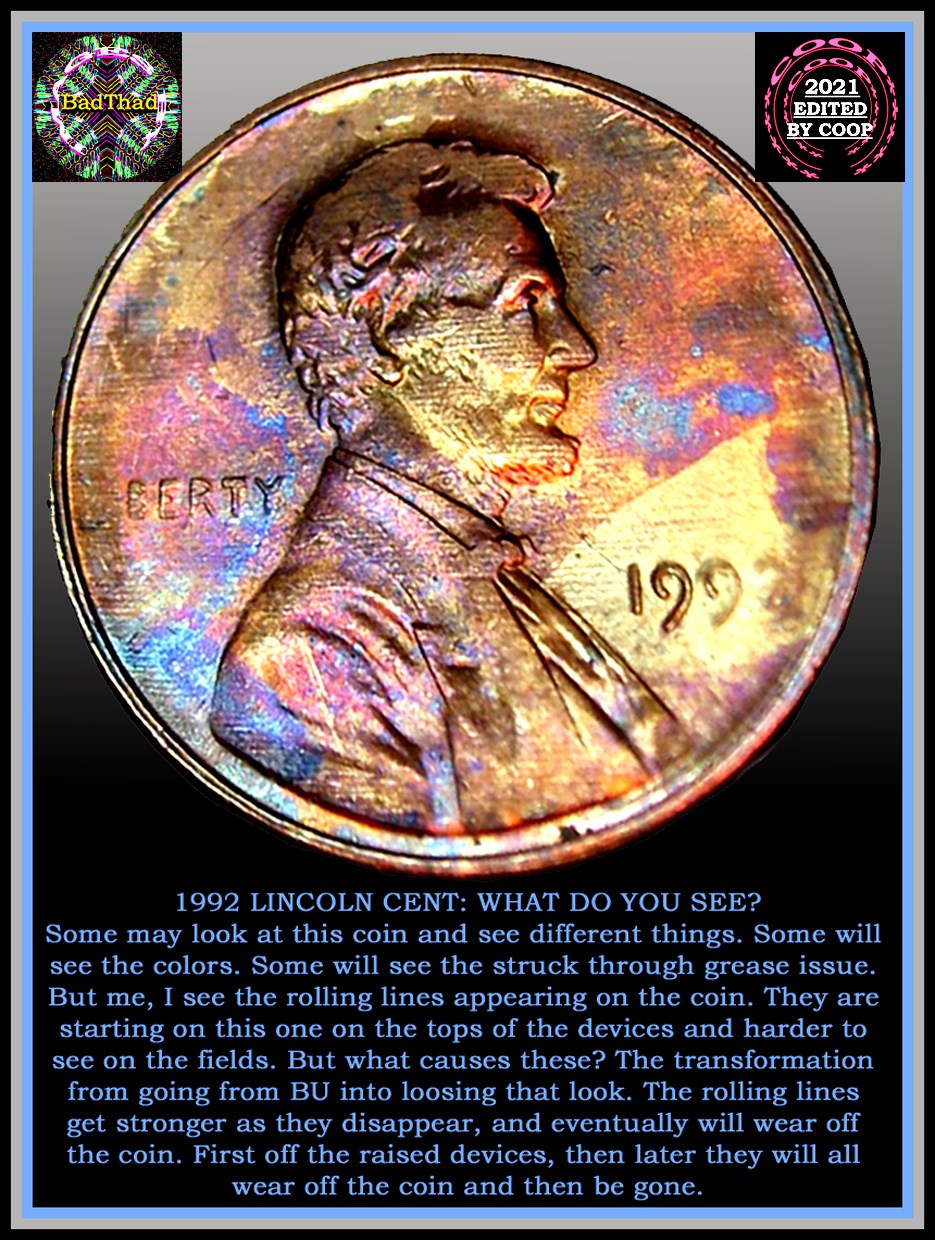
Some copper plated zinc Lincolns (Zincolns) were recently posted in the grading section. A few people incorrectly identified the "scratches" on the surface as
PMD. I thought it best to explain why those are common on Zincolns in this section so everyone can discuss.
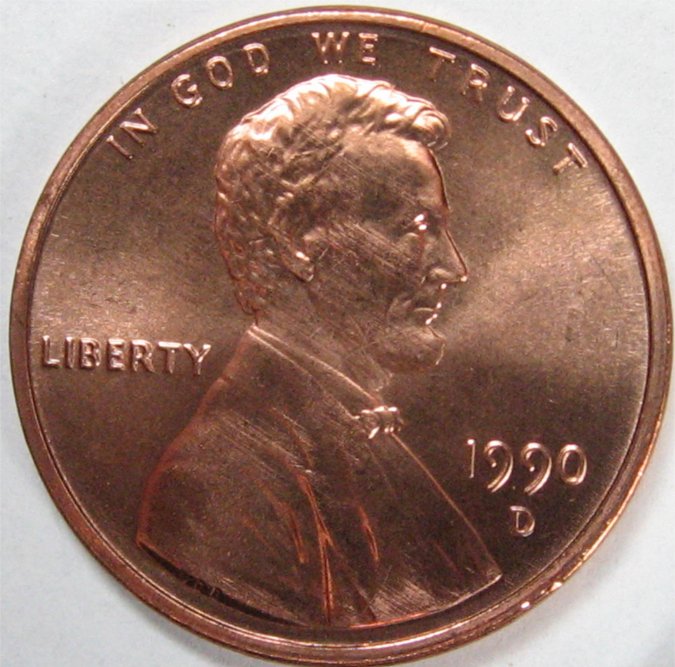
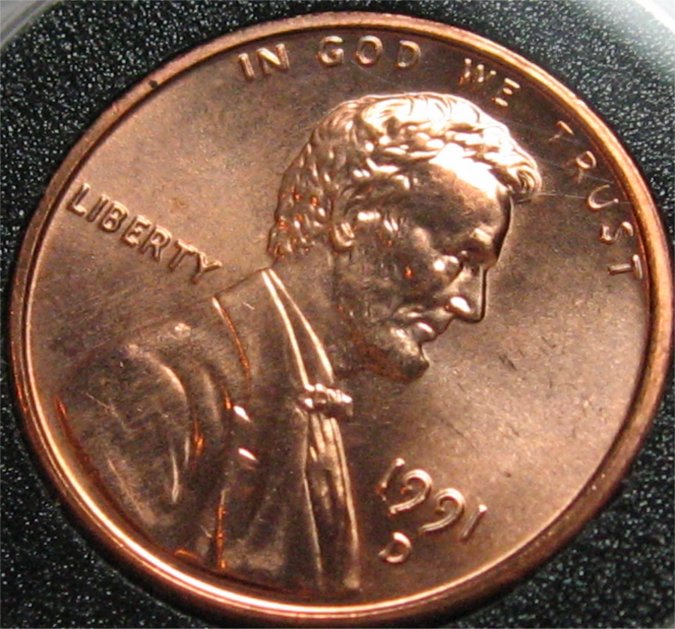
Most prevalent in the 1990's, scratchy surfaces (SS) are quite common. Nearly every coin has at least traces of this minting effect. Even the highest grade coins (67+) normally show traces of SS somewhere on the coin.
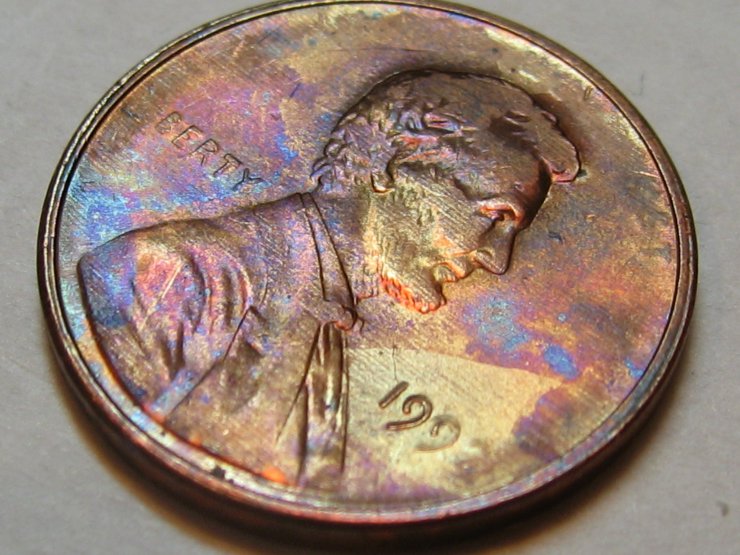
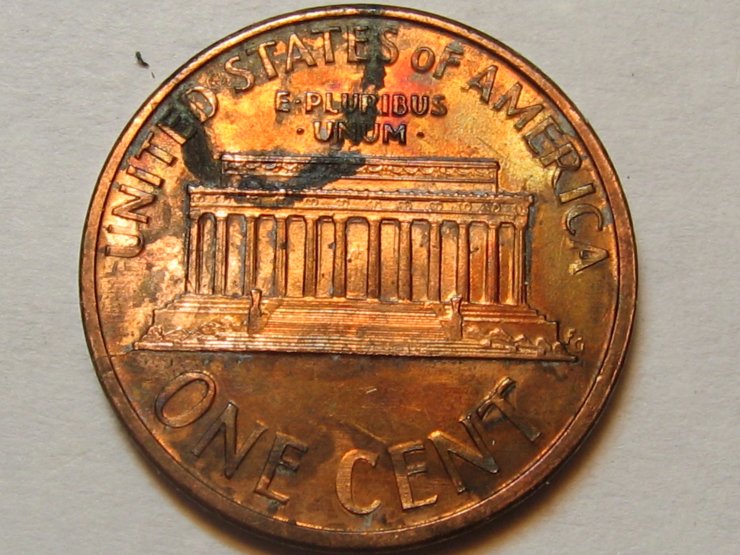
Here's an example of SS. Across all of the surfaces you can see lines. SS are strong in the area at the bottom of the bust. You can also see it in the other high points, hair around the top of the head and cheek.
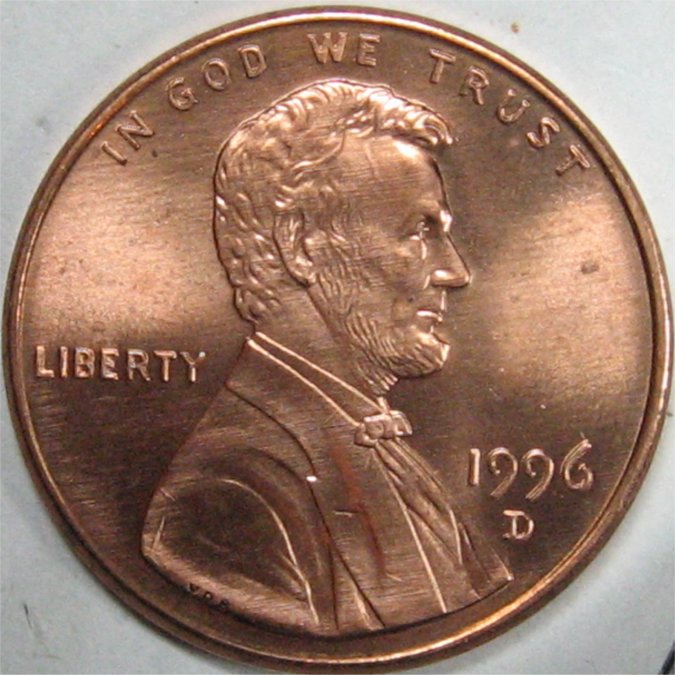 Why does this happen?
As I recall, around 1990 the mint switched to new, faster, horizontal presses to speed production - they were learning and experimenting while running. This resulted in mostly sub-perfect coins.
To extend die life, they try to use the lowest die pressure they could. The result is the coins do not fully strike up and artifacts on the planchet do not get properly smoothed out.
Since these are very thinly copper plated coins, the metal stretches differently from other types of coins. Add to the fact you pressing two dissimilar metals and the minting challenges go up a couple more notches.
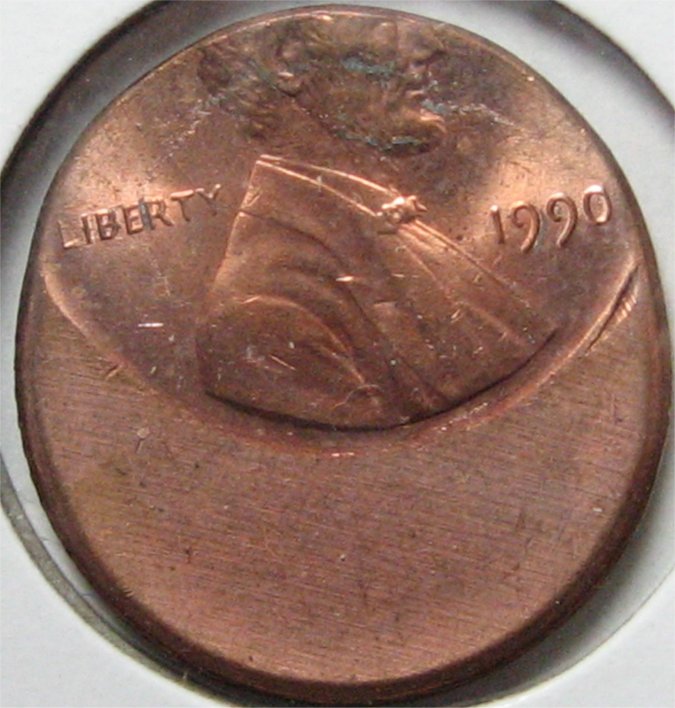
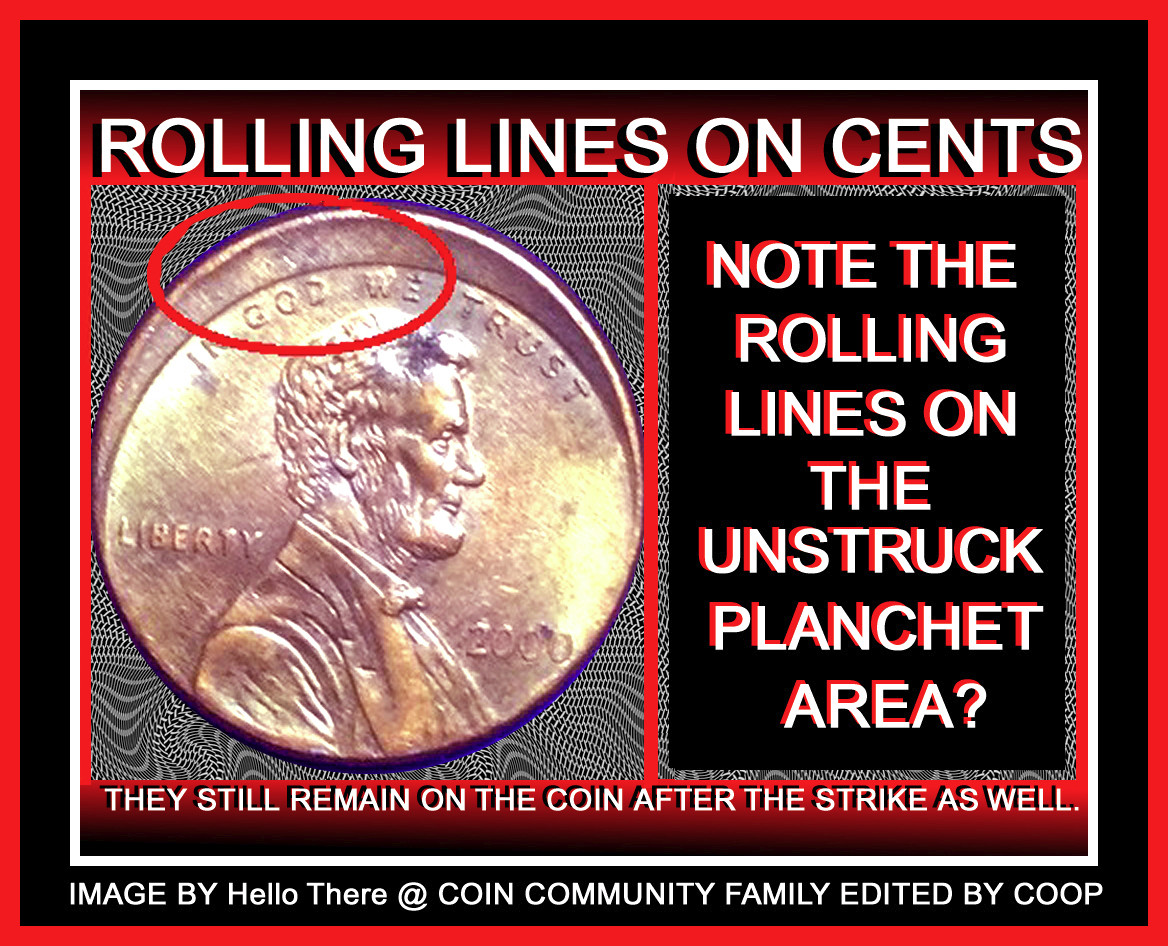
Lastly, the planchets supplied to the mint have obvious lines in them. An artifact of the massive roller machines used to press the planchet sheets. These lines have been discussed by me MANY times in the past on the forum (and other forums).
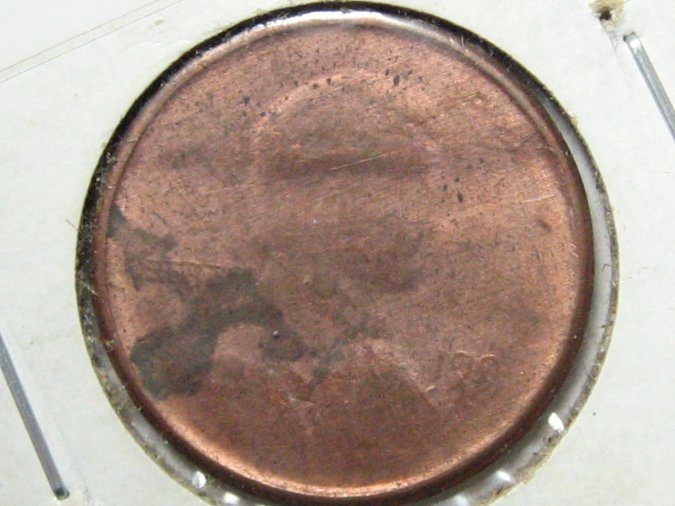
This
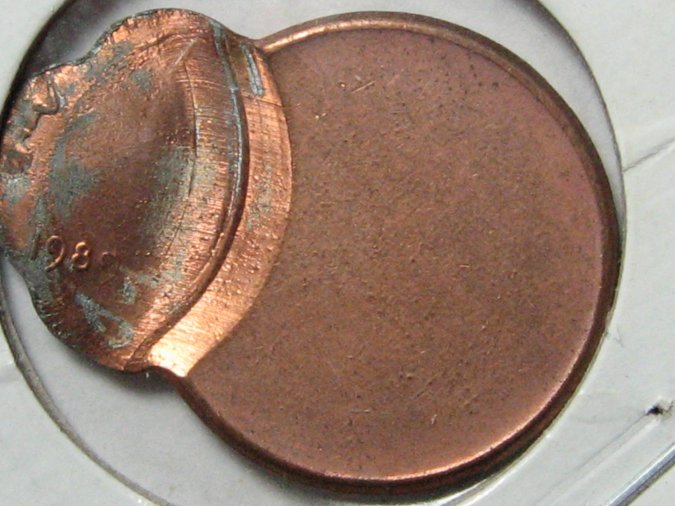
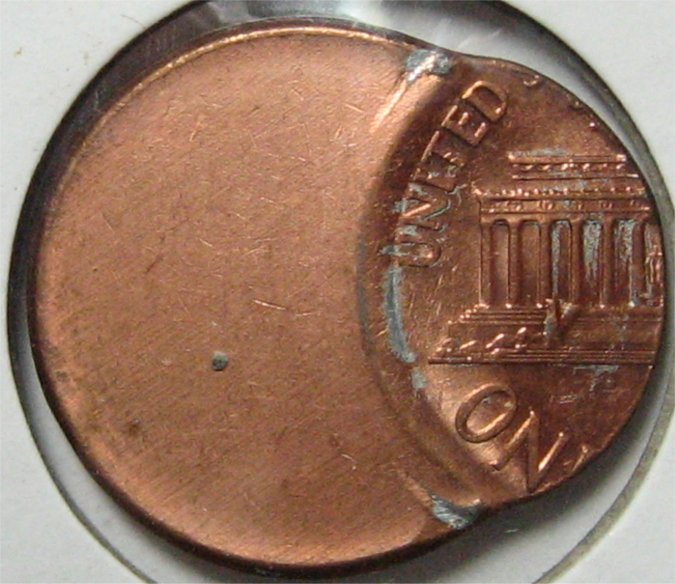
Greaser coin, with a SUPER weak strike clearly shows the lines. These are supposed to smooth out under striking pressure but you can see just how course they are on a weak coin.

Combine all the above and you have the reasons for SS on Zincolns. It's an artifact from the strike and the planchets used and completely normal.










 Posted 01/26/2021 7:16 pm