| Author |
 Replies: 19 / Views: 2,726 Replies: 19 / Views: 2,726 |
|
Pillar of the Community
United States
3008 Posts |
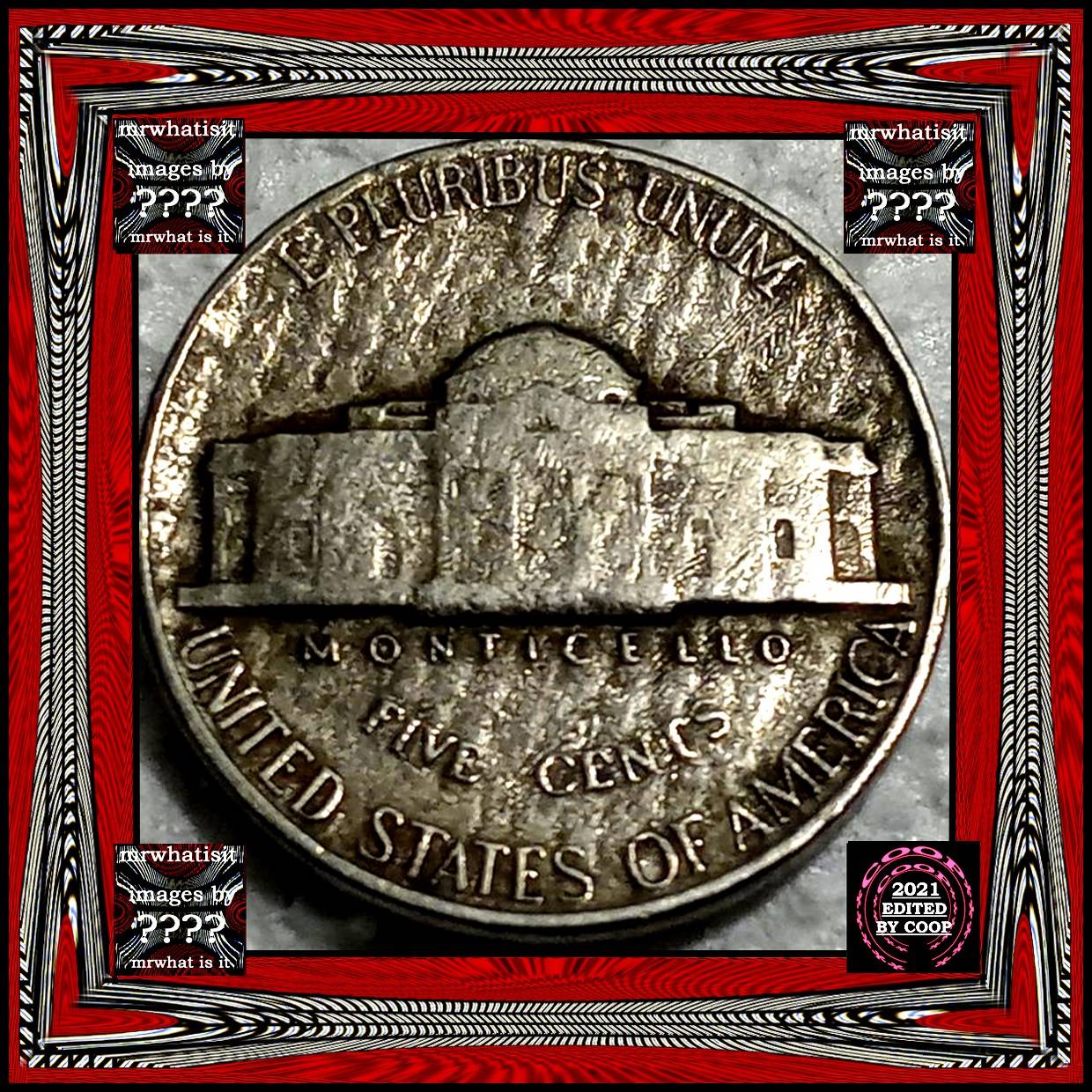
I am fairly certain that this is a struck-through cloth 1949 nickel, where the whole reverse has a wavy texture. It does not look at all to me to be PMD, and the obverse has a weak looking strike probably in relation to the reverse. On closeups of the reverse, there looks to be cross-patterns from the cloth. It has also seen some obvious circulation. I have also seen various other actual struck-thru cloth coins for comparison. If it is PMD, then it would be one of the strangest I have ever seen. 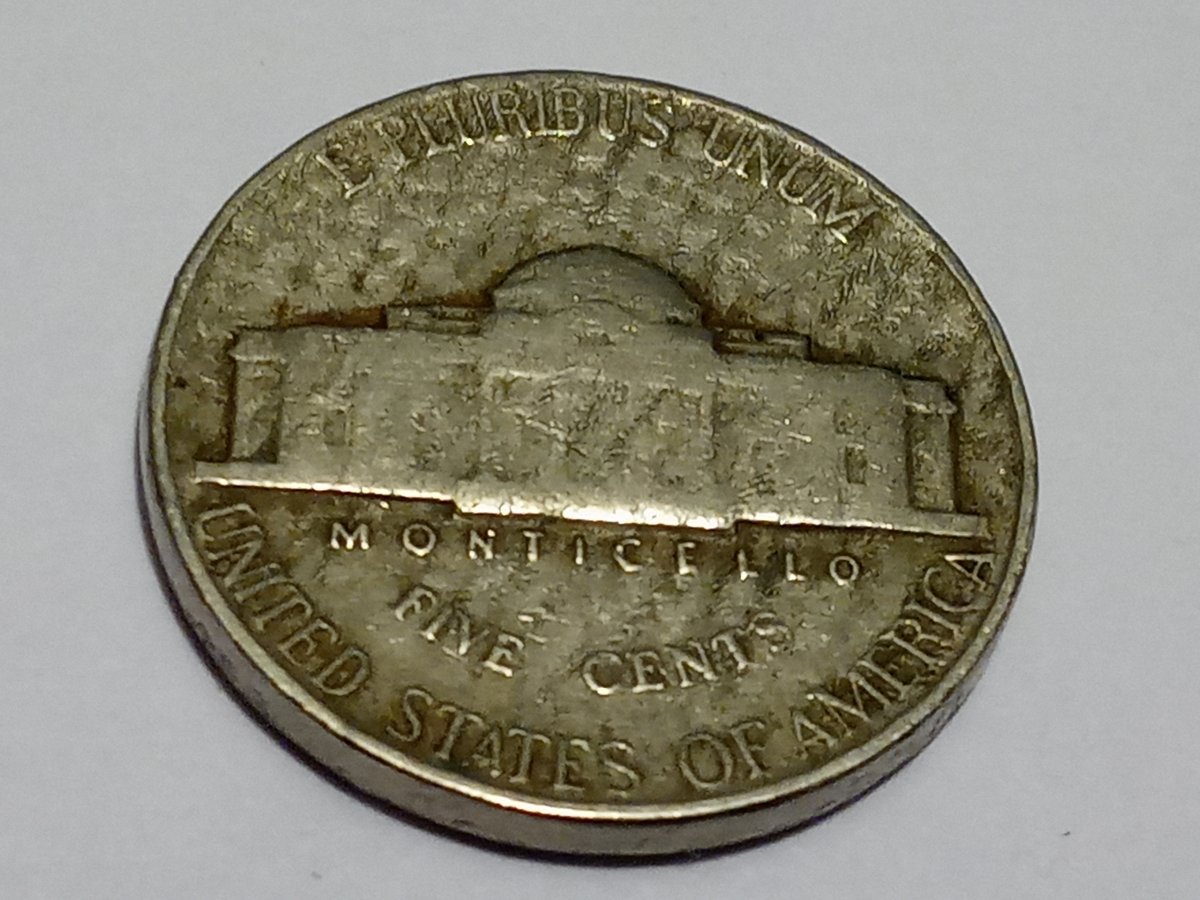 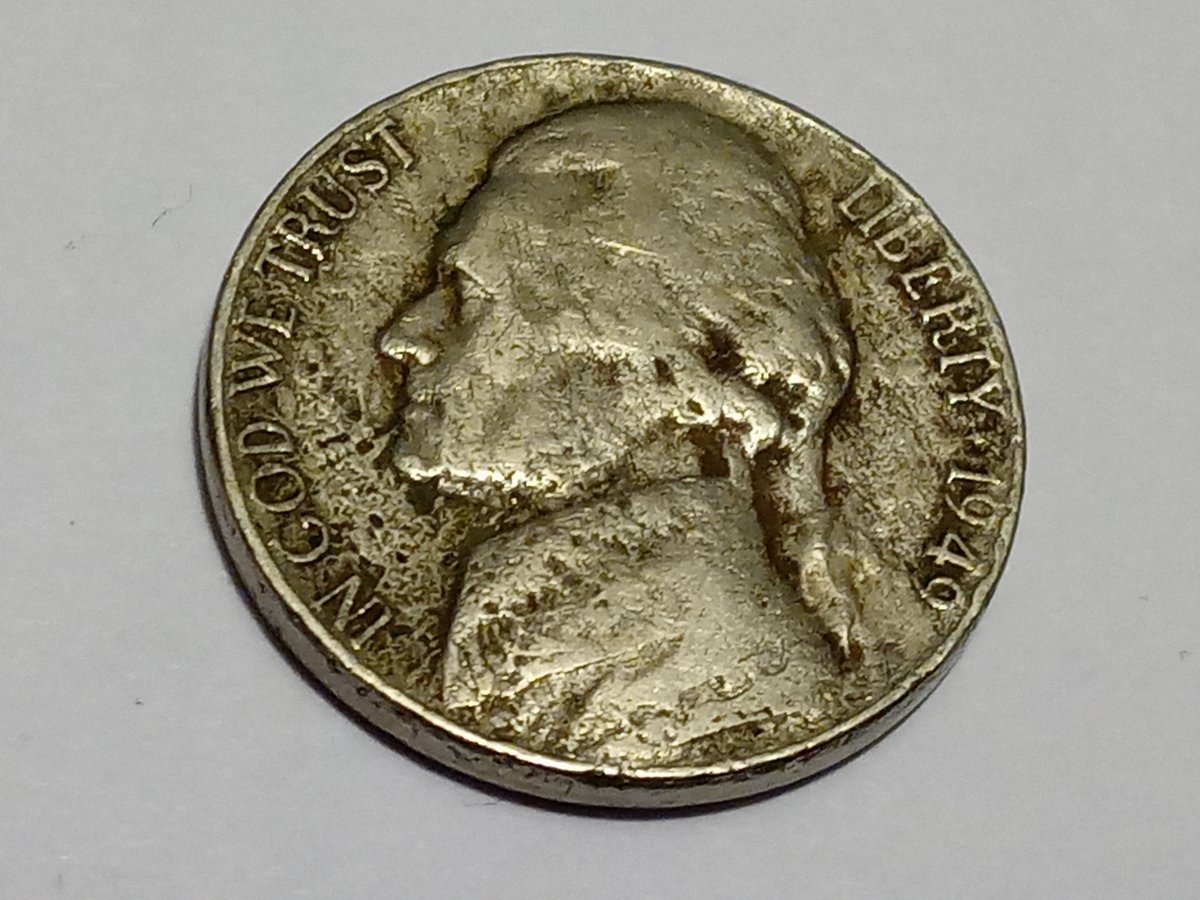 |
|
|
|
Pillar of the Community
 United States
3008 Posts |
Here is a slightly better picture. 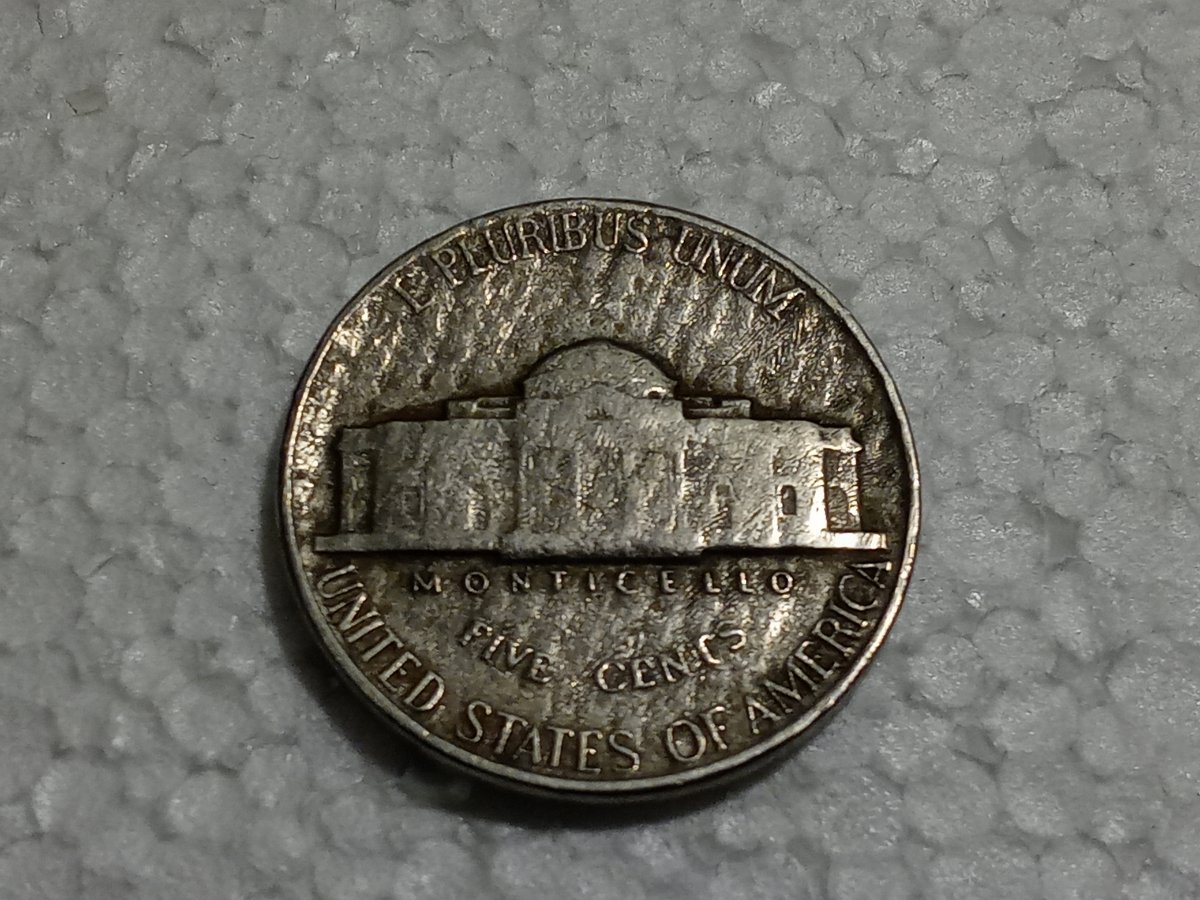 |
|
Pillar of the Community
 United States
4618 Posts |
I don't think it's struck through. It looks more like erosion of the metal. It may be from exposure to something acidic or even may have been buried at one time. The lines are most likely from the rolling process used to flatten the alloy to the proper thickness, so it's sort of akin to the lines seen on a laminated coin. Just my opinion, but I think it's Post Strike Damage. Lets see what the experts think.  ANA ID: 3203813 - CONECA ID: N-5637 Clean a coin that may be worth collecting? Please DON'T! When in doubt, leave it dirty!! 
|
|
Pillar of the Community
United States
4963 Posts |
I'm no expert either, but I think there's way too much detail for a strike-through. Most I've seen are pretty blurry. If it was struck through cloth, I'd expect the cloth to have been fairly thick given the coarseness of the texture.
Edited by Numisma
01/29/2021 9:55 pm
|
|
Pillar of the Community
2145 Posts |
Do you have a weight on it? Might as well start with the usual questions to start ruling out possible causes.
|
|
Pillar of the Community
United States
3008 Posts |
It weighs a normal 5 grams.
|
|
Pillar of the Community
United States
3207 Posts |
looks like the coin got an acid bath while it sat reverse-down on a paper towel or cloth
|
|
Bedrock of the Community
United States
62064 Posts |
After UNUM Looks interesting. But not part of the design for a nickel. Struck through cloth doesn't leave the devices that sharp: 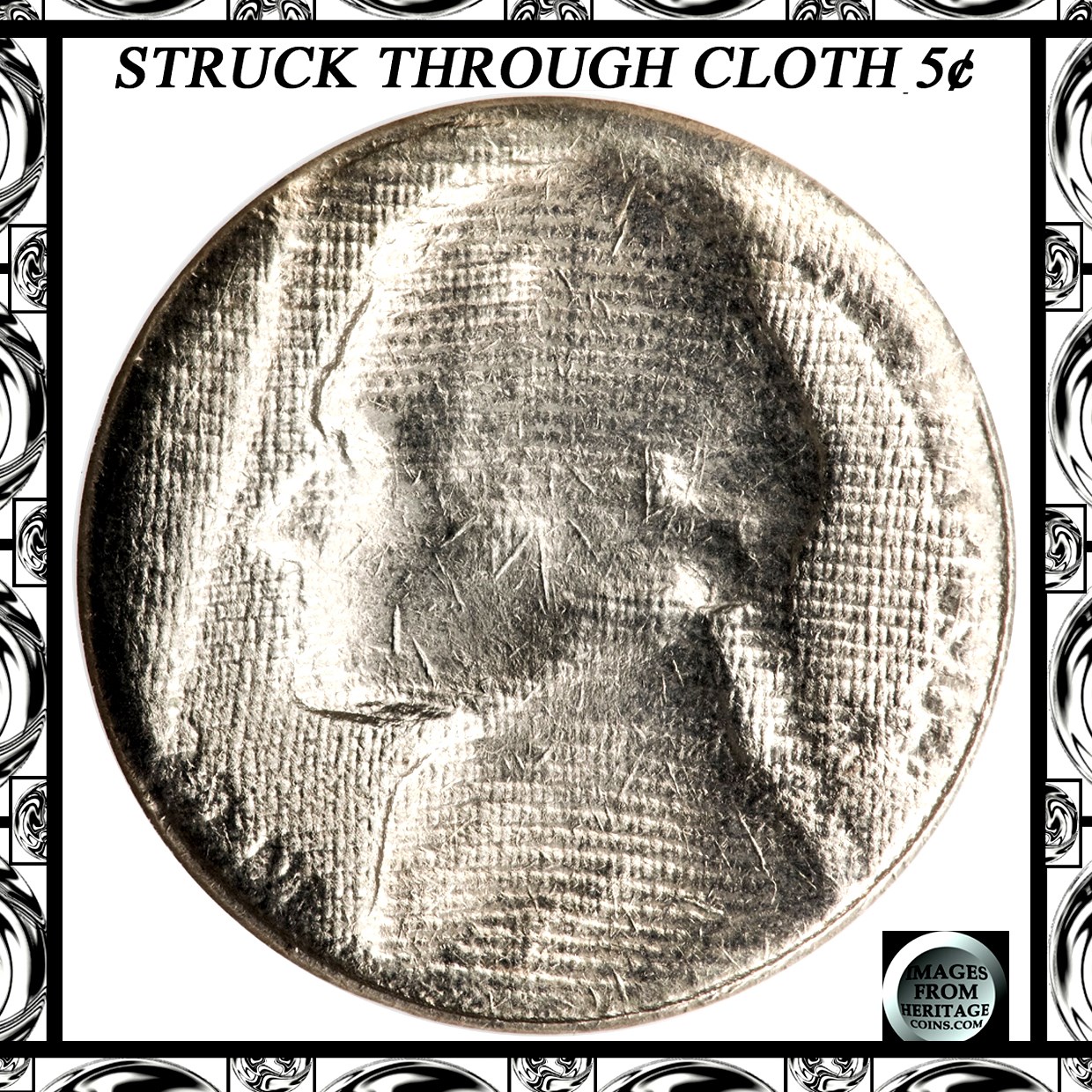 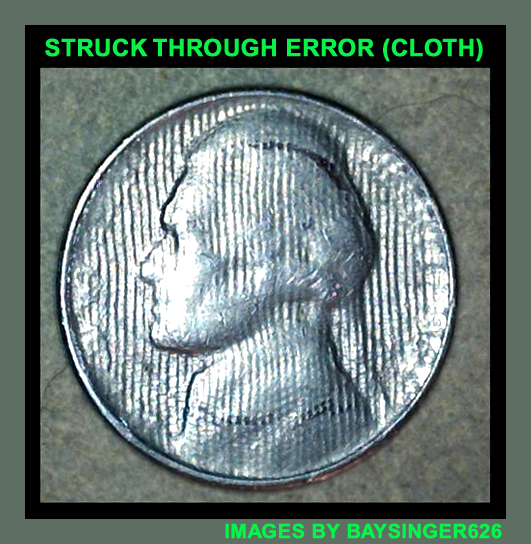 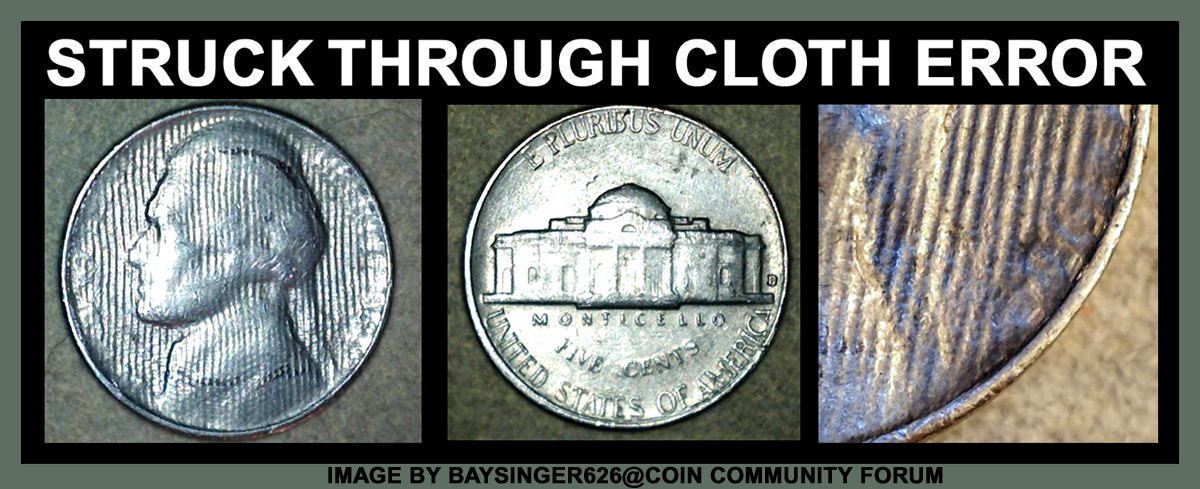 Opposite side not affected. |
|
Bedrock of the Community
United States
94367 Posts |
@nick10's thought is an interesting one.
|
|
Pillar of the Community
United States
3008 Posts |
Here is a interesting thought. Could it be a planchet error like an annealing flaw that happened before strike? Of course, nick10 could also be right.
|
|
Bedrock of the Community
United States
62064 Posts |
|
|
Pillar of the Community
United States
3207 Posts |
maybe before an acid bath it weighed 5.1 gr
|
|
Pillar of the Community
United States
3008 Posts |
Thats a good one, coop  , good image  , yeah, I'm not sure why it looks off for a struck-thru cloth? Edited by mrwhatisit
01/30/2021 4:07 pm
|
|
Valued Member
United States
221 Posts |
 with nick10. "5 grams" is too imprecise to say much. If we are talking plus or minus a gram for the lack of precision of the scale, that is ~20% material loss! Even at plus or minus a tenth of a gram, I would not be confident in ruling out an acid bath. If the acid attack were uneven, 0.1g of material loss on such a small surface area might look pretty obvious. While it isn't with US coinage metals/alloys, I have experience measuring metal loss due to corrosion or intentional etches prior to other surface treatments. Visible changes can be difficult to measure with a $2000 analytical balance, even with measuring test coupons which were weighed before and after the damage occurred. What chances do we have at a definitive conclusion when the exact initial mass is not known, and the final mass is measured with something like a $20 consumer model scale like I have at home? If the OP had reported a mass of 3.5 grams, we might take that as evidence of material removal, because that is so far outside the expected range, even allowing for mint tolerances. But, this is one of those cases when our methods of observation and measurement tools are not always capable of proving something in the negative. I am not saying that the coin has seen an acid bath, I am just saying that the weight cannot disprove that. The pattern on the back puzzles me, but the irregularities on the obverse looks much more random. I think nick10 has an interesting and plausible hypothesis. |
|
Pillar of the Community
United States
3745 Posts |
I think @nick10 is spot on. The second photo (the angled obverse pic) is interesting. It appears that there is pitting on the edge. That almost certainly would necessitate submersion in dilute acids. The pitting reflects the differing reactivity of Ni and Cu to the acid. My bet? Dilute Hydrochloric or Sulfuric acid.
Where was the coin found? If it came from Louisiana or Texas, the best guess would be either a Katrina coin or a Harvey coin. Many coins were commercially acid-washed and returned to circulation after being submerged in the toxic soup caused by hurricane flooding from these storms.
Edited by fortcollins
01/30/2021 5:01 pm
|
|
Pillar of the Community
United States
3008 Posts |
I picked up this nickel in Galesburg, MI at an antique mall from a coin dealer several years back. When I first saw it, I was thinking it looked like a struck-thru cloth error. It was in a bowl of mixed coins for a set price.
|
| |
Replies: 19 / Views: 2,726 |










 Posted 01/29/2021 9:41 pm