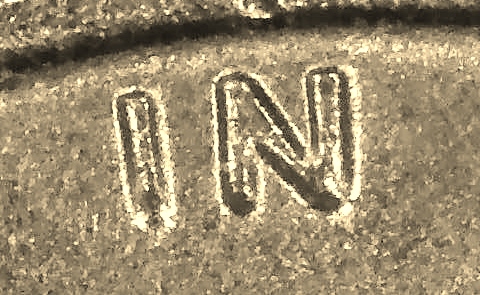
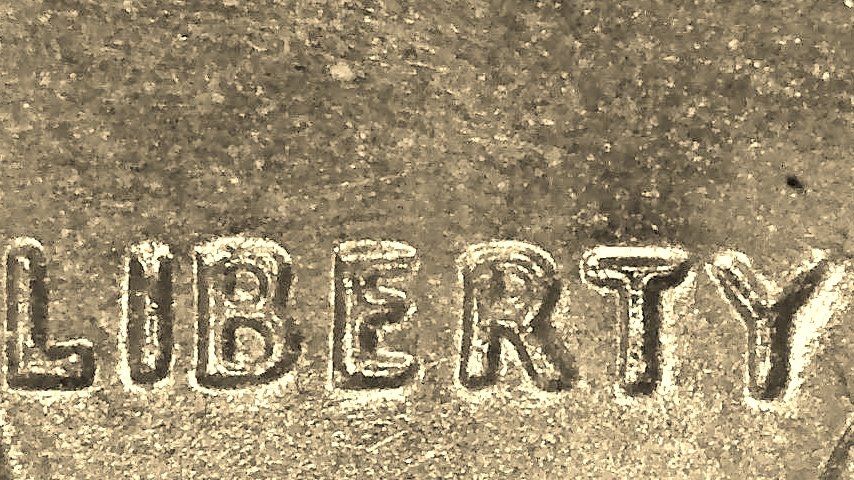
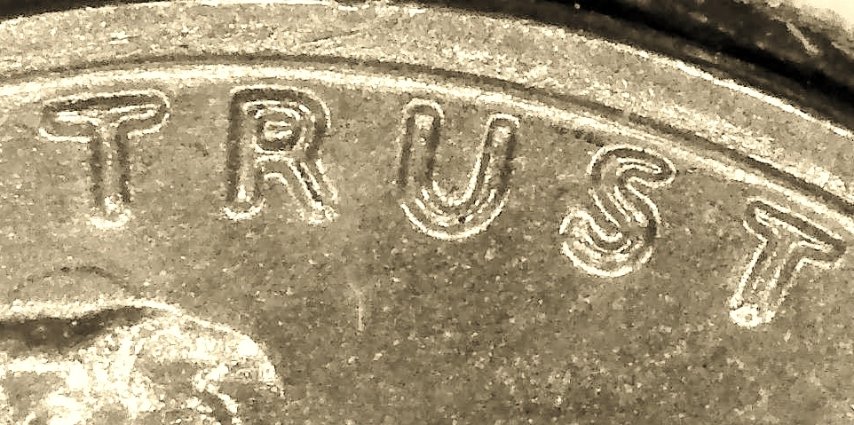
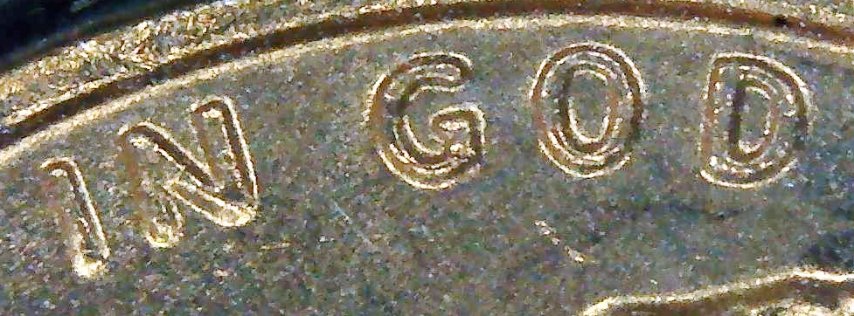
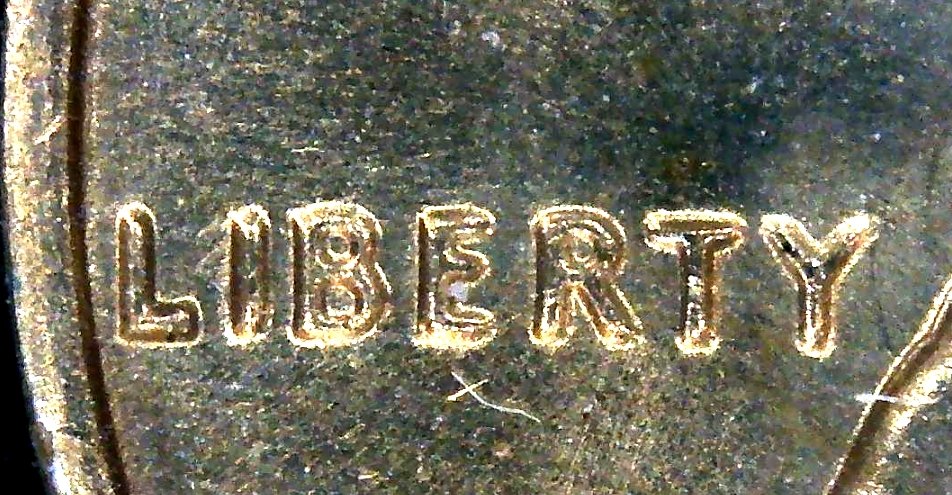
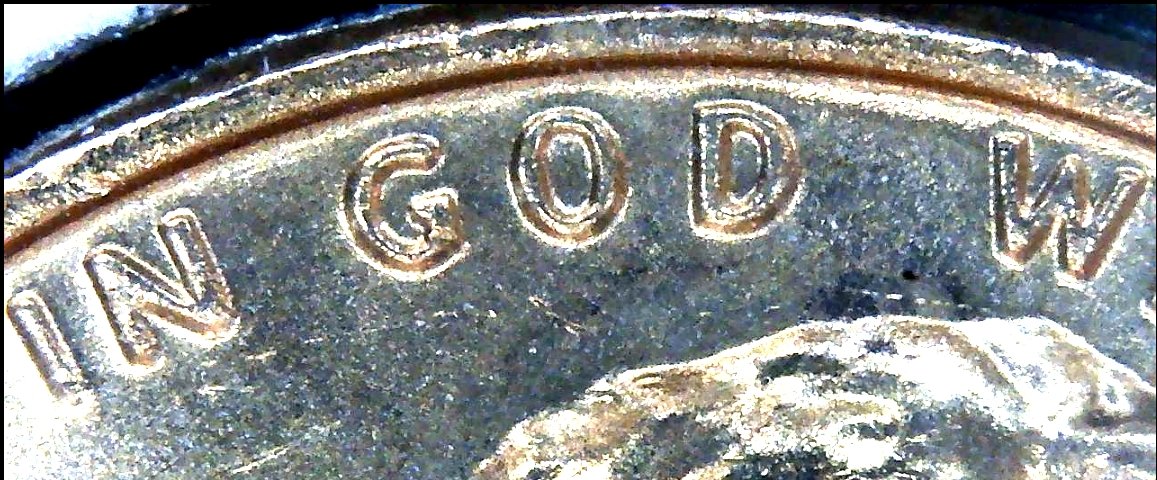
The glare from your lighting might be hiding something on the coin. To me it, the devices are normal size. If the glare is hiding
Machine Doubling then that may be what you are seeing. The 1968-1972 cents had a lot of
Machine Doubling those years. Look for the widening of the devices on the centers of the devices, and not looking at the edges of the devices. On the edges is where you will find
Machine Doubling which is common.
Note how these devices are showing enlargement of the devices, on the center of the devices:
_AAA.jpg)
_AAB.jpg)
_AAC.jpg)
_AAD.jpg)
_AAE.jpg)
Note on the date mintmark image, the date is enlarged, the mintmark is not enlarged. That is a way to tell that it is a doubled die. If you see the date and the mintmark on the pre-1990 coins showing the same thing, it is
Machine Doubling.
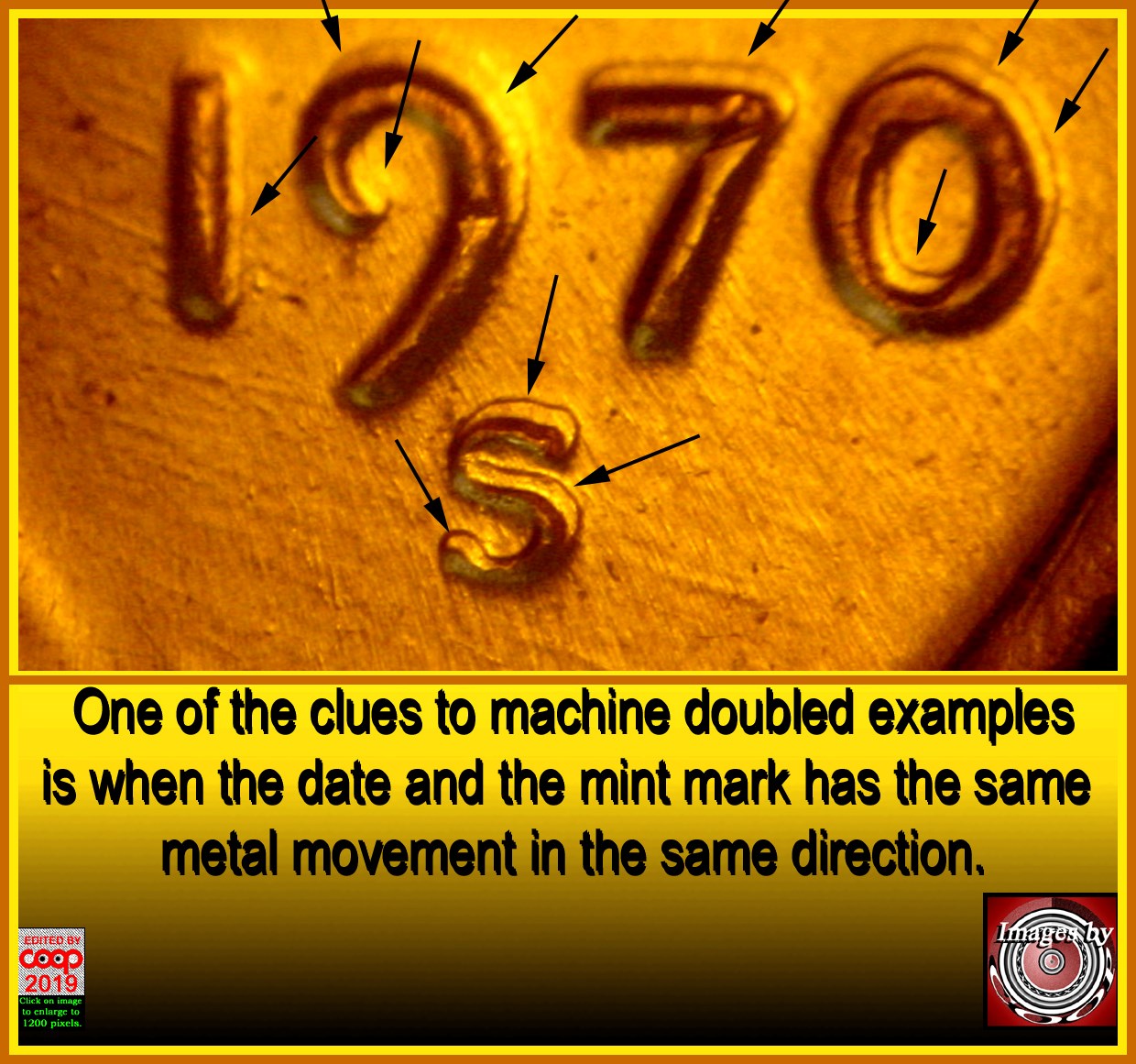
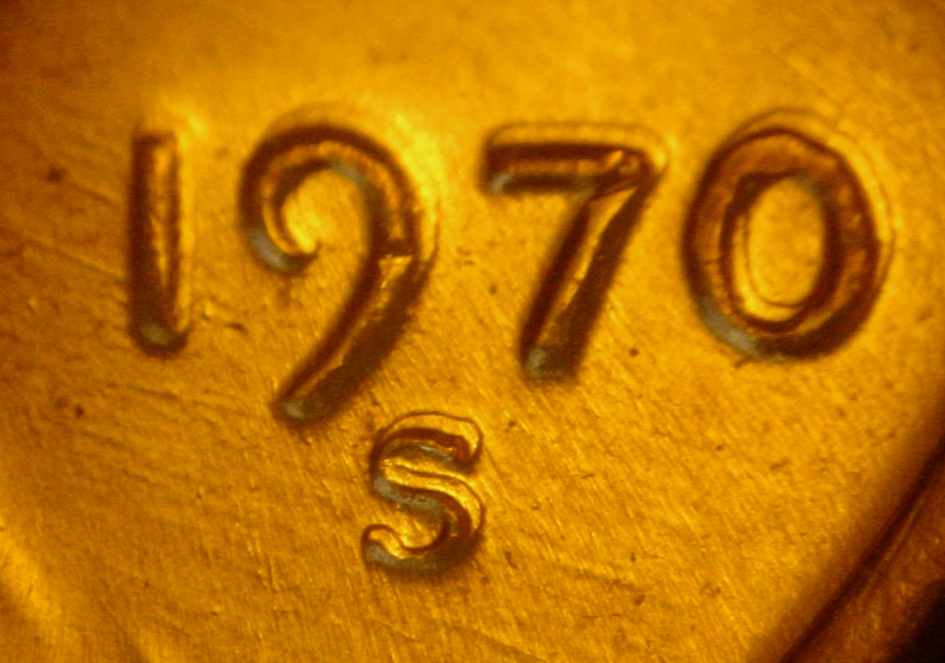
On the 1970 cents there were a doubled die that no other years shows on the '70' on the date:
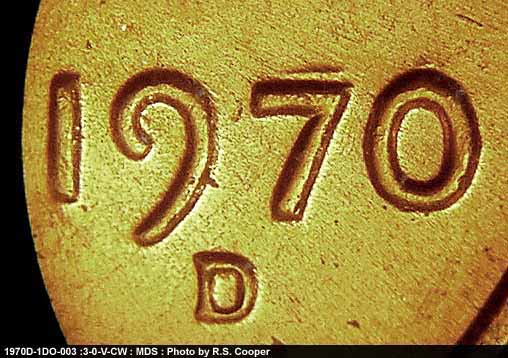
These are seen above and below the date areas.
http://www.coppercoins.com/lincoln/...ie_state=mdshttp://www.coppercoins.com/lincoln/...ie_state=mdsOr on the date devices:
http://www.coppercoins.com/lincoln/...ie_state=ldsEven a tripled die:
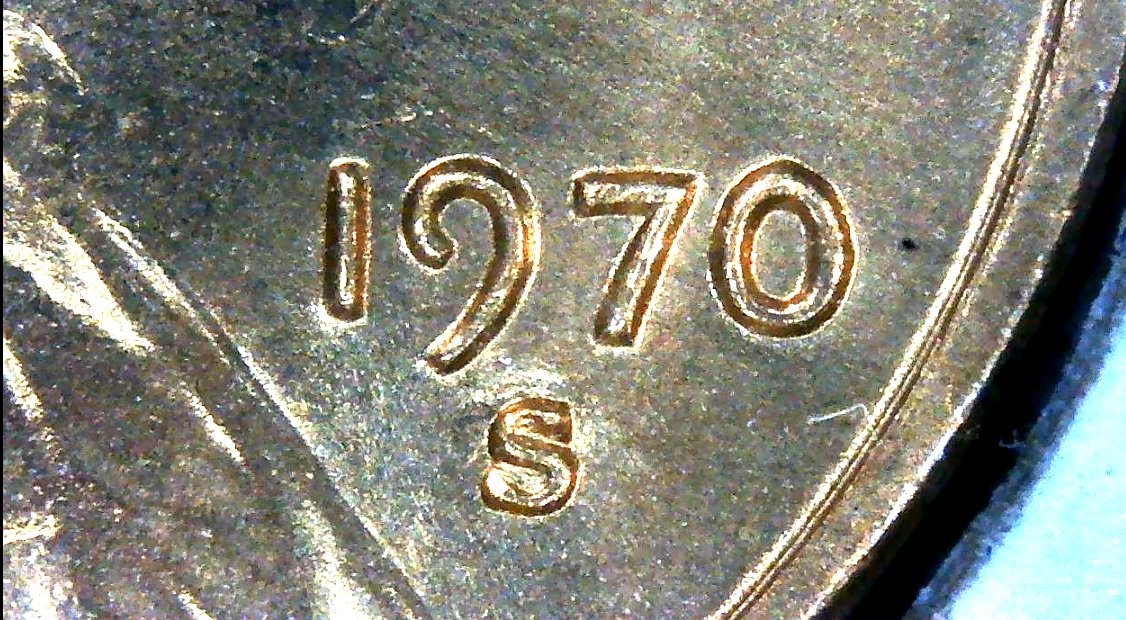
http://www.coppercoins.com/lincoln/...ie_state=edsAlso that year there were the large and small date 'S' mintmarks. How to tell?
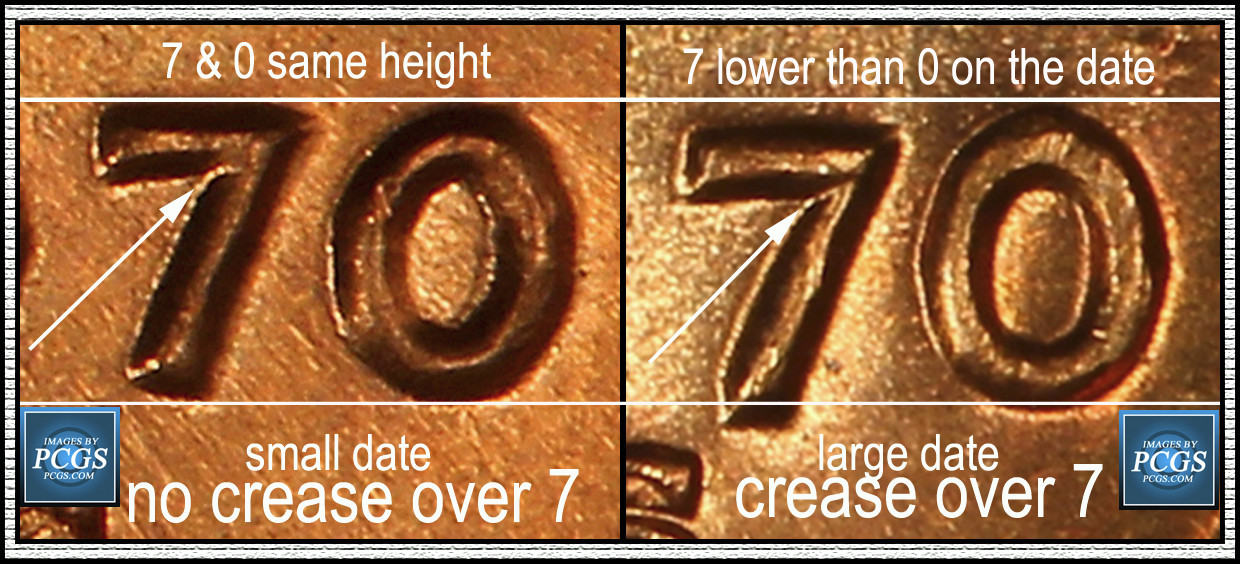
Note the '7' is lower on the large date and even on the small dates.
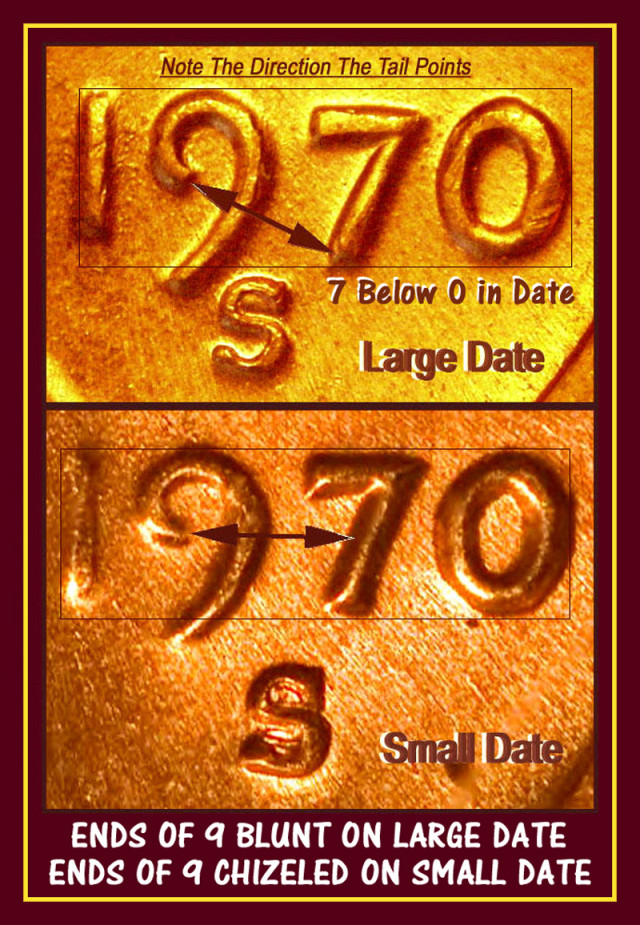
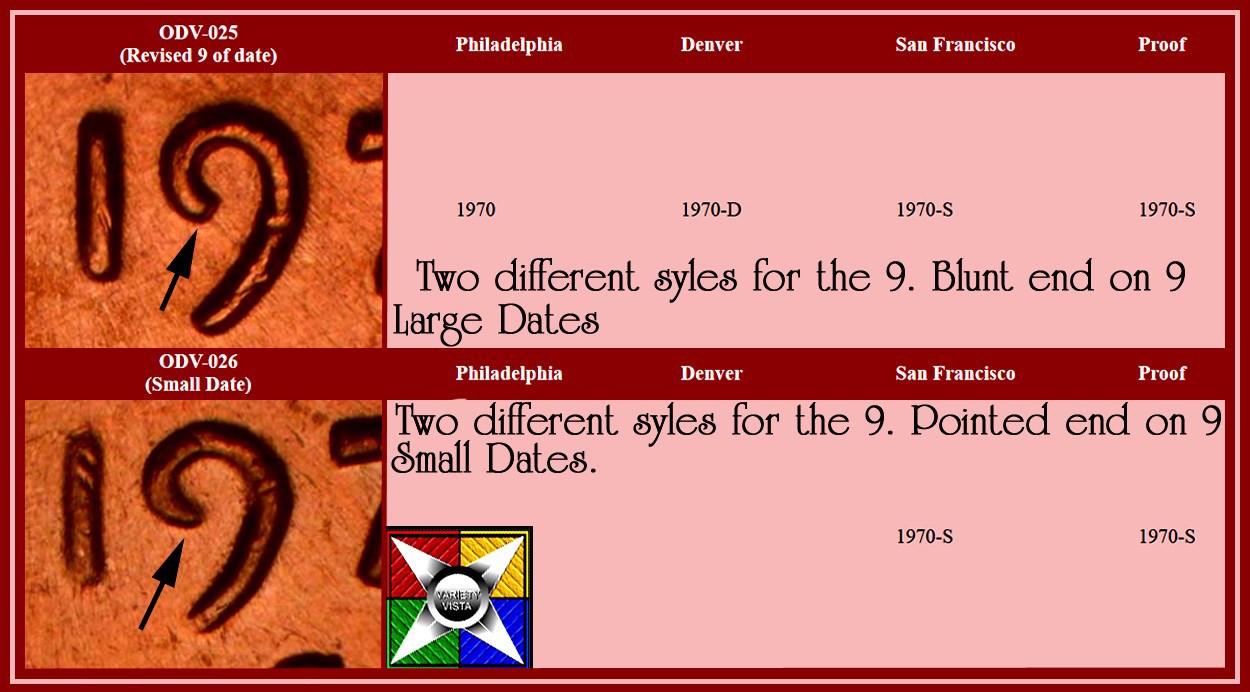
Also the curl on the '9' is different on the small date 'S' mints:
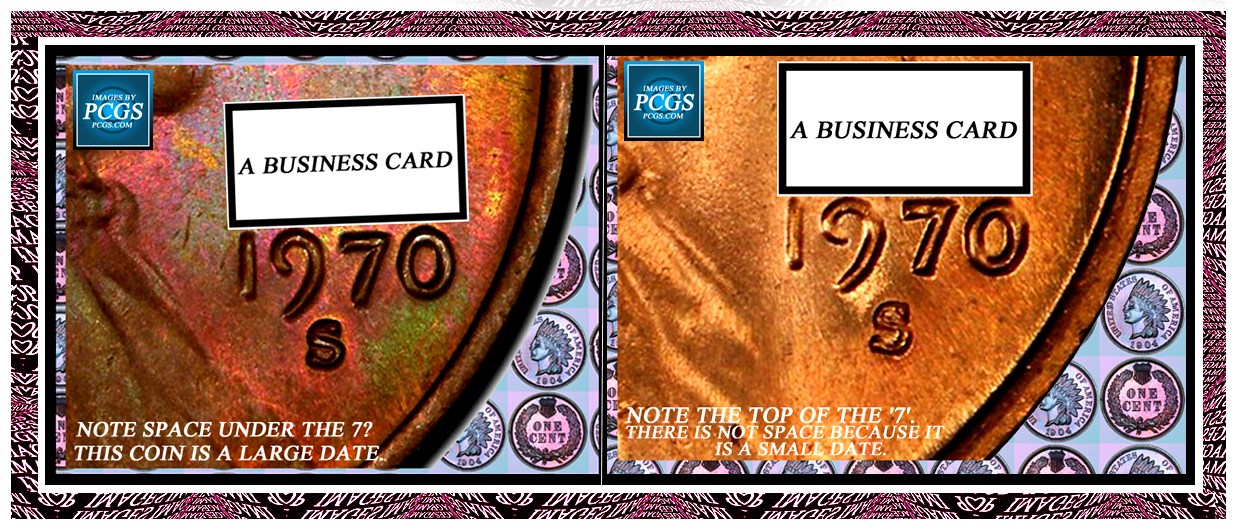
So when checking on the internet to see of they are the small dates or large dates on auction sites, remember my trick with a business card to tell the differences. (Most of the time they like to turn the coin a bit and make it harder to tell the differences)
Also that year they had a real nice RPM:
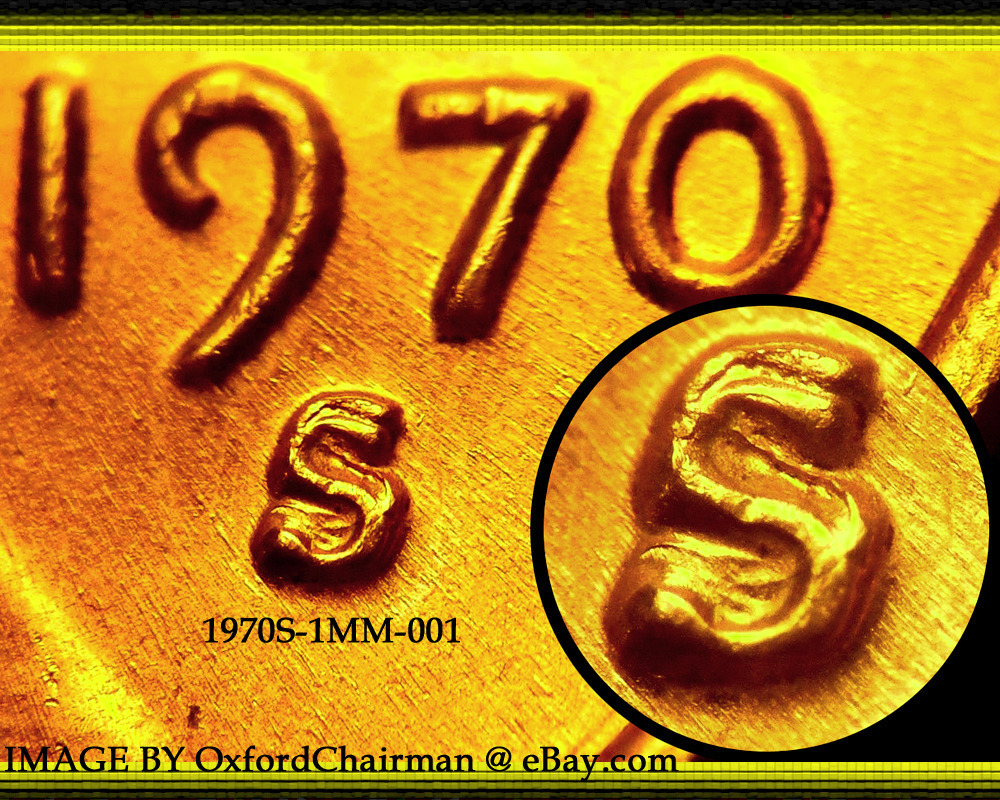
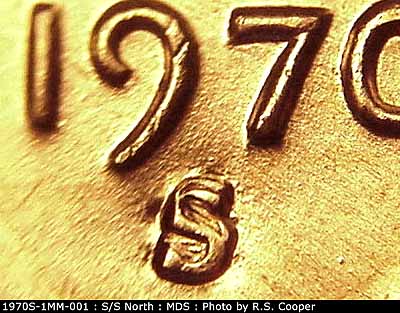
There are other RPMs also. Just considered the RPM-001
CoopHome :
What is special on the 1970 year cents?Edited by coop
04/04/2021 2:58 pm












 Posted 04/02/2021 03:56 am