| Author |
 Replies: 16 / Views: 3,521 Replies: 16 / Views: 3,521 |
|
New Member
United States
5 Posts |
|
|
|
|
Bedrock of the Community
United States
62064 Posts |
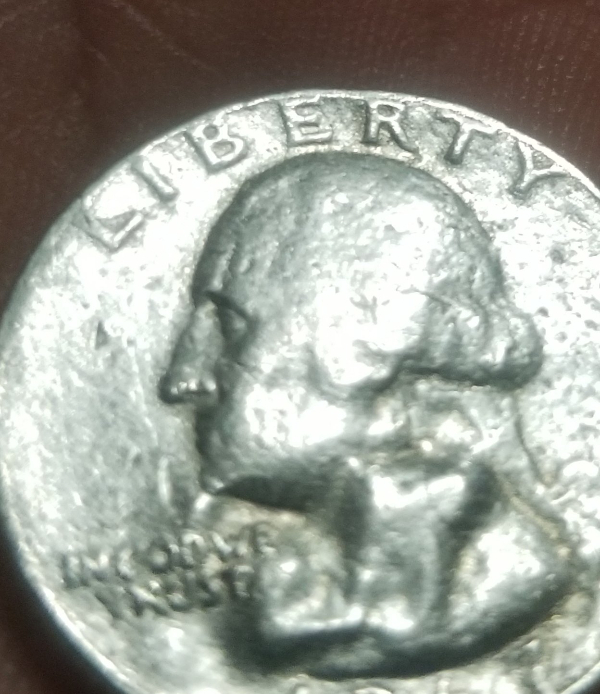
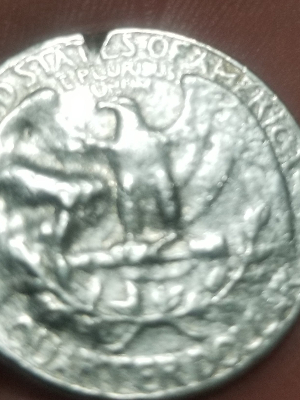
no mint errors, just a damaged coin. Spendable.
|
|
New Member
 United States
5 Posts |
Well actually it's on a nickel planchet. And the damage looks like die clashes or poss metal flow to being under weight?
|
|
Bedrock of the Community
United States
19543 Posts |
Yes, post strike damage--didn't leave the striking chamber in that condition. Not an error. In addition to other things, it appears intense heat may have been applied for a relatively short period of time. Perhaps intentionally by some one using a hobby-grade butane torch.
|
|
New Member
United States
5 Posts |
How can it not be an error if it only weighs 5 grams?
|
|
New Member
United States
5 Posts |
Please understand no disrespect intended. I'm a newbie and I'm just asking
|
|
New Member
United States
5 Posts |
Make a completely different sound when it hits the ground as well
|
|
Moderator
 United States
34539 Posts |
@wk, first welcome to CCF. Second, I'm glad that you are questioning why we think that your coin is damaged, as opposed to being a mint error, such as an off-metal strike. The weight is roughly in line for a quarter, considering that chunk out of the rim and too high to be a nickel. The bubbling that you see on George's neck and the eagle's wing is not from a previously struck coin, but rather the result of this coin being exposed to high heat. We sometimes call these "campfire coins".
"If you climb a good tree, you get a push."
-----Ghanaian proverb
"The danger we all now face is distinguishing between what is authentic and what is performed."
-----King Adz
|
|
Moderator
United States
56855 Posts |
|
|
Pillar of the Community
United States
1675 Posts |
Definitely been exposed to heat, it caused bubbling and some weight loss. The separation of the layers caused the different sound as well.
|
|
Bedrock of the Community
United States
62064 Posts |
Note the clad copper layer on the edge of the coin. Note there's a rim on your coin. If you're coin were on a nickel, then it would not be a clad coin, not expand a form a bubble from heat on the design would not fit on the smaller planchet. This is a damaged quarter.
Edited by coop
04/10/2021 08:38 am
|
|
Moderator
United States
106072 Posts |
 to CCF  with the heat damage theory. |
|
Valued Member
United States
221 Posts |
Significant figures are important here. When you say "5 grams" as opposed to say, 5.0 grams, that implies a balance measuring only to the nearest gram. A clad quarter would be around 5.67 grams. If a balance only measures to the nearest gram, it may very well show "5 grams" for a coin weighing 5.49 grams, for example. And that weight is completely within reason considering minting tolerances and a little circulation wear.
|
|
Bedrock of the Community
United States
94367 Posts |
Normal coin, heat damage. to the CCF! |
|
Pillar of the Community
United States
4963 Posts |
Spence nailed it. Consider it a learning experience.  |
|
Bedrock of the Community
United States
10635 Posts |
Way to go Spence! Very nice explanation! Someone used a blowtorch of poor ole George!  |
| |
Replies: 16 / Views: 3,521 |









 Posted 04/10/2021 07:50 am





