| Author |
 Replies: 14 / Views: 1,058 Replies: 14 / Views: 1,058 |
|
|
Pillar of the Community
United States
523 Posts |
Please grade, I am interested in comments where others identified a weak a strike with this coin. In addition, if you have any comments on the lighting, I have the light source at 12 o clock, tried it at 3, and experienced the same issue with the darkness around the lower jacket. 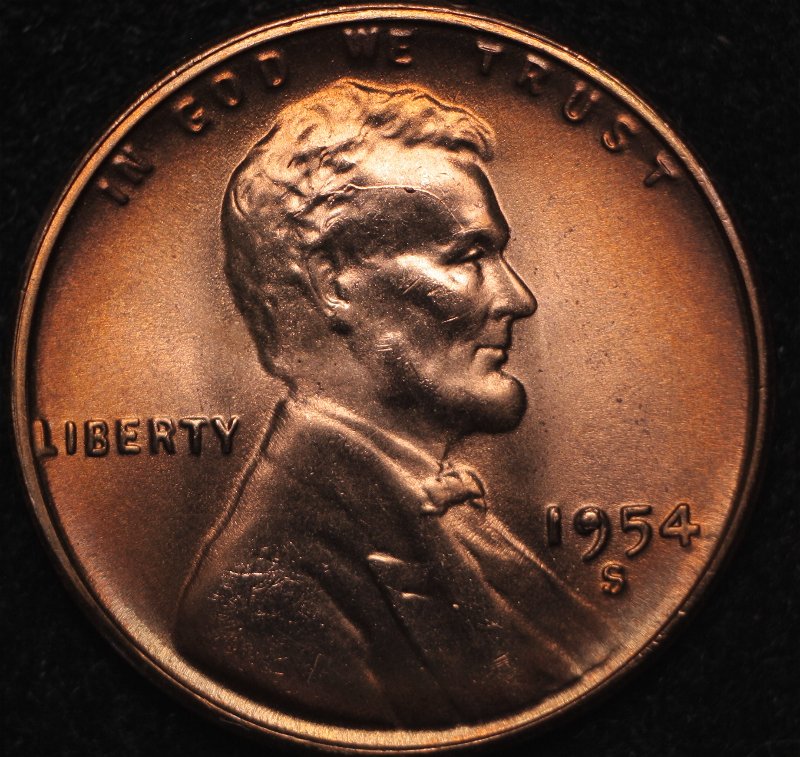 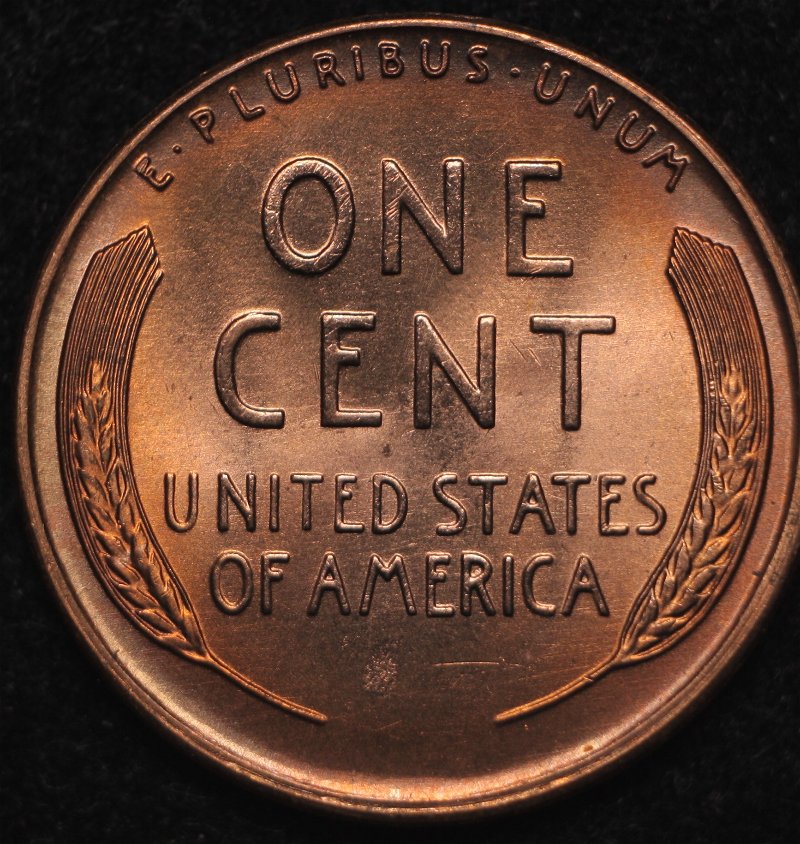 |
|
|
|
Pillar of the Community
United States
2869 Posts |
Nice die crack on the forehead. An ms-64
|
|
Pillar of the Community
United States
2567 Posts |
I would say an easy 65. A 64 would have a mushy reverse.
|
|
Bedrock of the Community
United States
94367 Posts |
Die chip on 9 in date, superb fields but scuffs on shoulder, cheek and and lower reverse may limit this to 65RD.
Edited by Coinfrog
09/03/2021 1:32 pm
|
|
Pillar of the Community
United States
4680 Posts |
Cool example! Nice die crack and die chip as others have pointed out. Color is also a plus, for me anyways. A number of the small shoulder marks and cheek/jaw marks look like planchet marks, rather than post mint. Some weakness there based on the flatness of the cheek bone and shoulder. MS65 RD for me. (Im still not great with photos) As far as lighting, it's always tougher for me to photo the obverse on LWC. Try a second light source, but you'll have to play around with positioning and distance so you can still capture some depth with the relief in the devices. You can also just use one light source, but get it as high up and as close to the lens as you can. May have to play around with your camera settings with this one (shutter speed, iso, etc.) All in all they look pretty good, just need a bit mire light in the shadowed areas.  (Again, in certainly no expert with coin photography). |
|
Pillar of the Community
United States
1086 Posts |
 with the above, a beautiful 65. |
|
Pillar of the Community
United States
3724 Posts |
Definitely late die state obverse from the die cracks and chip. The reverse is MDS. I think the scuffs on Lincoln's cheek, jaw, and shoulder are just a little bit too prominent for anything over MS-65. Nice coin, though.
|
|
Bedrock of the Community
United States
20030 Posts |
It's struck VERY well, no strike weakness at all. Just a little die wear.
65RB
Edited by BadThad
09/03/2021 7:29 pm
|
|
Pillar of the Community
 United States
523 Posts |
Thanks all for the input, much appreciated. Relative to the chatter on the bust, I recall reading in DQB's Cent Book that he said not to worry about the chatter on the bust? Suggested this was a planchet issue and not PMD. Thoughts? |
|
Bedrock of the Community
United States
20030 Posts |
The shoulder takes a lot of metal to fill, so weakness there is typical. The chatter you see on it are remnants of imperfections on the planchet. It is not damage or wear.
Edited by BadThad
09/04/2021 01:27 am
|
|
Pillar of the Community
 United States
4048 Posts |
Good strike. Not quite "full" but nearly so. One light source is usually not enough to light a coin effectively. The classic configuration is 10 and 2, and this will do better than just one at 12. Your one light is also at too low an angle. The low angle accentuates small surface anomalies such as the minor chatter on the bust. Higher angle lighting will make the whole coin brighter, as will a second light, and will minimize the minor surface issues. It also appears you're using a camera "picture style" that is not good for coins. There are many styles to choose from, but I highly recommend either "neutral" or "faithful". These are less "shopped" than the "standard" style. Within the picture style there are 4 subsettings: sharpness, contrast, saturation, and hue. To improve the conversion from raw to jpg (done by camera) I recommend reducing in-camera contrast. This improves the mapping of shadows so there is less post-processing required. Still, the image is good "raw material" and can stand up to improvements using post processing. All the information is there to make it look fairly good. I took the liberty of making some levels adjustments to prove this point, see the adjusted image below. 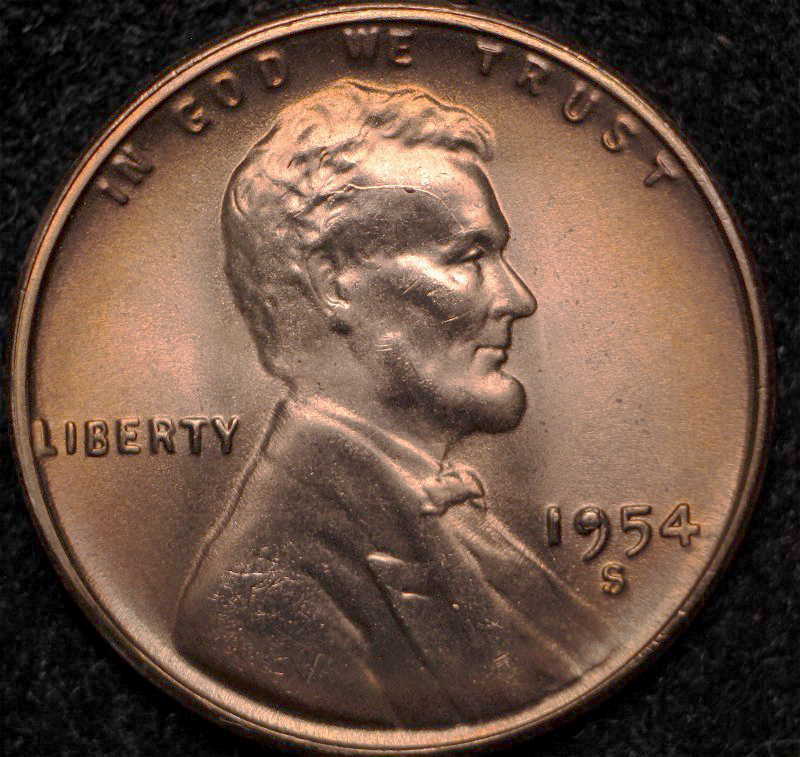 Contact me for photographic equipment or visit my home page at: http://macrocoins.com |
|
Pillar of the Community
United States
5869 Posts |
Ray (rsprpms) has the imaging answers. (Wish I had the experience with photography to process and use it.) You mentioned trying the light @ 3:00. How about trying it @ 6:00? I find that helps me when viewing through a loop. Quote:
It's struck VERY well, no strike weakness at all. Just a little die wear.
65RB Quote:
Definitely late die state obverse from the die cracks and chip. The reverse is MDS. I think the scuffs on Lincoln's cheek, jaw, and shoulder are just a little bit too prominent for anything over MS-65. Nice coin, though. I agree with BadThad and FortCollins. The weakness of your coin has to do with the die state (age of the dies). It looks like the reverse die was newer, so it was changed out. Words of encouragement are one of the major food groups.
We need to consume them regularly to thrive and grow.
|
|
Pillar of the Community
United States
4048 Posts |
This coin is a solid 66RD any day. The minor marks people are focusing on would not show up except for the particularly revealing lighting used by @shantiom. The prime focal areas of the fields in front of the face and above LIBERTY are completely clean.
Contact me for photographic equipment or visit my home page at: http://macrocoins.comEdited by rmpsrpms
09/04/2021 4:01 pm
|
|
Pillar of the Community
United States
3724 Posts |
There is at least a theory running around about die wear in the later San Francisco wheat cents. I've never heard this verified, but I've heard it several times over the years. Here is the short version: By the mid-1930s, it was evident that one of the western branch mints would close. Denver had the larger production capacity (floor space, presses, and employees), and was shipped more die pairs than San Francisco for most coins in most years. San Francisco tried to enhance productivity, but wrestled with older presses that required higher striking pressure. The net results were cracked dies and excessive die wear, creating the need to extend die life to meet production quotas. The only corroboration I have seen for this theory is the annual die pair shipments and higher annual mintage (for most years) in Denver. The abundant die cracks and Retained Cuds on 1940-S and 1955-S cents are usually mentioned as suggesting some truth to the striking pressure issue. To the contrary, San Francisco had relatively large mintages of cents in 1946 and 1953, with comparatively few die cracks and Retained Cuds in those years. I tend to think the theory overstates what was actually happening at the branch mints. All three mints stretched die life after WW II, and have many LDS/VLDS die states during this era. |
|
Pillar of the Community
 United States
5288 Posts |
I agree with MS65 RD. Might even get to MS66.
|
| |
Replies: 14 / Views: 1,058 |
|







 Posted 09/02/2021 10:31 pm





