| Author |
 Replies: 14 / Views: 2,785 Replies: 14 / Views: 2,785 |
|
|
New Member
United States
6 Posts |
I have this exact same error mine is 1979. It is identical to the one on this link. It literally looks like the coin was built in three separate layers and never bonded. The reeding is identical where the middle layer looks as if its worn at a different rate then the rest of the coin. This coin is also thinner than other quarters. I have never seen this before. Please let me know what this is if you have a clue. Is it mint damage or after mint damage. Any value ? https://www.ebay.com/itm/403205904139?tmp=no |
|
|
|
Pillar of the Community
United States
591 Posts |
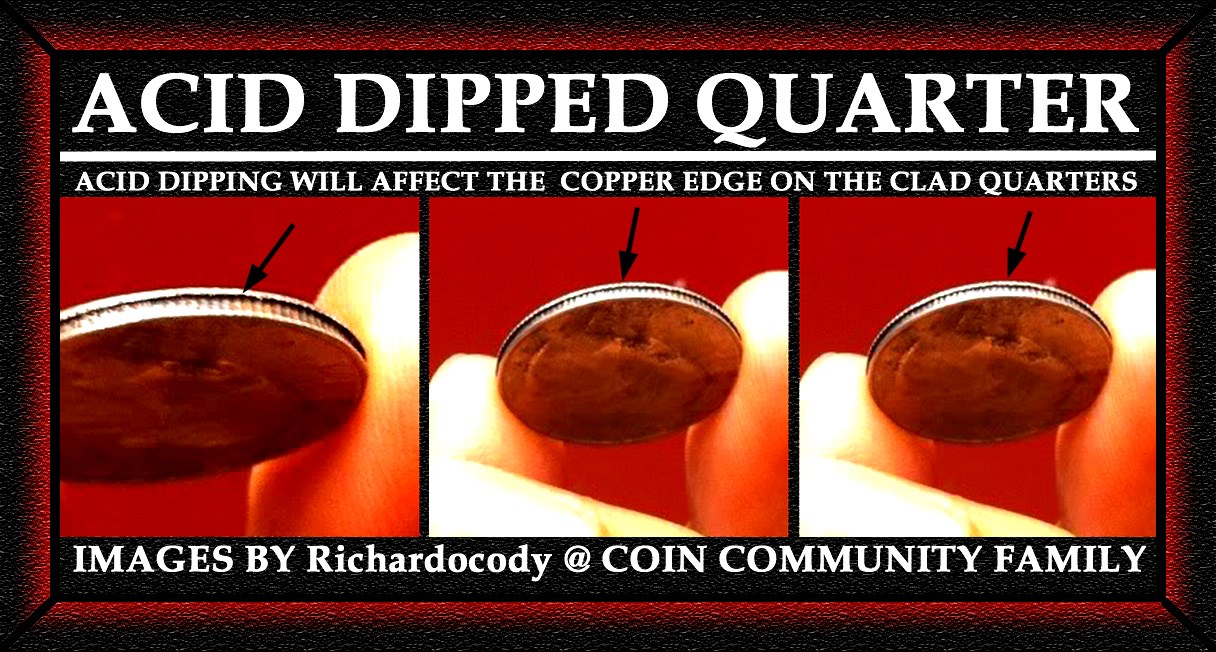
It's a coin that's been exposed to an acid (or a strong base) of some sort.
Copper tends to react more easily with caustic agents than nickel and thus the copper layer of the clad coin gets eaten away faster than the nickel layer.
Search acid coin on the forum and you'll see a lot of examples of clad coins like this.
Edited by HGK3
10/07/2021 10:26 am
|
|
Pillar of the Community
Canada
3328 Posts |
Based on the weight and look my guess is acid dipped coin.
|
|
Moderator
 United States
56855 Posts |
 . Type acid dipped quarter coin in the search box upper left of page for a ton of info. John1  |
|
Bedrock of the Community
United States
19611 Posts |
A photo of your coin--obverse and reverse--might be interesting to see. Thanks.
|
|
Bedrock of the Community
United States
62064 Posts |
|
|
Bedrock of the Community
United States
94367 Posts |
to the CCF! |
|
Pillar of the Community
United States
1373 Posts |
BTW, DON'T put your fingers in the acid to dip coins. My old buddy, Stubby McGee, found out the hard way.  |
|
Pillar of the Community
Canada
3328 Posts |
@atticguy, I heard the same thing about cleaning copper with peroxide:p turns your fingers blue or something
|
|
New Member
 United States
6 Posts |
Thank you all very much for the quick reply I can see where it definitely could be an acid coin what I'm a little confused on is why it is still so thin unless it's just a rolled then planchette that went through acid. I'll have to upload a picture later when I get a chance
|
|
New Member
United States
6 Posts |
Ok as someone suggested here is the photo of my thin quarater. I can see where acid would eat the copper but why would it get so thin ? 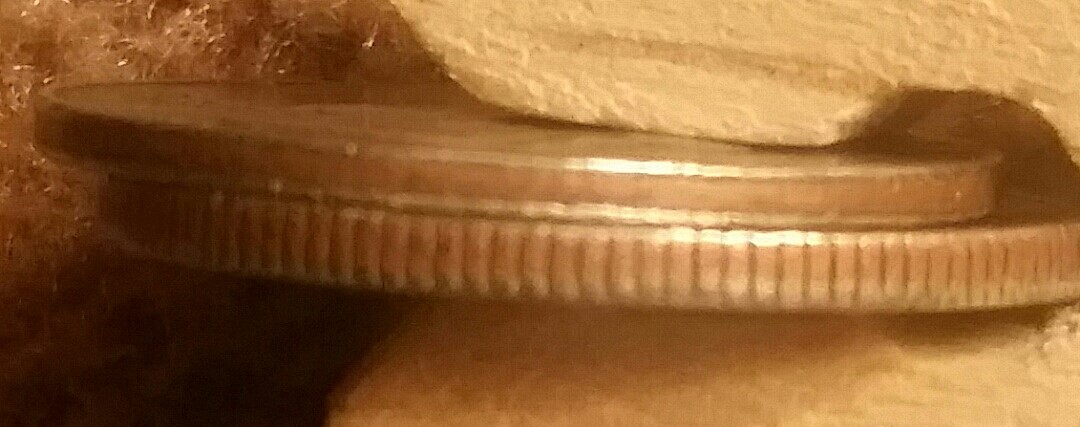 |
|
Bedrock of the Community
United States
10065 Posts |
Quote:
... but why would it get so thin ? The entire coin was being dissolved by the acid (most likely nitric acid). So it was made thinner. I used to do this in my chemistry classes to give my kids a good visual to remember nitric acid was used for metals. The process takes less time than you would think and is pretty violent. Edited by Earle42
10/08/2021 7:25 pm
|
|
Bedrock of the Community
United States
62064 Posts |
Depends on the strength of the acid and the time left in the acid. Note a thinned silver coin that was acid dipped: 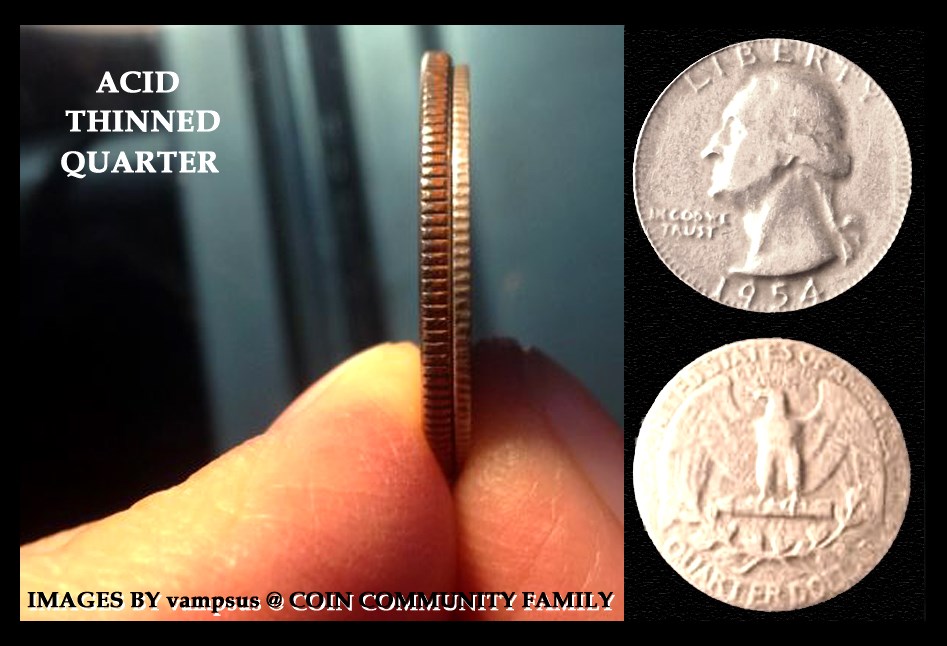 Thinned cent: 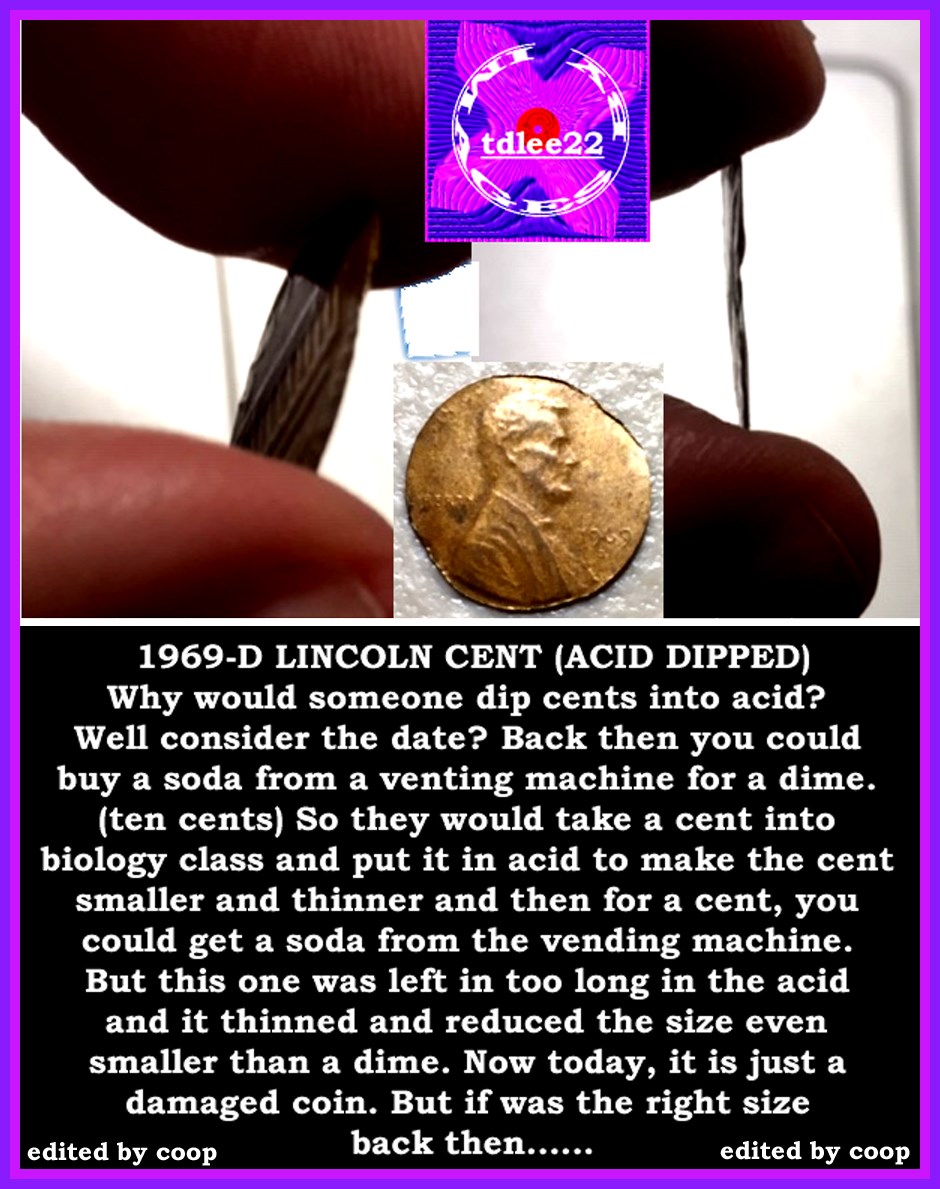 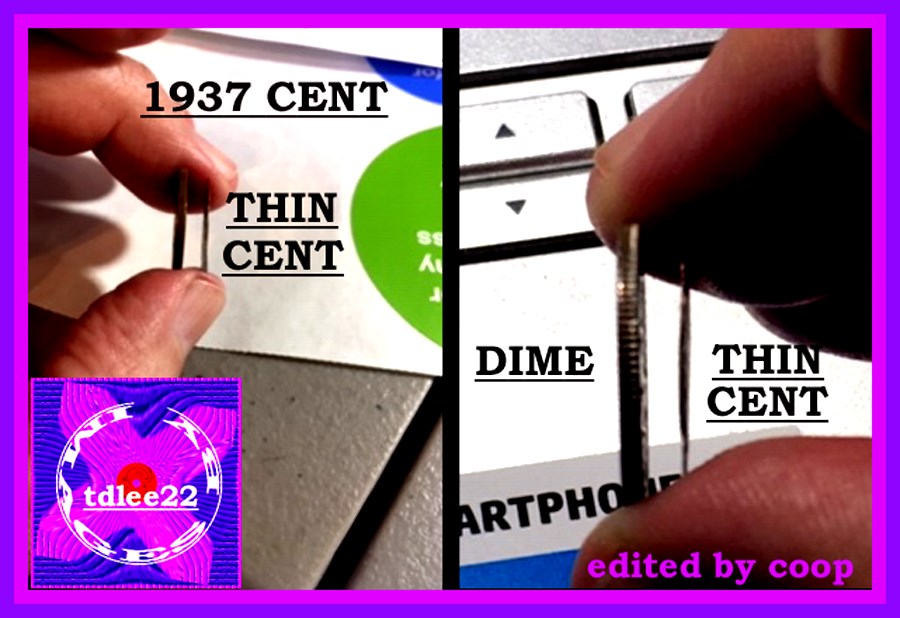 |
|
Pillar of the Community
United States
5897 Posts |
For the clad part, it is all about the surface area exposed to the acid. The more surface area the more is dissolved.
If you check, your coin will be smaller in diameter than a regular quarter as well.
Words of encouragement are one of the major food groups.
We need to consume them regularly to thrive and grow.
|
|
New Member
United States
6 Posts |
Thanks.....I guess I wasn't thinking about it eating the outer layers but I see what you all mean. The great visuals and explanations helped. :)
|
| |
Replies: 14 / Views: 2,785 |
|







 Posted 10/07/2021 10:27 am