| Author |
 Replies: 18 / Views: 2,108 Replies: 18 / Views: 2,108 |
|
Valued Member
United States
106 Posts |
|
|
|
|
Valued Member
United States
255 Posts |
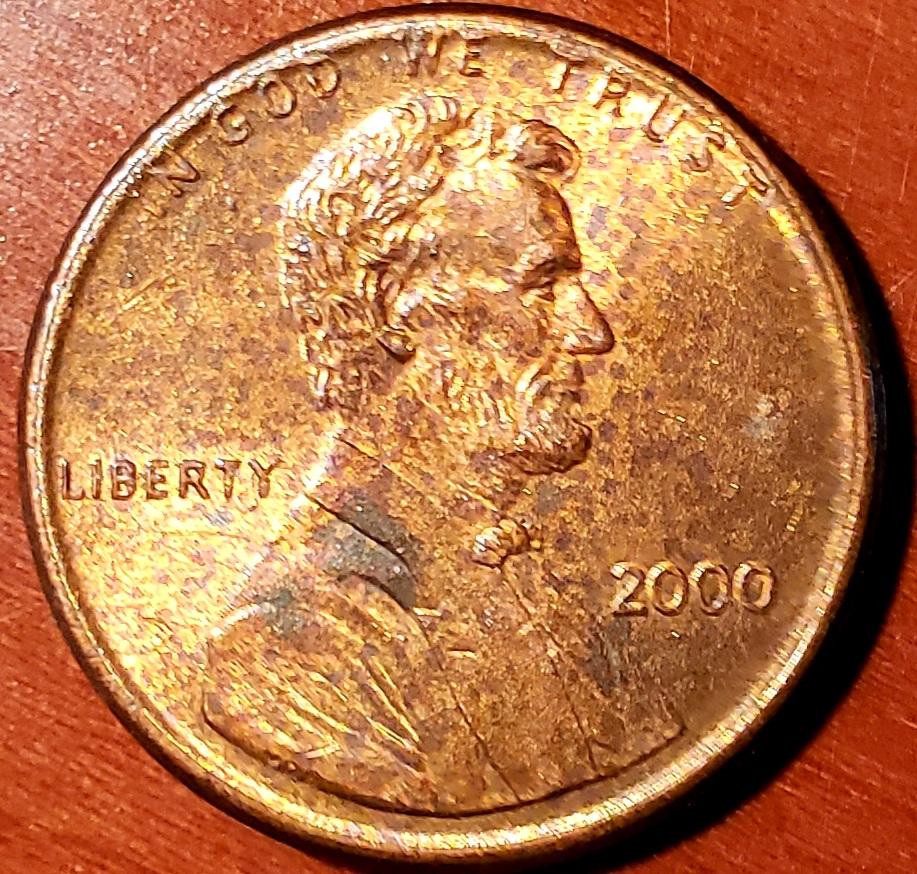
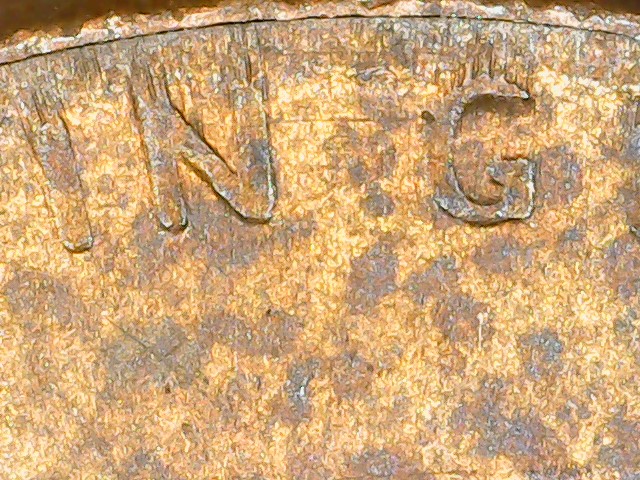
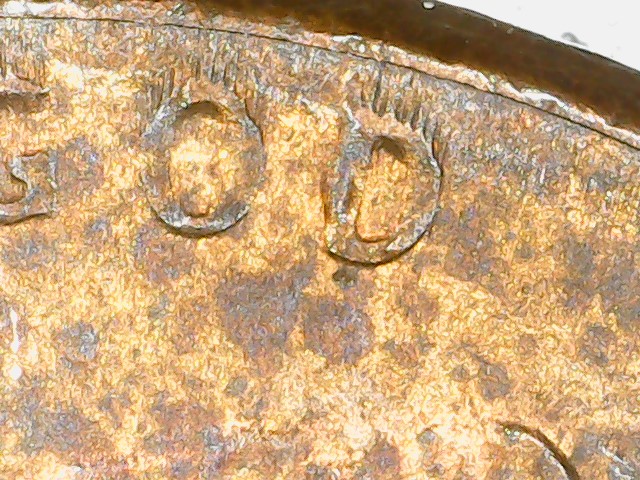
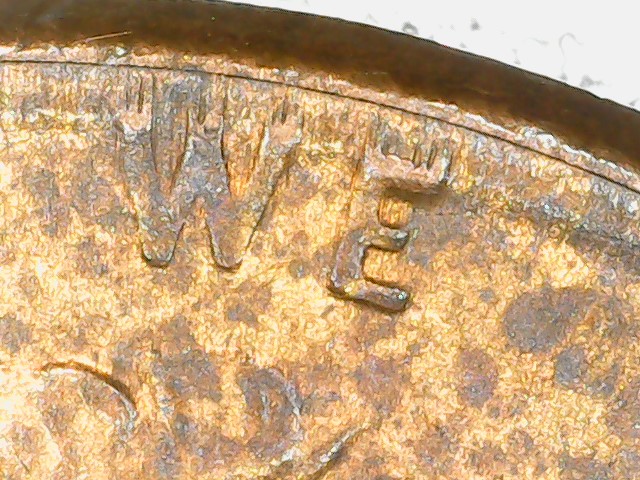
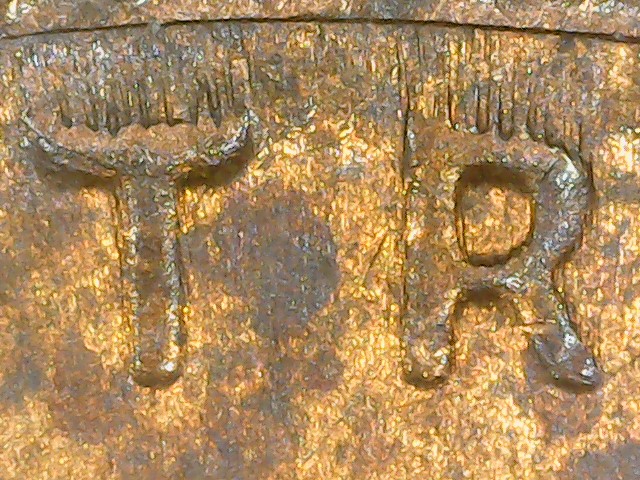
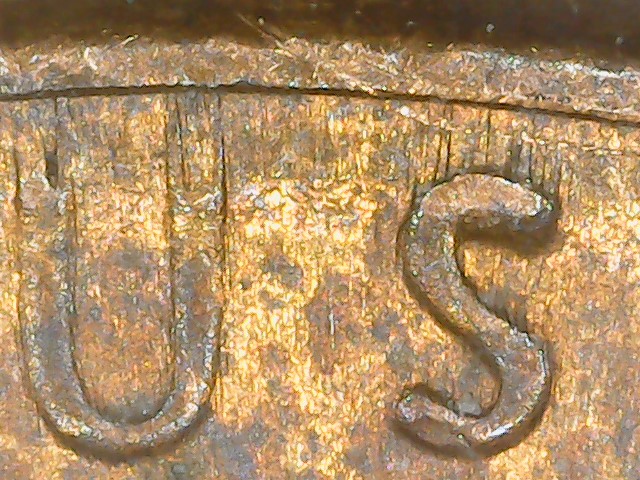
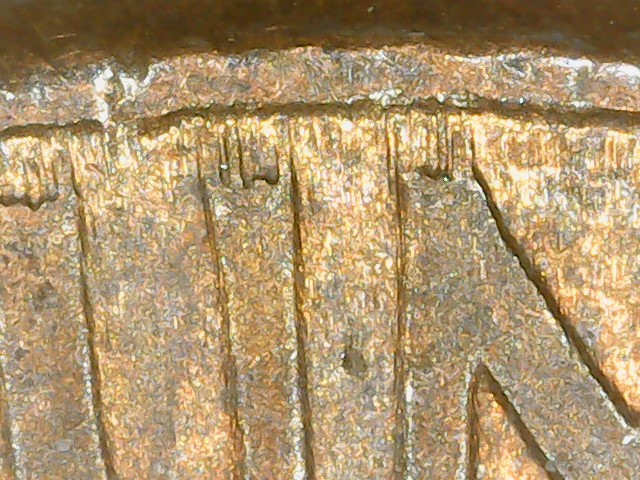
First glance looks like ridge rim to me but idk about the little fingers coming off the letters. Very interesting!
Edited by Yorkish
12/28/2021 6:19 pm
|
|
Bedrock of the Community
Canada
21890 Posts |
|
|
Moderator
 United States
56855 Posts |
DDD. John1  |
|
Bedrock of the Community
United States
10635 Posts |
|
|
New Member
United States
27 Posts |
This particular effect is called "trailing" and is a machine error, but cool example. I don't think it adds or takes away value.
|
|
Bedrock of the Community
United States
10635 Posts |
Quote:
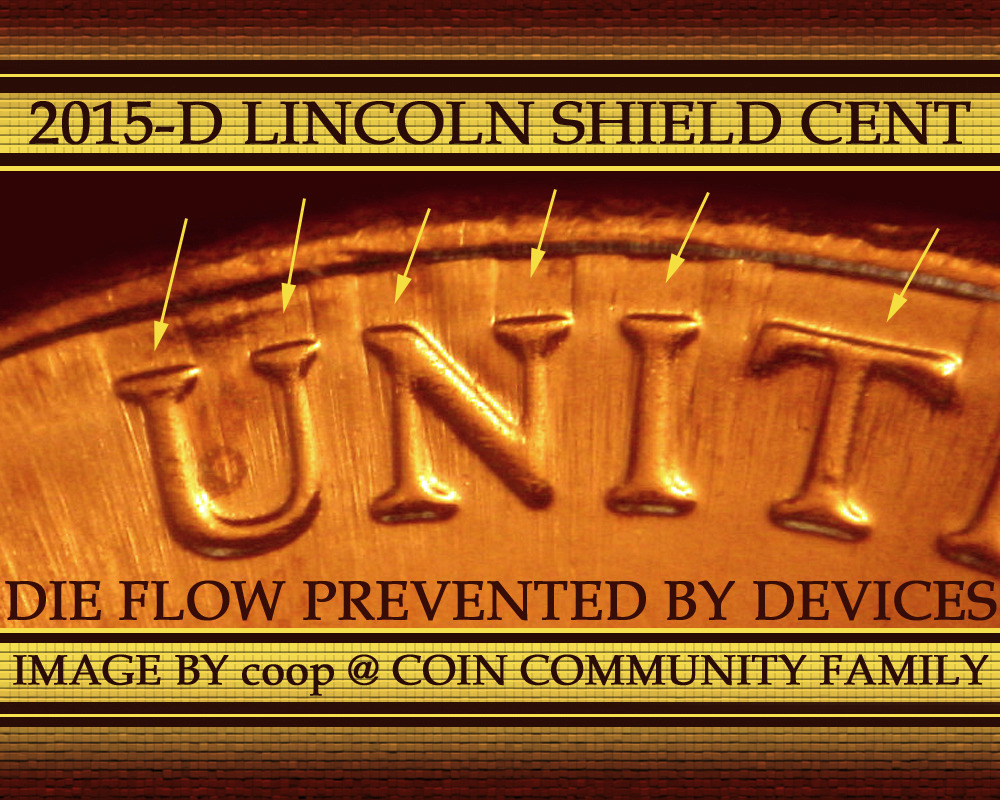
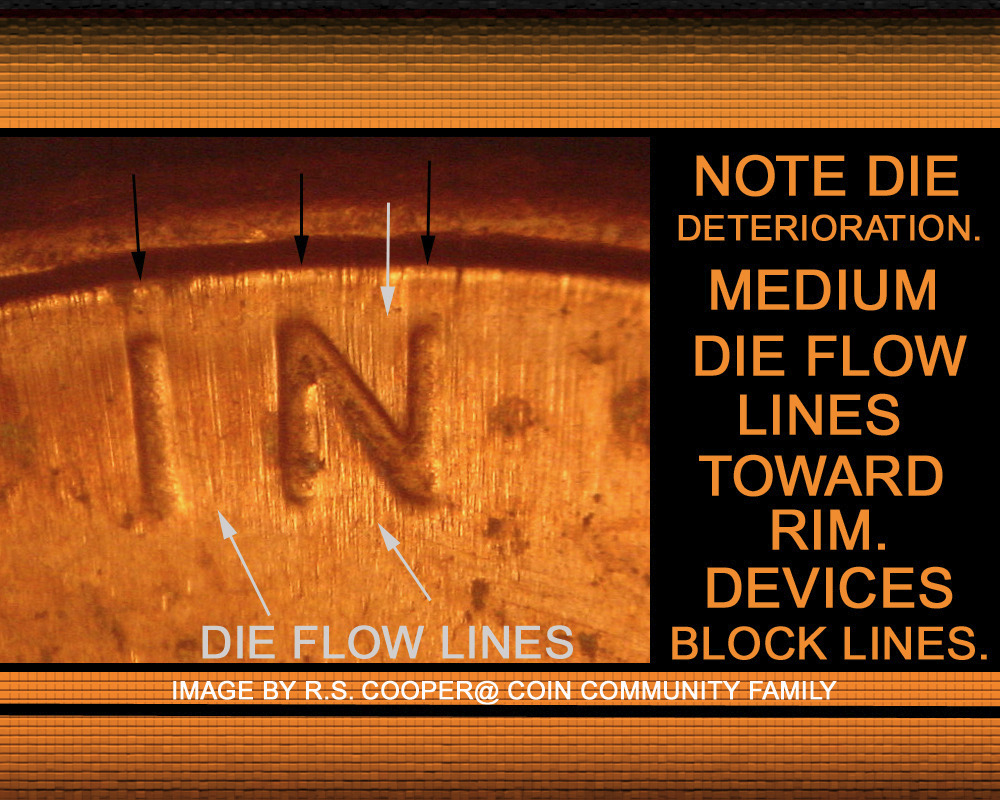
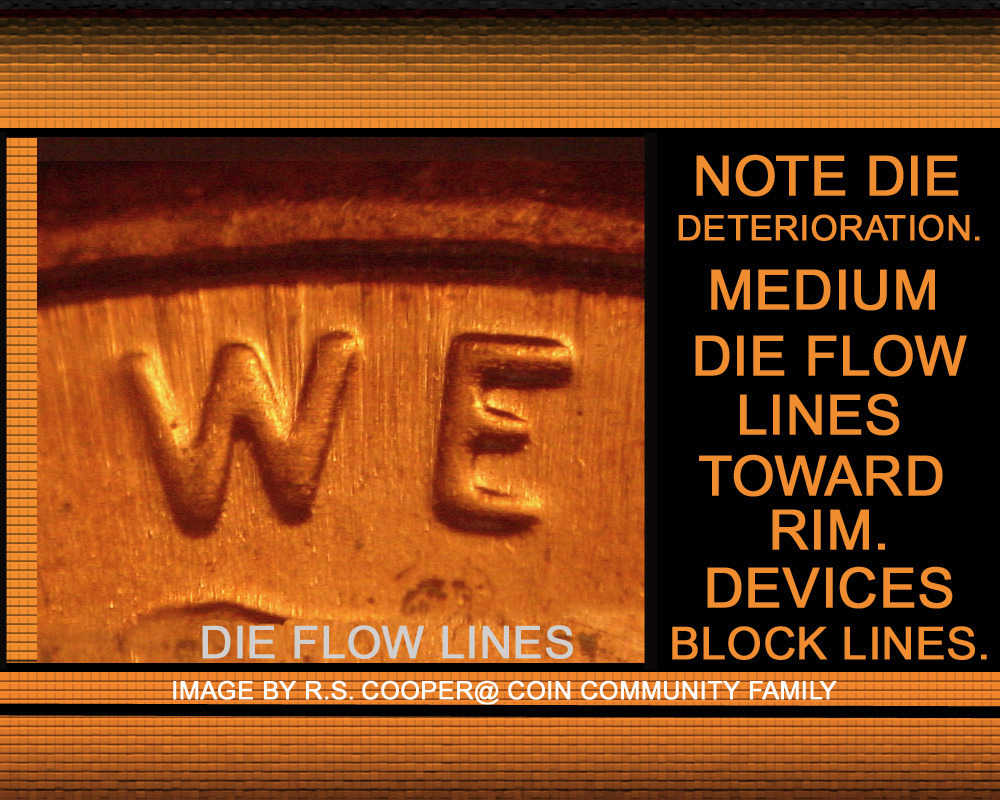
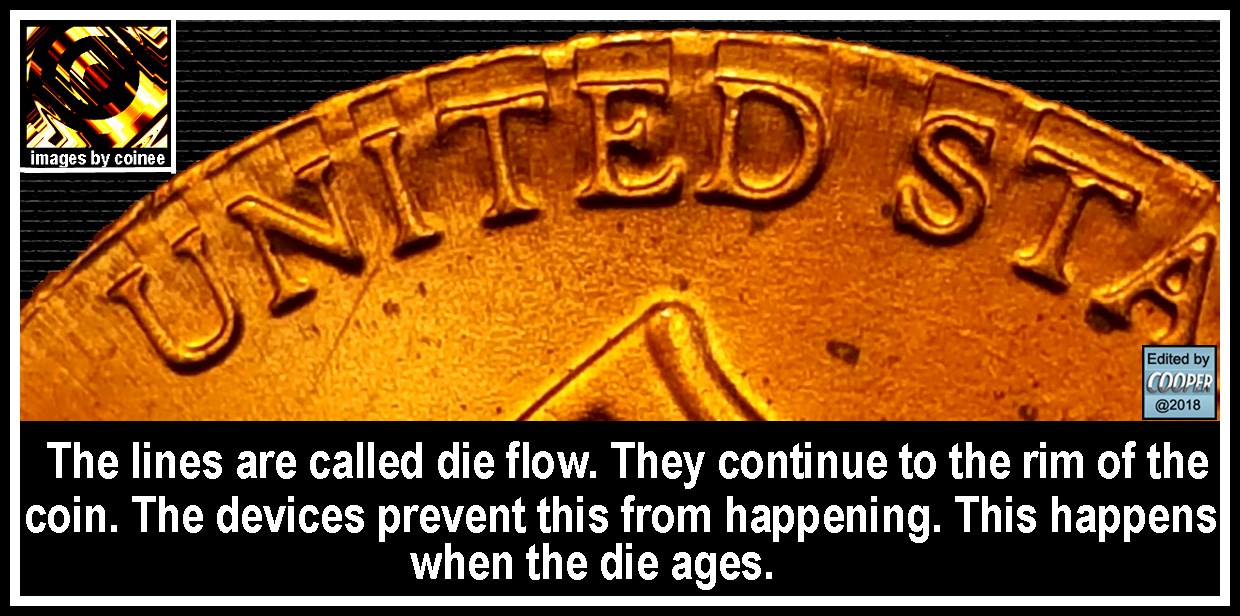
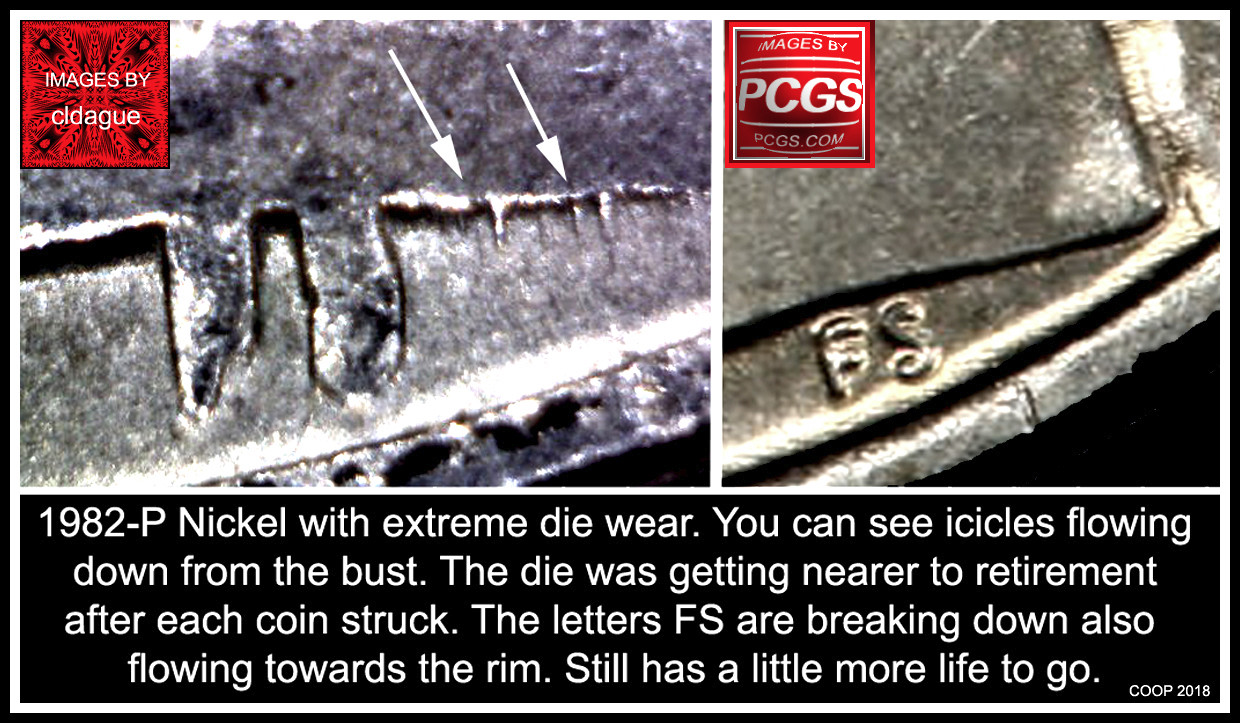
This particular effect is called "trailing" and is a machine error Trailing might look like the letters are doing, but "coin trailing" is not a coin term. This coin is suffering from a late stage Die Deterioration from over use.  |
|
Moderator
United States
106908 Posts |
|
|
Pillar of the Community
United States
588 Posts |
Quote:Trailing might look like the letters are doing, but "coin trailing" is not a coin term. This coin is suffering from a late stage Die Deterioration from over use. To be fair, he didn't use the term "coin trailing". However, Trails, Die Trails, Trail Dies, and Die Deterioration Promoted by Trails are all acceptable terms, so Dmil070182 gets the point for that one. On the other hand, I agree that this is strictly due to an aging and overused die as Trail related deterioration generally flows obliquely from the device towards the rim, rather than directly. We'll call it a draw and the OP can keep his Lincoln for educational purposes. |
|
Pillar of the Community
Canada
6244 Posts |
Quote:Generally speaking, trails are parallel raised ridges which extend away from the corners of a coin's design elements. They are strongest at the point where the device meets the field, and then taper off as they extend into the field. They vary in strength from naked-eye obvious to barely perceptible under magnification. A single coin can exhibit multiple sets of trails going in multiple directions. These ridges are created during polishing of the die by a rotary tool. A soft buff or bristles penetrate into the die's recesses, gather in the corners of those devices, and then erode a gouge into the die as they exit the recesses into the higher relief of the field. Trails can also occur on a coin's incuse devices, which are raised on the die. In this instance, the buff or bristle concentrate against the raised wall and continue gouge out a trail into the field where the device terminates. Since there is no change in relief in this instance, the trails are weaker. "Wavy Steps" are just trails that extend into the steps from the columns on Lincoln cents, causing the steps to have a wavy appearance. For a more detailed explanation, please see the article "Unraveling the Mysteries of Trail Dies" by Will Brooks in the July 17th 2017 issue of CoinWorld Weekly. http://www.traildies.com/ I put the definition because it is confused with Die Deterioration. For the year 2000P they are only 4 variety listed, maybe a good idea it is to be send for evaluation. |
|
Moderator
United States
56855 Posts |
|
|
Bedrock of the Community
United States
62064 Posts |
Edited by coop
12/29/2021 12:12 pm
|
|
Valued Member
 United States
106 Posts |
Very informative. Thanks all.
|
|
Bedrock of the Community
United States
62064 Posts |
I always want everyone to see on their coin, what I see on their coin. (my personal goal) 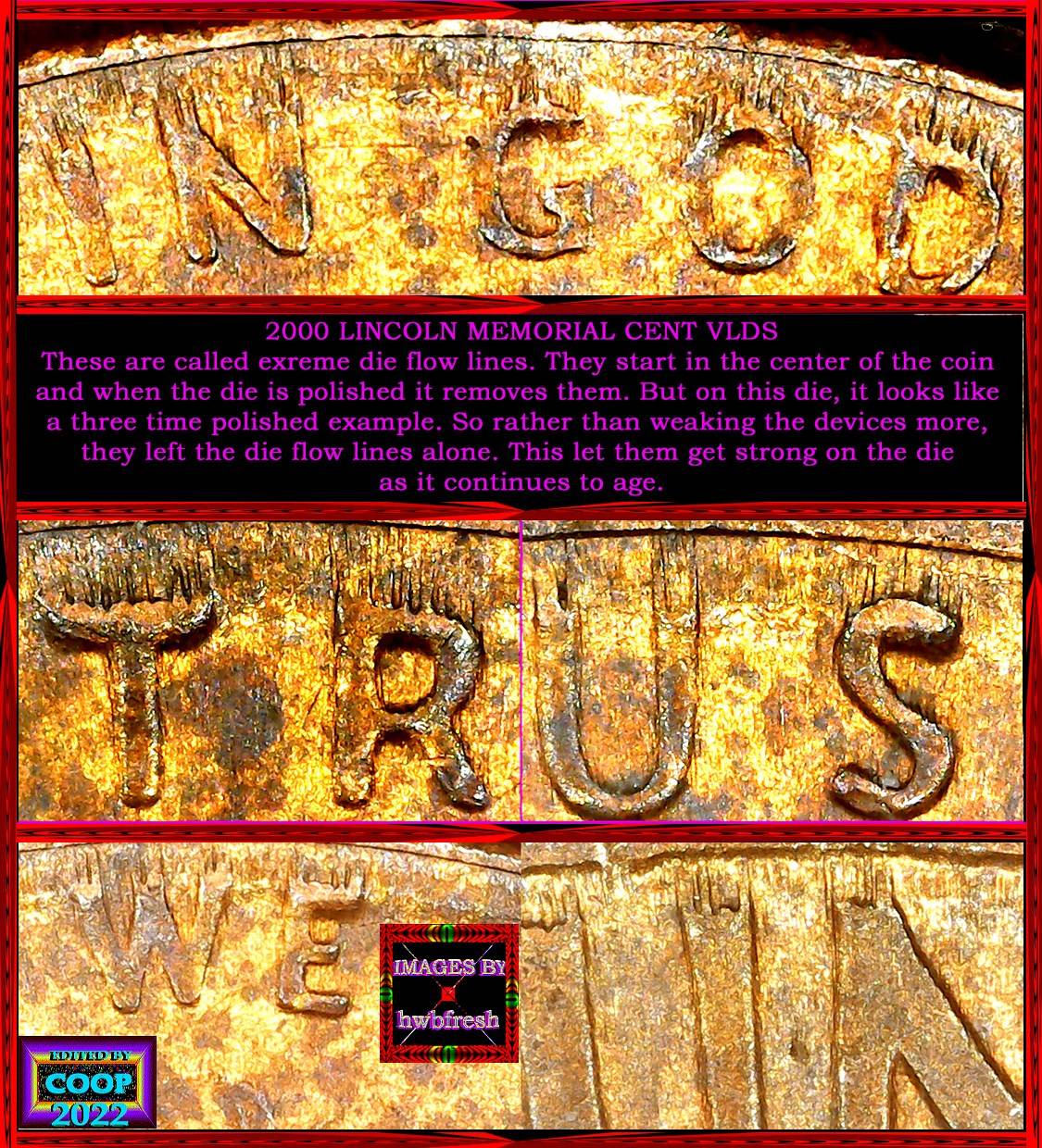 Edited by coop
01/01/2022 3:10 pm
|
|
Pillar of the Community
Canada
3328 Posts |
Is this the same thing Canadian sites lable as Mortar sets?
|
|
Pillar of the Community
Canada
6244 Posts |
@ Wrekkdd: Not really. mortar sets it is a very old nomination of other kind of die variety. date from 50-60 years ago. Still be keep in the Canadian lexicon due to the fact of reticence to changes by a wrong understood conservatism.
|
| |
Replies: 18 / Views: 2,108 |









 Posted 12/28/2021 6:24 pm