| Author |
 Replies: 19 / Views: 1,659 Replies: 19 / Views: 1,659 |
|
Pillar of the Community
United States
549 Posts |
|
|
|
|
Pillar of the Community
Canada
6244 Posts |
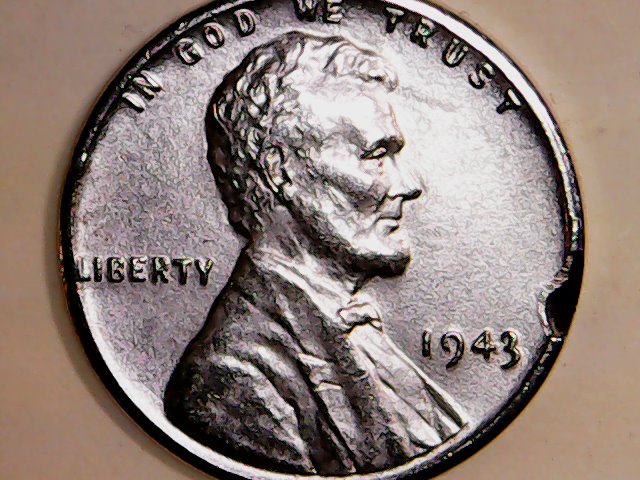
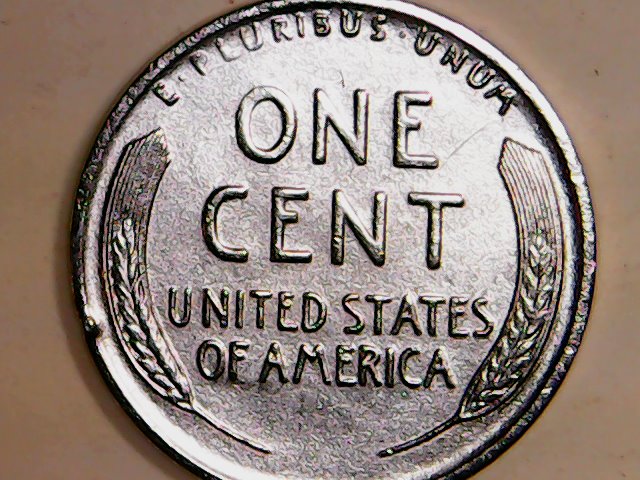
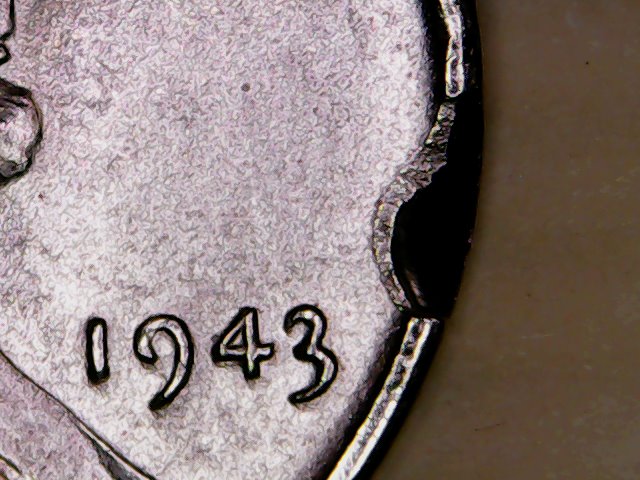
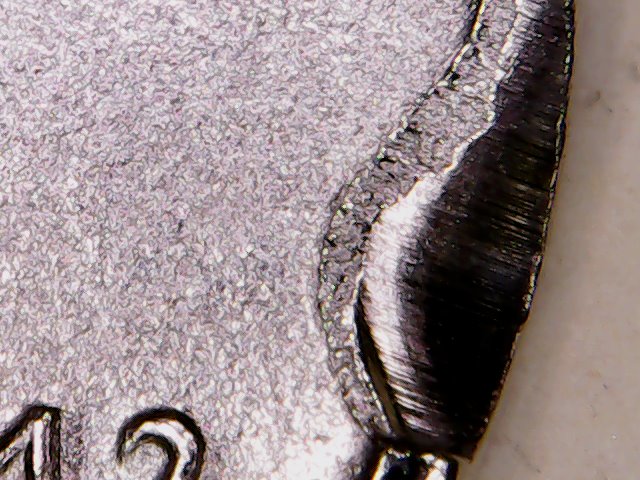
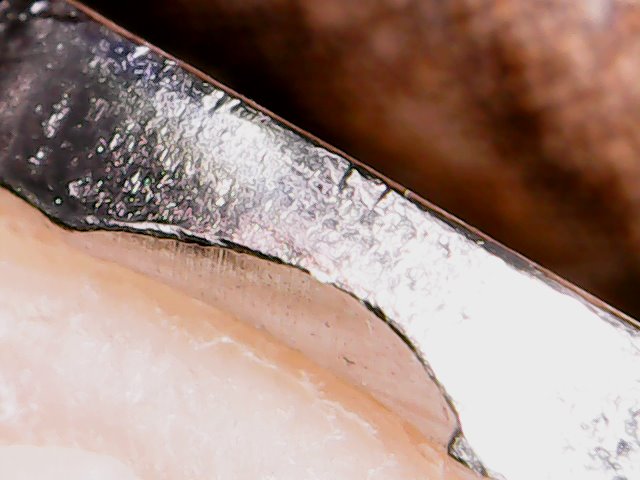
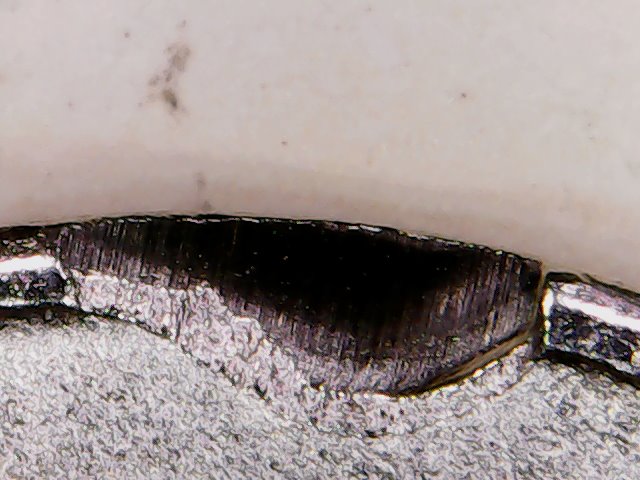
The coat show like something hit and produce an steel fracture. Why I say steel fracture because the clear parallel steel structure are present and could be see very well.
|
|
Pillar of the Community
 United States
549 Posts |
Could it have been fractured before strike?
|
|
Bedrock of the Community
United States
10635 Posts |
Post mint damage.  |
|
Bedrock of the Community
Canada
21886 Posts |
It is damage and has been replated and no, it could not have happened before it was struck.
|
|
Pillar of the Community
Canada
6244 Posts |
Basic no. If was fracture before the strike, the fracture will be coated. After the coating, the planchet go direct in the press. Between those operations, nothing can hit the planchet.
|
|
Pillar of the Community
United States
549 Posts |
I am confused. So this happpened after it was struck and was then coated?
|
|
Rest in Peace
United States
18456 Posts |
|
|
Moderator
 United States
34549 Posts |
@vest my interpretation of this coin is that this is damage rather than a planchet issue or some other mint error. Exactly how it was done, I can't say but my interpretation of @sil is that part of this was sheared (parallel striations on outer part) and then at some point the remnant material fractured (rough, shiny thin portion).
"If you climb a good tree, you get a push."
-----Ghanaian proverb
"The danger we all now face is distinguishing between what is authentic and what is performed."
-----King Adz
|
|
Moderator
United States
106742 Posts |
I think that the coin took a rim hit denting it in like you see, then someone re-plated the coin with a new layer of zinc to make it look brighter and newer.
|
|
Bedrock of the Community
United States
62064 Posts |
They are coated on the stock metal. The zinc was on them before they even punched out. Note what your are seeing is the rim is shoved into the coin direction. This happened after the strike. So the coin is damaged. If there was a coating added to your coin, it was post strike and considered a re-processed coin. Post strike and considered a problem coin. (Not original surfaces) Just like plating a coin turns it into a spender with the plating altering the surface.
|
|
Pillar of the Community
United States
549 Posts |
|
|
Bedrock of the Community
United States
10635 Posts |
Quote:
I think that the coin took a rim hit denting it in like you see, then someone re-plated the coin with a new layer of zinc to make it look brighter and newer.  This exactly. |
|
Pillar of the Community
Canada
6244 Posts |
I do not think this coin was re-plated. If re-plated the rim missing part will be plated. In my opinion took an hit after strike and fracture of the core metal detach. I want to be specific about production in 1943. The coins in 1943 was not plated, they was coated, which give ticker face layout of metal.
For me is very interesting coin and I will like to have.
Edited by silviosi
01/14/2022 10:37 pm
|
|
Bedrock of the Community
United States
10635 Posts |
silviosi, we don't know when this coin was re-plated, but you can tell just by looking at it (the shiny surface) that it obviously was re-plated. Interesting, but as coop has pointed out, numismatically ruined. |
|
Pillar of the Community
Canada
6244 Posts |
I come back to this topic, Excuse me all, in special the moderators, but I want to be separate for the purpose of education, and maybe to be put in dictionary or other places for education. This it is the reproduction photo from metallurgical manual of metallic improvement. They has the right to publish so I just reproduce instead to scan and etc., etc.  Any feed back I will be here to explain more. |
| |
Replies: 19 / Views: 1,659 |









 Posted 01/13/2022 6:15 pm