| Author |
 Replies: 65 / Views: 5,024 Replies: 65 / Views: 5,024 |
|
|
|
Bedrock of the Community
United States
62064 Posts |
With it incuse on the coin, it would have to be raised on the die. There is not way this could happen to a die to be raised that high, to create an incuse mark on the coin. If it were struck through a very small zip tie, it might create marks like this, but it would have to be folded over the edge to look like this? But the incuse and raised areas are just the opposite of what a zip tie would leave. There appear to be metal striation lines on the movement downwards onto the coin. But not seeing waves of metal movement. So I feel it was struck through something, (not sure what yet) but altering the coin. So of the weight is normal, it might be a struck error?
Edited by coop
03/29/2022 10:08 pm
|
|
Moderator
 United States
108341 Posts |
What ever cause it, it looks pretty neat. If it were PMD I see no metal welling up on either side of the trench, makes me think it happened in the striking chamber. What if a mint worker placed the object that created this around the planchet then struck the coin. But the dies would have been damaged in a huge way and could not be used anymore. Is there any sign that the dies were due to be retired here? |
|
Pillar of the Community
United States
3833 Posts |
Fascinating find, tropicalbats, and interesting discussion so far. Thanks for sharing!
|
|
Pillar of the Community
 United States
9023 Posts |
Great pics to show every aspect! I'm in with struck though but am still learning errors. Looks like it was in the collar when this occurred. I like the fact that the copper is showing through too.
-makecents-
|
|
Pillar of the Community
 United States
6202 Posts |
Thanks again everyone for the great comments! I'm very much enjoying following along as it gets discussed with folks leaning one way or the other. I will tell you that I really do not know, but my leaning is toward struck through, or possibly a planchet that got crimped and then struck although I would expect at least some kind of distortion on the devices right next to the trench if that were the case.
|
|
Pillar of the Community
Canada
6244 Posts |
Thank you TB for this great topic. It is something. Keep the maybe unique coin like this. Quote:
I like the fact that the copper is showing through too Yes Make is happened this during the annealing. During the annealing the Cu ions have the tendencies to move over the Ni molecules and will migrate to the surface. The same effect is happened in clad annealing coins. |
|
Pillar of the Community
United States
6202 Posts |
I don't think there is any copper showing. Maybe I mis-worded it but the coppery color is due to the reflection of light from a tungsten bulb in my office off the metal of the coin.
Hoping to see Jon Sullivan on Thursday and will try to remember to show him the coin as that should get to the correct endgame here.
|
|
Pillar of the Community
United States
5902 Posts |
Nice discussion and I agree with Stoneman about the N of MONTICELLO. IMHO, this isn't PSD. If it were PSD, the top of the N would not extend into the "trench" but would be cut off. Looking at the edge pic and the way the metal appears to have creases or folds, it doesn't appear anything touched the edge in this area (not even the collar). Now I'm wondering if this anomaly/incuse void could have been on the planchet before entering the striking chamber. This would also explain the slightly rounded edges of the rim where it meets incuse areas on both sides. Missing metal would have kept the rim from forming completely when it was struck. Great challenging coin. (Better than sudoku puzzles!) Words of encouragement are one of the major food groups.
We need to consume them regularly to thrive and grow.
Edited by Petespockets55
03/30/2022 04:26 am
|
|
Pillar of the Community
United States
9023 Posts |
I went back and looked again, I think it is just the shadow creating what I saw. Sorry, had clad coins on my mind for some reason....
-makecents-
|
|
Pillar of the Community
United States
2567 Posts |
Very cool coin. If I had to interject something I would say the eye and bridge of the nose look weird. That's where I would look a little harder to see if there is and convincing evidence there. Also I would try to find a bag mark on the coin that enters the anomaly. If it was PMD you would possibly be able to spot the damage in your anomaly Edited by Willburton
03/30/2022 07:38 am
|
|
Pillar of the Community
United States
2752 Posts |
This nickel appears to have been vandalized outside the Mint. If this were a struck-through error, then the object would have wrapped around the planchet and indented the edge as well. Instead, the edge is pinched. There is no way for two intrusive objects to line up precisely in vertical space as they do here. Moreover, contact with the collar would have erased the pinched metal, especially given the increased localized striking pressure generated by the two aligned objects.
Error coin writer and researcher.
|
|
Pillar of the Community
United States
3207 Posts |
nice confirmation, I'd figured that edge dimple was revealing, now the question become how that PMD was done without bending the coin |
|
Pillar of the Community
United States
5902 Posts |
Mike thanks for wighing in. Can you please address the N of MONICELLO and why that goes into the trench. Wouldn't the top left of the N be sheared off if it were PSD? Words of encouragement are one of the major food groups.
We need to consume them regularly to thrive and grow.
|
|
Moderator
United States
108341 Posts |
thanks Mike for joining the conversation! your input is always appreciated. I was starting to think that a bobby pin like object was placed on the planchet to create that look. Now a bobby pin did not do this as the waves on it don't match - I was thinking something like it. But apparently not the case here. So, how do you account for the lack of metal displacement? 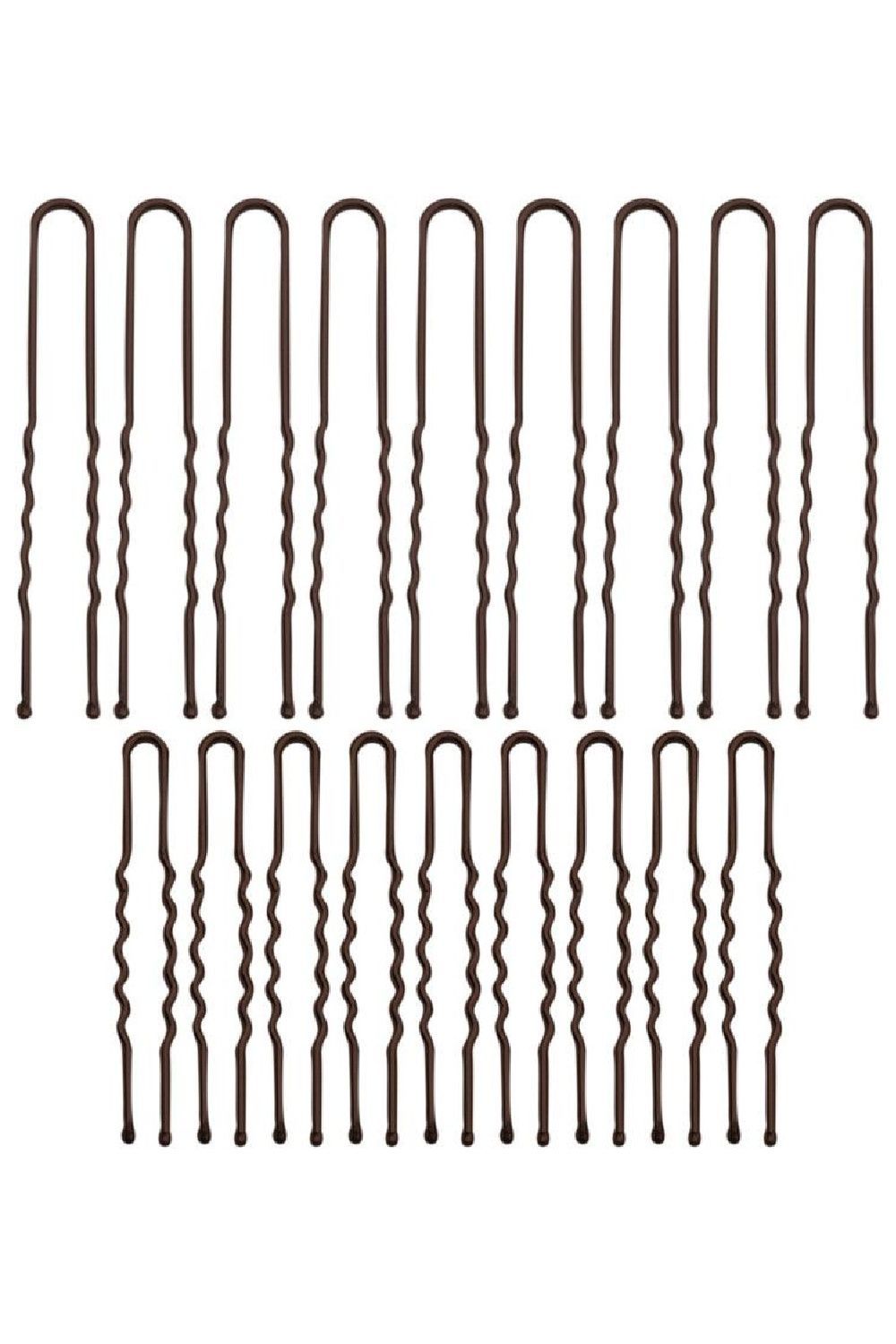 |
|
Pillar of the Community
United States
2752 Posts |
The intact upper left portion of the N is a puzzle. But it's a puzzle in the context of a struck-through error, a planchet defect, or post-strike damage. Perhaps there was a notch or recess in the object responsible for the depression that coincided with the location of the N. I see no metal flow in any of the design elements bordering either depression, which is another knock against this being a genuine error.
However, the absence of any sort of a pressure ridge along the edges of either depression, and the failure of the coin's edge to bulge out where the depressions meet the edge, is making me reconsider my original assessment. I would like to study this specimen up close, if possible. Perhaps this is an unusual example of pre-strike planchet damage, after all.
Error coin writer and researcher.
Edited by mikediamond
03/30/2022 3:18 pm
|
| |
Replies: 65 / Views: 5,024 |








 First Page


 Posted 03/29/2022 9:45 pm


 Uncirculated American Silver Eagles


