| Author |
 Replies: 12 / Views: 4,297 Replies: 12 / Views: 4,297 |
|
|
New Member
United States
25 Posts |
|
|
|
|
Pillar of the Community
United States
3506 Posts |
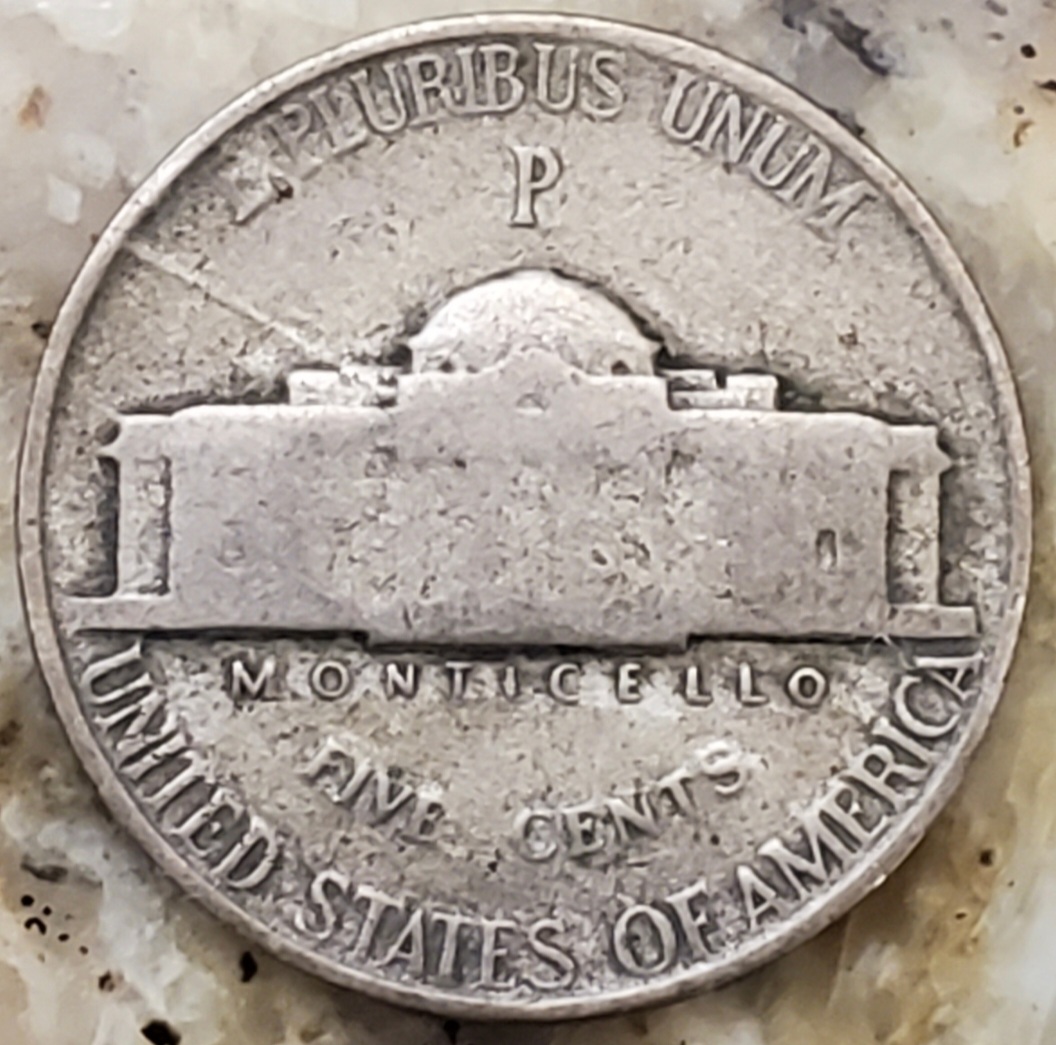
If it's steel, it will be strongly attracted to a magnet. I'm not aware of any US nickels struck in steel so your nickel is probably a typical 35% silver " War Nickel". |
|
Moderator
 United States
56855 Posts |
The P above the building tell you it is 35% silver. John1  |
|
New Member
 United States
25 Posts |
It has the same magnetic pull as the steep 1943 pennies I have. Not a strong pull, but similar pull. 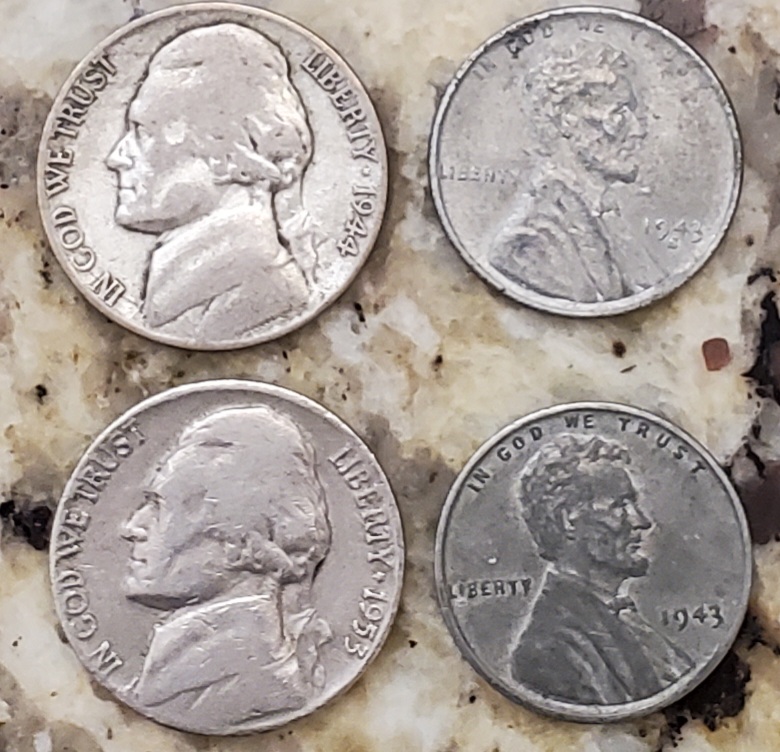 |
|
Bedrock of the Community
United States
62064 Posts |
All the normal nickels on the war time nickels should be part silver. If there was nickel plating on the coin that could give it mild attraction. But the 1944-S should be a silver melt coin. A normal nickel should not have any attraction of a magnet. Steel 1943 cents will just towards a magnet.
|
|
New Member
United States
25 Posts |
I'm asking about this because the 1944 nickel has a similar pull as the steel pennies. And I read about there being some 1944 nickels that were made of steel. I'm just not sure if ther are other methods to help determine this.
|
|
New Member
United States
25 Posts |
Does anyone know the weight of the silver coin version?
|
|
Bedrock of the Community
Canada
21886 Posts |
Quote:
Does anyone know the weight of the silver coin version 5g |
|
Bedrock of the Community
United States
62064 Posts |
They are the same weight. 5 gr. 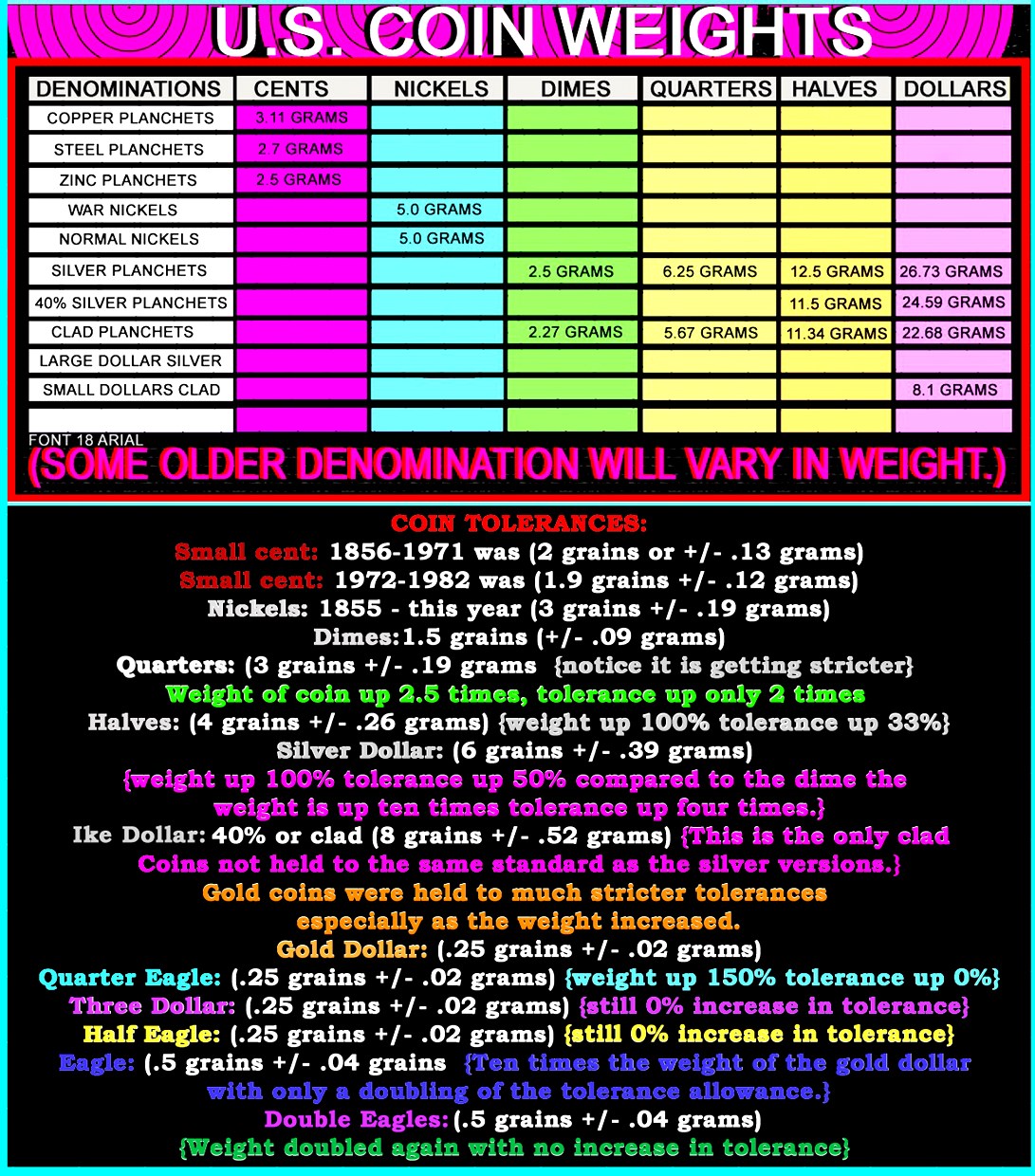 Save this image for your personal files. It will save you time trying to find it another time. So save it today when you see it. |
|
Bedrock of the Community
United States
94367 Posts |
 to the CCF! |
|
Pillar of the Community
United States
1676 Posts |
There was a thread on the PCGS coin forum about War Nickels that are attracted to a magnet, I don't remember all the details but apparently it is not that uncommon. |
|
Pillar of the Community
 United States
5716 Posts |
Manganese can be attracted to magnets, and some uneven mixing of the alloy may have resulted in a higher than usual manganese content in your nickel. Quality control was not that good in those years.
|
|
Pillar of the Community
Canada
6244 Posts |
Quote:
According to the Los Alamos National Laboratory, the word manganese comes from the Latin word for magnets, "magnes." Manganese, however, by itself is not magnetic. When combined with aluminum, antimony and copper, the resulting alloys are highly ferromagnetic. The Nickel 1944 was: 56% Copper, 35% Silver, 9% Manganese. I think the quote and the composition of metallic content of the 1944 Nickel speak them-self. |
| |
Replies: 12 / Views: 4,297 |
|










 Posted 04/22/2022 2:42 pm


