











 Posted 05/30/2022 6:44 pm


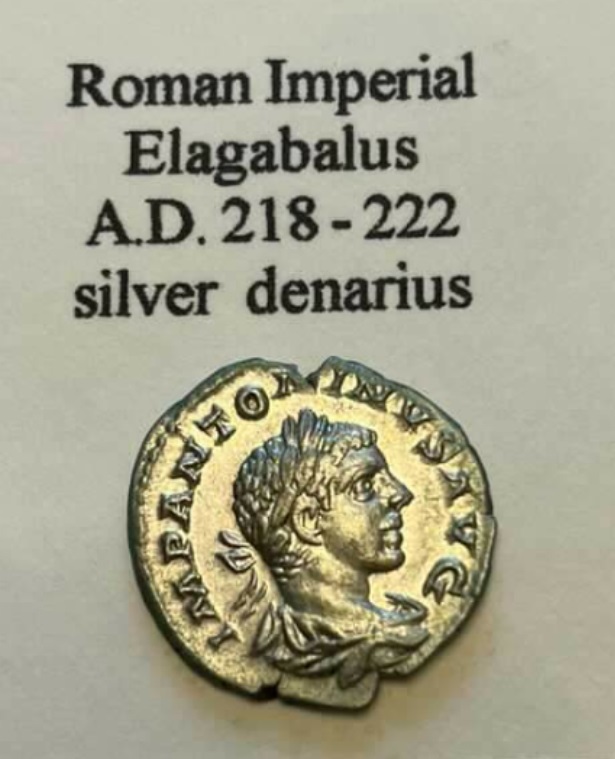
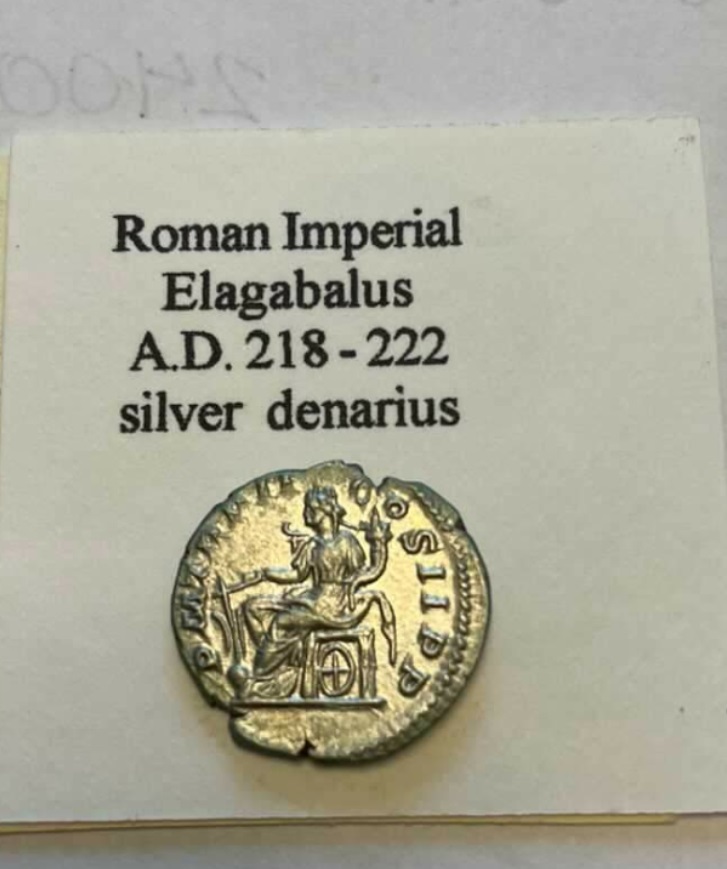
The sharp edges within the radial flan splits suggest to me that this coin is genuine.
They look similar to the ragged edge on the top of a well used steel cold chisel. These sorts of splits are the result of tensile metal stress, which is common on genuine Roman coins, and is the result of the hand hammered process from which they were struck from flans into coins.
If it was a cast fake, the split would not display any sign of torn metal inside the split.
Close examination with a loupe looking inside the split should confirm signs of tensile metal distress.
They look similar to the ragged edge on the top of a well used steel cold chisel. These sorts of splits are the result of tensile metal stress, which is common on genuine Roman coins, and is the result of the hand hammered process from which they were struck from flans into coins.
If it was a cast fake, the split would not display any sign of torn metal inside the split.
Close examination with a loupe looking inside the split should confirm signs of tensile metal distress.


