| Author |
 Replies: 51 / Views: 4,428 Replies: 51 / Views: 4,428 |
|
Pillar of the Community
United States
1207 Posts |
|
|
|
|
Pillar of the Community
 United States
7174 Posts |
Looks like reed contact marks.
|
|
Pillar of the Community
 United States
1207 Posts |
Thanks Cujohn. Maybe I need to take better pictures but the reed contact marks are to the right of the three anomalies which are fully circular. Maybe on the 4th and 5th pictures. Definitely not on this one in my opinion 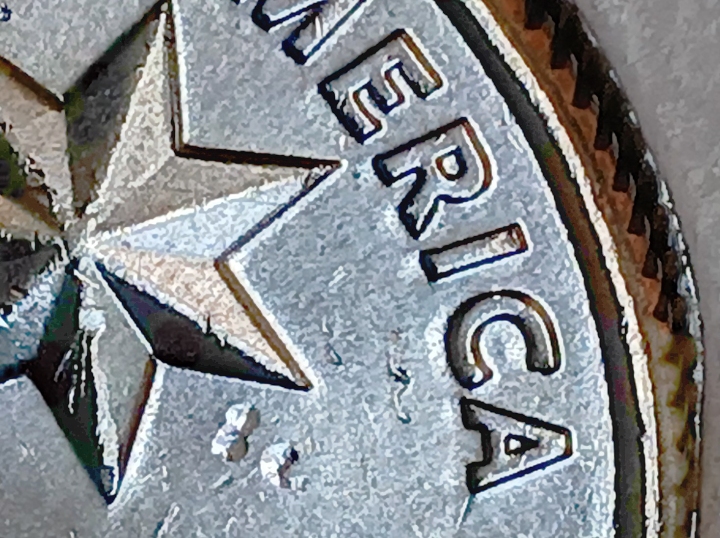 |
|
Pillar of the Community
Canada
6244 Posts |
The material resistance is performed in the Labs facility which it is complete away from production line. It is almost impossible to have those testing blanks back on the line. This way to test was start somewhere in the ends on 70's.
|
|
Pillar of the Community
United States
1207 Posts |
If this was anything after the strike the line going through the bottom anomaly would have been obliterated by the contact I would think. There is no raised metal and not a strike through which would also have erased that line 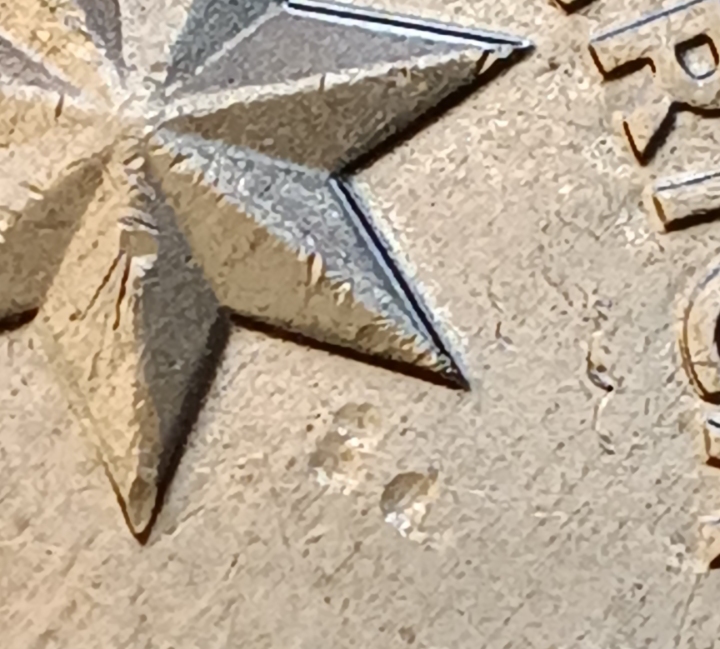 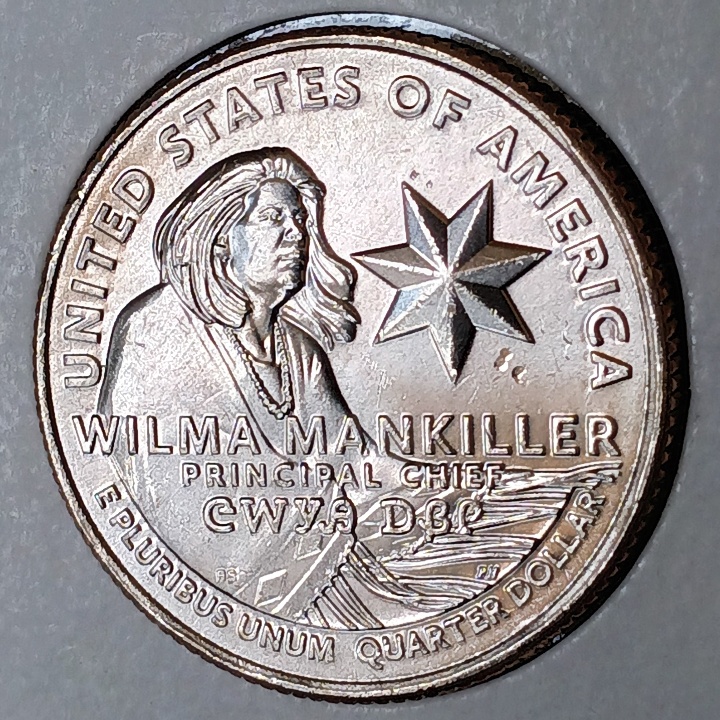 |
|
Pillar of the Community
United States
1207 Posts |
Thanks Silviosi. Many things that are not supposed to happen come out of the mint. Nothing is 100% there. If not test marks then what? I don't know but it looks like that to me
|
|
Bedrock of the Community
United States
62064 Posts |
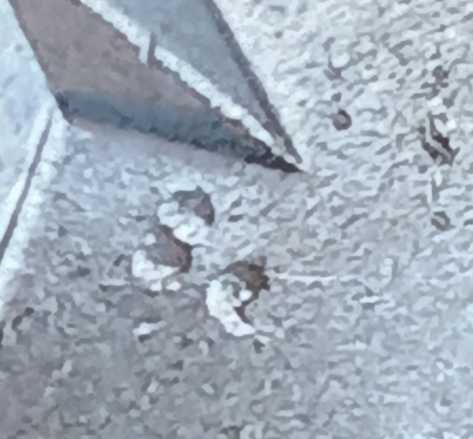
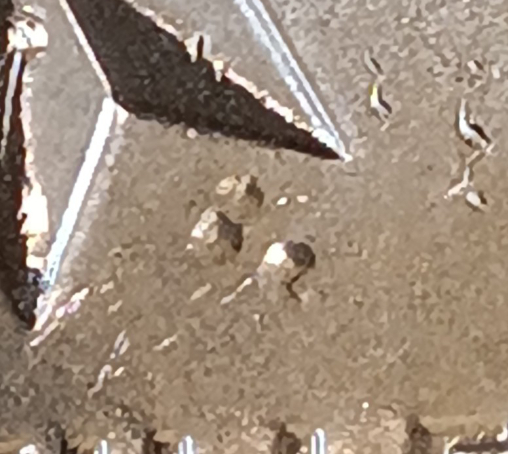
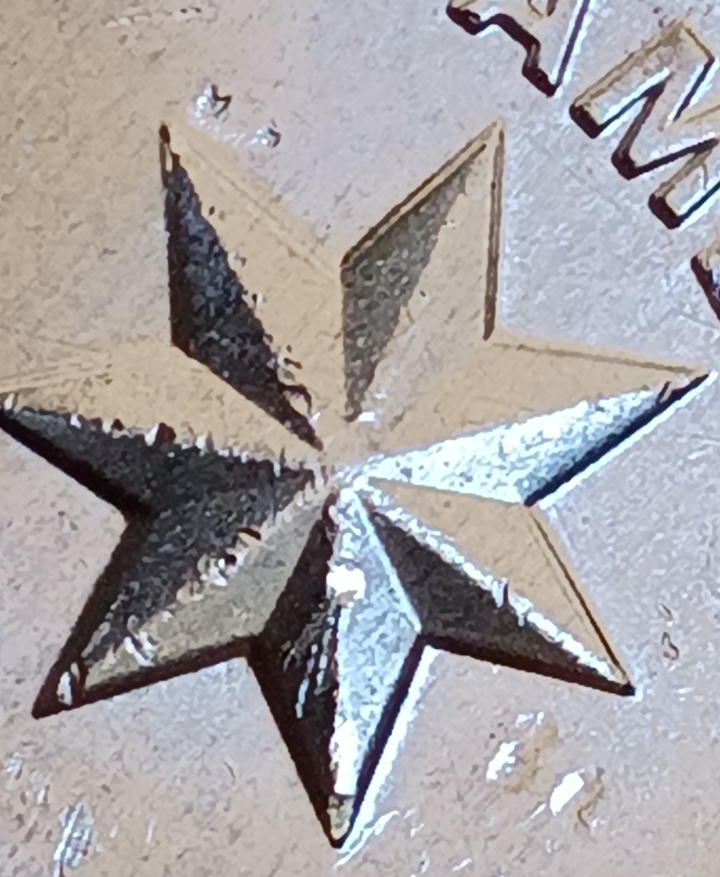
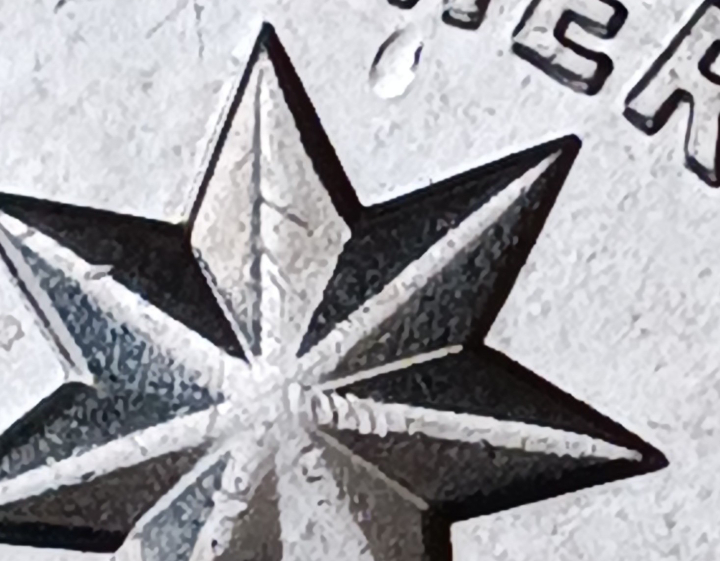
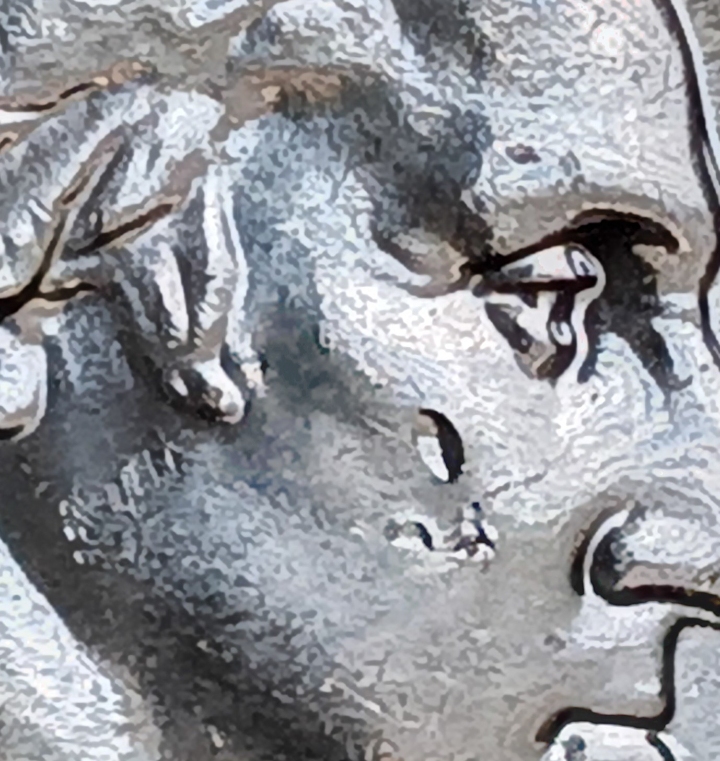
While contact marks is the correct answer. How did you determine the answer? Note the #3 image. Light and shadows tells us what this area what affected with? How can I tell that from that image? Note light and shadows. Light direction is from the SE, flowing to the SW. So on devices, the light will hit and show on the SE side of the devices, if they are raised. If something is incuse, they will show on the SW side of the affected area. That is what we are seeing on this image on the hole into the design. This explanation will help new posters to see how we figured this out. Knowing what they eye is looking at will be more helpful on the answers, if they are showing the how we arrived at that the answer. That way they will see how we detected the answers. Also the use of a single light will be allow light and shadows to happen, like it does on this image. Image #4 is showing also the same thing, but the angle of the devices is NE to SE on this image. Note the 'R'. The upper part is lighter than the lower part. The pinwheel is showing the light direction. Then note the marks below? The light is not showing the same direction as those areas are showing an incuse (below the field) mark on that area as well. Thus the light and shadows, helped us to see that these are incuse marks. So this is damage to the coin from coin contact. Post Strike Damage. Information on Rockwell test: https://www.error-ref.com/?s=Rockwell+testThe shape is not the same as a Rockwell test example, so it is just damage to the coin. CoopHome: [b]How can light and shadows help determine raised and incuse marks on coins? raised devices will show the affect on light in a one direction. incuse areas will show the opposite light affect. |
|
Pillar of the Community
United States
1207 Posts |
Thanks Coop. I tried to copy and paste to post that link but it didn't work on this phone. You were probably typing when I posted this picture. I zoomed in to highlight what's there 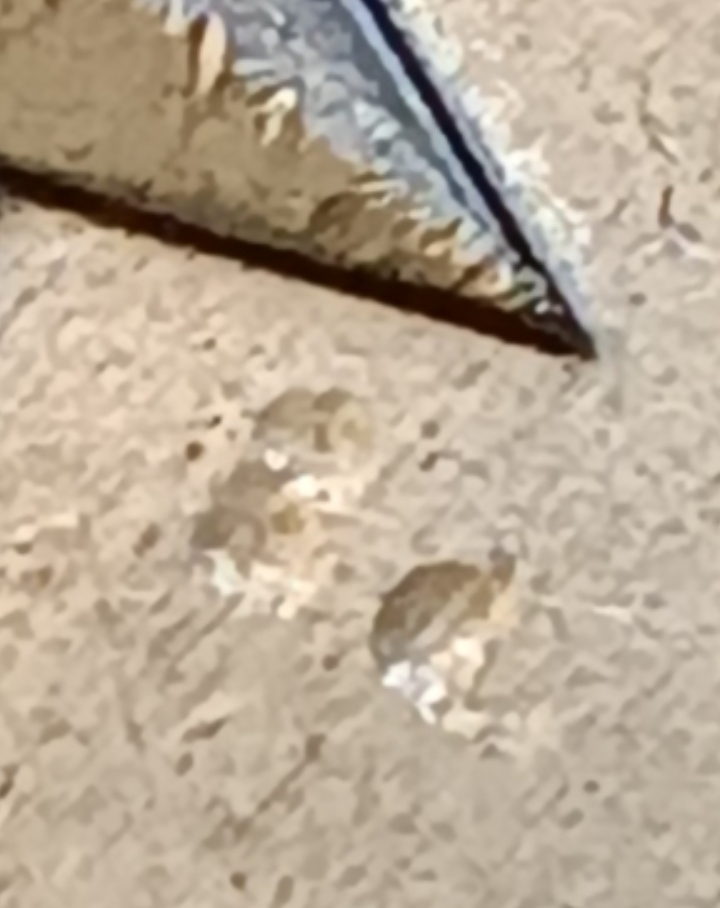 My apologies for not explaining the pictures. First three pictures are of the coin in question. The two pictures after that are two different coins that have the similar shape of the error.ref photo. There are three coins but my concerns are with the one with the full reverse picture (first three photos). I tried not to post too many pics that's why I didn't post three separate full pictures Edited by RW1010
08/30/2022 6:21 pm
|
|
Moderator
United States
34530 Posts |
@rw, I think that you are chasing a ghost here. Contact marks are the most likely explanation for all three depressions.
"If you climb a good tree, you get a push."
-----Ghanaian proverb
"The danger we all now face is distinguishing between what is authentic and what is performed."
-----King Adz
|
|
Pillar of the Community
United States
1207 Posts |
Thanks Spence. Could be. I'm only pointing out what I see. In hand it it definitely doesn't look like damage though. Thanks all for checking it out
|
|
Pillar of the Community
United States
3402 Posts |
If they were test marks is there any added value?
KK
|
|
Pillar of the Community
Canada
6244 Posts |
I will load here the photos of the hardness testers use by the mint  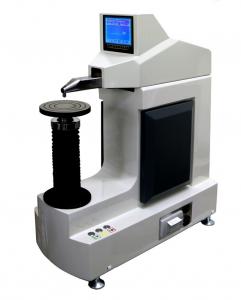 First is metal testing and the second is Rockwell Tester. |
|
Pillar of the Community
United States
1207 Posts |
Thanks Kopper Ken. Numismatic value not necessarily monetary. As others have stated most finds aren't retirement coins. Probably won't even buy a good lunch. If you're not having fun doing this then don't waste the time. This is not how I make money. I enjoy the hunt. Money is not my motivator
|
|
Pillar of the Community
United States
1207 Posts |
Thanks Silviosi. Very cool. Not many would even have those photos. Do you have any of the actual test marks? That would be even more cool
|
|
Pillar of the Community
United States
1207 Posts |
What is the metal tester. A giant xrf?
|
|
Pillar of the Community
Canada
6244 Posts |
The Rockwell tester is Diamond point and do round traces.
I hope COOP will up-grade his Encyclopedia.
How is work in those modern days:
Rolls come by armored trucks from manufacture (subcontract), Basic are 10 rolls of 1100 feet long and the different largeness according by denomination. are unload and then each one are test:
first XRF,
Second: an Mint inspector with hand cut tool take a sample for hardness lab test. If pass the test, took 5 to 10 min, to have the result, Him give OK to be deposit in the denomination hardware. Thirds: an extra test for hardness is performed after annealing with first 5 to 10 blanks in order to see if the annealing machine must be adjusted or not and the planchet correspond to norms.
Rockwell machine is use for clad coins and cooper and metal machine for silver, gold, platinum and iridium coins.
Hope this will help you.
|
| |
Replies: 51 / Views: 4,428 |










 Posted 08/30/2022 4:20 pm


