| Author |
 Replies: 11 / Views: 988 Replies: 11 / Views: 988 |
|
|
Valued Member
United States
263 Posts |
I know this is Machine Doubling but there are a few areas on the reverse that I want you to look at give me your opinion on it. In "OF" and the "TES" of STATES I also noticed the top of some of the stars had slight doubling on the upper tips only. I was unable to get a clear picture of the stars but it is kind of like the serifs on a 1971 D Kennedy half DDO-003 where the letter "I" on In God We Trust has doubling on the serifs. Take a look, let me know what you think. I marked the stars with yellow of all colors where I noticed the doubling on the tips in 2 of the photos.  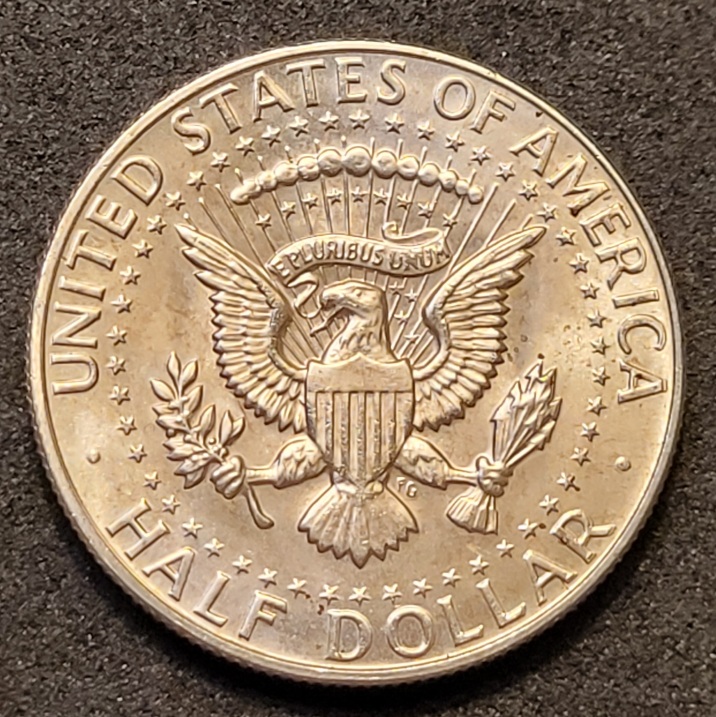 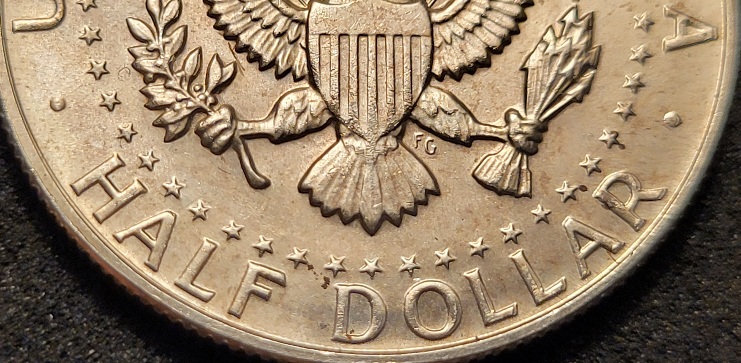 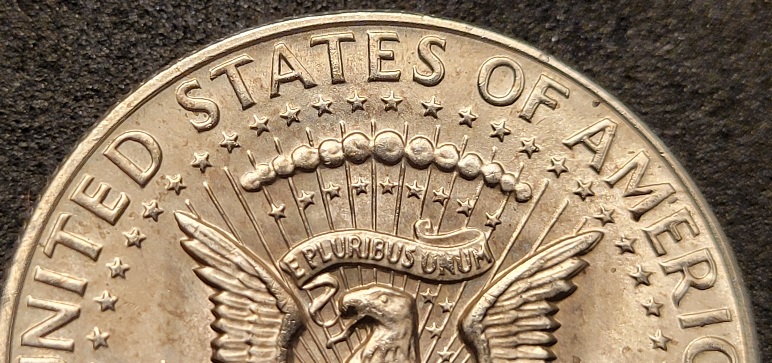 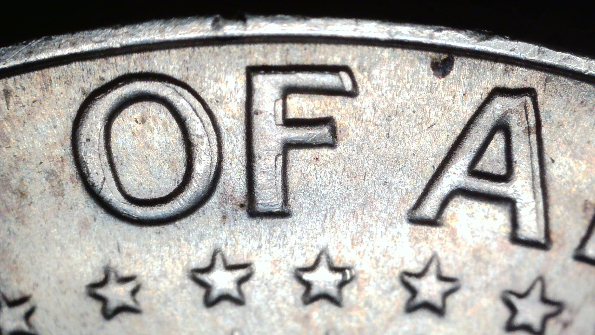 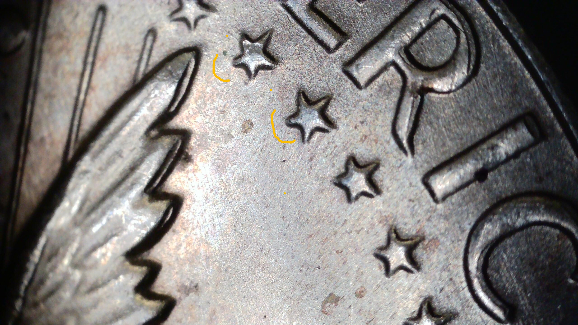 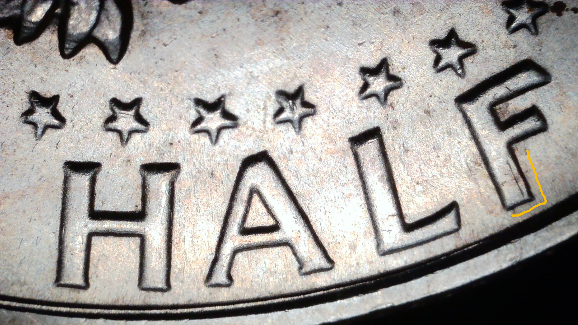 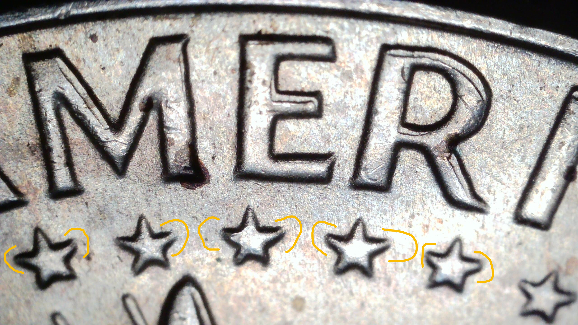 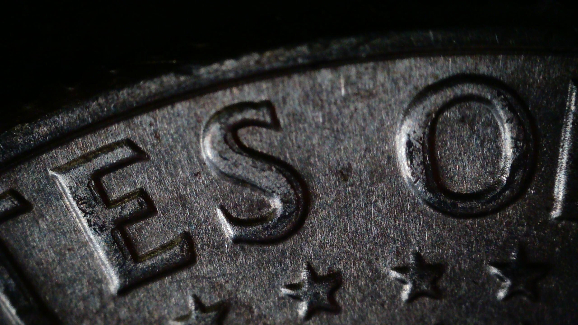 Also here is the mint mark 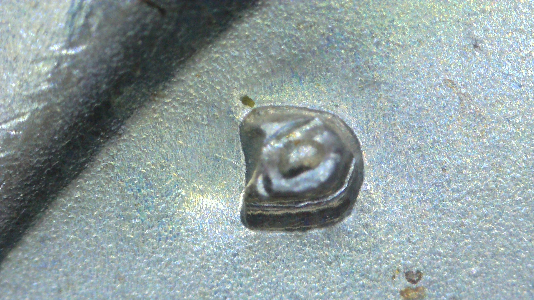 |
|
|
|
Pillar of the Community
Canada
6244 Posts |
CAPT, a few time ago I put here same thing in halves and quarters for those years. Our colleagues here go more for MD. Me I thing is come from the Master Die, doubling on Master Die Hub or an re-engraved Master Die. I find this in P, D and proof and I do not thing that all the Mints has same MD LOL. They at the Mint use in general only one Hub for preparing the Master Die (except when took another one from previous year or so and give us varieties). Then they produce in the end the Dies with different degree of polish and different degree of planchet polish (example the proof)
I can say that in more then 8000 halves I find like this in all denominations confounded 45. I didn't do a statistic for mint denomination yet. This it is what I find and what I think it is, I am more versus re-engraved Master Die due to the lines.
Other thing, it is the letters 96 and 9 I find in 0.11% have doubling.
|
|
Pillar of the Community
 United States
8988 Posts |
|
|
Pillar of the Community
Canada
6244 Posts |
@Make: Is it an hypotheses of this, Yes. But explain me (novice in doubling) the letter F (half) and the F of (OF) and also the E from America why are not complete push doubling? And why you can find in all denominations? P, D and proof?
Edited by silviosi
09/10/2022 8:35 pm
|
|
Pillar of the Community
United States
8988 Posts |
Quote:
@Make: Is it an hypotheses of this, Yes. But explain me (novice in doubling) the letter F (half) and the F of (OF) and also the E from America why are not complete push doubling? And why you can find in all denominations? P, D and proof? silviosi, I am nothing but a novice, Numismatists, at best but do sometimes recognize what the professionals have described and taken pictures of. This is what I see and here is a pic of what I explained and is in the link I provided. I have the professionals explanation boxed in red. Look at the RTY. 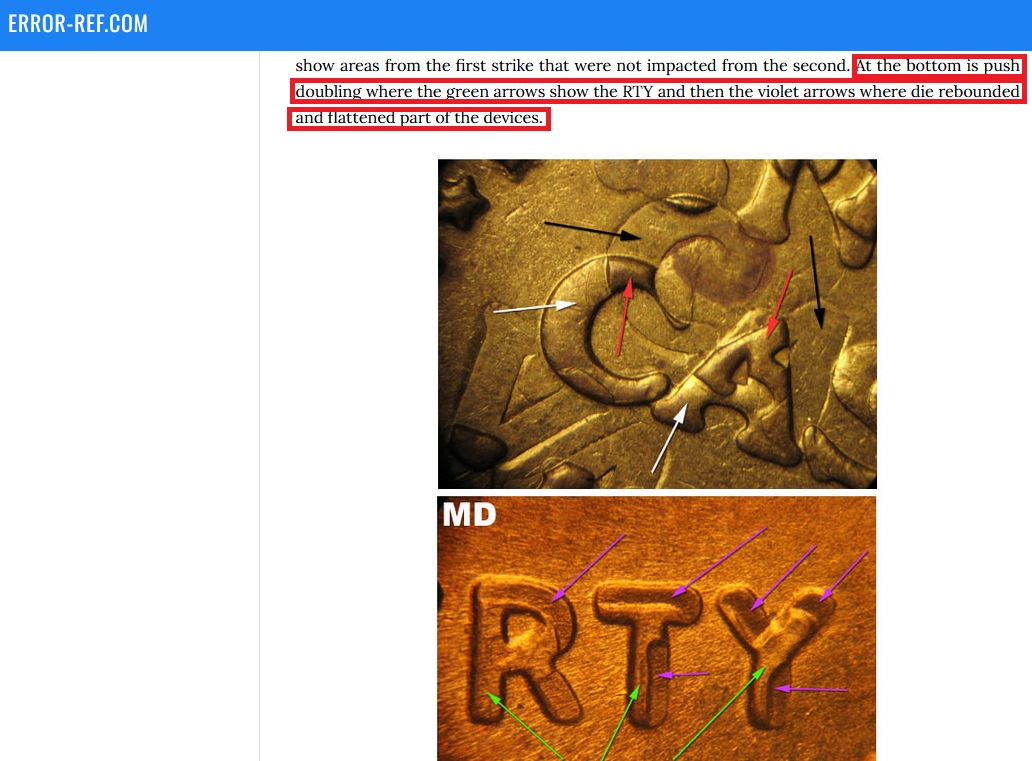 -makecents-
|
|
Pillar of the Community
Canada
6244 Posts |
YES MAKE, me I understand you very well. In fact we are all novice on those not common coins. Like I say I am novice in doubling as is described at this moment. My expertise is other things like variety design, Mint production and the collateral with those. We will see others what say, but my studies I come to the conclusion this it is and happened on the processes of the Master Die and Master Hub Die. Maybe wrong, maybe right. I appreciate your follow-up and abnegation to find the true.
|
|
Moderator
 United States
106908 Posts |
huh, 'push doubling' is another new one to me. sure is interesting looking as compared to regular MD.
|
|
Pillar of the Community
United States
8988 Posts |
Quote:
My expertise is other things like variety design, Mint production and the collateral with those. I am an expert in absolutely nothing.  -makecents-
|
|
Bedrock of the Community
United States
62064 Posts |
Basically a high bounce with the die after the strike, altering the tops of the devices, before it is ejected.
|
|
Valued Member
 United States
263 Posts |
Push doubling... learned something new! The condition of the coin is pretty nice. That is why I figured I would ask before putting it in one of my 40% 68 Kennedy tubes. I am gonna go back and get the rest of those halves tomorrow. He has a lot of 64s and 65-70s for 1.50 to 3.00 a piece. I pulled the nicest ones he had for what I had the cash for at the moment.
Thanks for answering the question I had on this one!
|
|
Pillar of the Community
Canada
6244 Posts |
Quote:
Basically a high bounce with the die after the strike, altering the tops of the devices, before it is ejected. If it is as state in the quote, mean it is not an MD, It is a wrong set-up in production line which mean will be an Mint process error. The bounce is mean that the strike forces was not well divided, so the Anvil support bounce up (vertical presses). Mint process error. MD it is due to the tilde of the Dies after x strikes, so it is an temporary event, not an error, just an mechanical event. |
|
Bedrock of the Community
United States
62064 Posts |
But it is Machine Doubling. The strike happened and the bounce (post strike because the machine is loose) altered the fresh struck devices. That is what we are seeing on this coin. Machine Doubling. How is push doubling different than Machine Doubling? 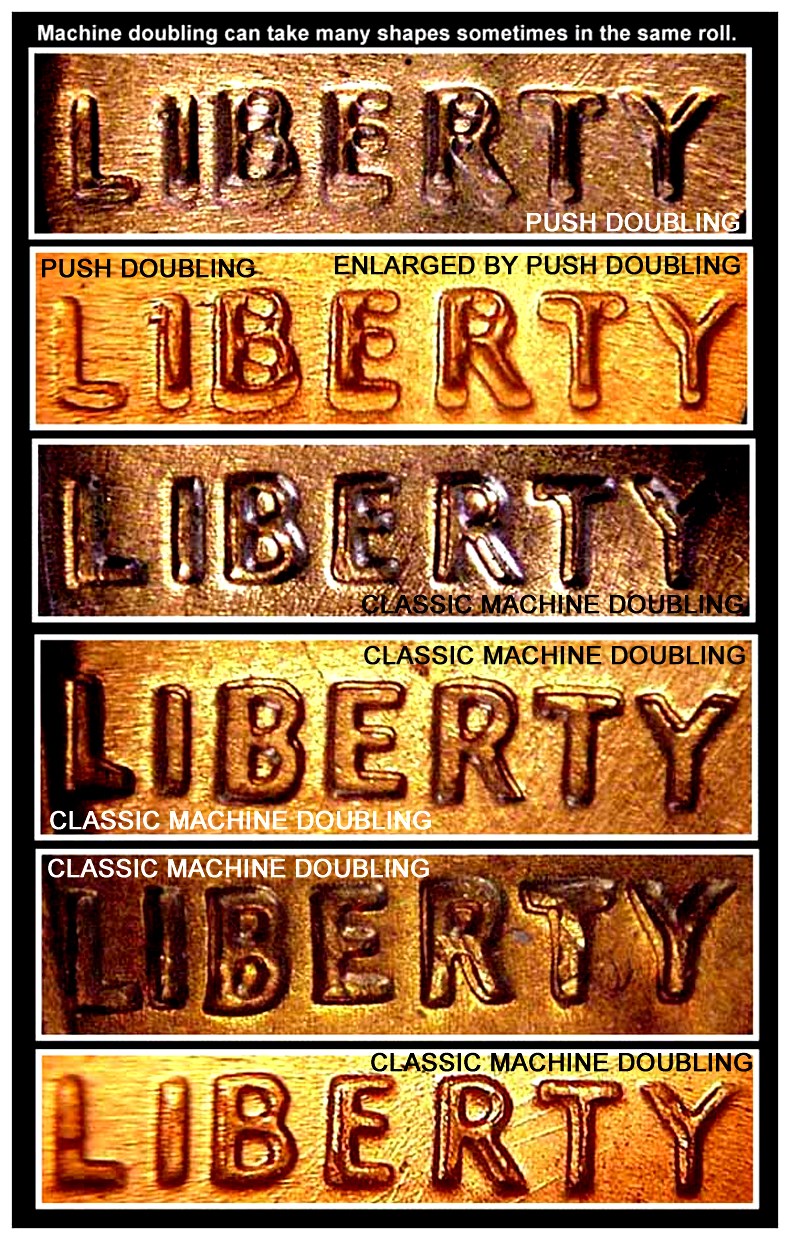 Same event, (loose machine) but alters the devices a lot stronger, sometimes pushing them outside of the area for the devices. 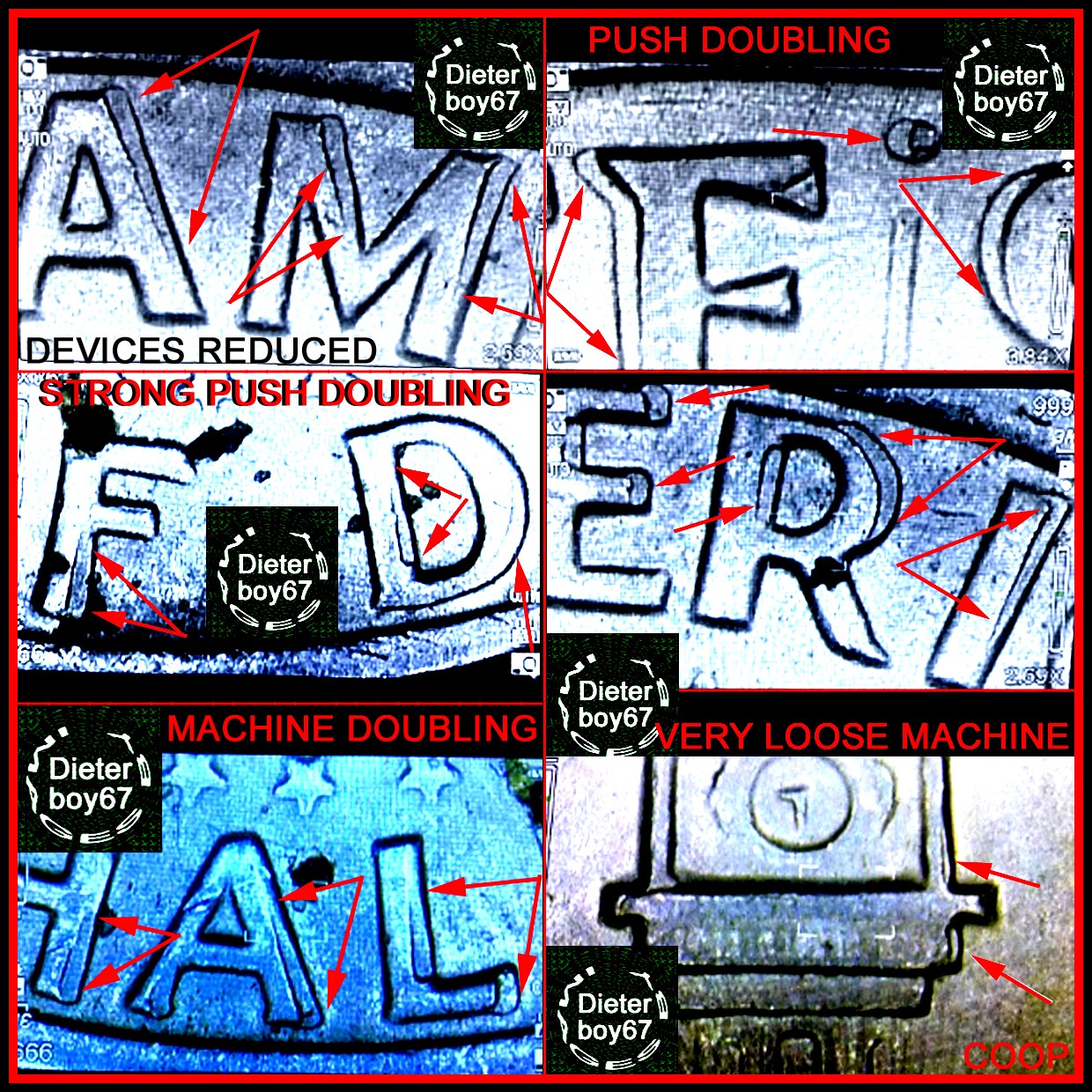 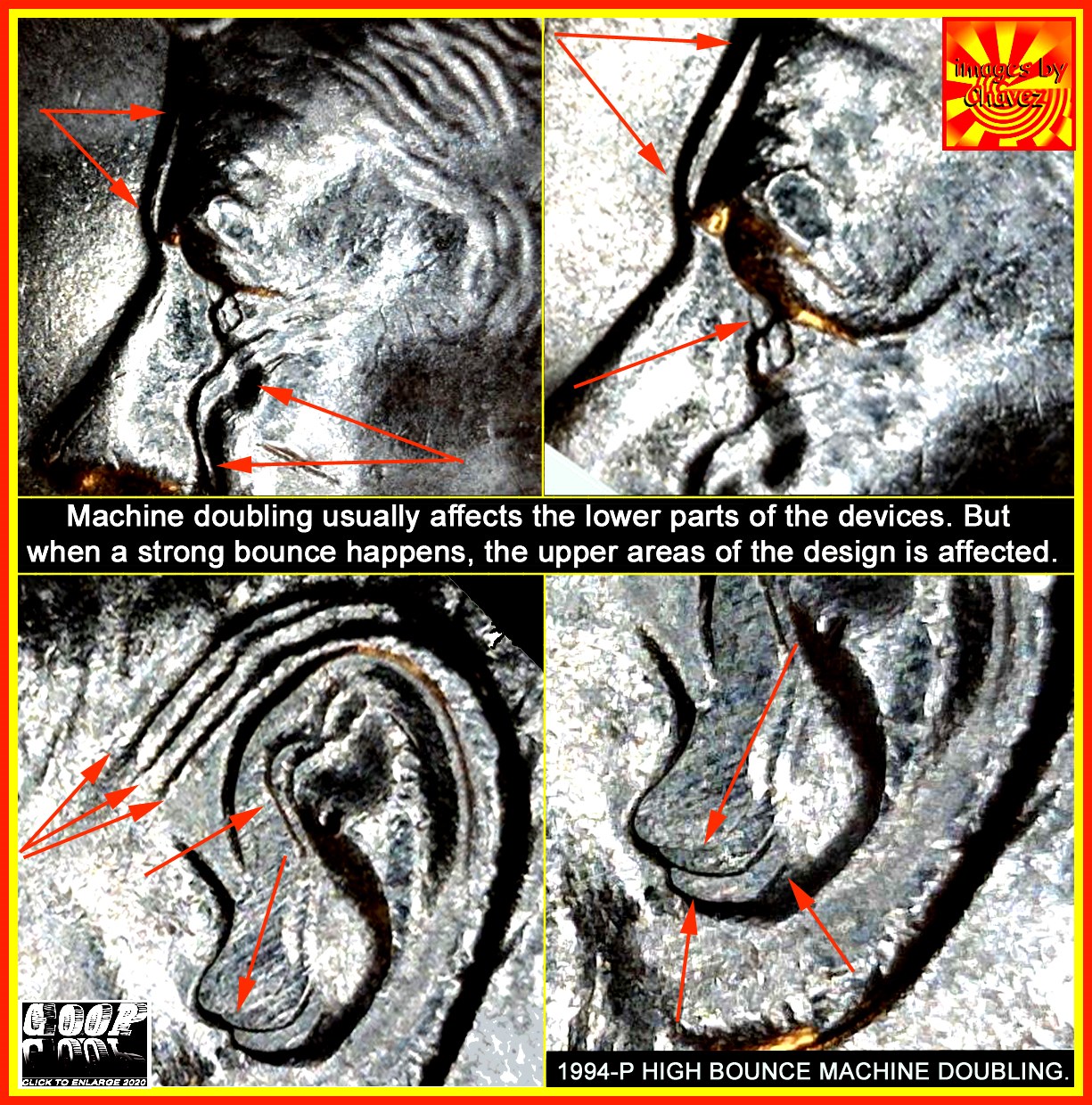 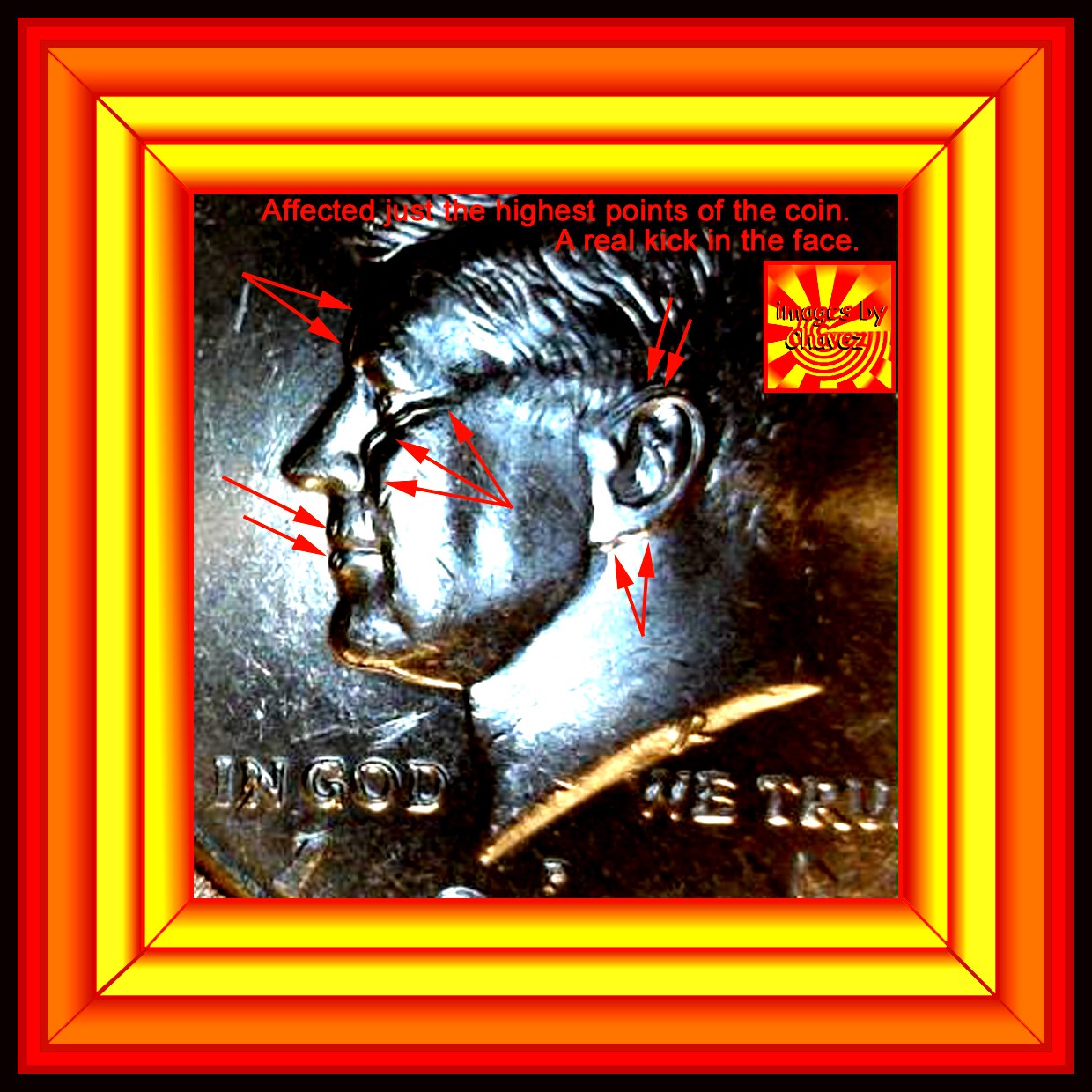 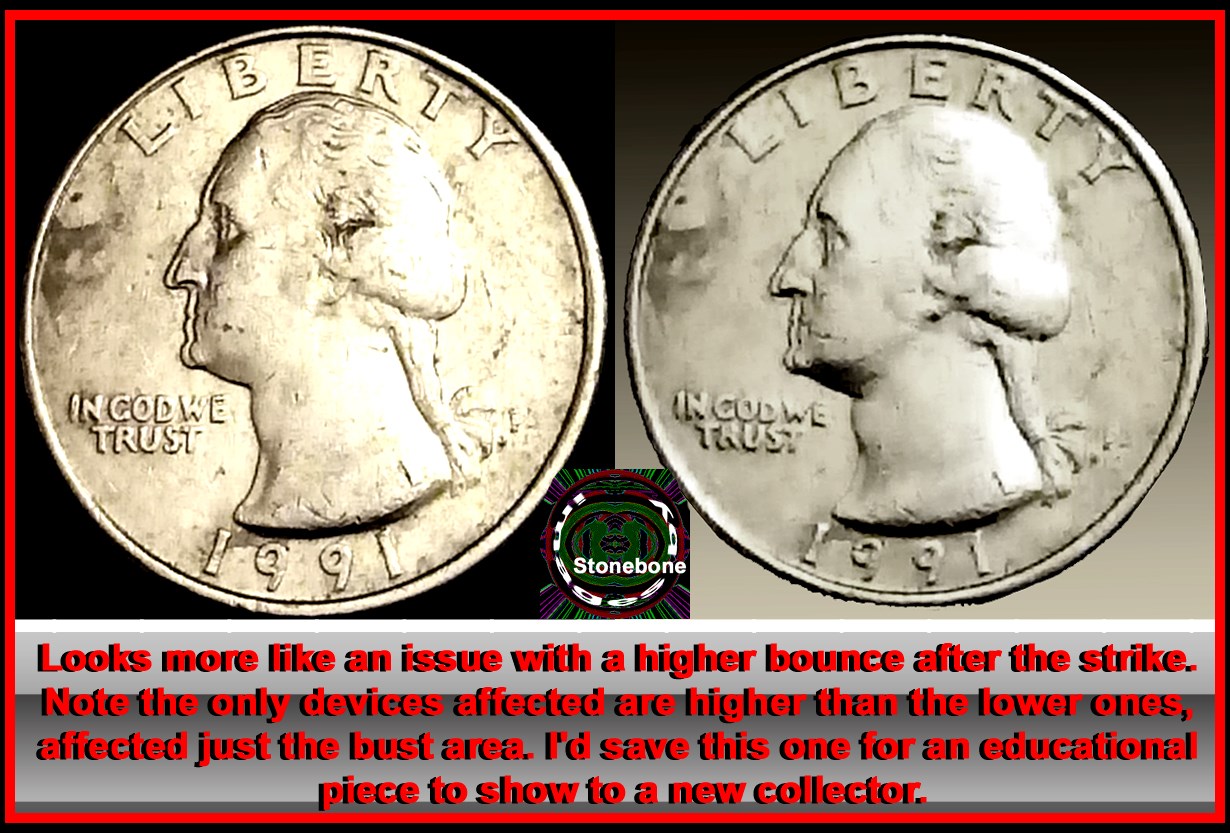 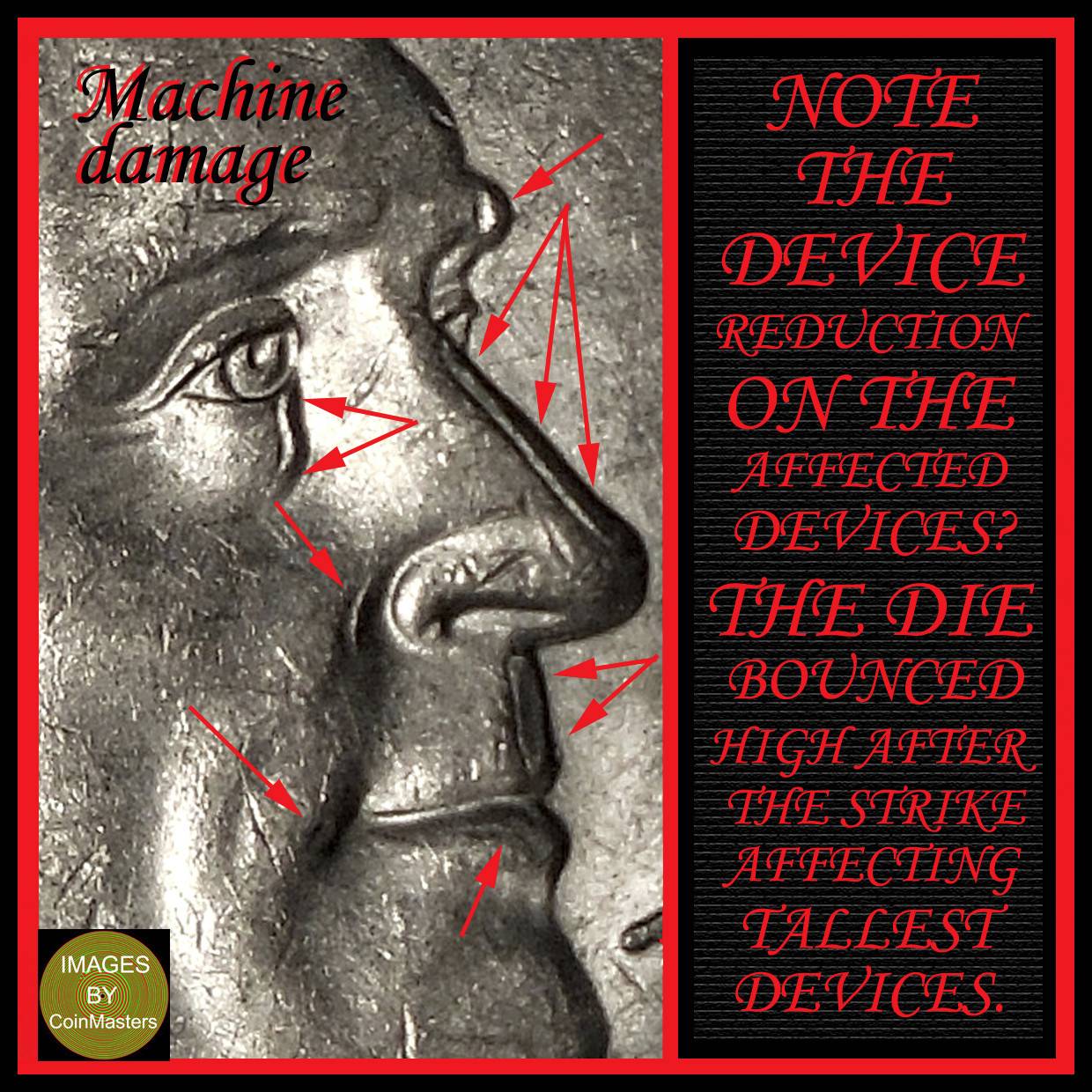 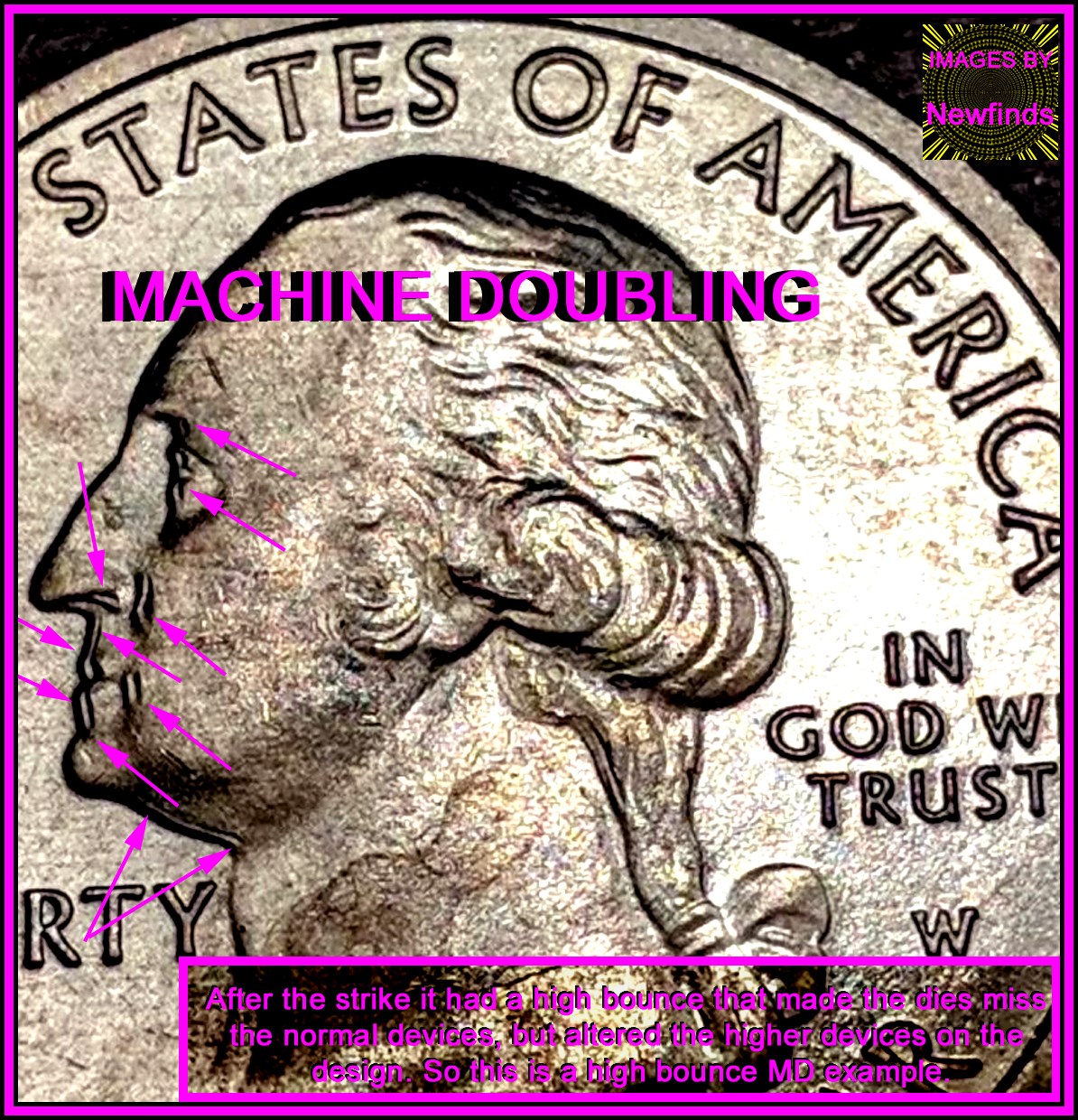 The dies were normal, but the high bounce altered the device because of the more looseness of the machine. CoopHome: Difference between classic Machine Doubling and push doubling just a stronger movement that can touch/push the devices differently because of the more looseness of the machine Edited by coop
09/12/2022 1:07 pm
|
| |
Replies: 11 / Views: 988 |
|










 Posted 09/10/2022 8:23 pm


