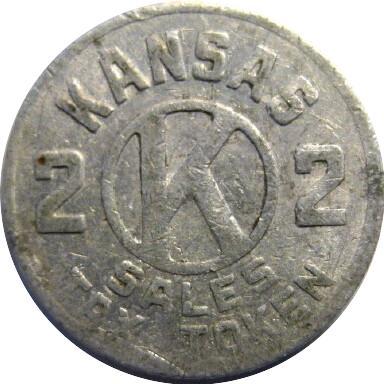
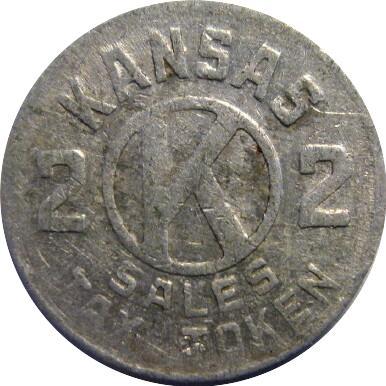
Quote:
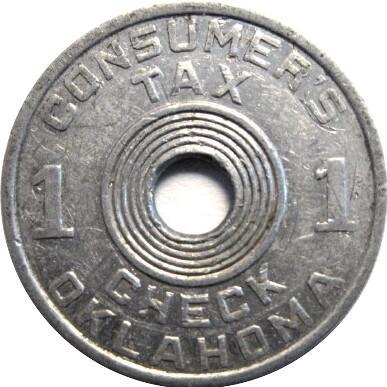
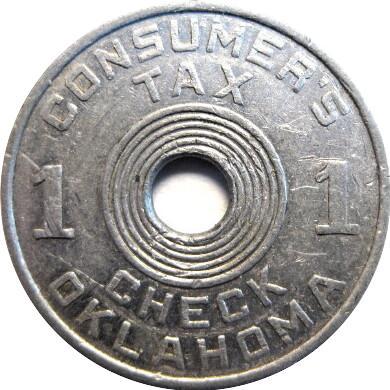
... 1 1/2 cents... 1 Cent Consumers Tax...
No, they're not "1 cent" or "1½ cent" tokens. They're 1 mil and 1½ mils - a mil is one-tenth of a cent.
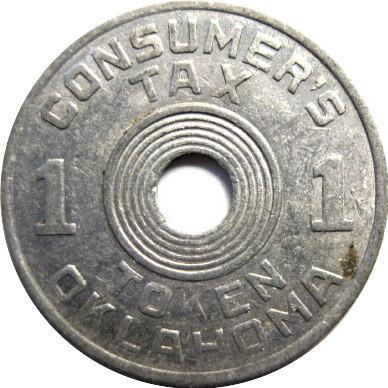
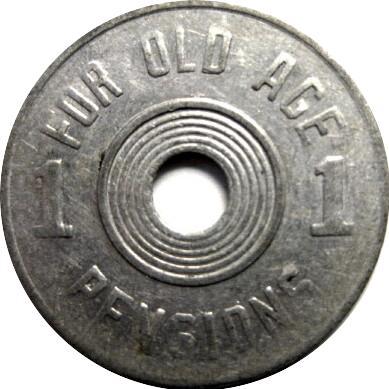
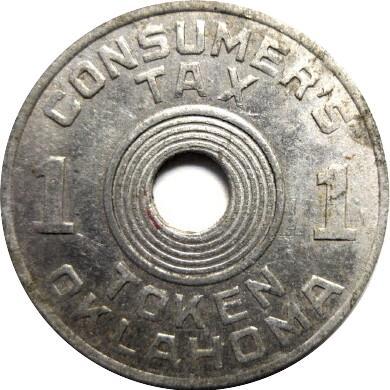
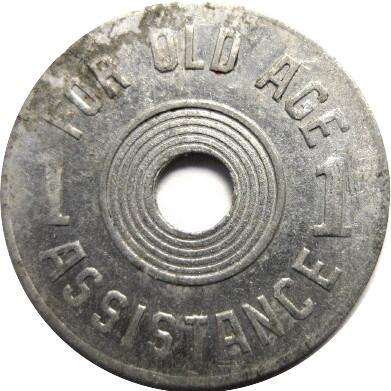
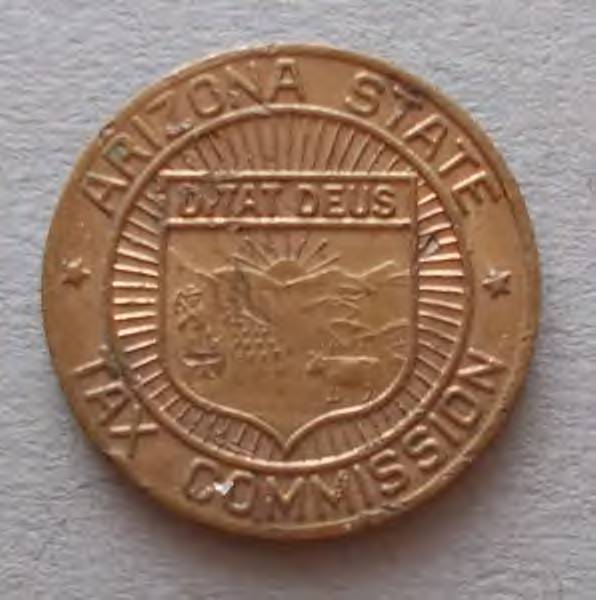
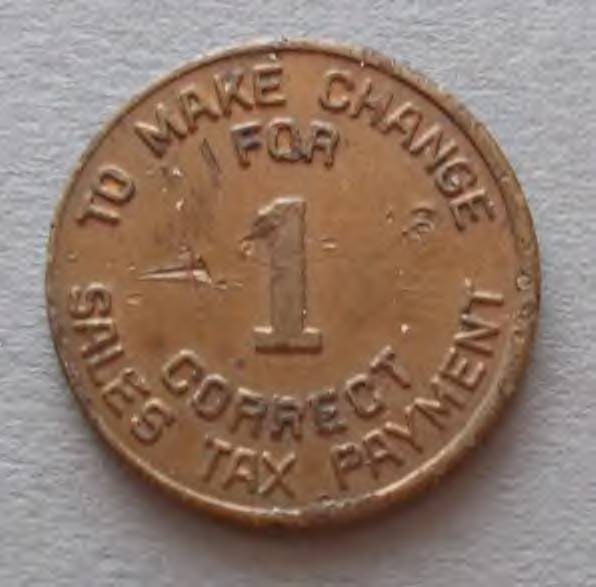
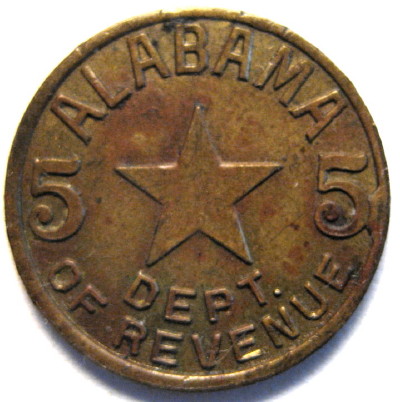
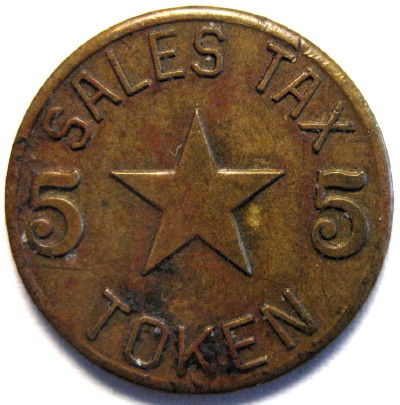
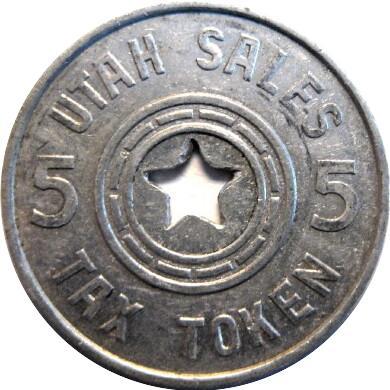
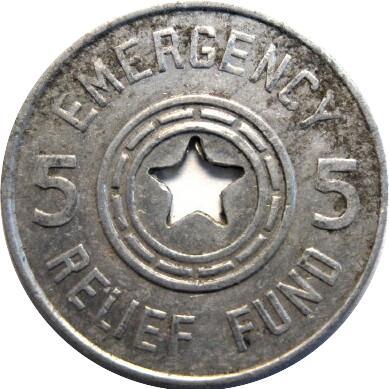
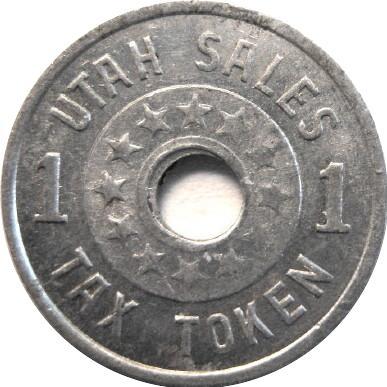
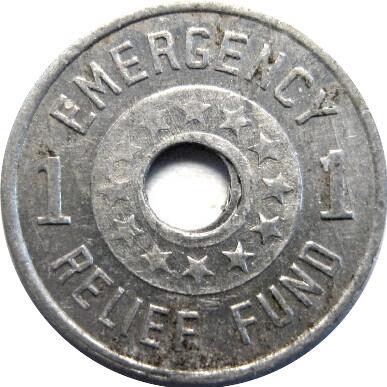
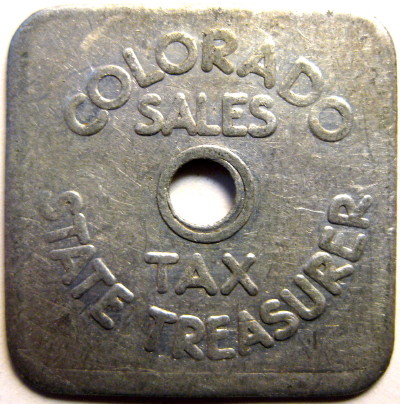
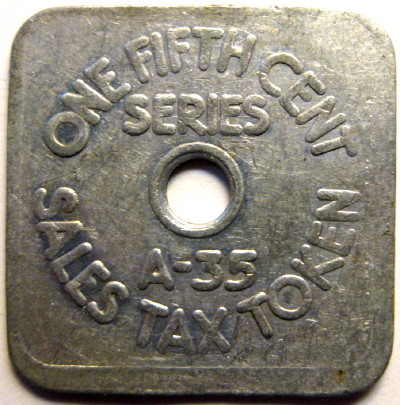
The whole point of sales tax tokens was to make change for fractions of cents that were being collected as sales tax. Suppose you bought a 7 cent item with a 10% sales tax on it? You'd need to pay 7/10ths of a cent. So you would pay 1 cent for the tax, and get three 1 mil tokens back in "change". You could use those tokens the next time you had to pay sales tax, or alternatively, save up 10 tokens, take them into the state treasury, and the state would give you one whole cent in exchange for them.
And yes, it really was as impractical and unwieldy as I've just made it sound. Even more so for people travelling interstate a lot, who'd end up with a bucketful of tax tokens they couldn't do anything with because they were only valid in the state of issue. While the idea was good and noble - offering tax relief for the poorest and most vulnerable - it was not only cumbersome, but ultimately ruled to be unconstitutional - the sales tax tokens were de-facto state-issued coinage, and the Constitution explicitly forbids states from issuing their own coinages. By the time the ruling was made, tax tokens were already abolished.
Quote:
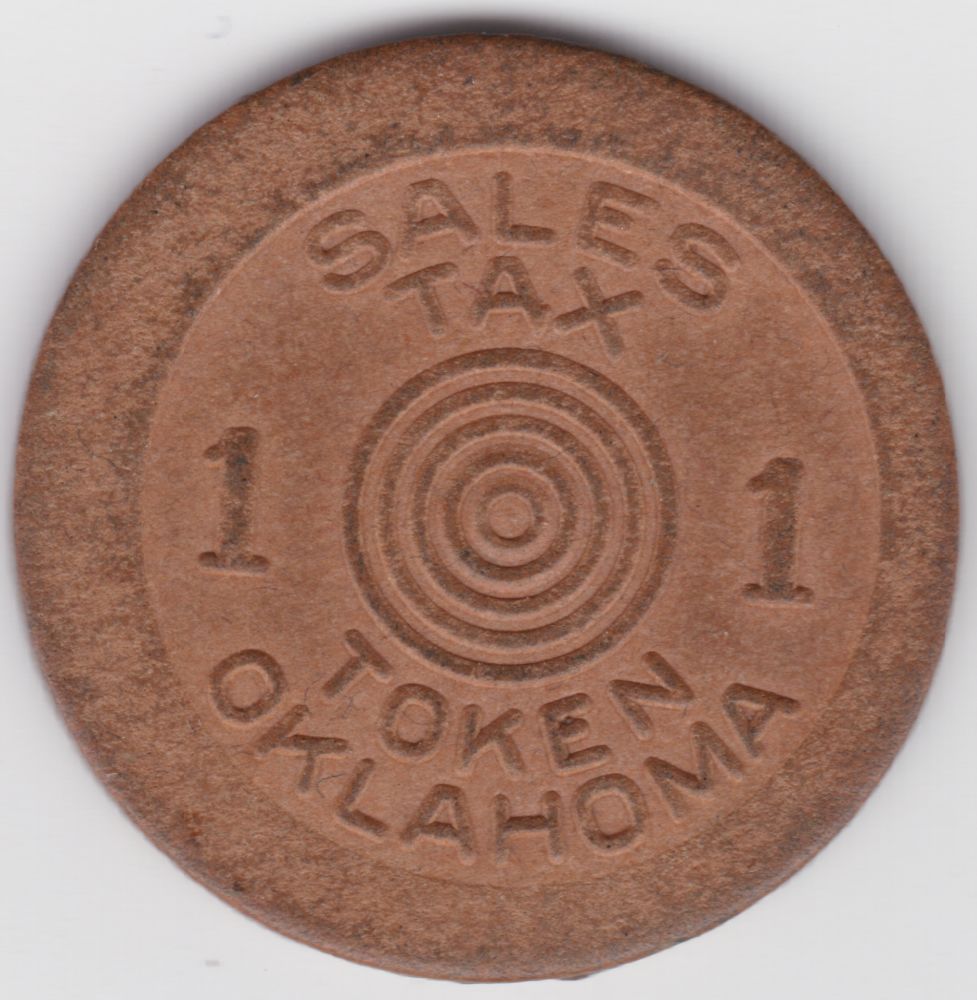
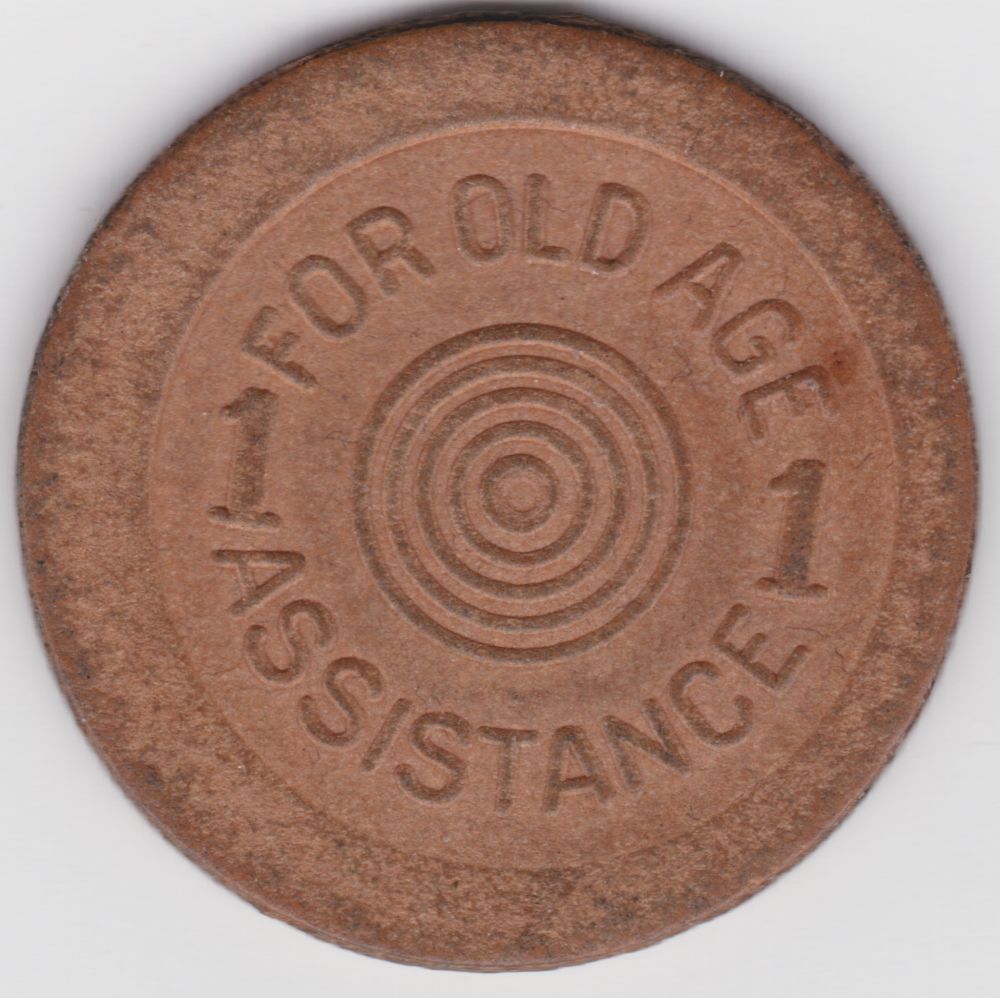
This Oklahoma token seems to be made of some type of paper.
Close. It's made of "red fiber", a type of vulcanized fiber: cellulose from cotton is processed into rough paper sheets, then re-gelatinized by adding zinc chloride and pressed together. Strong, lightweight and cheap. Many WWII-era tokens, including the famous OPA tokens, were made of this. The Japanese even made coins out of it in occupied Manchuria. It went out of fashion with the rise of petroleum-based plastics, but is seeing something of a comeback as a green alternative to plastic.
Don't say "infinitely" when you mean "very"; otherwise, you'll have no word left when you want to talk about something really infinite. - C. S. Lewis







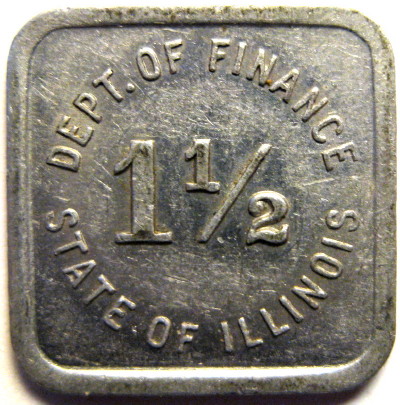
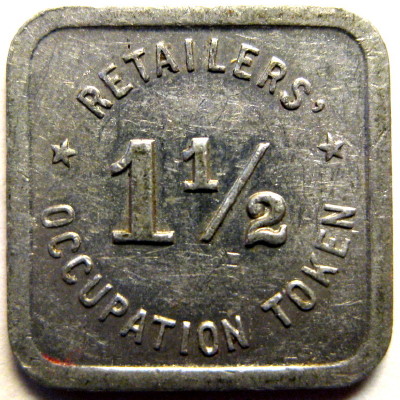



 Posted 09/13/2022 1:55 pm