| Author |
 Replies: 16 / Views: 2,963 Replies: 16 / Views: 2,963 |
|
Pillar of the Community
United States
4883 Posts |
Posting here because the 2x2 this came in touted it as an error coin. I'm hard pressed to classify it as such, nor was it priced accordingly. I've never seen anything like it, however. The flan is painfully thin, with the weight coming in at a mere 1.22 grams (and I'm surprised it's even that much). In any event, I thought the eyes in this subforum would be the best educated to evaluate it. My only reasonable conjecture is very early play money. 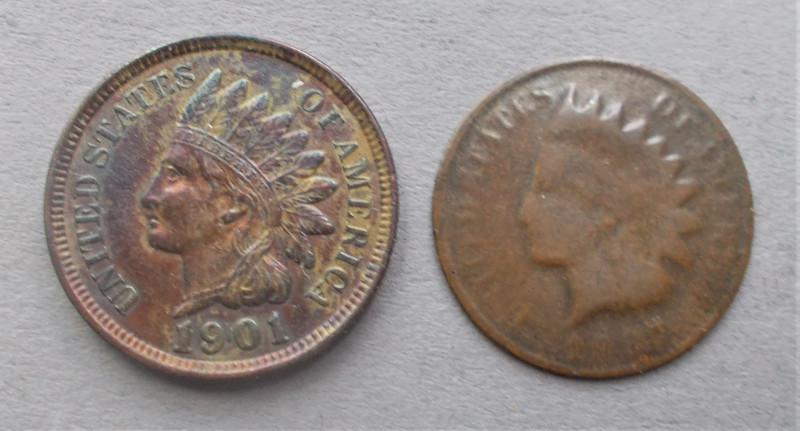 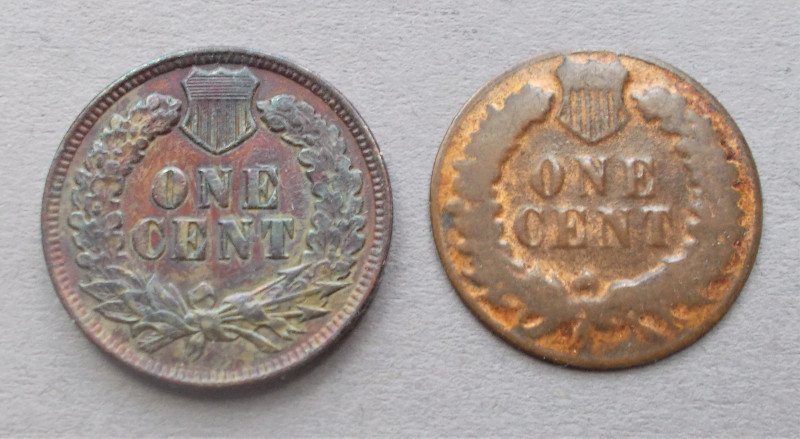 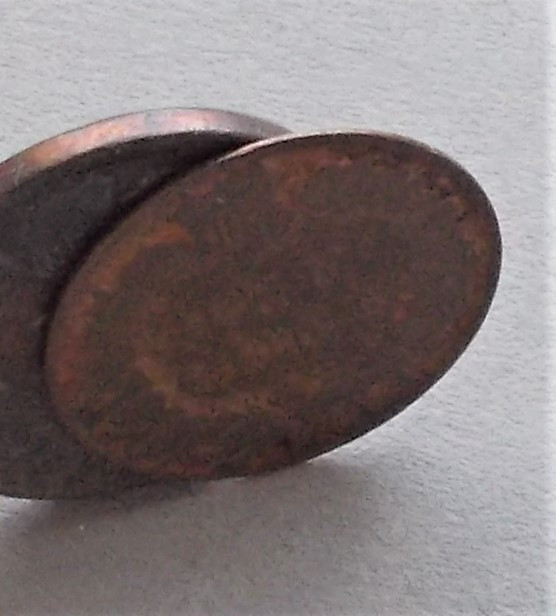 Colligo ergo sum
|
|
|
|
Pillar of the Community
United States
5079 Posts |
Left intentionally in acid or found on a beach after 100 years.
|
|
Bedrock of the Community
United States
94367 Posts |
|
|
Moderator
 United States
56855 Posts |
My thought was acid damage as well. John1  |
|
Pillar of the Community
United States
7174 Posts |
I want to say acid but the letters one cent I think would be more eaten. I don't know how they would still be that sharp with 2/3s of the coin eaten away by acid.
|
|
Pillar of the Community
 United States
4883 Posts |
Cujohn - You've stated my thoughts on this aspect also. I don't understand how the planchet can be so thin and the devices still have any relief.
Colligo ergo sum
|
|
Moderator
United States
34539 Posts |
My initial thought is that it isn't an acid-damaged cent either. I can see evidence of an intact rim, but yet this piece is smaller in diameter than the real coin.
"If you climb a good tree, you get a push."
-----Ghanaian proverb
"The danger we all now face is distinguishing between what is authentic and what is performed."
-----King Adz
|
|
Pillar of the Community
United States
756 Posts |
looks like a pickle jar coin to me. eaten away by a light acid over a long period of time. the story goes that people put them in substandard pickles at seedy saloons using the oxidized copper to keep the pickles green.
an undersized planchet would not have struck up so well in the middle.
|
|
Bedrock of the Community
United States
94367 Posts |
So, slow and mild acid exposure? Interesting.
Edited by Coinfrog
10/11/2022 9:36 pm
|
|
Bedrock of the Community
United States
27331 Posts |
Acid exposure does not account for the reduction in diameter and thickness while the features are mostly preserved. I'm going with game token or something more nefarious.
Inordinately fascinated by bits of metal with strange markings and figures
|
|
Pillar of the Community
United States
2313 Posts |
Acid coin.
I bought a coin labeled as wrong planchet awhile back, and I too thought it was an error at first.
You realize when you know how to think, it empowers you far beyond those who know only what to think.
-Neil deGrasse Tyson
|
|
Pillar of the Community
United States
797 Posts |
|
|
Pillar of the Community
United States
1173 Posts |
Interesting, learn something new everyday here.
|
|
Pillar of the Community
United States
756 Posts |
@ hondo borguss - the idea behind the details being preserved despite the coin being eroded away is similar to how nic-a-date works on Buffalo nickels. basically the pressure from striking the coin creates slightly different densities of metal that have slightly different responses to being eroded away. with a light acid and a long time frame you can end up with some cool results. you could create one for yourself if you wanted. get a common Wheat cent or a dateless buffalo or something and put it in a dish of vinegar. flip the coin over regularly to get even results. its going to take months/years. |
|
Moderator
United States
195103 Posts |
 Acid is a logical assumption. |
|
Pillar of the Community
United States
2376 Posts |
The design, as stated above, does transfer into the coin metal to an amazing depth. This is my 1924-d buffalo that basically split in half after it was struck. The obverse is normal and the reverse design can still be seen even the mintmark, halfway into the coin. 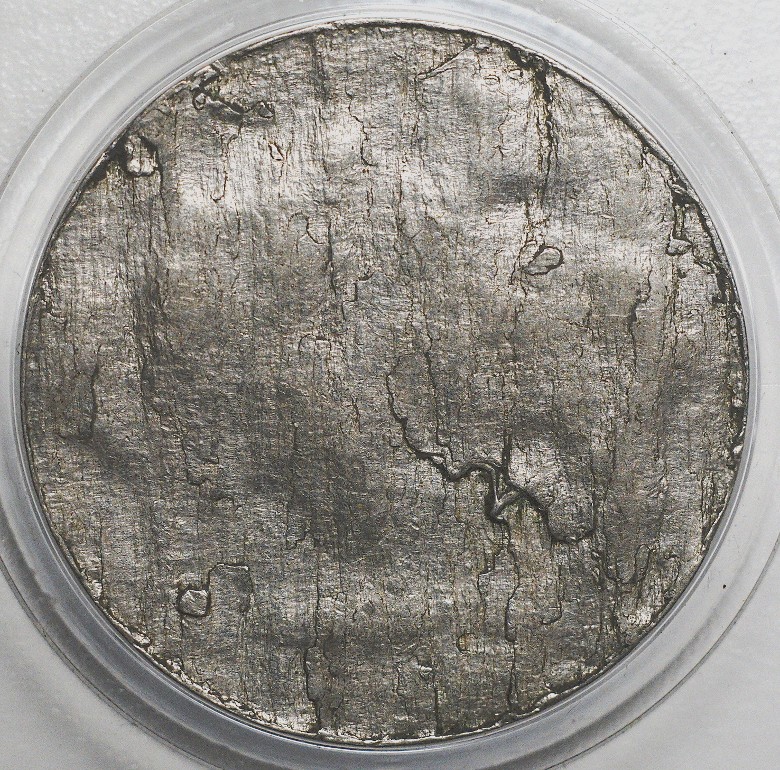 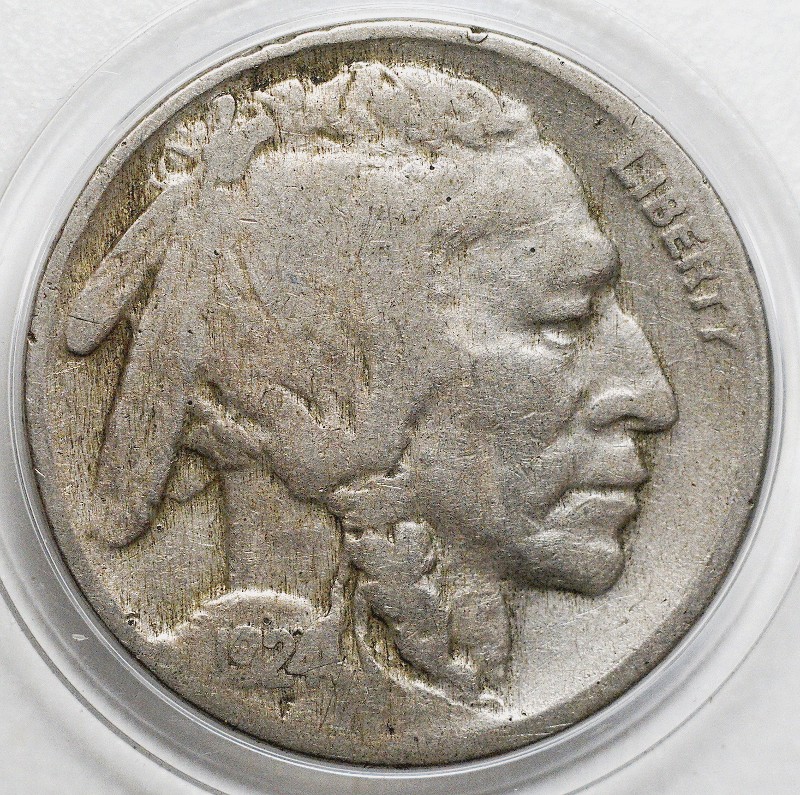 |
| |
Replies: 16 / Views: 2,963 |







 Posted 10/11/2022 7:40 pm





