| Author |
 Replies: 12 / Views: 2,089 Replies: 12 / Views: 2,089 |
|
|
Pillar of the Community
United States
3499 Posts |
Hi everyone, I recently acquired a rather interesting bulk lot of 18th century half pennies, and there appear to be some unusual examples in the mix. For instance, I am not sure what to make of this rather rough George II example. The Britannia side has very bulbous letters and has some white metal exposed where the date should be. And the obverse has very crude lettering and some raised dots in the fields - particularly by George's nose. What do you make of this coin? Would you surmise that it is a cast contemporary counterfeit?  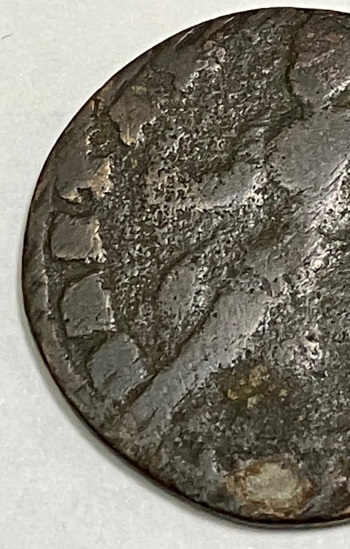 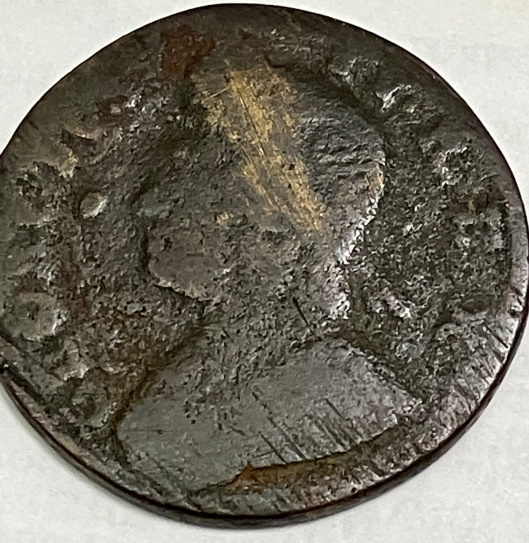 |
|
|
|
Valued Member
United States
294 Posts |
Might just be me but those sure look like file marks.
|
|
Moderator
 United States
34553 Posts |
@arch, what is the weight of this piece?
"If you climb a good tree, you get a push."
-----Ghanaian proverb
"The danger we all now face is distinguishing between what is authentic and what is performed."
-----King Adz
|
|
Bedrock of the Community
United States
27512 Posts |
Archraz, it certainly looks cast! Can you show us the rim?
As for it being a contemporary counterfeit, we'll have to wait for true experts to weigh in.
Inordinately fascinated by bits of metal with strange markings and figures
|
|
Bedrock of the Community
United States
94367 Posts |
|
|
Pillar of the Community
United States
1962 Posts |
Quote:
Let's start with weight. No need... it absolutely is, and is a particularly crude one at that. Someone more versed in the specifics can elaborate more, but just from observation, many contemporary casts end to appear in a brass alloy as opposed to pure copper/dark bronze. This appears to be an example. |
|
Pillar of the Community
 United States
3499 Posts |
Hi everyone - wow, thanks for all of the responses! To start, it is 9.13 grams and 28mm. I don't see any casting seams along the edge, but I definitely see some peculiar lines along the edge which are possibly due to someone filing it.
I'll post some more pics very soon.
Edited by Archraz
11/24/2022 11:02 am
|
|
Pillar of the Community
United States
3499 Posts |
Hi everyone, as promised, here are a few images of the edges. As you can see, there are a lot of lines along the edges, which are likely filing marks. Most of these marks also appear to be a golden, brassy color. Out of curiosity, how rare are cast as opposed to struck contemporary counterfeits? Although this coin depicts George II, is it likely that it was struck during his reign? Or could it have been struck in the later decades of the eighteenth century? (When plenty of older coppers were still in circulation) 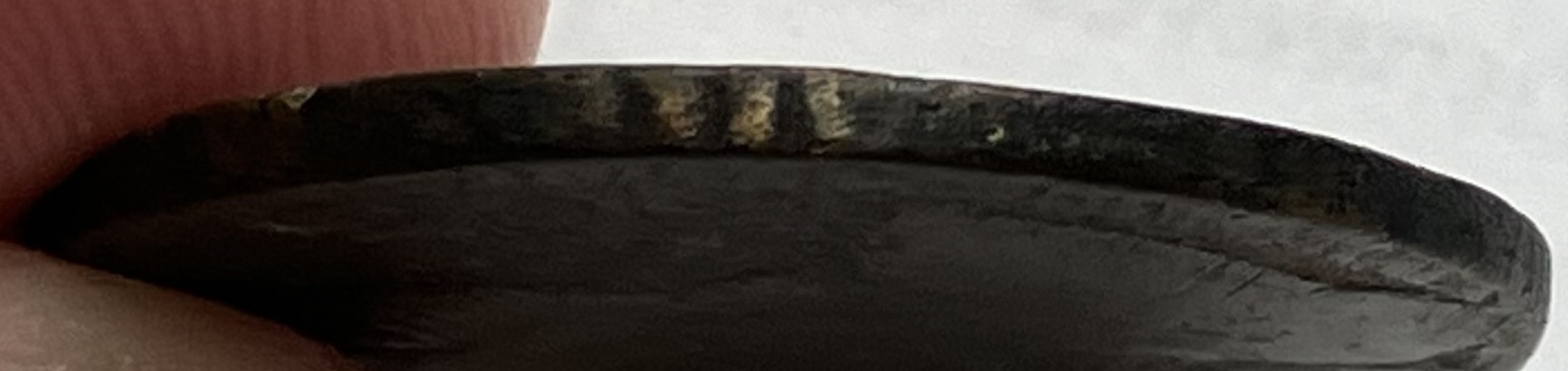 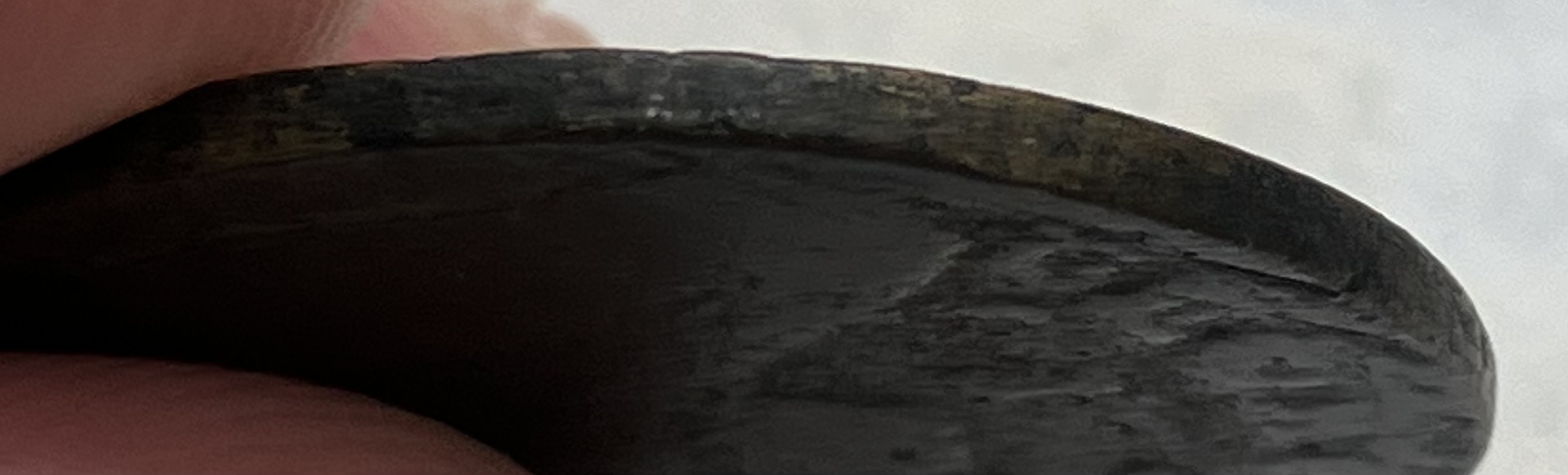 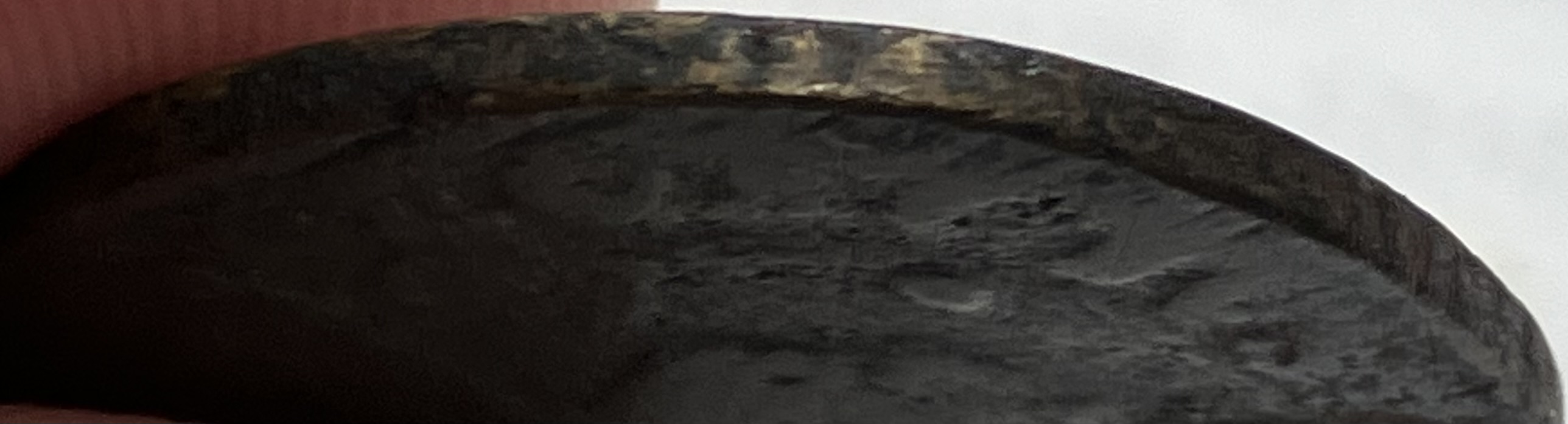 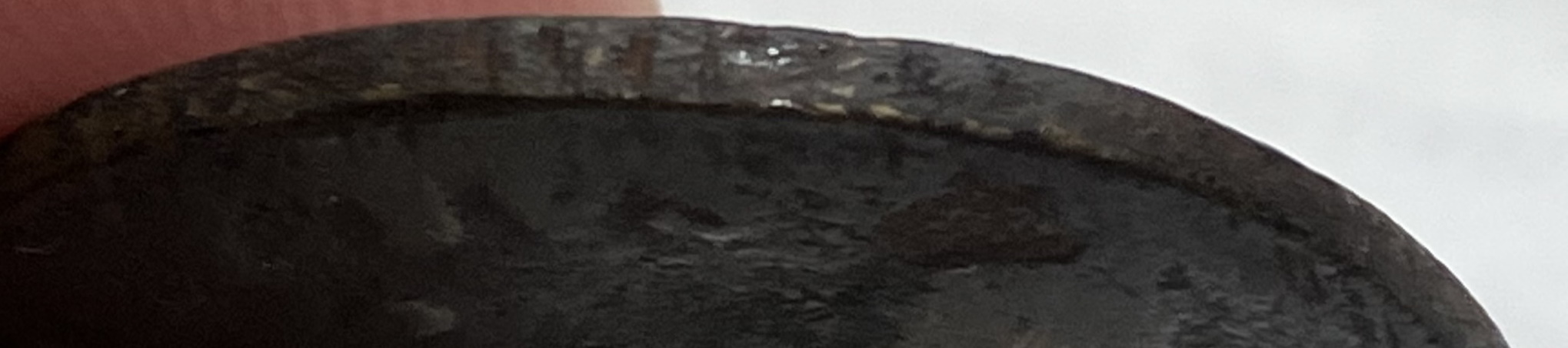 |
|
Pillar of the Community
United States
1761 Posts |
Its a cast George II 1/2d. What is your next question.
John Lorenzo
|
|
Pillar of the Community
Australia
2583 Posts |
Quote:
Out of curiosity, how rare are cast as opposed to struck contemporary counterfeits?
Although this coin depicts George II, is it likely that it was struck during his reign?
Or could it have been struck in the later decades of the eighteenth century? (When plenty of older coppers were still in circulation) I can't speak for OP, but I think he had three next questions The Ox moves slowly, but the Earth is patient.
|
|
Valued Member
United Kingdom
406 Posts |
Good morning. Most likely an 18th century fake. The forger may have started with a worn example to copy to make his or her life easier. There was a huge shortage of low denomination coins in Britain through that period which gave rise to token production and made Matthew Boulton famous. The factory system was new and The Royal Mint and the British government, both being either asleep or distracted, didn't notice that factory owners needed to pay wages. Ironically the main source of these fakes was Birmingham. |
|
Valued Member
United Kingdom
406 Posts |
Almost forgot! There may be a small dot somewhere on the edge which will be the remains of the sprue where the molten metal was poured in.
|
|
Valued Member
United Kingdom
406 Posts |
There may also be a small spot surviving on the edge of the coin which shows where the metal was poured into the mould, unless it's been very neatly filed off. Spyro.
|
| |
Replies: 12 / Views: 2,089 |
|










 Posted 11/23/2022 6:20 pm


