| Author |
 Replies: 16 / Views: 1,913 Replies: 16 / Views: 1,913 |
|
Valued Member
United States
99 Posts |
|
|
|
|
Pillar of the Community
Canada
6244 Posts |
Something eat this coin. Was use for electroplating? Who know?
|
|
Pillar of the Community
 United States
8979 Posts |
I'm with Silvio. Not sure what but something ate at this coin. Acid, buried?
-makecents-
|
|
Valued Member
 United States
99 Posts |
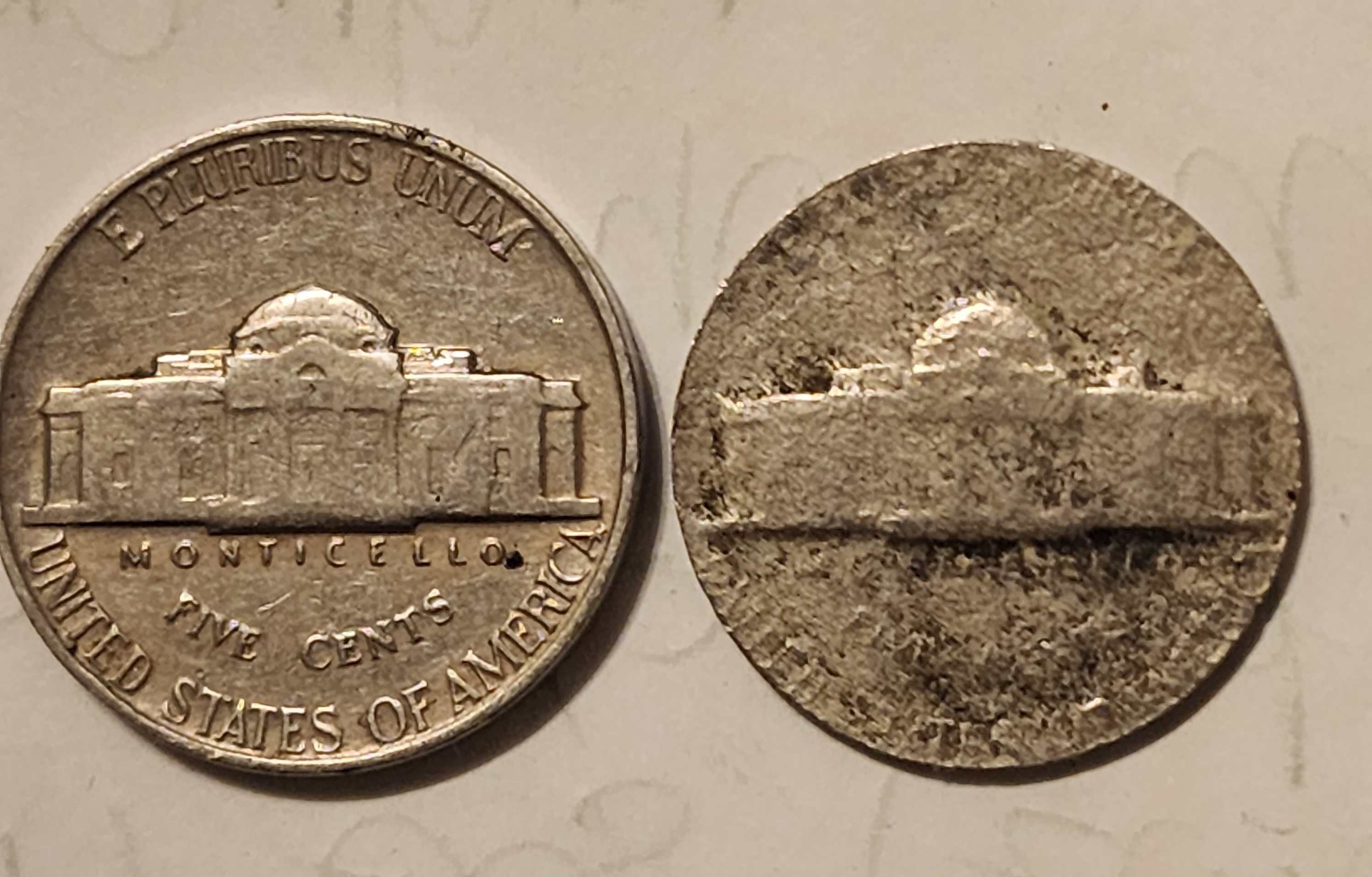
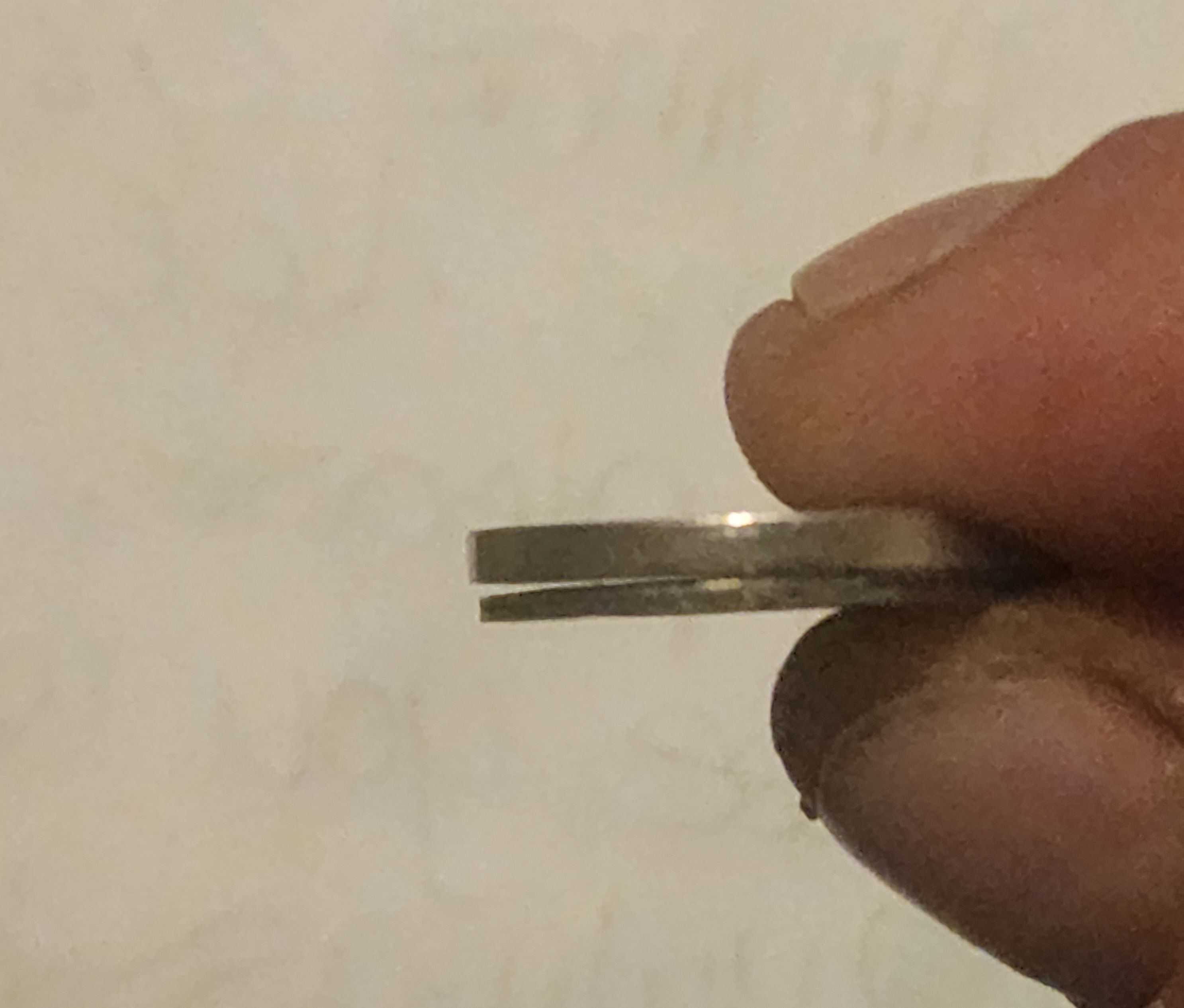
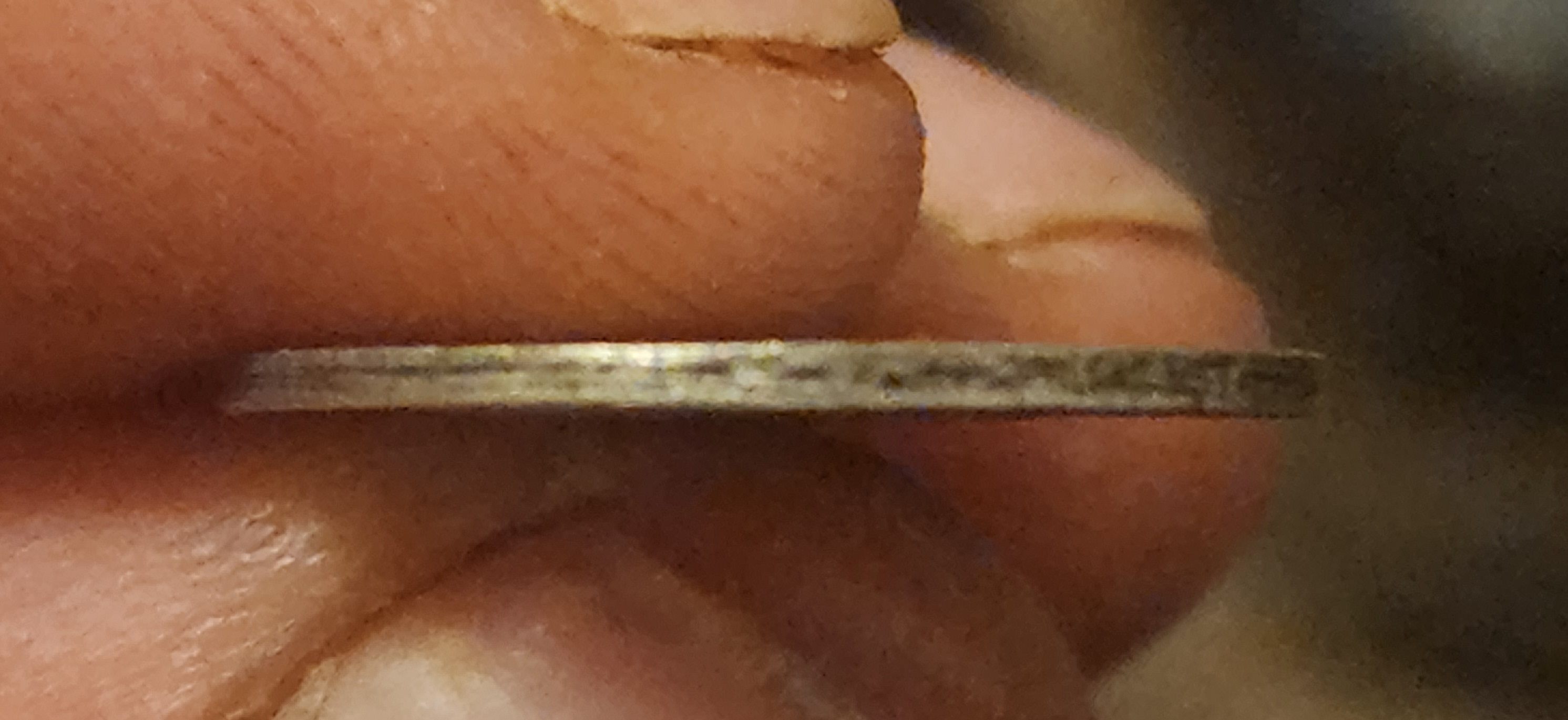
I could maybe see a long acid bath, buried idk about that. It has no real dirt or staining from being buried to me. If placed on top of another nickel it almost seems as if it's missing the entire rim all the way around along with being half the thickness. Would acid really take the rim off so evenly without major pitting?
Also along the rim it almost resembles a layered coin idk if acid or dirt would cause that type of look then again I have never given a coin and acid bath.
|
|
Pillar of the Community
Canada
6244 Posts |
@MRJ: The acid will not made this thing. If was acid, must be an mild acid which can ate this kind of alloy and hard to be find in nature. Another it is the cyan hydrate of potassium which also no way. Why I say electroplating? because on this procedure you can do in same time cooper plating and nickel plating in the same electro bath. In lab I play with some Canadian coins and I see that first the sides will dispatched the ions and then all the ions come from the center where it is accumulate the most electro-magnetic-energy and the design remain relative OK.
Edited by silviosi
01/13/2023 10:41 pm
|
|
Pillar of the Community
United States
8979 Posts |
I'm liking buried.
-makecents-
|
|
Moderator
 United States
56855 Posts |
I am thinking intentional acid damage. John1  |
|
Moderator
United States
15895 Posts |
It was damaged by an unknown process - buried or acid treated or electrolysis or something. It is not a naturally occurring coin.
|
|
Moderator
United States
106601 Posts |
This coin is smaller in all directions (thickness and diameter) I'll go with a controlled acid dip.
|
|
Bedrock of the Community
United States
94367 Posts |
Agree, this is an acid casualty.
|
|
Valued Member
United States
99 Posts |
Well sadly that takes all curiosity out of it lol. I'll still keep it as an example of a acid damaged coin but it doesn't get a place in the main collection lol. Ty to all for clarifying the non error problem on this one :D
|
|
Pillar of the Community
United States
1648 Posts |
Edited by datadragon
01/14/2023 2:12 pm
|
|
Bedrock of the Community
United States
19557 Posts |
Agree with datadragon (above).
|
|
Bedrock of the Community
United States
10635 Posts |
Environmental damage, probably intentional. Lack of rims tell us it's not a mint error. Post mint damage.  |
|
Moderator
United States
106601 Posts |
Hmm.. Data has a good point, I'll wait to see if the OP can give us more information on this.  |
|
Pillar of the Community
United States
1648 Posts |
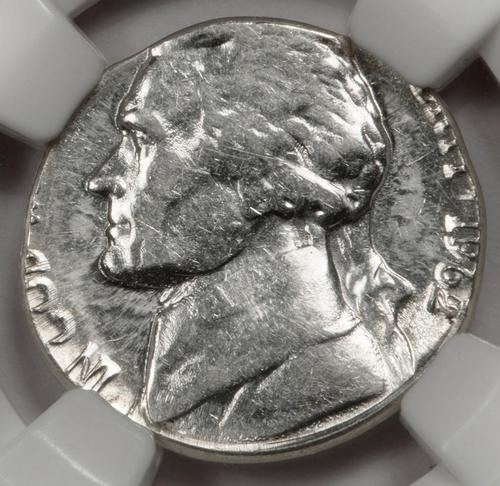
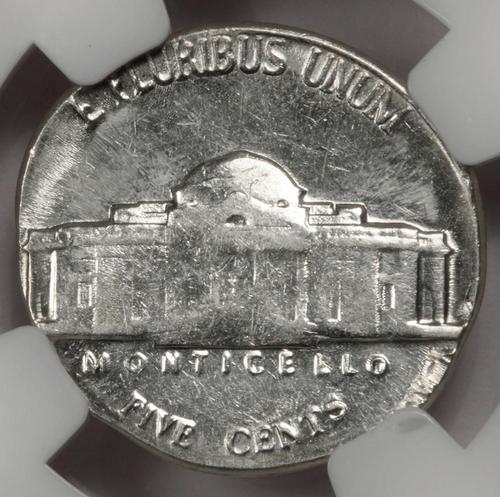
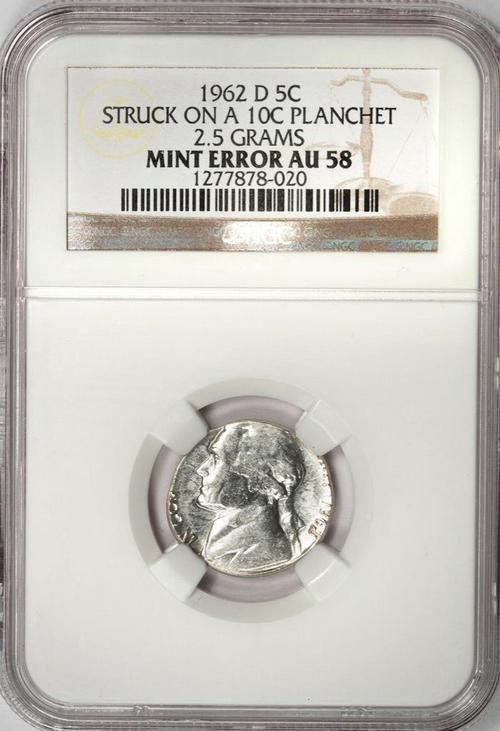
Also odd that reminded me of this: A tapered planchet is one that thins out at one pole. Appearing in all denominations, the 1950s produced an unprecedented number of such errors. Weight would be lower but not that low. Tapered planchet errors often co-occur with rolled-thin planchet errors. In other words, all parts of the coin are thinner than normal, not just the taper. The weight isn't exact for a silver dime planchet (2.5g +/- .09g) (2.59vs2.66 this coin) but does have that type of look when struck on a dime or smaller planchet.
Edited by datadragon
01/14/2023 3:15 pm
|
| |
Replies: 16 / Views: 1,913 |









 Posted 01/13/2023 9:33 pm