| Author |
 Replies: 23 / Views: 4,140 Replies: 23 / Views: 4,140 |
|
New Member
Canada
29 Posts |
|
|
|
|
New Member
 Canada
29 Posts |
|
|
Pillar of the Community
United States
1101 Posts |
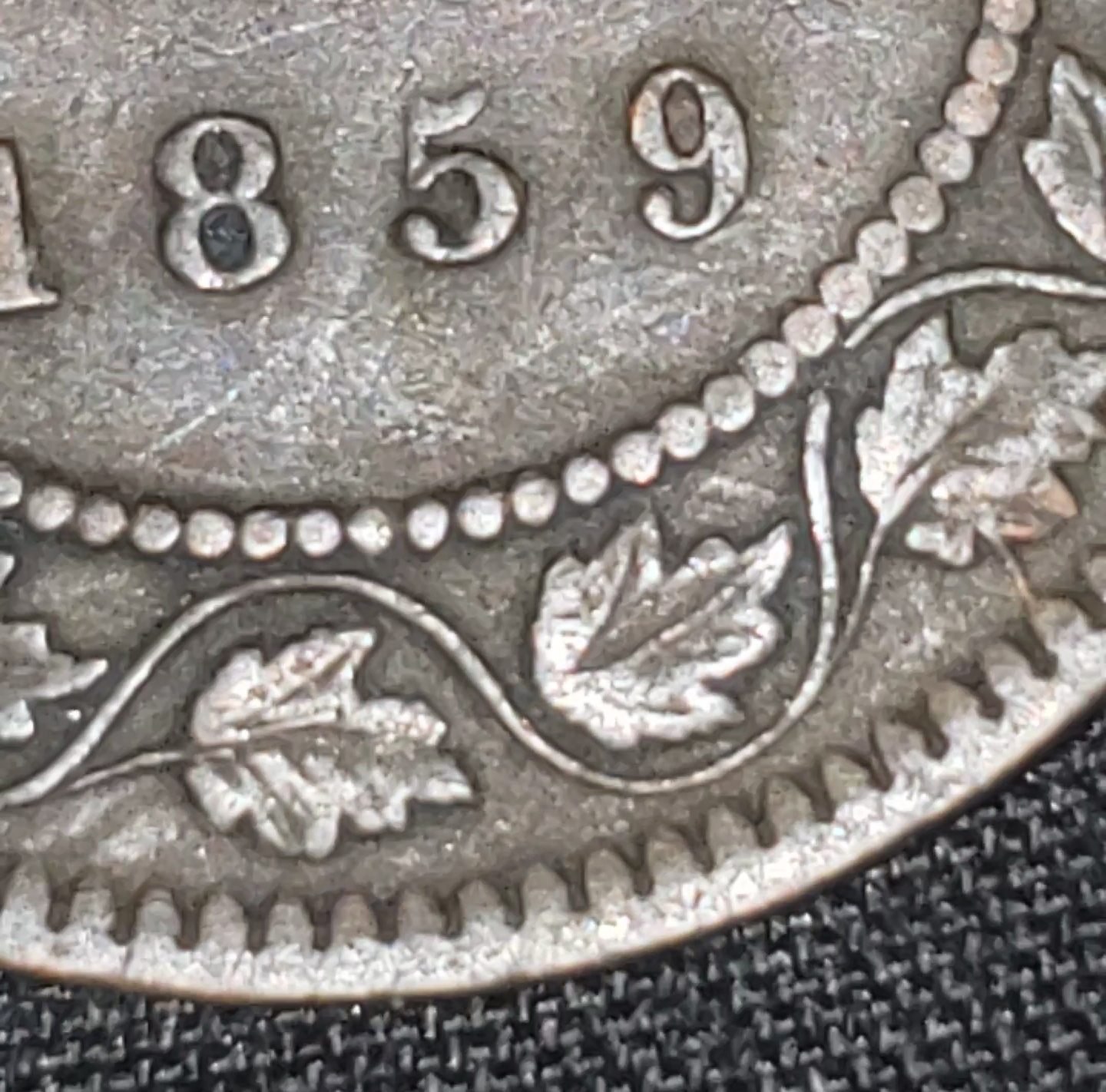
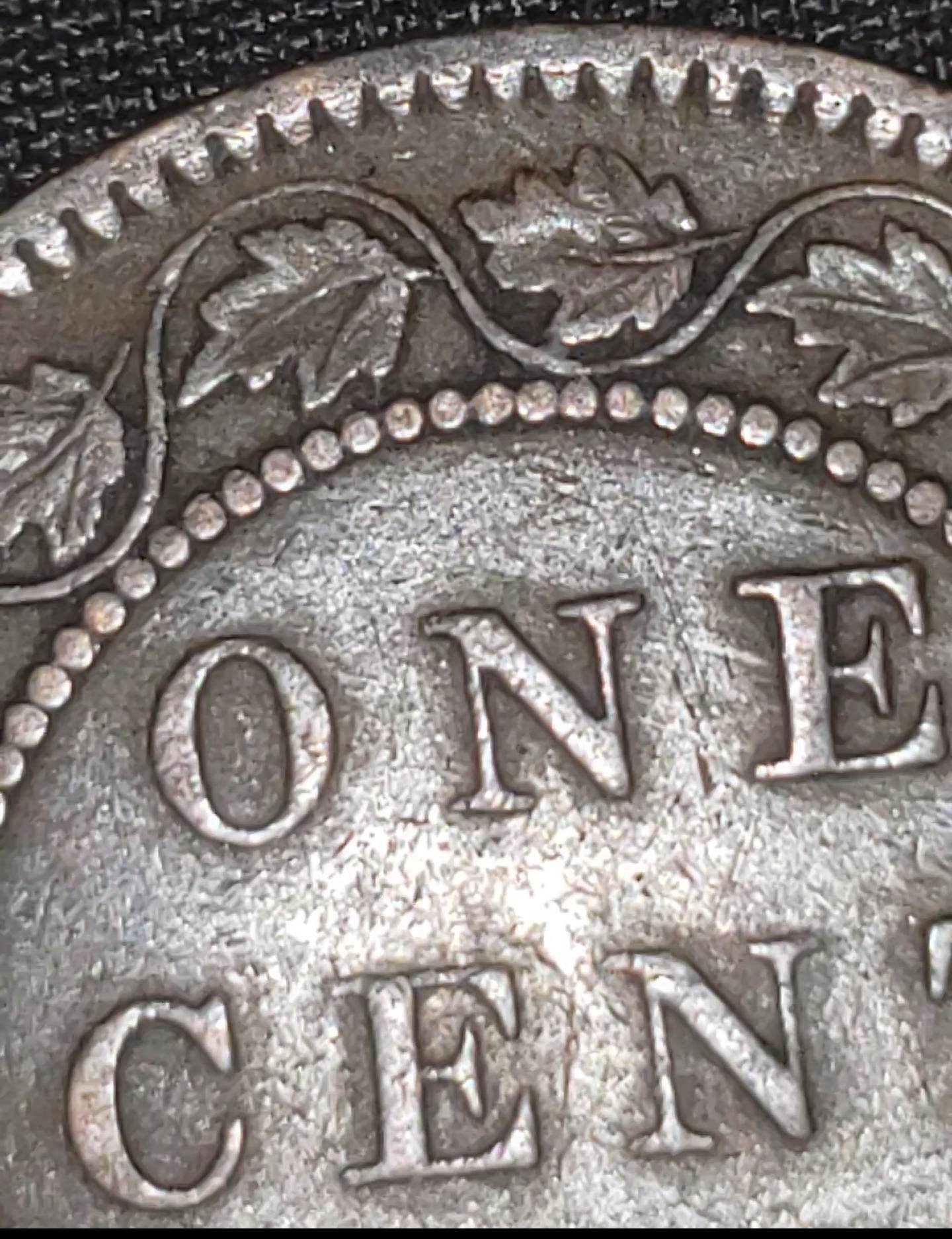
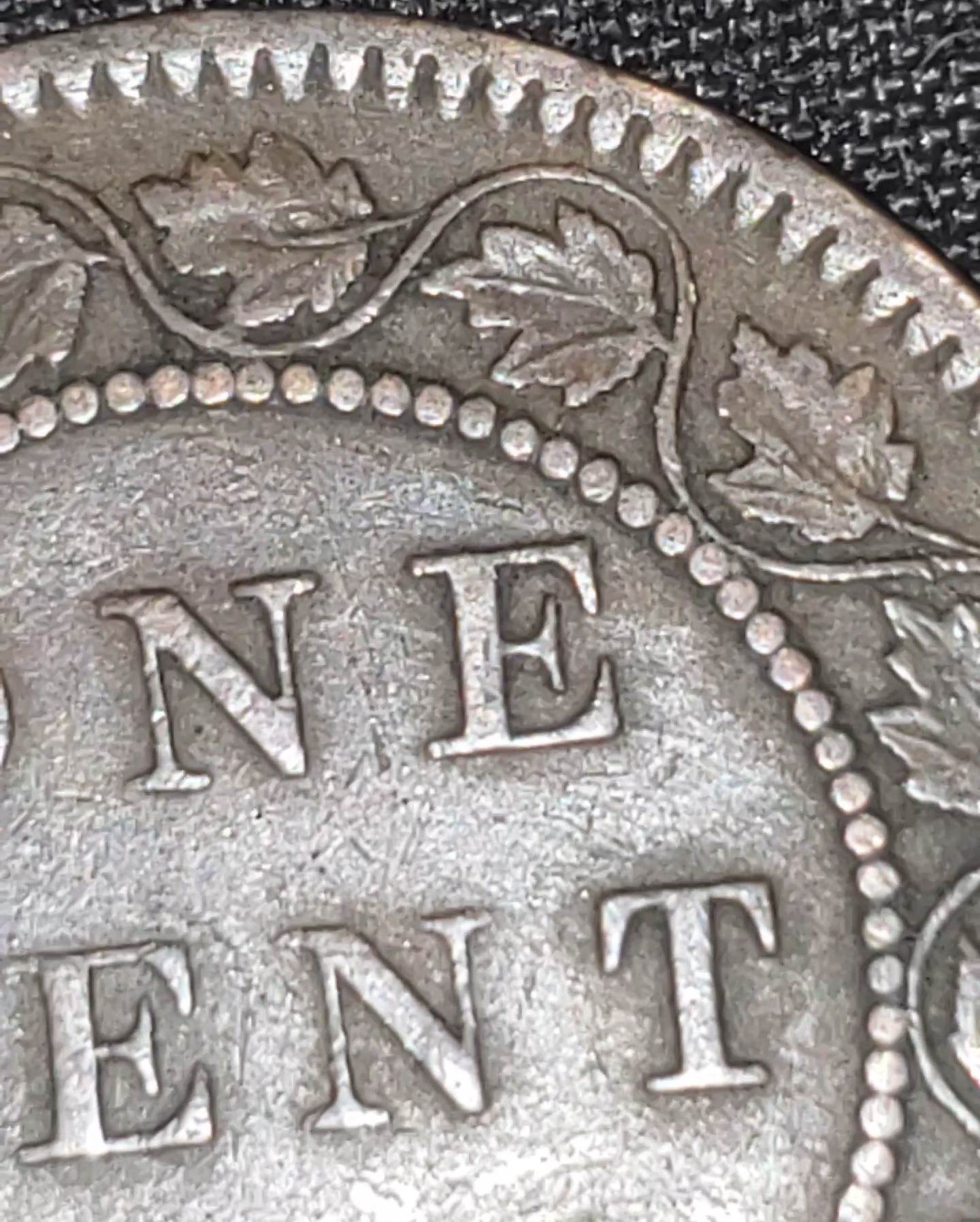
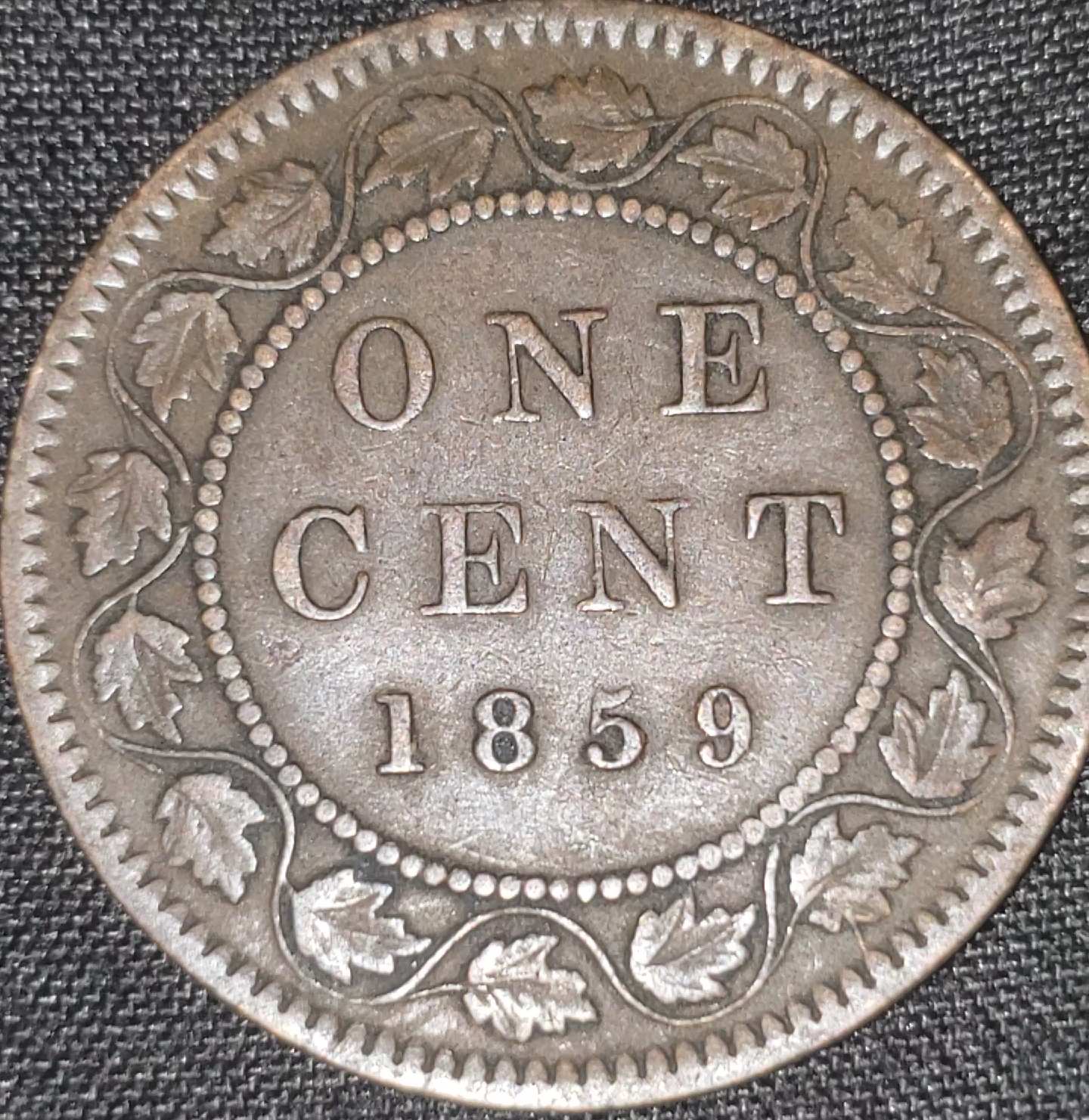
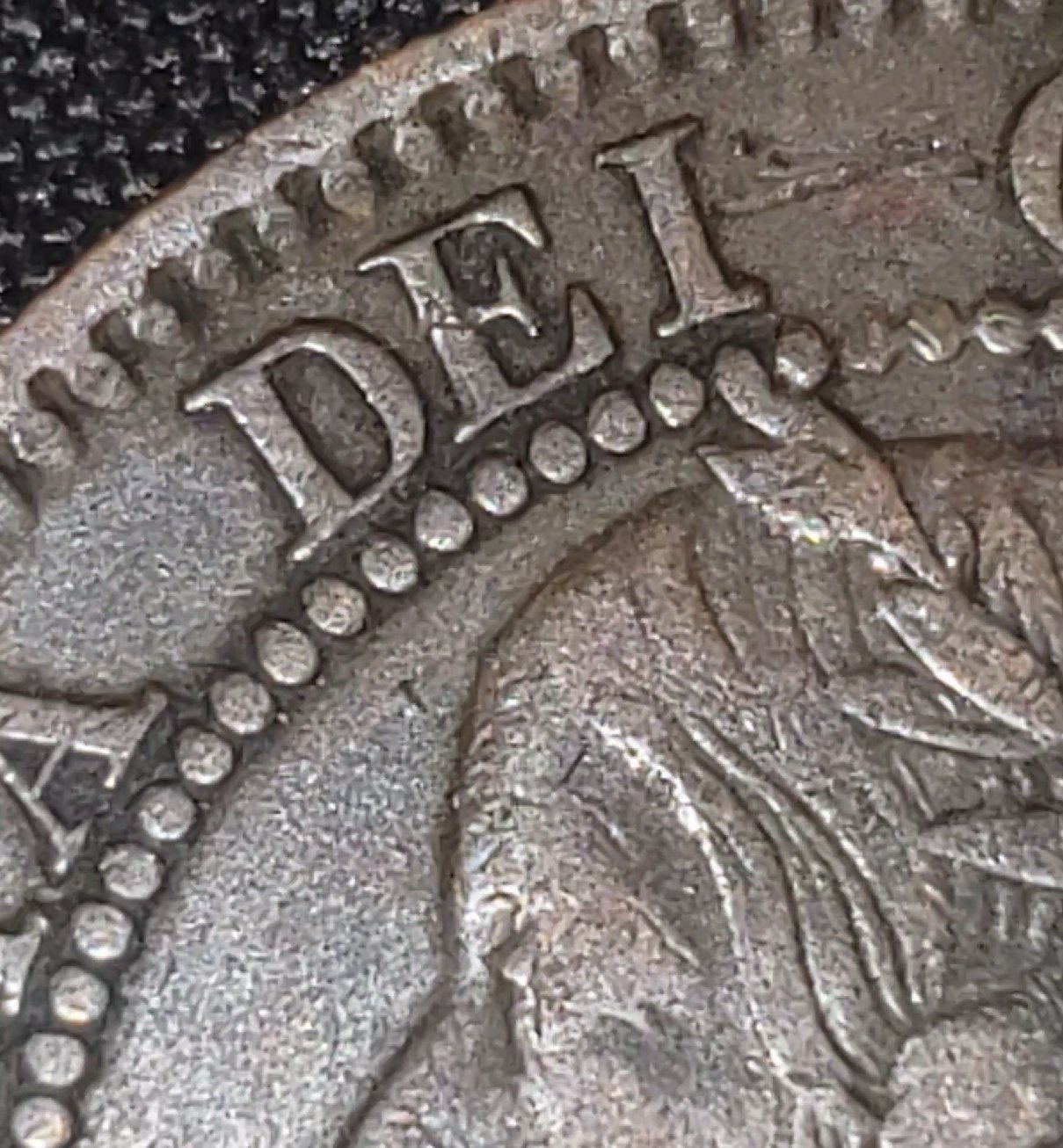
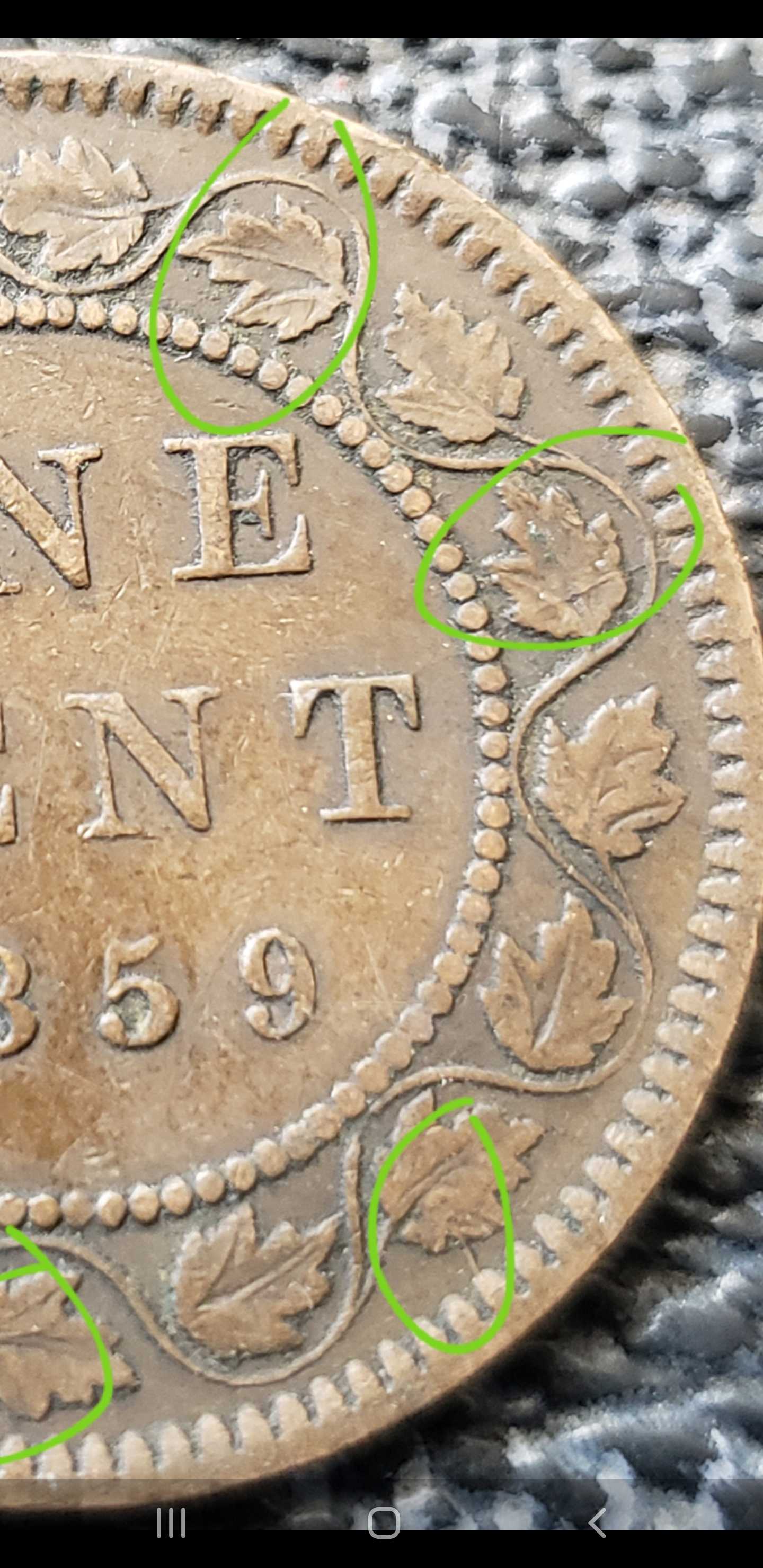
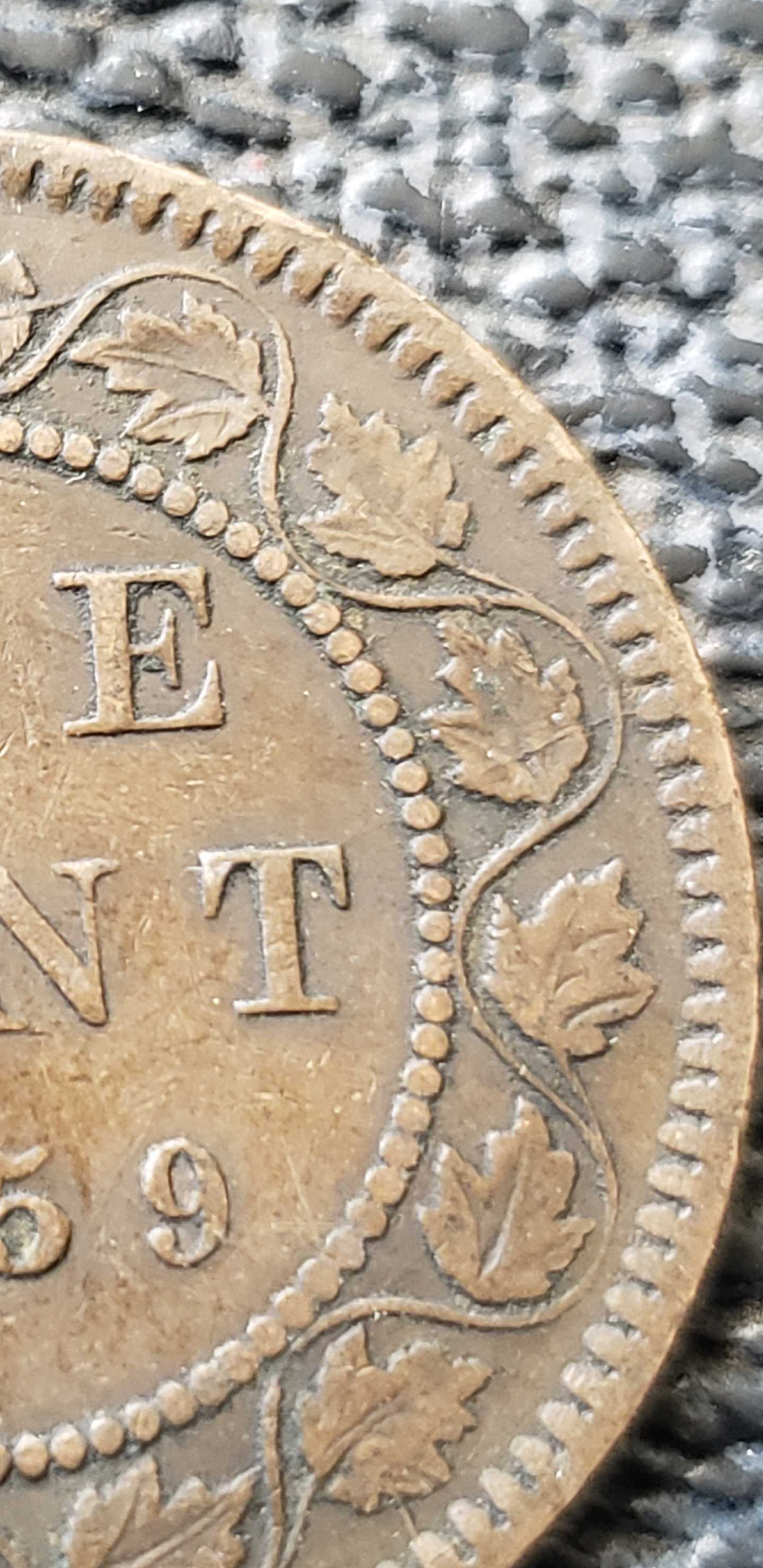
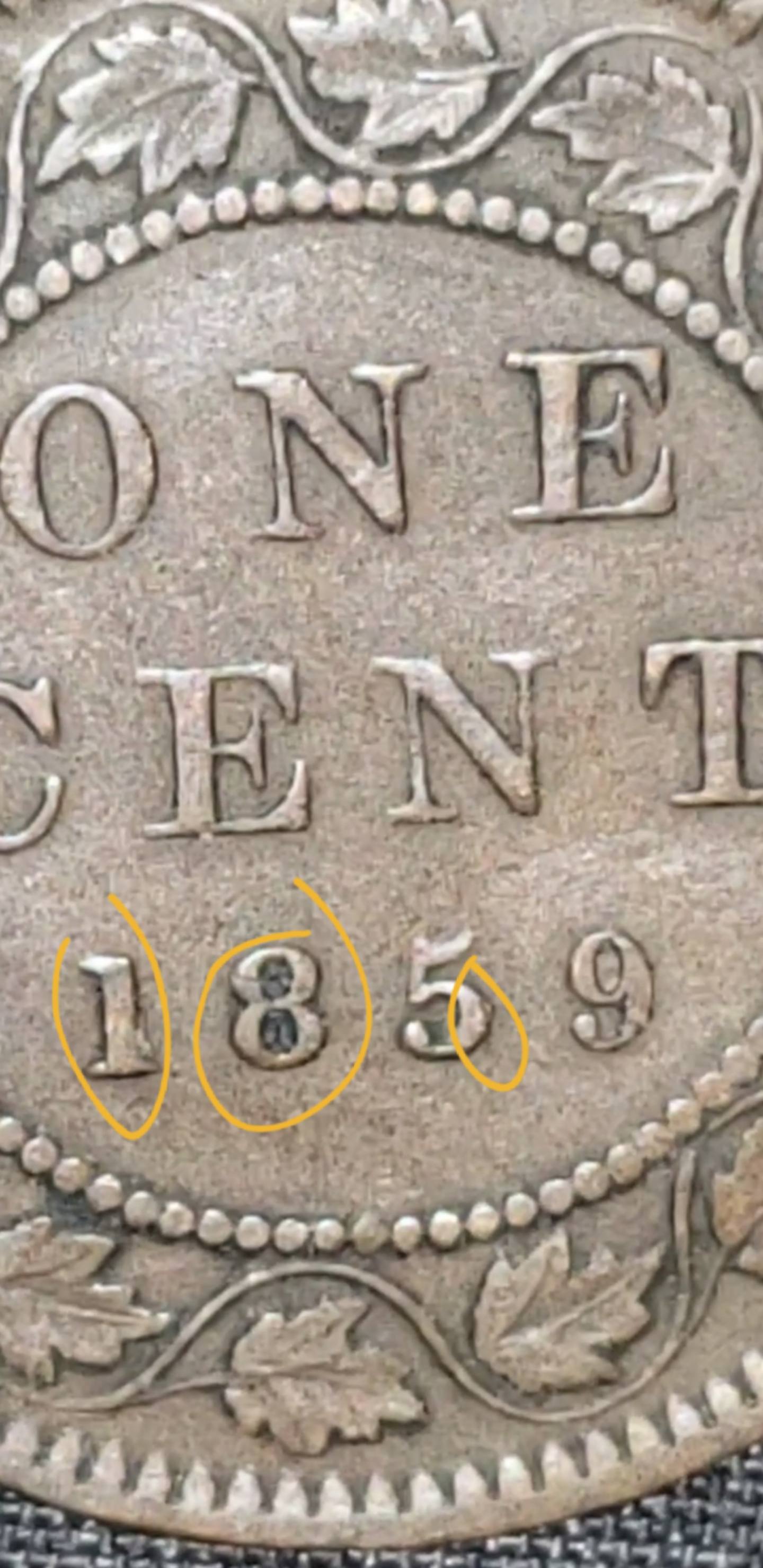
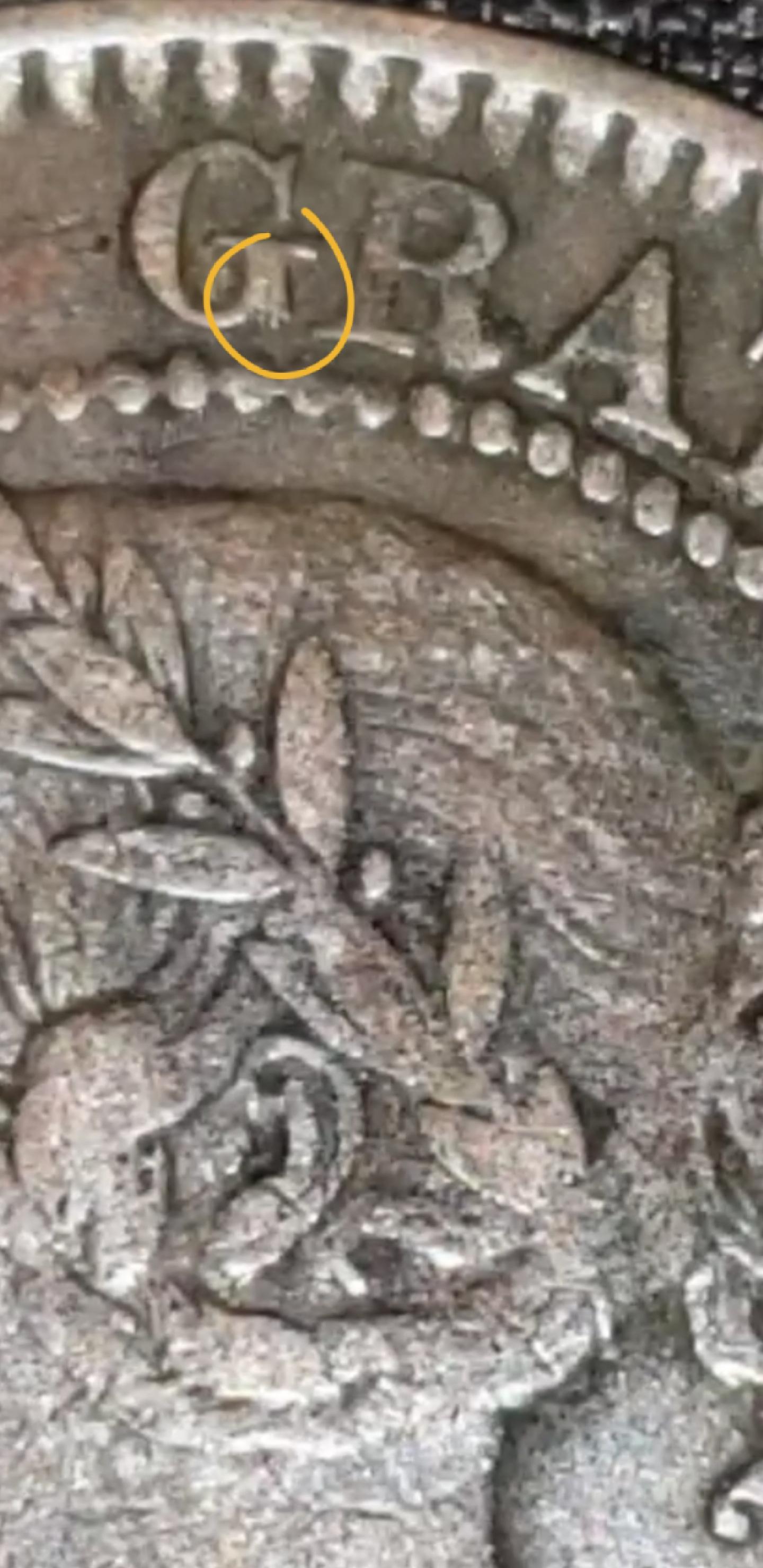
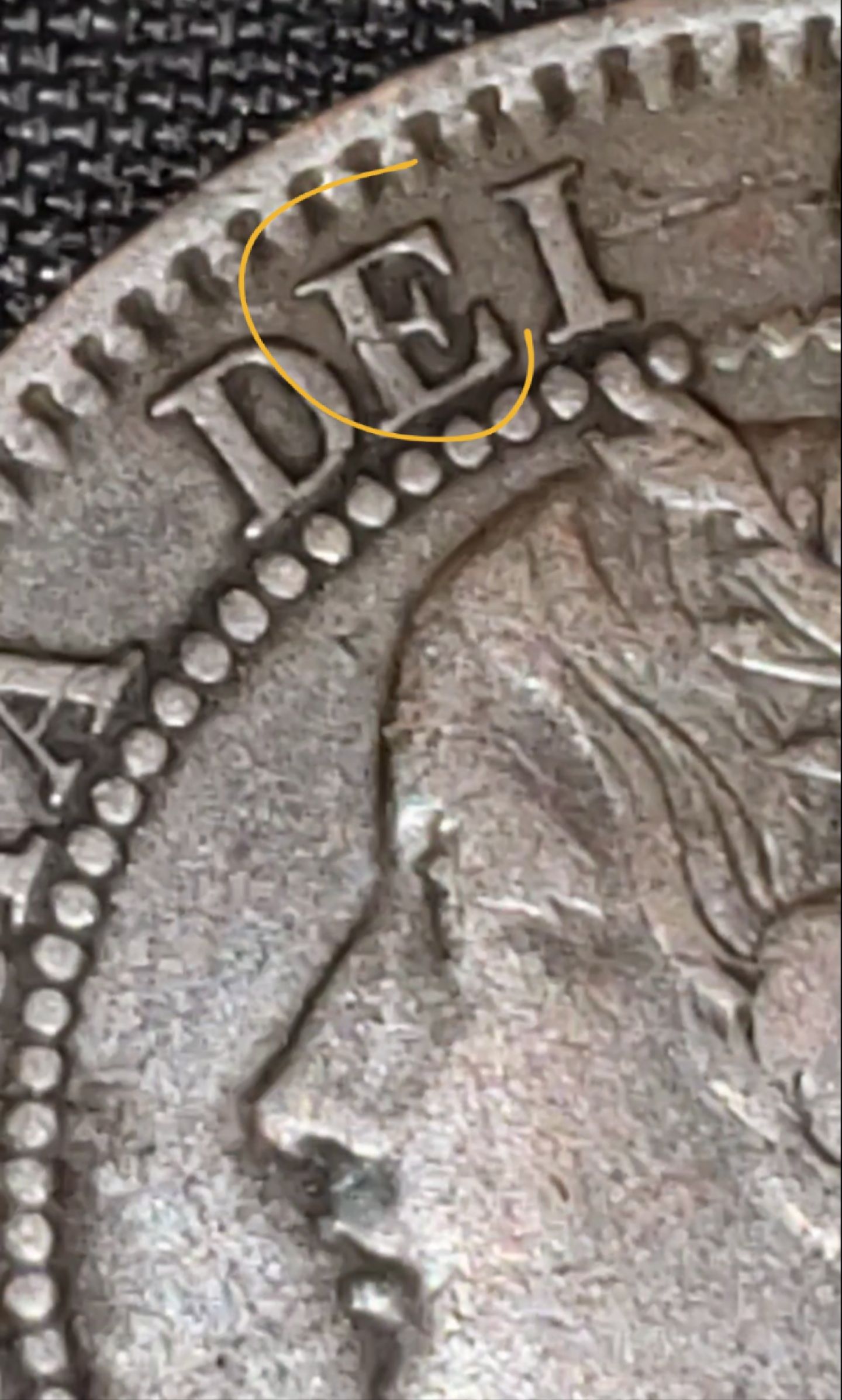
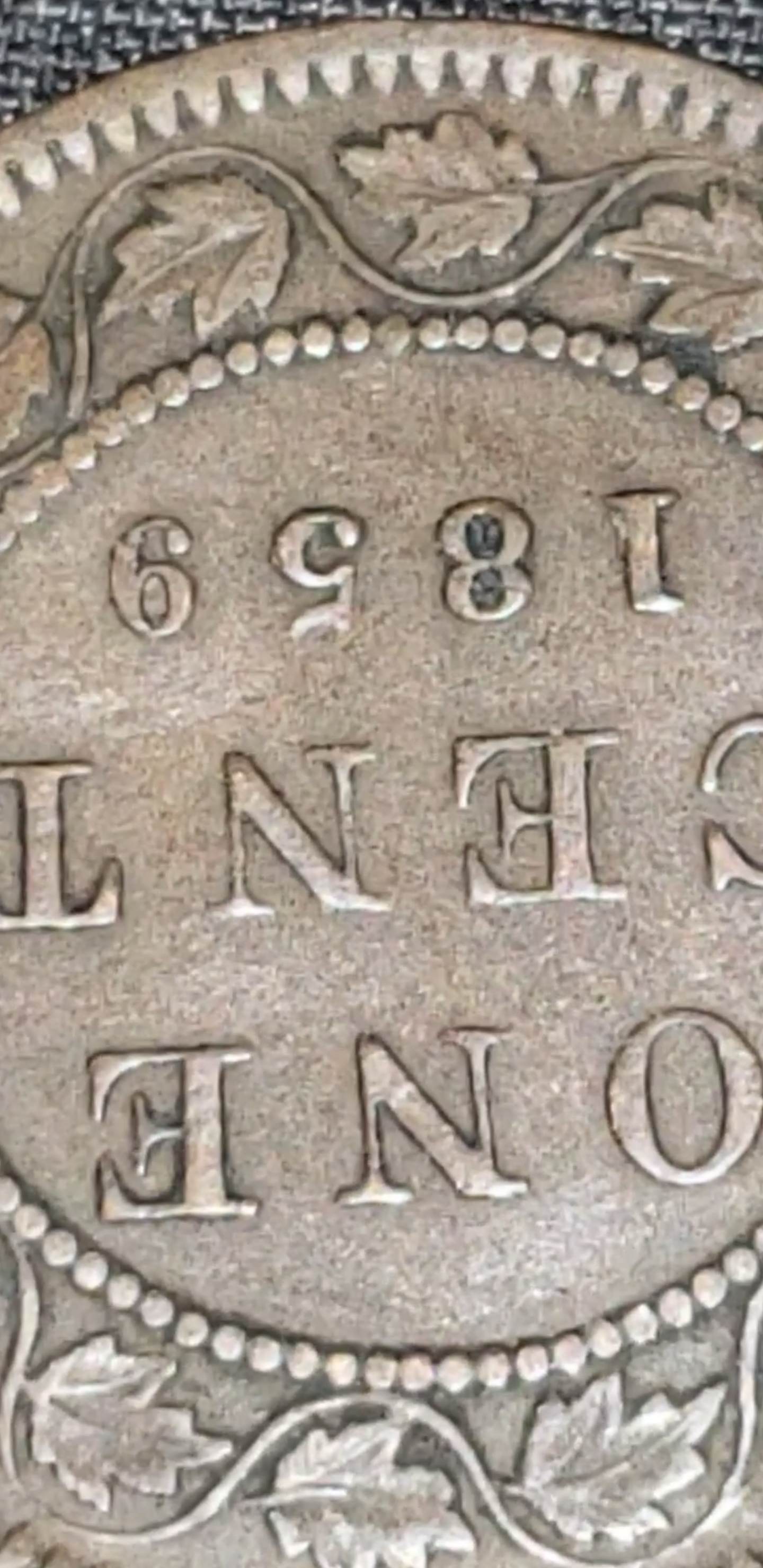
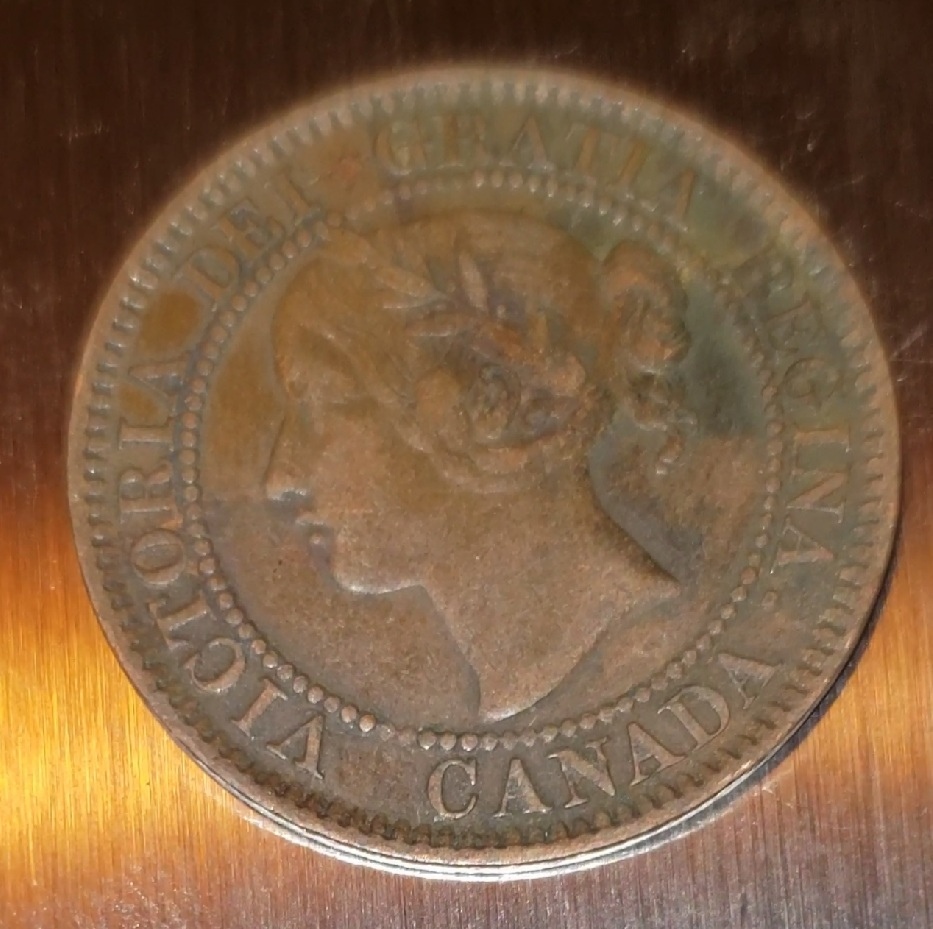
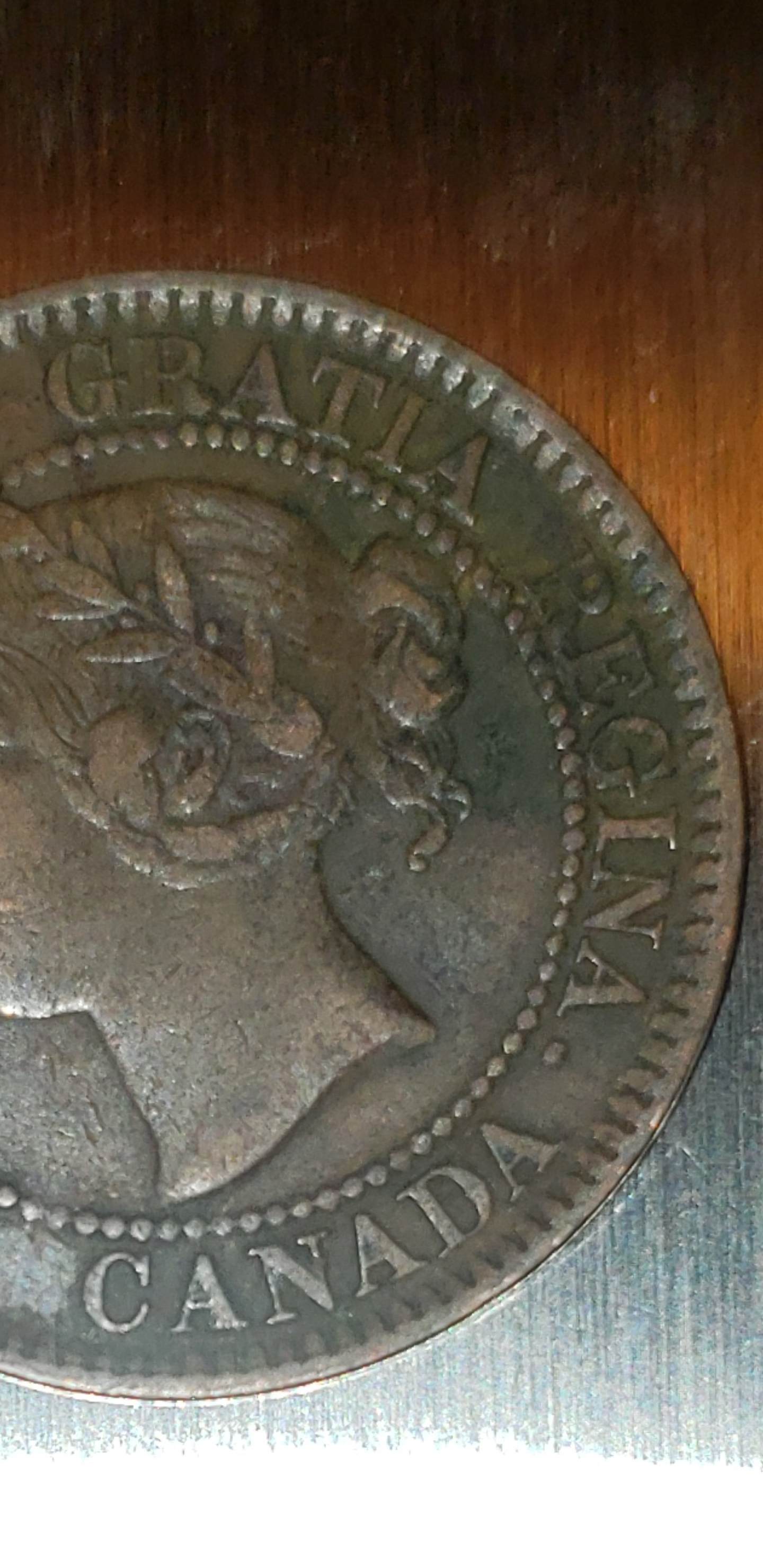
Based on your photos of the repunching of the E in DEI and the G of GRATIA, combined with your photo of the leaf 9 stem, I think your coin is Haxby die pair PC59-90 (Obverse 32 + Reverse E33). These are not errors, but markers for specific dies that were used to produce these coins. Every die that was used for 1859 cents had some hand repair work done, and what you see on your coin is evidence of that. You can look in the Haxby online catalog and compare your coin with the pages for Obverse die 32 and reverse die E33 to be sure. Here are the links to those pages. https://www.vickycents.com/obv-o32.htmlhttps://www.vickycents.com/rev-e33.htmlThere are 253 known die pairs for the 1859 Narrow 9 cents. I started my collection with 1 also.  Welcome to the forum! Edited by Phil310
06/16/2023 3:51 pm
|
|
New Member
Canada
29 Posts |
Wow awesome .Thank you for all the information!! At least now I have an idea , I was trying to use vicky cents but was over whelmed with all the different attributes and varities . Thanks again for the help.
|
|
Pillar of the Community
 Canada
5669 Posts |
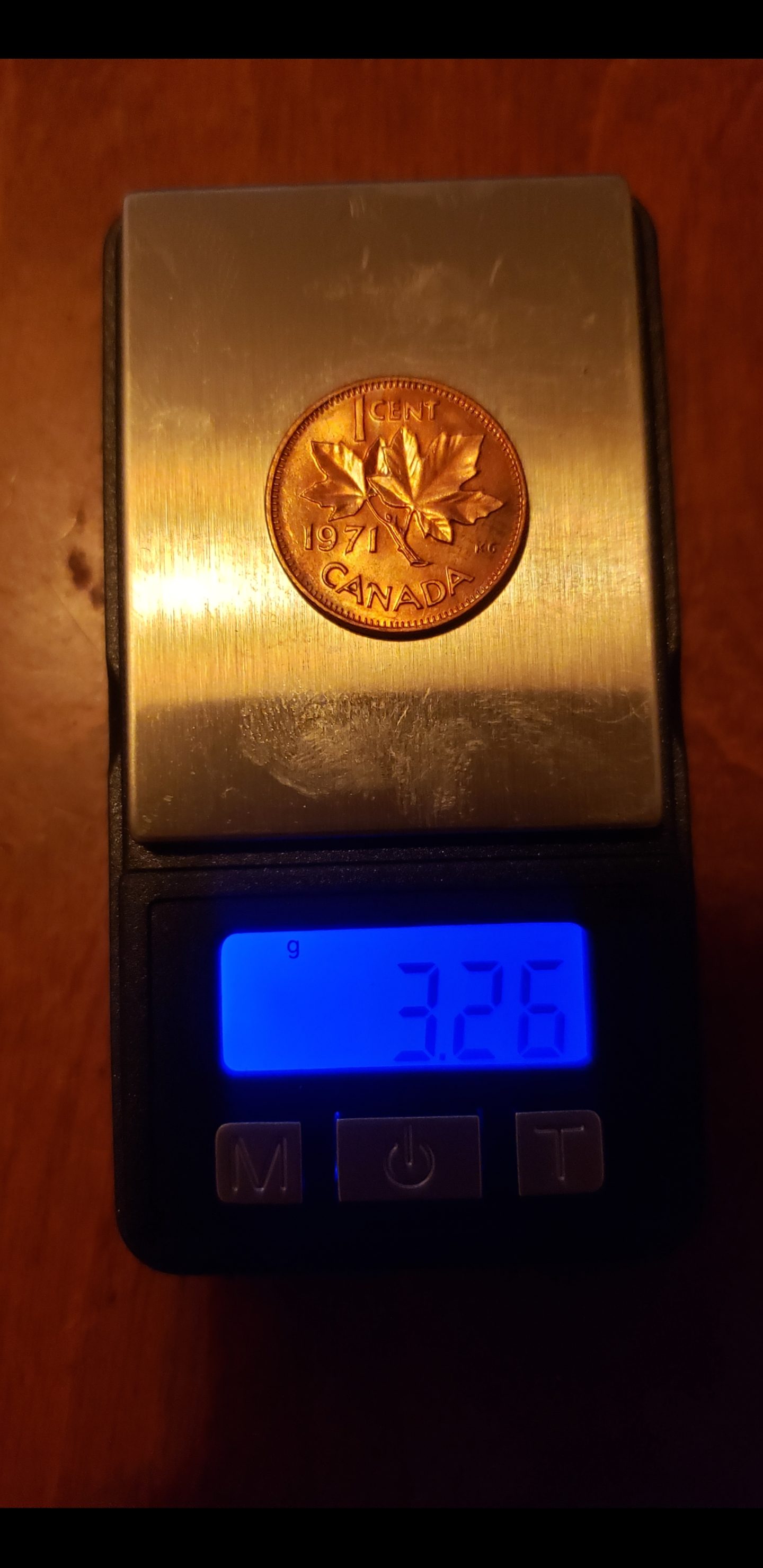
The 1858's and 9's were very thin and became thicker starting the next mintages in 1876. They were originally made to be the exact size as the Brit 1/2 penny, but people didn't like the Canadian thin coins so they reverted. They were made at 4.54g because 100 would equal a pound and could be used as a counterweight on scales. They were also 1 inch in width, so 12 of them were a foot. There were many repunched letters and tired dies for '59 so you have lots of Die Deterioration doublings, as well as repunched elements. |
|
New Member
Canada
29 Posts |
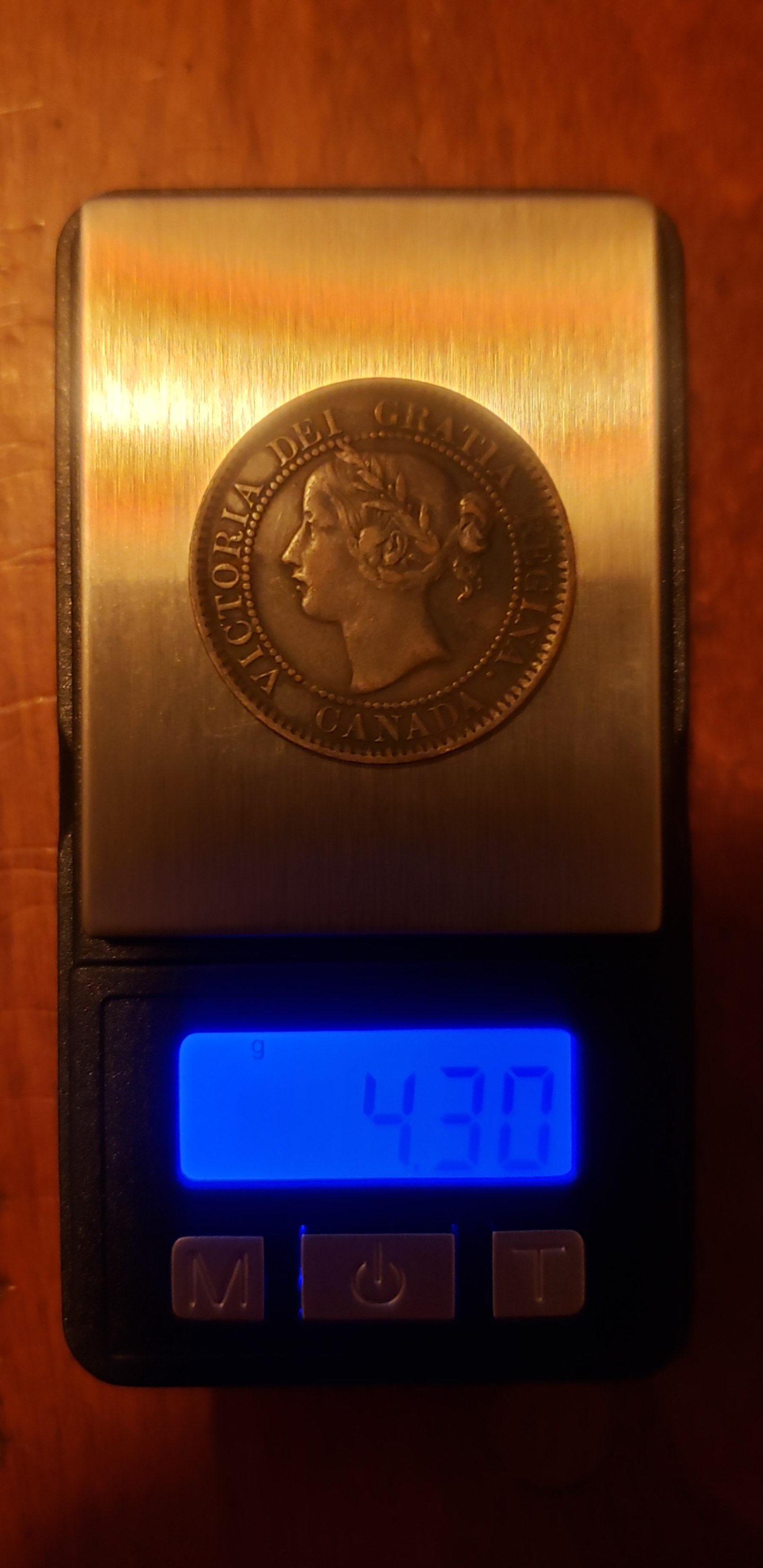
Looks like I have alot of research to do over the weekend . This coin is unbelievably interesting to me and I just scratched the surface. You guys just opened my eyes up even more to the history of this cent .but Thats what I'm confused about though why is this only 4.30 grams..it bounces between 4.29 and 4.30 on the scale ..guessing back then obviously being hand made theres plenty of discrepancies in weight .
|
|
Pillar of the Community
Canada
5669 Posts |
It should weigh 4.54g as a newly struck coin. Any wear would naturally reduce the weight and, if the planchet were a little light to start with, then that would make up the difference.
|
|
New Member
Canada
29 Posts |
So , so far from what I've gathered the only possible way to know if its brass or bronze is literally only the XRF . As color ,weight are not indicators of what the compound is right ?
|
|
Pillar of the Community
United States
1101 Posts |
Quote:
This coin is unbelievably interesting to me and I just scratched the surface. I would recommend reading Jim Haxby's introductory article in the 1859 catalog. https://www.vickycents.com/prime.htmlIt will give you a better understanding of how these coins were made and what to look for when trying to attribute a coin to a specific die pair. Also there is a youtube video about how to use the Haxby 1859 catalog which may be helpful. A member of the forum did the video. Here is a link to that thread about the video. http://goccf.com/t/387793&SearchTerms=haxbyHave fun! |
|
New Member
Canada
29 Posts |
|
|
New Member
Canada
29 Posts |
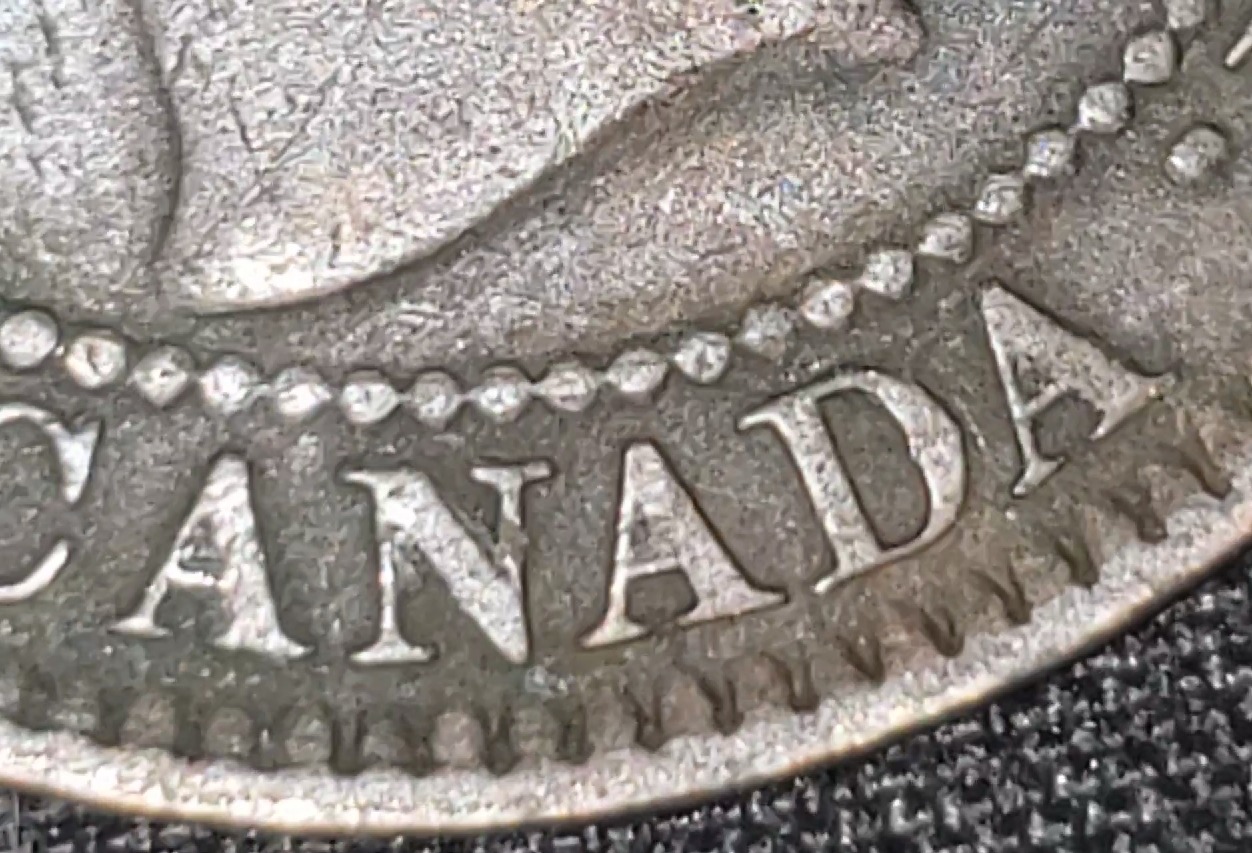
Here's a shot of the G . Small split 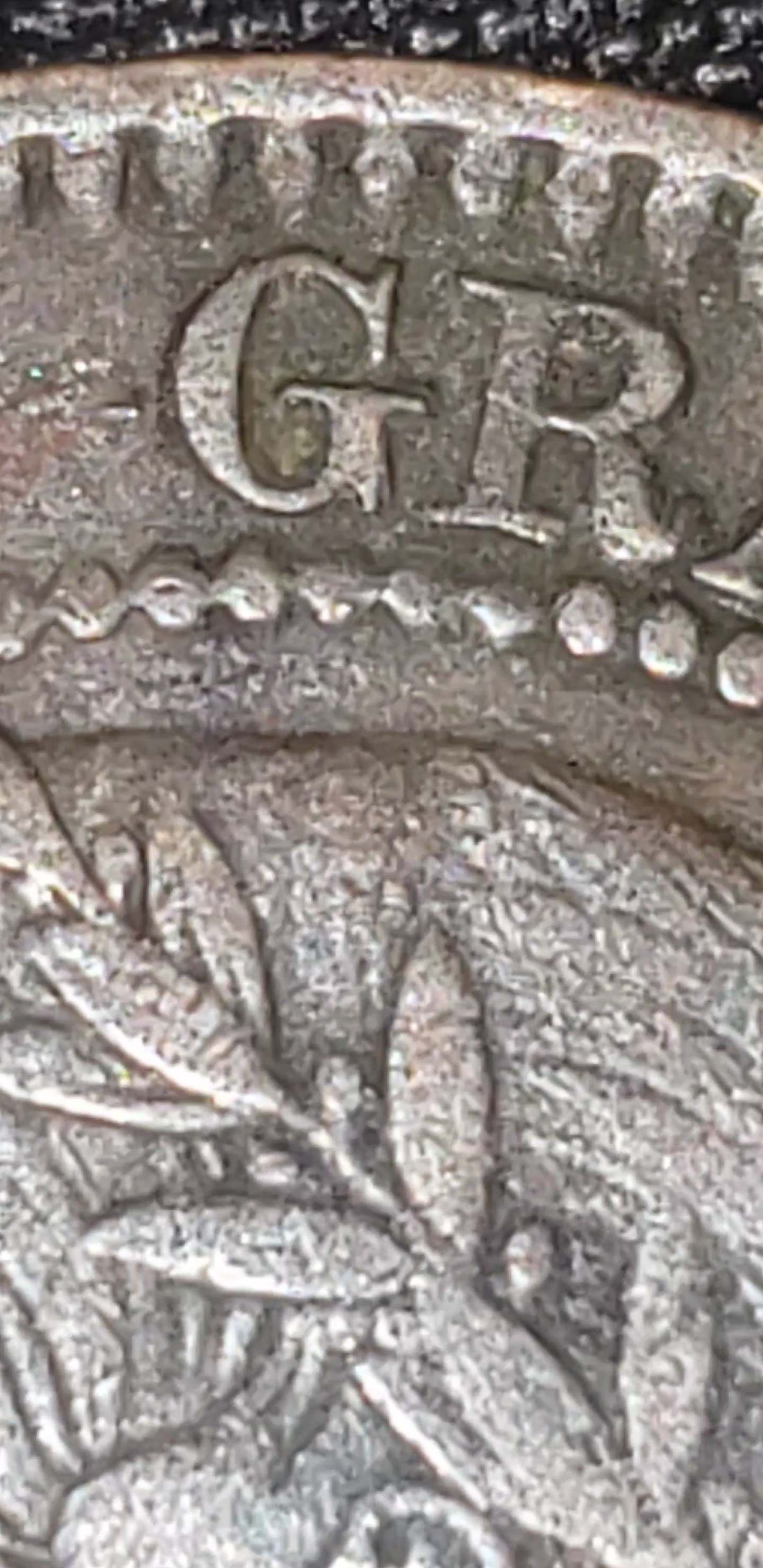 |
|
Pillar of the Community
Canada
847 Posts |
Back up there newcollector. Did you not read Phil 310's reponse ? He gave you the information you are asking again, and put two links which show your die pairs and what makes it that number. All your errors and info for your coin is on those two links.
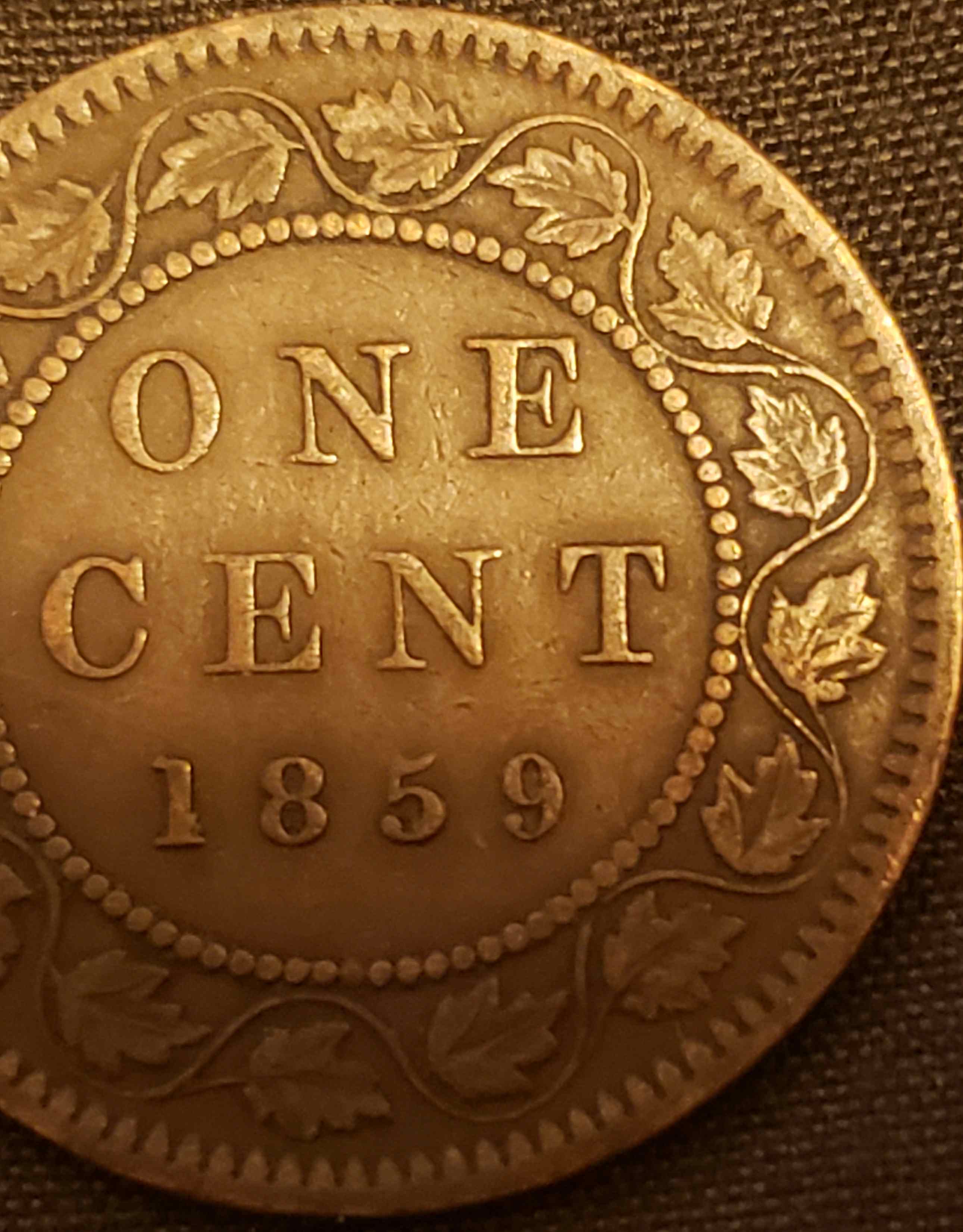
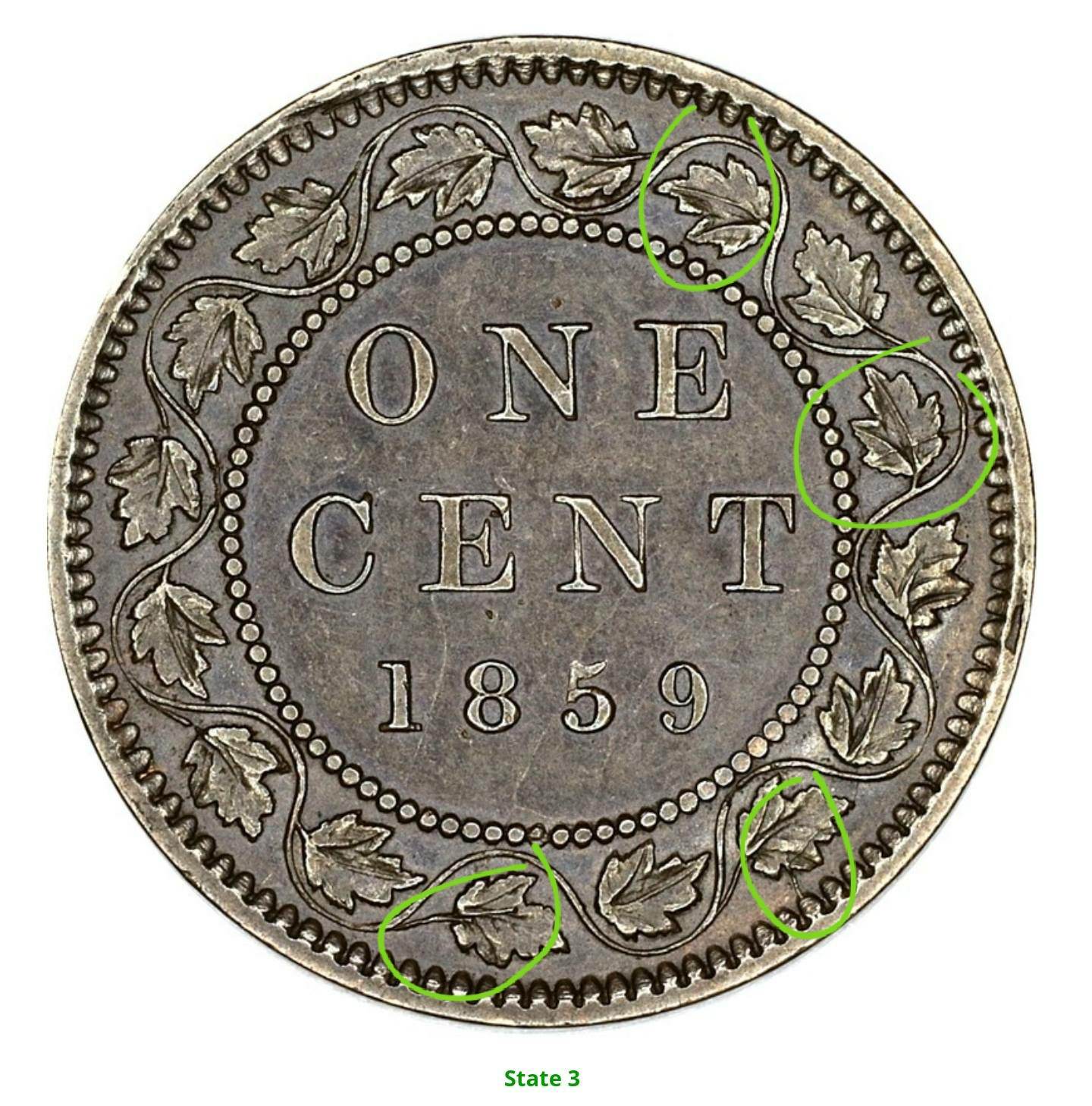
When looking up a # on the vickycents site, the easiest starting point is by die cracks. Your coin reverse has a crack at leaf 7 (starting at the top and counting clockwise). Click on ID my coin, then reverse markers. On the image that comes up, click leaf 7 then look for the image that exactly matches yours and click on it. On that page, check leaf 9 to see if it matches yours. At the top of the page it will tell you what obverses to check to find the pair.
Edited by TerryT
06/17/2023 02:06 am
|
|
New Member
Canada
29 Posts |
I tried that. And yes I saw his response but realized it wasn't it because of that leaf 7 with the die crack..is Rev G1 , but I'm having difficulty matching the obverse, none of those pairs listed that I can see pair up with the G1 reverse . That's I asked for help. 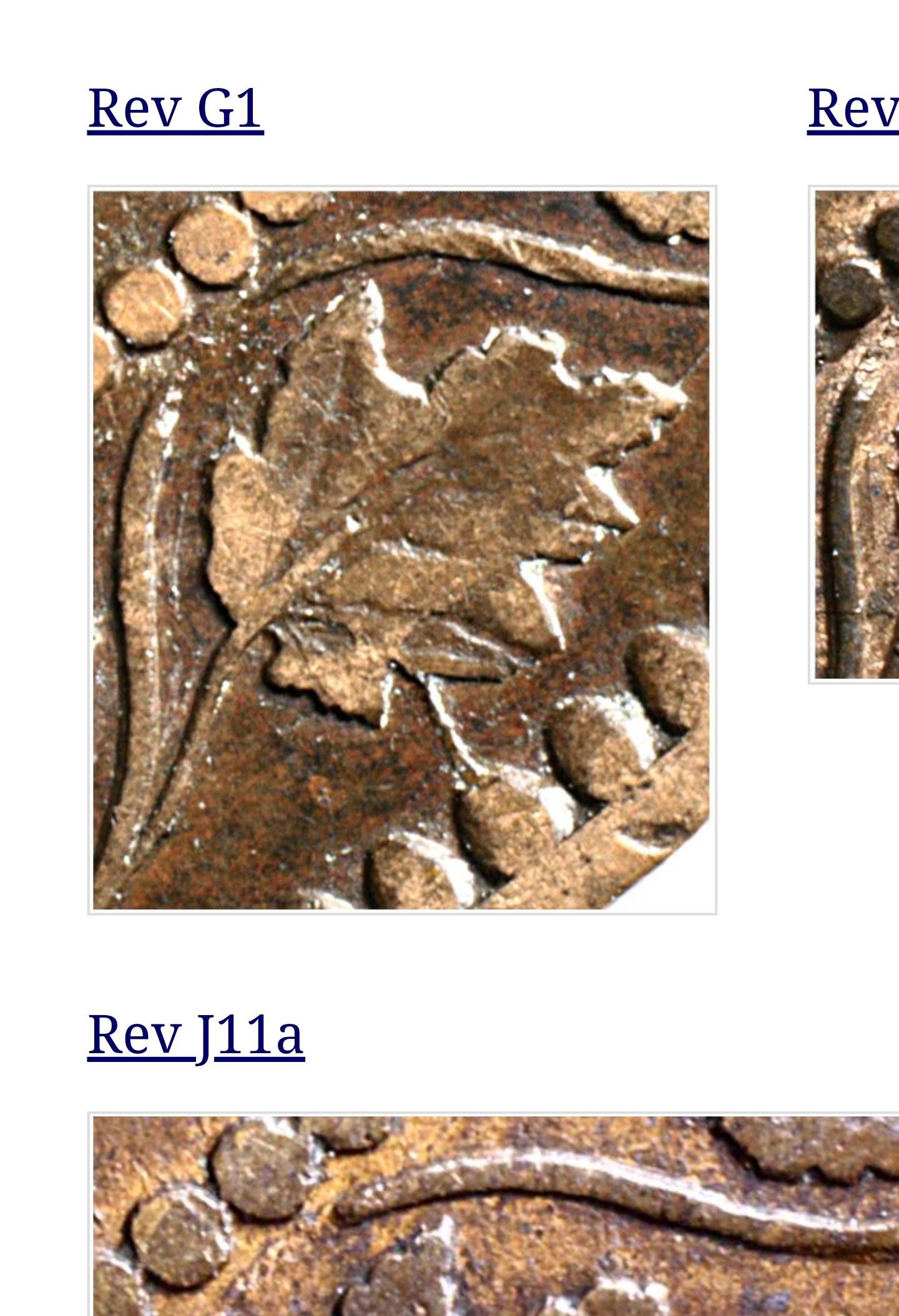 |
|
Pillar of the Community
Canada
5669 Posts |
I don't think G1. If you can't find your coin using D/C's (sometimes you have to just look at the chart that says there's a crack there in a certain die state), since there's not a photo of every crack, then try to ID from the Obverse initially. You have some nice repunched letters in Gratia and maybe Regina. Phil, above, gave you good info.
|
|
Pillar of the Community
United States
1101 Posts |
Although the die crack at leaf 7 looks like the one on the G1 reverse, your coin is not reverse G1. It is Reverse E33 which has an almost identical die crack at leaf 7. I noticed that under the listing of die cracks at leaf 7, the catalog does not show a photo of reverse E33. That is an oversight which we will correct.
Given that two different reverses can have very similar die cracks, you can not use a single marker. You have to take the coin as a whole and look at every marker on both sides to attribute it. For instance, all G group reverses will have a gap in the vine above loop 2. Your coin does not show that gap. Always look at the stem to leaf 9. The stem on your coin matches E33, but not G1.
It takes a while to get used to all the markers to look for when attributing 1859's and I admit it can be a little difficult at first, but don't give up. You'll get more familiar with them in time. Learning the differences in the reverse groups will help a lot.
|
|
New Member
Canada
29 Posts |
|
| |
Replies: 23 / Views: 4,140 |









 Posted 06/16/2023 3:45 pm