| Author |
 Replies: 24 / Views: 2,016 Replies: 24 / Views: 2,016 |
|
New Member
United States
43 Posts |
The edge of the coin looks copper. Composition is supposed to be Manganese so maybe that is it. However the front and back of the coin is not Gold. It is all washed out as one can see here. both of these coins came out of a new roll. Please advise 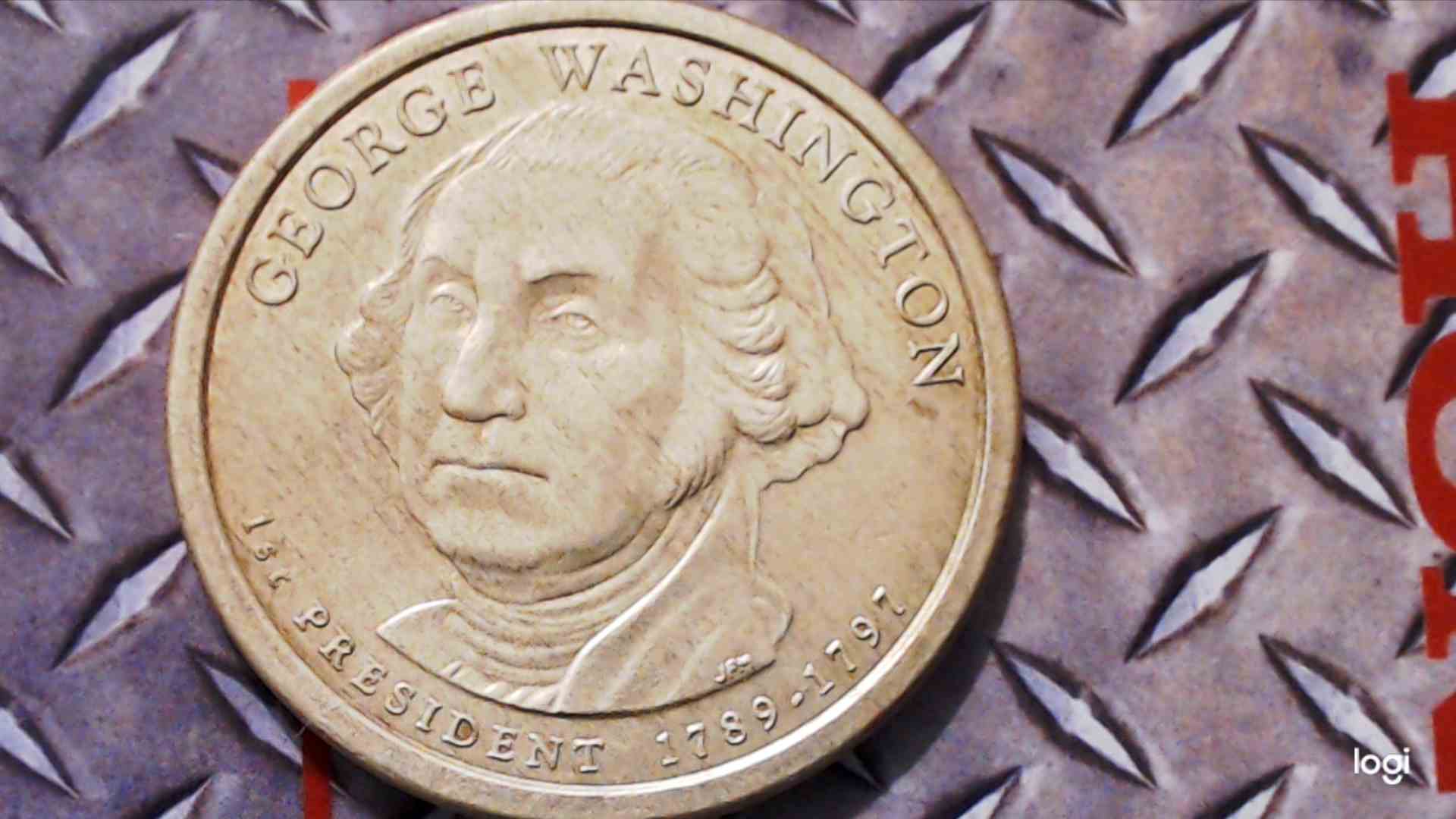 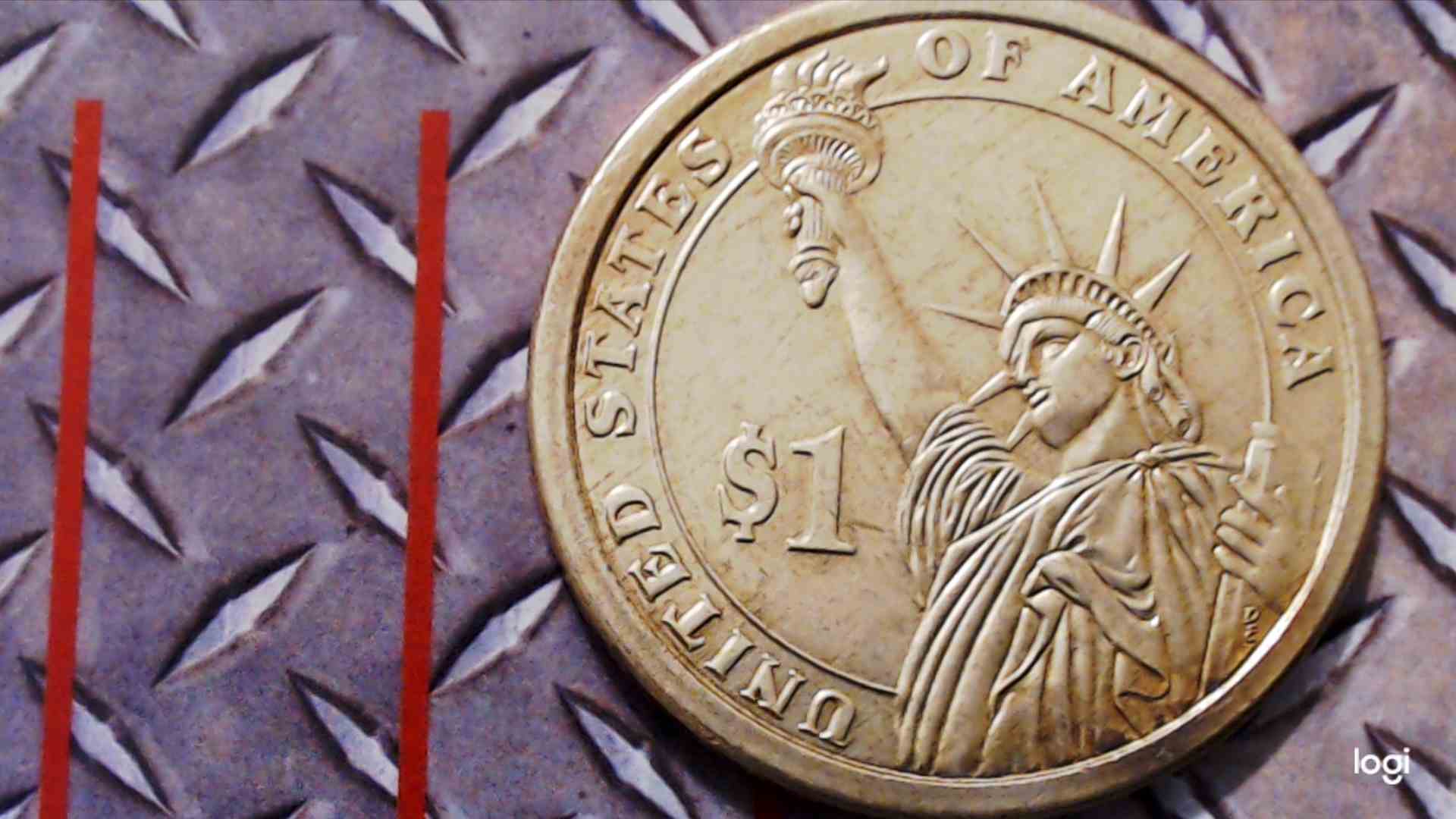 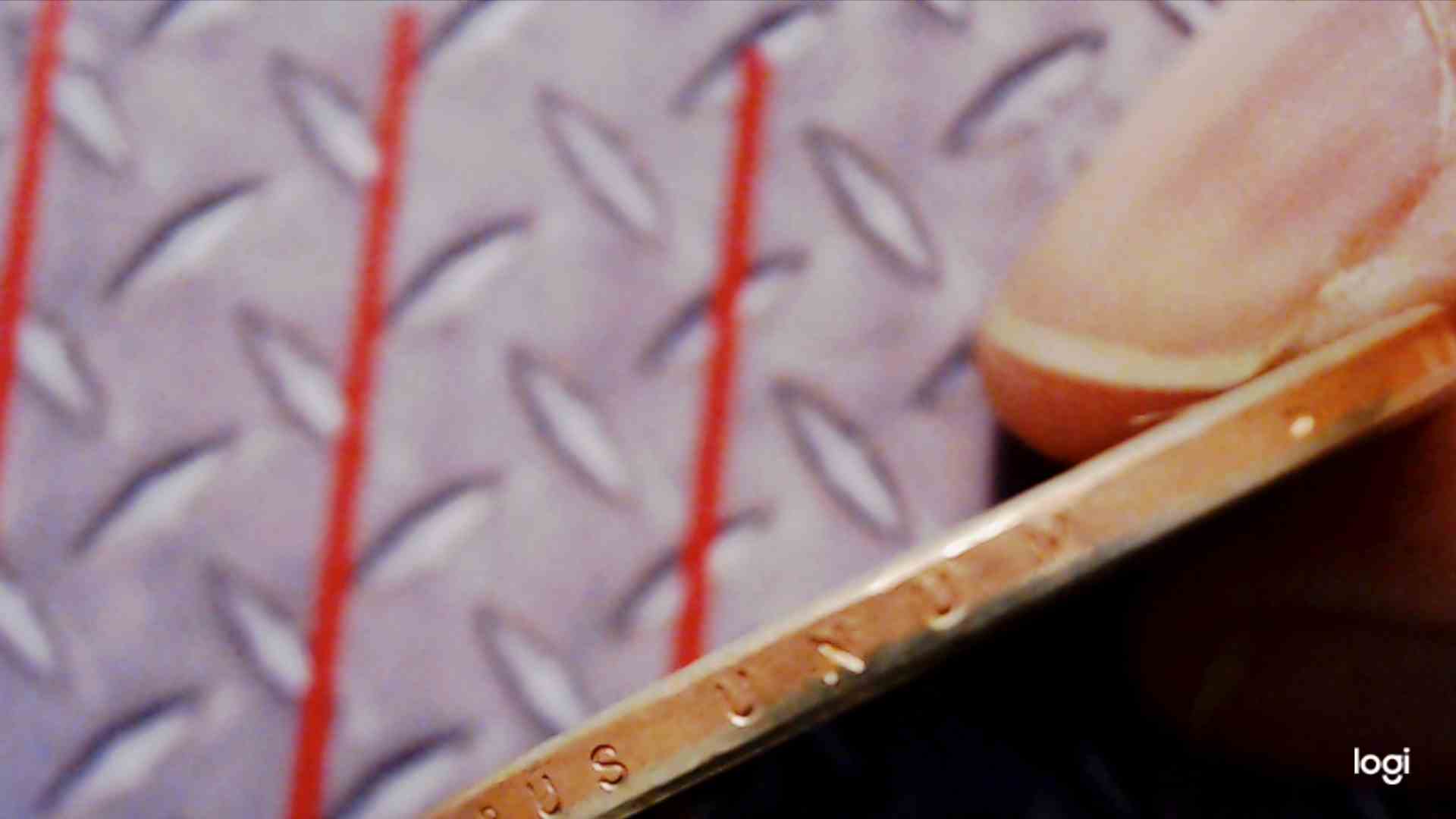 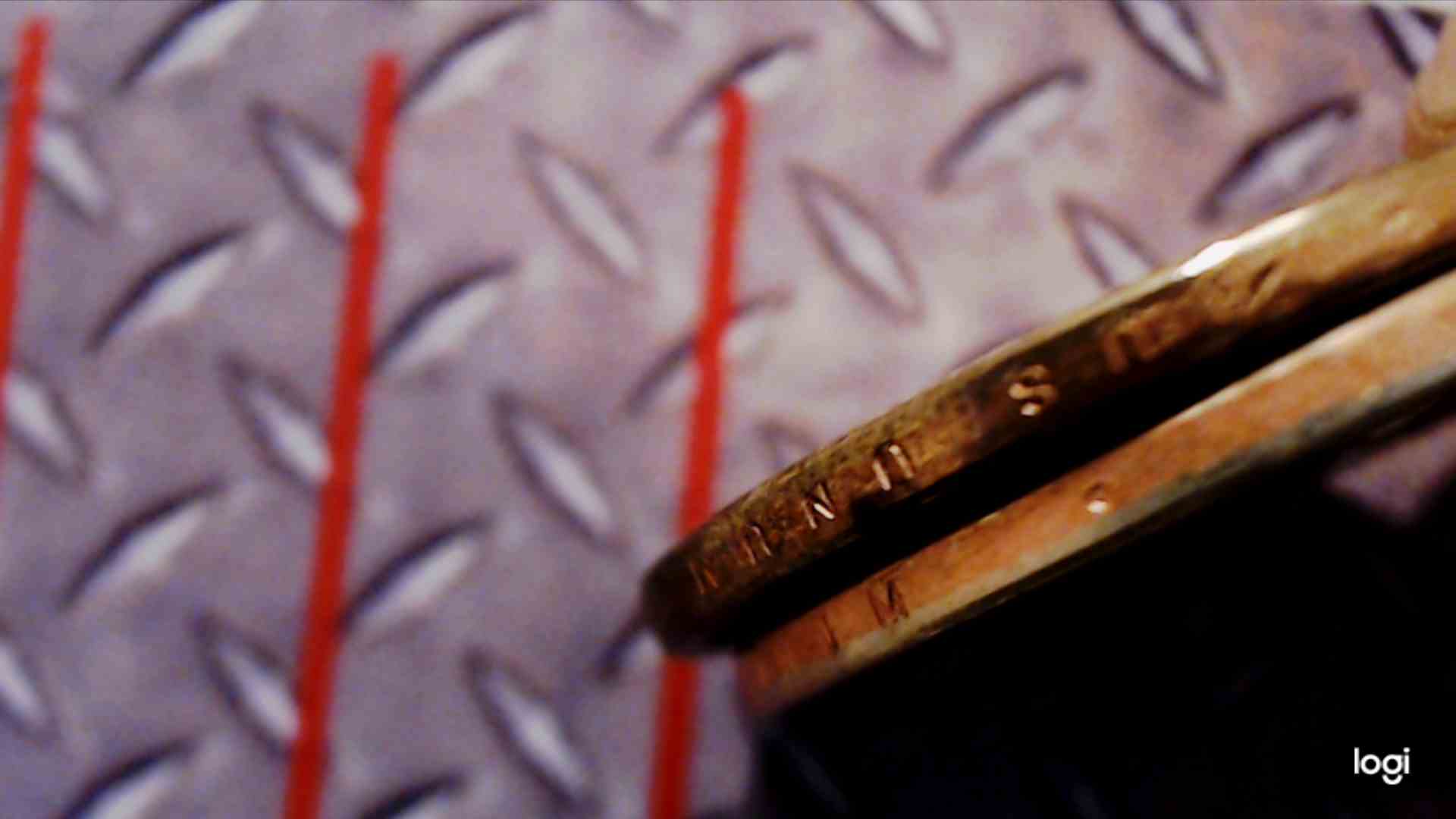 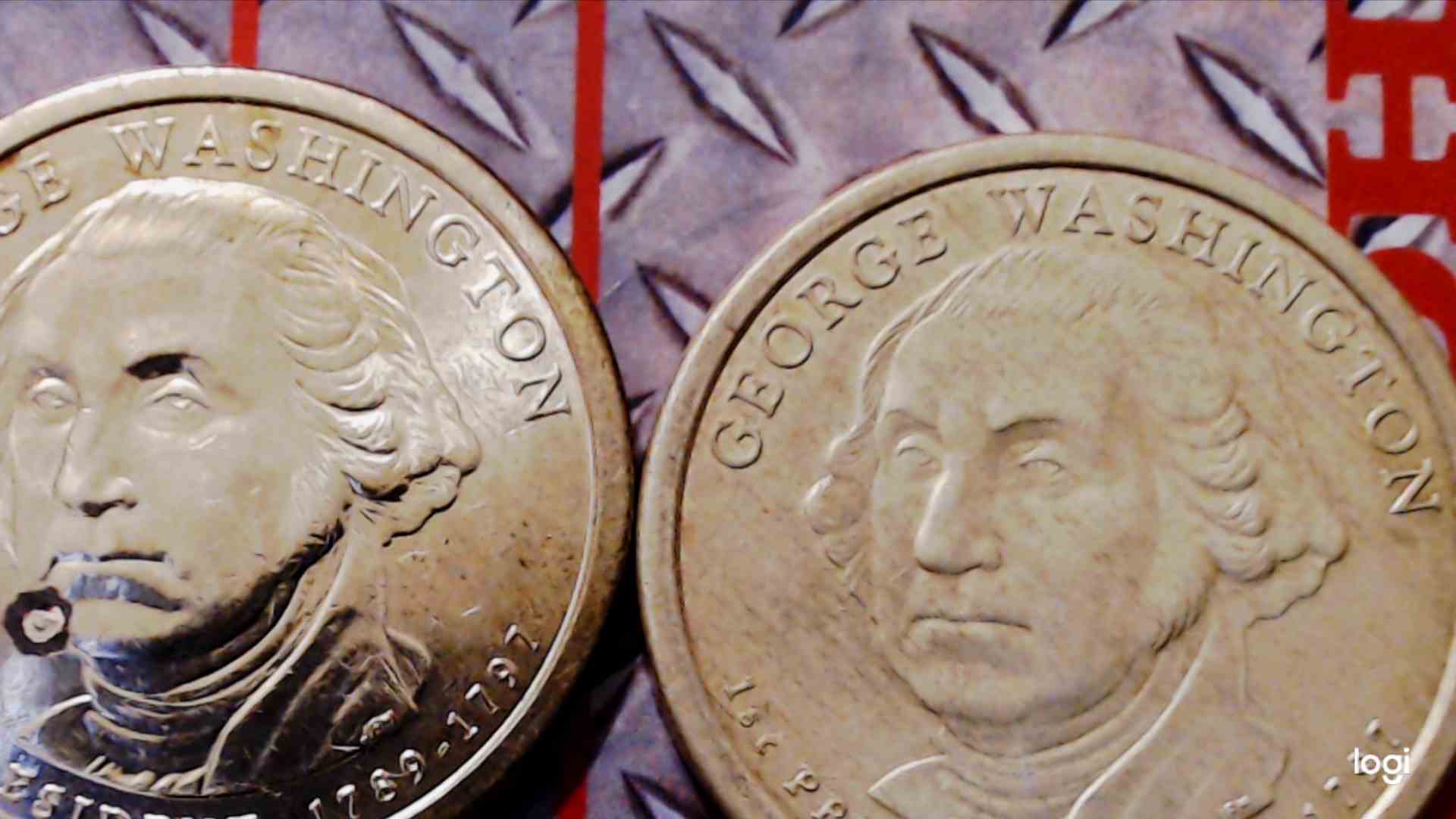 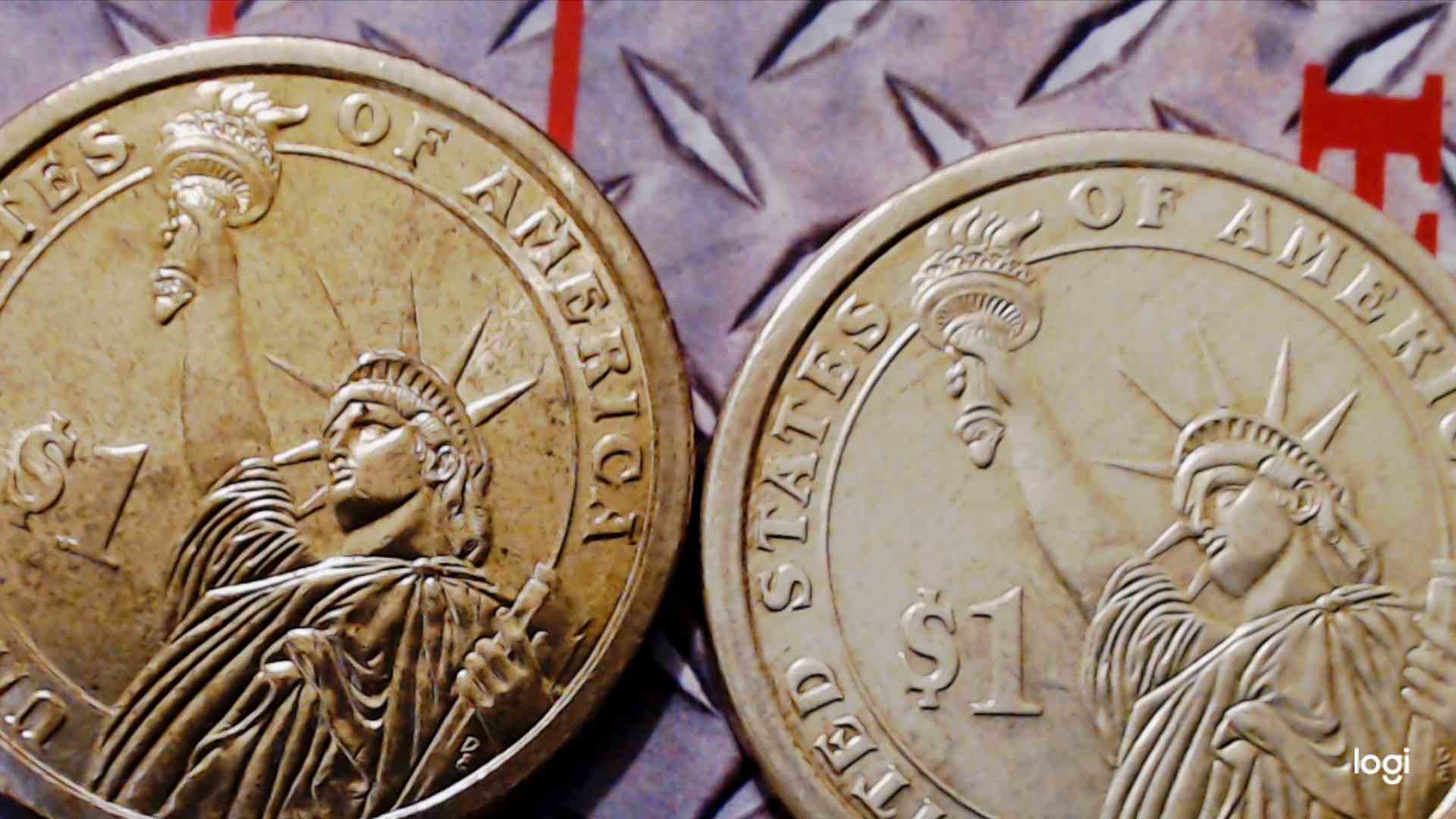 |
|
|
|
Moderator
 United States
34539 Posts |
In general color isn't a great indicator of something different. What is the weight?
"If you climb a good tree, you get a push."
-----Ghanaian proverb
"The danger we all now face is distinguishing between what is authentic and what is performed."
-----King Adz
|
|
Moderator
United States
56855 Posts |
 Edge is normal because it is a clad coin. Obverse and reverse is probably just environmental damage. John1  Edited by John1
07/05/2023 08:39 am
|
|
Moderator
United States
105793 Posts |
The composition of these dollars are:
Content:88.5% copper, 6% zinc, 3.5% manganese, 2% nickel
(very low amount of manganese in them)
In your other post of the dollar with the black spot on it (also shown above) you stated it was zinc. in both cases the majority of metal is copper.
|
|
Bedrock of the Community
United States
19534 Posts |
Yes, I'm thinking exposure to environmental agents have influenced surface color/toning.
|
|
New Member
 United States
43 Posts |
I will have to buy a scale.
This coin was out of a new roll in 2007 so no damage. Just sitting in my box of coins for years. In fact I still have some of the roll in opened.
|
|
Moderator
United States
105793 Posts |
Just because the coins are in the same roll, it does not mean that the coin were made from the same batch of metal. once they are struck, they fall into a very large bin. This coin could have been exposed to something at the mint while it was waiting to get rolled up. each coin will tone out differently (no 2 will ever be identical) depending on the mix of the batch and the environment it sat in will determine it final look once it starts to get its patina.
|
|
Pillar of the Community
United States
7174 Posts |
to the CCF Correct me if I'm wrong but Presidental dollars are composition not clad. These sure look like clad to me. Wait for more answers from other members. |
|
Pillar of the Community
United States
7174 Posts |
|
|
Moderator
United States
105793 Posts |
Looking at coin facts from this site, it leads me to think that they are a composite coin not clad. (there is no mention of a copper core)
|
|
Pillar of the Community
United States
7174 Posts |
That's my point. If these are clad, they are worth big bucks. The edge pics look like they are clad.
Edited by Cujohn
07/06/2023 4:11 pm
|
|
Moderator
United States
194968 Posts |
Quote:
That's my point. If these are clad, they are worth big bucks... To be clear, you meant standard cupro-nickel clad (75% copper, 25% nickel cladding on pure copper core). Quote:
...The edge pics look like they are clad. These small dollars are clad. They have the same pure copper core, but use a manganese brass cladding instead of cupro-nickel. Quote:
Looking at coin facts from this site, it leads me to think that they are a composite coin not clad. The Sacagawea page is correct... Cladding: 77% copper, 12% zinc, 7% manganese, 4% nickel Core: 100% copper I have asked Bobby to fix the other two (Presidential and Innovation). |
|
Pillar of the Community
United States
7174 Posts |
No, something is screwy. This sites coin facts says 2007 are clad, then they changed to composite. Everywhere else I see is that they are all composite. Someone is wrong. Composite is 88.5% copper, 6%zinc, 3.5% mag, 2% nickel
Edited by Cujohn
07/06/2023 9:57 pm
|
|
Moderator
United States
105793 Posts |
I agree with John, 2007 are clad and 2008 onwards are composite According to the Coin facts for this Presidential dollar series. |
|
New Member
United States
43 Posts |
So, if these are clad then whats makes that coin all washed out?
Also, still need to get scale.
|
|
Pillar of the Community
United States
681 Posts |
|
| |
Replies: 24 / Views: 2,016 |










 Posted 07/05/2023 07:56 am


