| Author |
 Replies: 31 / Views: 2,308 Replies: 31 / Views: 2,308 |
|
Pillar of the Community
United States
6976 Posts |
I found this 2011-D Jefferson nickel while CRH last week. It exhibits a massive phenomenon on the reverse. There is a considerable spread on the word Monticello, Five Cents, and United States of America. While the doubling has a ghosty quality reminiscent of MD, I have yet to see MD in different directions on the devices. All the doubling is converging towards approximately the center of the coin. Also unlike MD, all the ghosts are additive. If you took the ghosts away, the devices would be the correct proportions. The E's in Five, Cents, and United are of specific note, because you can clearly see that the ghosts are separated from the letter and have clearly formed serifs of their own. However, it might be possible to make a case for MD because there is also ghosting on the obverse for Liberty, 2011, and the D mint mark. Again, separated and additive. But if there is a true doubling phenomenon at work here, it seems strange that it would happen on both the obverse and the reverse simultaneously. The top of the coin does not seem to exhibit anything unusual. Neither In God We Trust on the obverse or E Pluribus Unum on the reverse looks altered. I believe that DDD can be rimward or center-stretching, except that none of the devices look deteriorated. So I have a tough time determining what is happening to this coin. I think it's quite possible this is Class IX doubling, but unfortunately CONECA is the main resource for examples and their nickel reference site is down for maintenance. There seem to be a lot of sites that discuss Class IX single squeeze doubling with words, and yet very few reference pictures. In advance, I know that this post contains a lot of images. There isn't really a good way to show the center stretching ghosts of all the lower reverse devices without photographing them individually. So please bear with me. 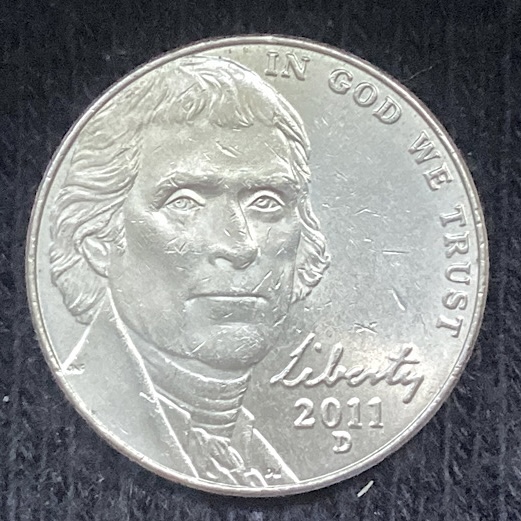 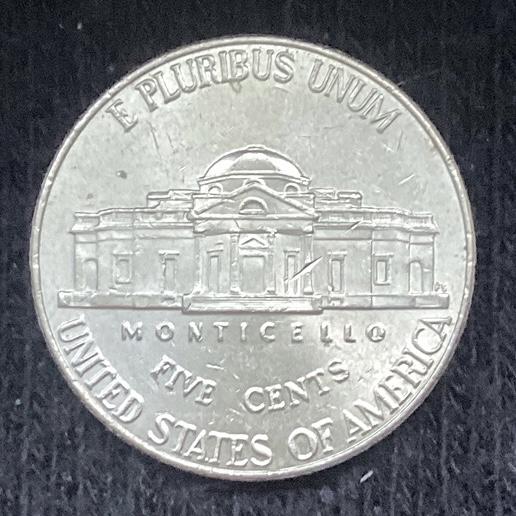  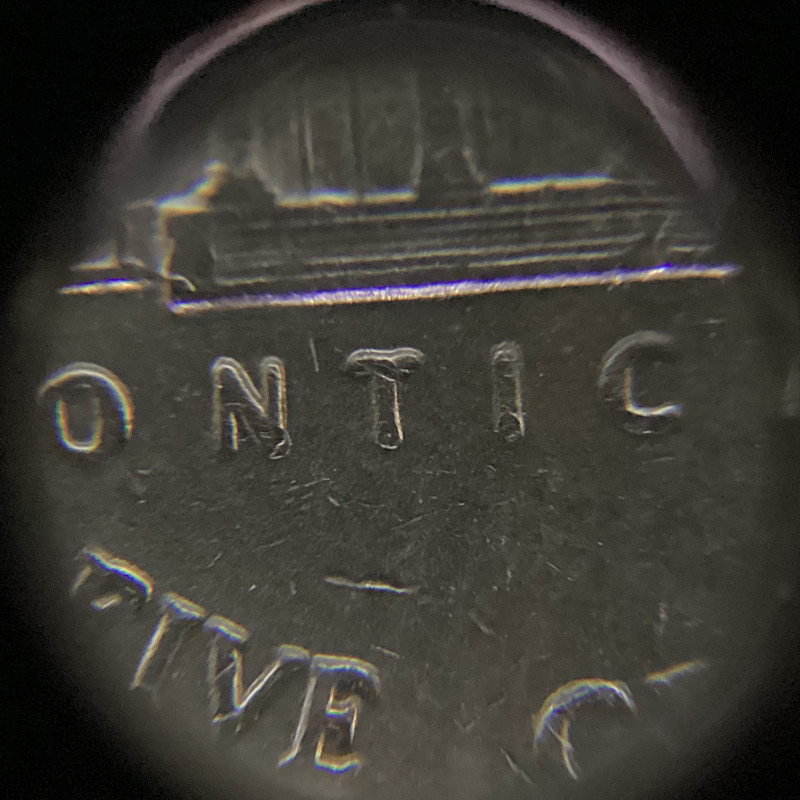 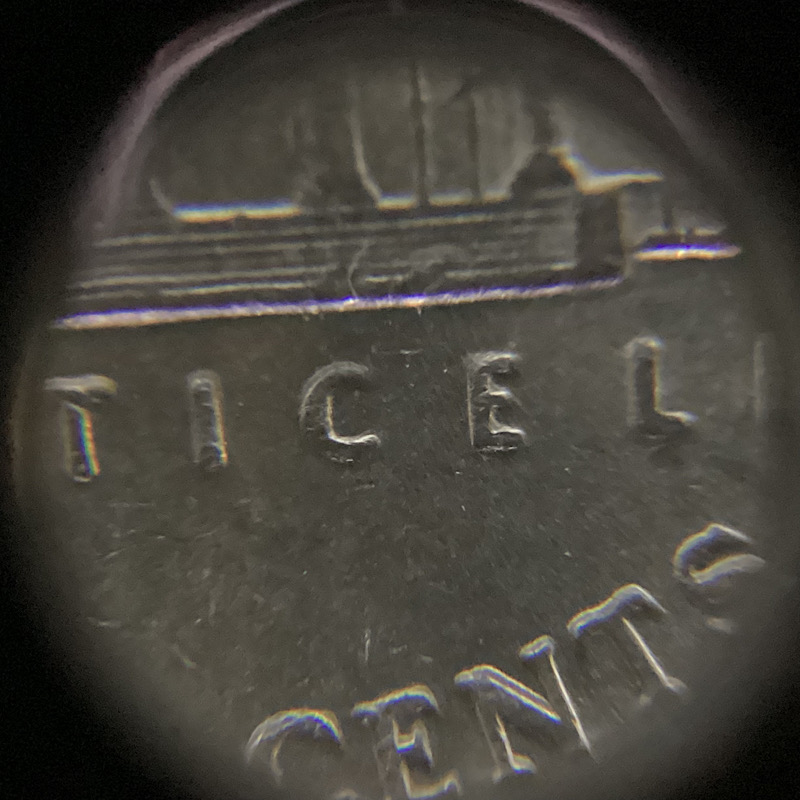  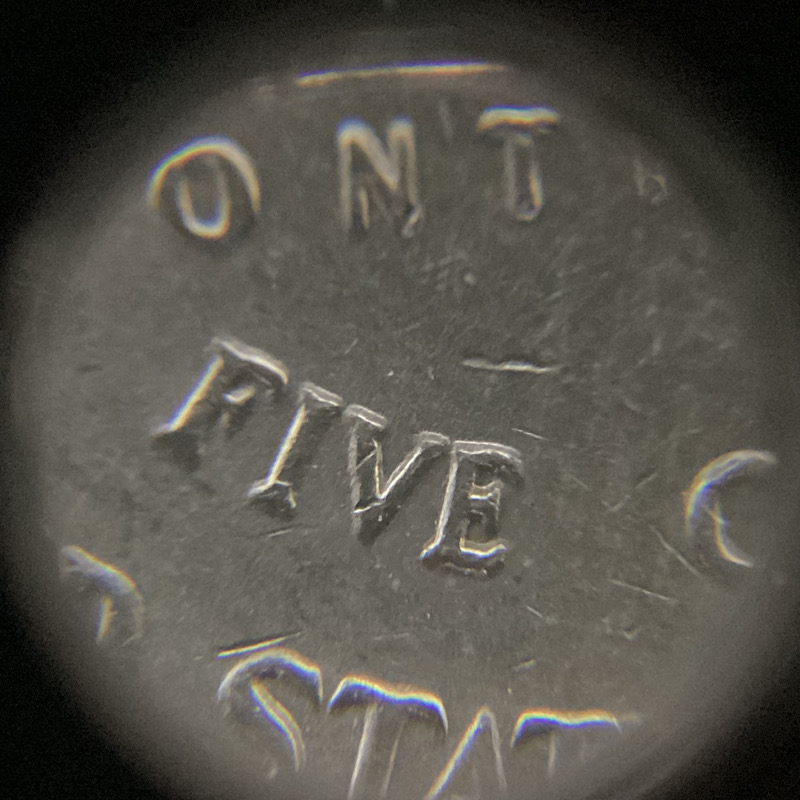 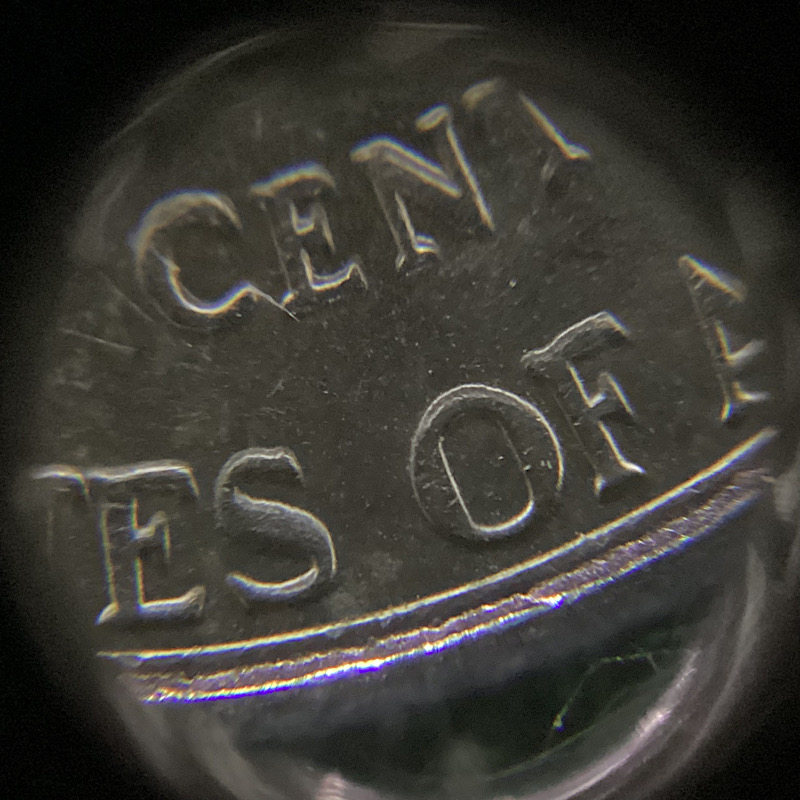 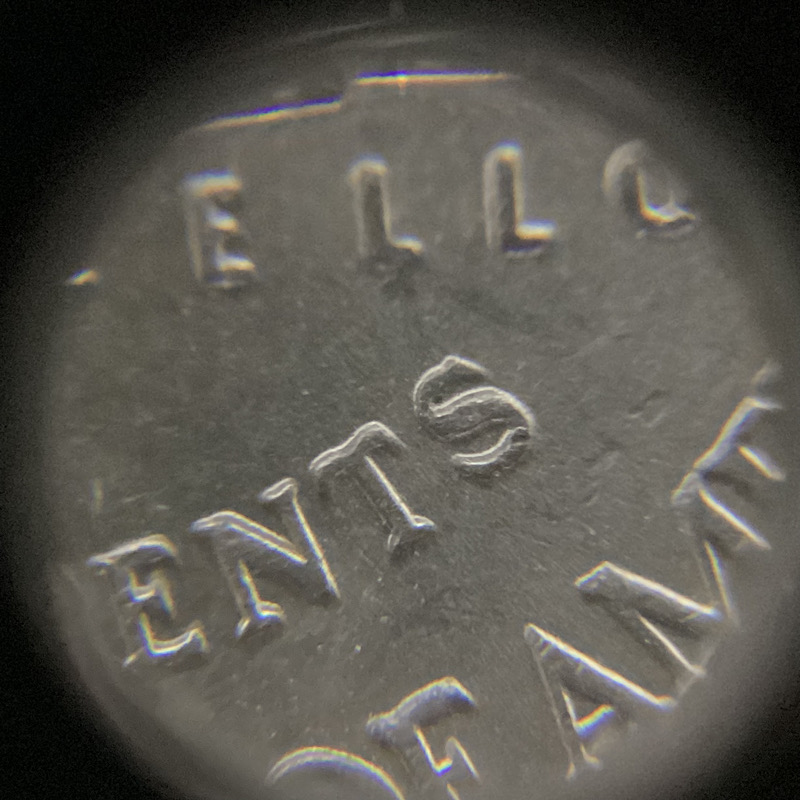 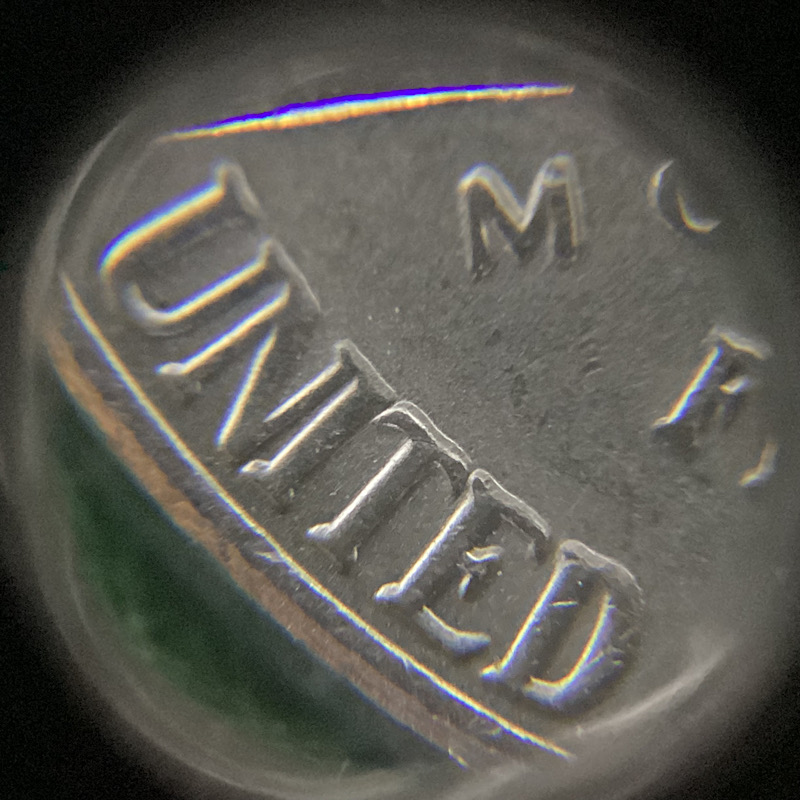 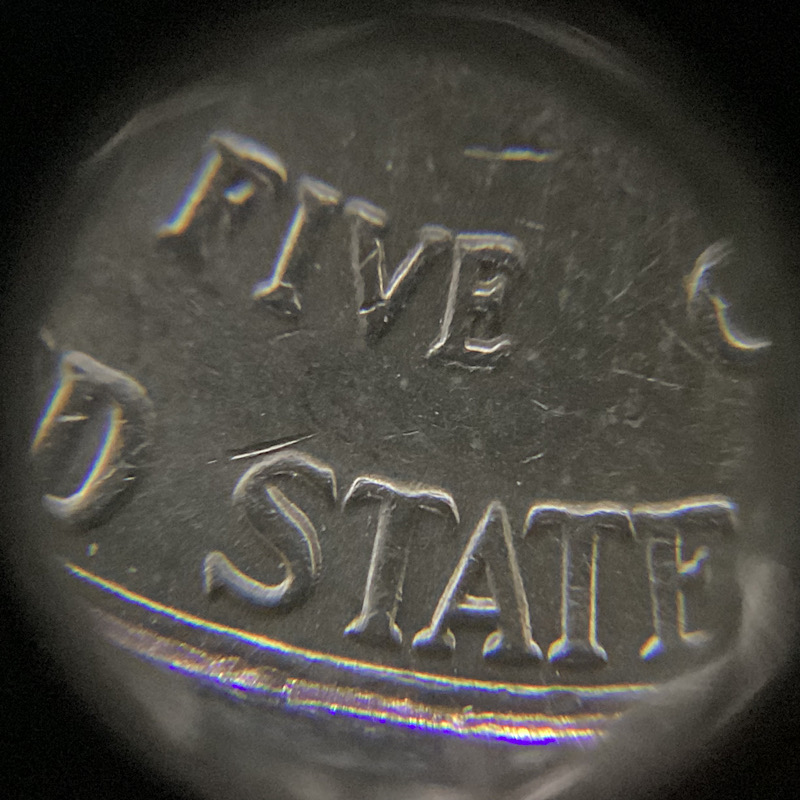 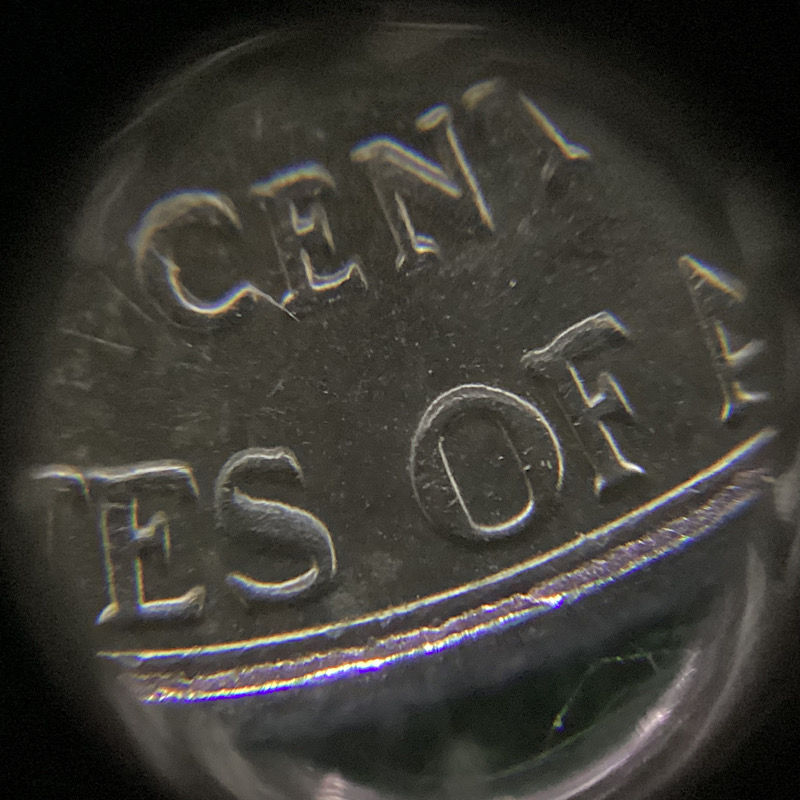 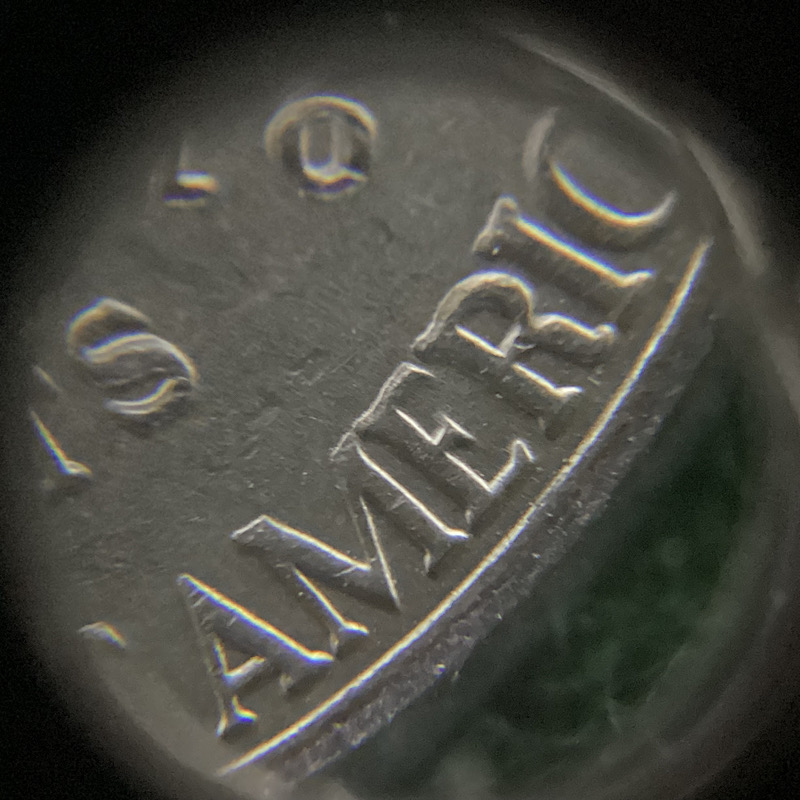 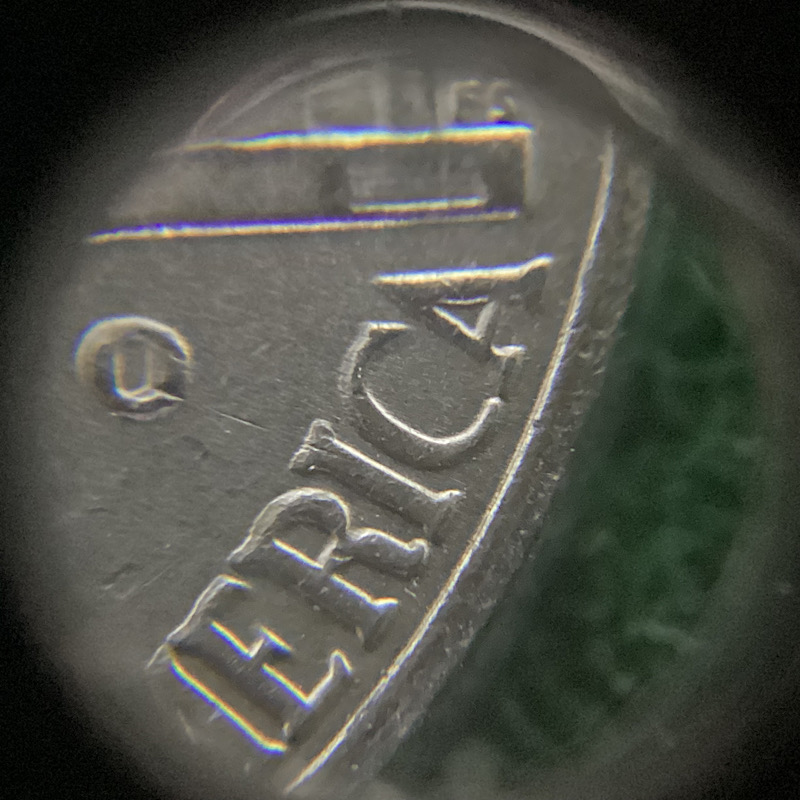 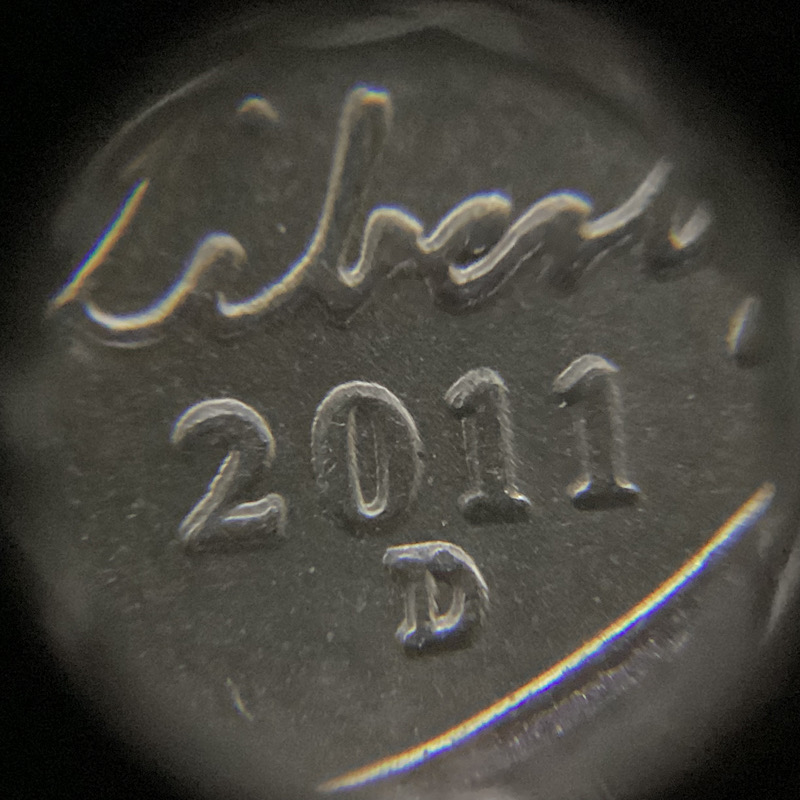 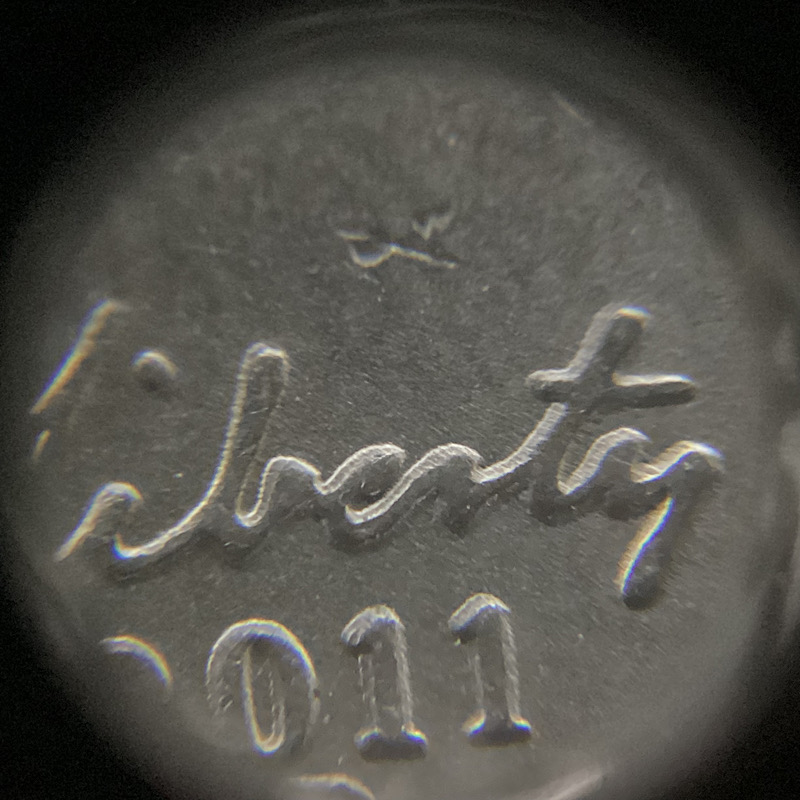 |
|
|
|
Moderator
 United States
56855 Posts |
Way too many photos. Pics could be a bit better but looks like MD. John1  |
|
Bedrock of the Community
United States
80569 Posts |
|
|
Moderator
United States
110474 Posts |
I never concerned myself to which type of MD a coin has - MD is MD and does not add value to a coin.  This coin displays MD, simple. |
|
Moderator
United States
34575 Posts |
@brand yes you are putting in way more thought to MD than I have previously either. It is good though to understand how the minting process works, so I applaud your efforts to learn.
"If you climb a good tree, you get a push."
-----Ghanaian proverb
"The danger we all now face is distinguishing between what is authentic and what is performed."
-----King Adz
|
|
Pillar of the Community
 United States
6976 Posts |
It's fine to conclude that this is Machine Doubling. However, this does not conform to the demonstrated examples on ErrorRef.com, coop's guide, or the CONECA white paper on die vs. Strike Doubling. Examples of Machine Doubling tend to be uni-directional. This isn't slide doubling because no devices are smeared; I doubt this is push doubling because it isn't subtractive. The metal of the ghost doesn't seem to come from the device, it seems to come from the field, suggesting that it could possibly be something on the die. None of the Machine Doubling articles that I have yet encountered—and I have sought out quite a number over the past few weeks—would explain how some of those letters have a separate ghost with complete bends and serifs that are detached from the parent device. I would like you guys to explain in detail the difference between my images and the following entries: Brian / Wexler 2023-P 5¢ WDDR-001 (Class VIII): https://www2.briansvarietycoins.com...gs/view/1868Brian / Wexler 2023-P 5¢ WDDR-008 (Class VIII): https://www2.briansvarietycoins.com...gs/view/1901Wexler 1960 1¢ WDDO-009 https://doubleddie.com/305001.htmlAfter a few weeks of contemplating such cases, I would like to advance a new hypothesis. My example nickels are neither Class VIII hub-to-die doubling, nor Machine Doubling in the traditional push doubling or slide doubling sense. I suggest that they could be die damage from striking. A chattering or vibrating die struck the exact same place on the newly minted coins for tens of thousands of strikes. It could also be the result of one unusually powerful collision. Constantly tapping against the raised lettering of a hard nickel eventually damaged a ghost image into the die face. That would explain why the ghost metal comes from the field not the device, why we have examples of identical coins with the exact same ghost pattern, why the ghost devices can be detached copies of the main devices, and why the ghosts do not follow the typical pattern of push and slide doubling. |
|
Pillar of the Community
United States
4429 Posts |
I agree this is likely not MD. But I do think it is Die Deterioration Doubling. Die flow lines, especially noticeable on LIBERTY, show this is a fairly worn die. |
|
Pillar of the Community
United States
6976 Posts |
Fair enough, I find DDD far more plausible than MD. So under that theory, the surface metal is gradually pulling towards the center, creating the ghosts. Three questions, then: 1. On the reverse, why do the bottom devices (USofA, Monticello, Five Cents) show such heavy ghosts, but the top device of E Pluribus Unum shows basically nothing? Doesn't die attrition and radial flow happen uniformly across the entire die face? 2. I agree that the obverse looks beaten up. But the devices on the reverse still look adequately sharp. Aside from the ghosts themselves, what are the forensic clues that allow us to conclude DDD? I'm sure there are some, but I don't (yet) know what they are. 3. If a DDD example like this looks so similar to an attributed reference like 2023-P 5¢ WDDR-001, what is the criteria to diagnose DDD vs. Class VIII Tilted Hub Doubling? Both seem to have shallow ghost letters formed from the metal of the field, adjacent to but separate from the parent devices. Is there a smoking gun like directionality that distinguishes the former ( DDD) from the latter (VIII)? |
|
Moderator
United States
34575 Posts |
I'm really enjoying this conversation, mainly as a bystander. Quote:
Doesn't die attrition and radial flow happen uniformly across the entire die face? I'm not sure that I agree with this statement. If we were talking about flat dies with no features then yes, but we often see certain areas of coins' designs showing evidence of die wear faster than other areas. "If you climb a good tree, you get a push."
-----Ghanaian proverb
"The danger we all now face is distinguishing between what is authentic and what is performed."
-----King Adz
|
|
Pillar of the Community
 United States
9064 Posts |
Another thing to think about, Brandmeister, the dies are convex, this may come into play with your thought process. You are picking it apart way more than I am capable of and give you kudos on that. You are sharper than I will ever be.  -makecents-
|
|
Pillar of the Community
United States
3207 Posts |
looks like MD to me, diagnosed purely on the basis of the characteristic shelflike flatness of the doubling
some people prefer to examine the width of the devices, but then ambiguous examples like this coin show up, which is why I prefer looking for the flat shelf, which to me is more reliable
|
|
Moderator
United States
110474 Posts |
@tanman: I thought that DDD always tended to trend towards the rim not to the center of the coin |
|
Pillar of the Community
United States
6976 Posts |
Spence, I will accept for now that a die can weather differently across the surface. I'll jot down a note to look into that further as I go along. I hadn't considered that possibility prior to now, but it hadn't really come up in any of the articles I've read. The nickels I've found with radial flow lines tend to have them everywhere, which is why I asked that question. makecents, I know that the die rods are convex when they are hubbed. That partly what causes a Class IX single-squeeze pop or roly-poly double. If the hub makes contact in slightly the wrong position, the huge pressure will eventually cause the die to pop suddenly into the correct position. I believe that's how the extra branches showed up on the Ocean in View nickel reverse. The other main factor seems to be that the die rod has play within the collar. As the massive pressure of the hub squashes it down, it deforms until it's snug within the collar (not unlike how a coin rim is formed from the three die pressuring the planchet to deform along the edge). Apparently as the hub makes contact, the die has a short window to twist or shift until it deforms enough to be locked in place. Are the working dies themselves somewhat convex after the hubbing process? I've seen pictures of dies, but that's maybe not visible to the naked eye. nick, if you want to diagnose MD based on the shelf, then I refer you back to the question of where the metal comes from. Push doubles crush metal from the devices in a subtractive process. Slide doubles visibly smear the material. These letters are complete, which means the metal for the ghosts was probably supplied from the field, not the device. Also, if this is a push double, then I'd like to understand why WDDR-001 isn't a push double. I did come across an article that debunked the diagnosis of abrasion doubling. I believe that was on ErrorRef, although I did also read articles by Potter and others. On an earlier thread with very similar nickels, that was a leading candidate for matching the symptoms, based on coop's reference image on the Machine Doubling thread. I believe the debunking article concluded that most examples of abrasion doubling were really just specific types of Die Deterioration. |
|
Pillar of the Community
United States
3207 Posts |
for the doubling on your coin, I surmise the die presses into the coin, then lifts off slightly at which point the planchet moves a bit, during which the die drags coin metal thereby leaving a flat shelf behind, then the die lifts off completely
|
|
Pillar of the Community
United States
6976 Posts |
Ok, that's a theory. But if the die is shifting as it lifts, how do we explain the fact that all the doubling is moving towards the center? Shouldn't a double of that fashion be in a single, uniform direction the way that the die moved?
|
|
Pillar of the Community
United States
3207 Posts |
not if the planchet rotates, or some sections of the planchet move (stretch) relative to the die before others do
|
| |
Replies: 31 / Views: 2,308 |




 Posted 07/14/2023 12:34 pm





