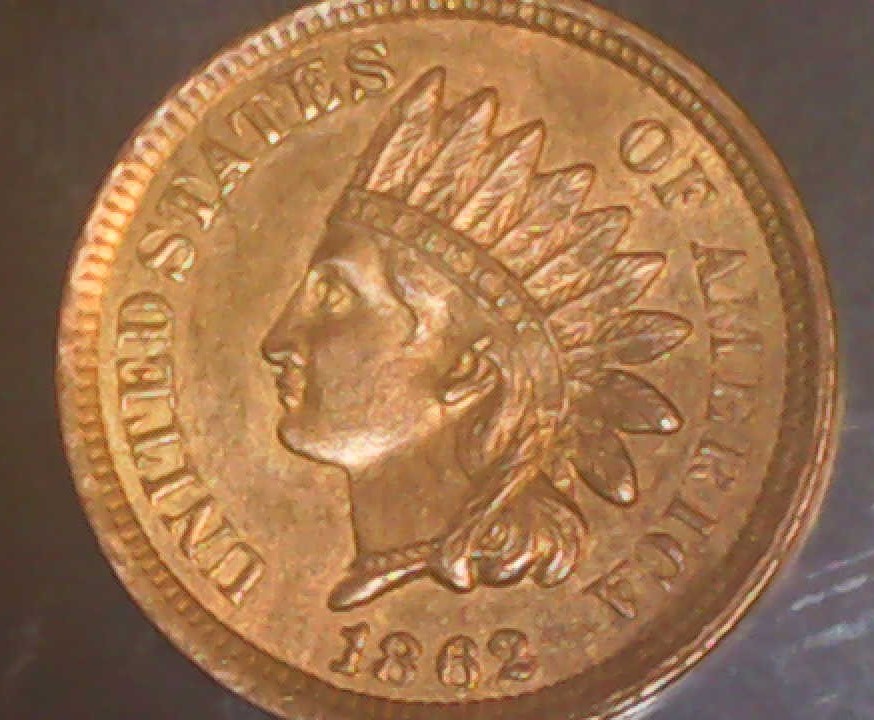
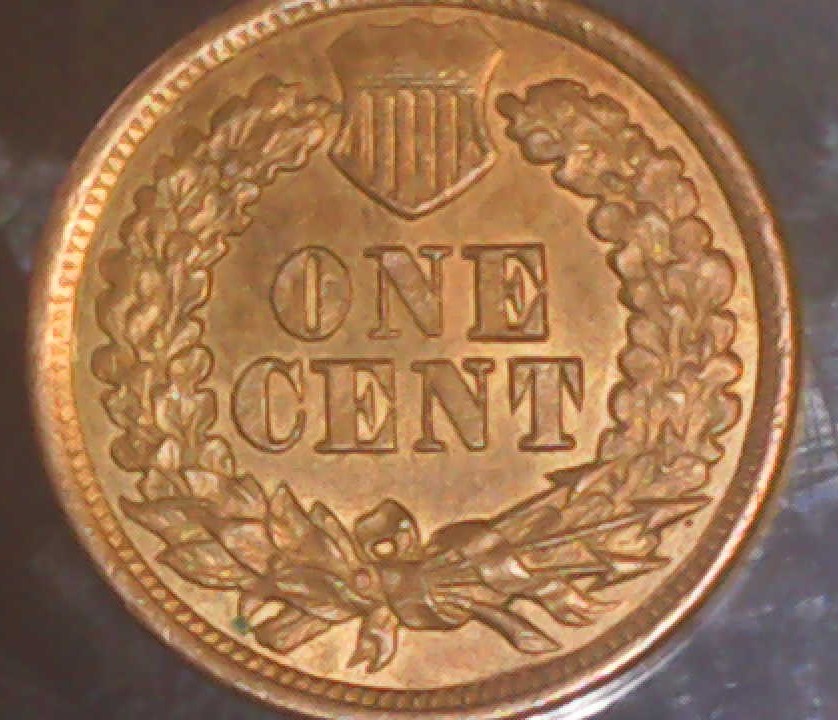
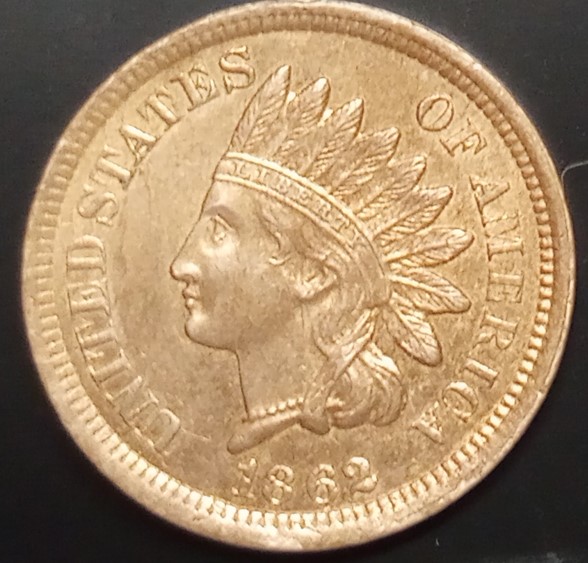
Just to give a slightly broader context for your edification, artifacts like this are relatively common on early U.S. coins. As you no doubt noticed, the fact that the artifact consists entirely of raised metal protruding upward from the surface means that it was a mint-made variety caused by a defect in the working die. While there are many sub-classifications and acronyms people will throw out, here are some of the most common:
1) die crack or die break --- the die develops a crack in its surface or, in severe instances, a small chunk of the die completely breaks off, leaving a hole in its place. Since the die is incuse, the result is an area of raised metal where the struck planchet fills in the space left by the crack or break. Die cracks are typically thin and irregular, as it would be highly unusual for a crack in any material to occur in a perfectly straight line.
2) die clash --- the dies were pressed together without a metal planchet to strike (or only a piece of one), causing the dies to strike each other instead. As a result, one or both of the dies leaves a partial imprint of its design on the other. The clashed die will be pushed in a little around the edge of contact, and the interior of any design element would appear as raised on the die (again because dies are incuse). The result is the clashed design element will appear mostly incuse (below the surface) on a struck coin. There are many different looks of die clashes depending on the severity. Often times, when there are parallel design elements close together, the affected region on the coin can look like a raised piece of metal (but it's actually the "ridge" between two incuse regions).
A common example on early U.S. coinage is when the reverse shield on the eagle clashes with Liberty's profile, and the gules impart raised bars on Liberty's neck. (For a prominent example, look around Liberty's ear here:
https://www.pcgs.com/coinfacts/coin...tate/508563)Die clashes always leave artifacts which are inverted (like looking in a mirror) and in opposite relief. To identify a clash, you should be able to find the design element on the exact opposite side of the coin that produced it. If nothing on the opposing side lines up, it (most likely) is not a die clash. [The exception is when the dies first become misaligned and then clash into each other, a spectacular example of which is the reverse here:
https://www.pcgs.com/coinfacts/coin...rev-rb/37514 (the raised wedges are in fact the gaps between the denticles on the obverse!)]
When die clashes are recognized during the minting process, the affected die may later be "polished" to remove the clashing.
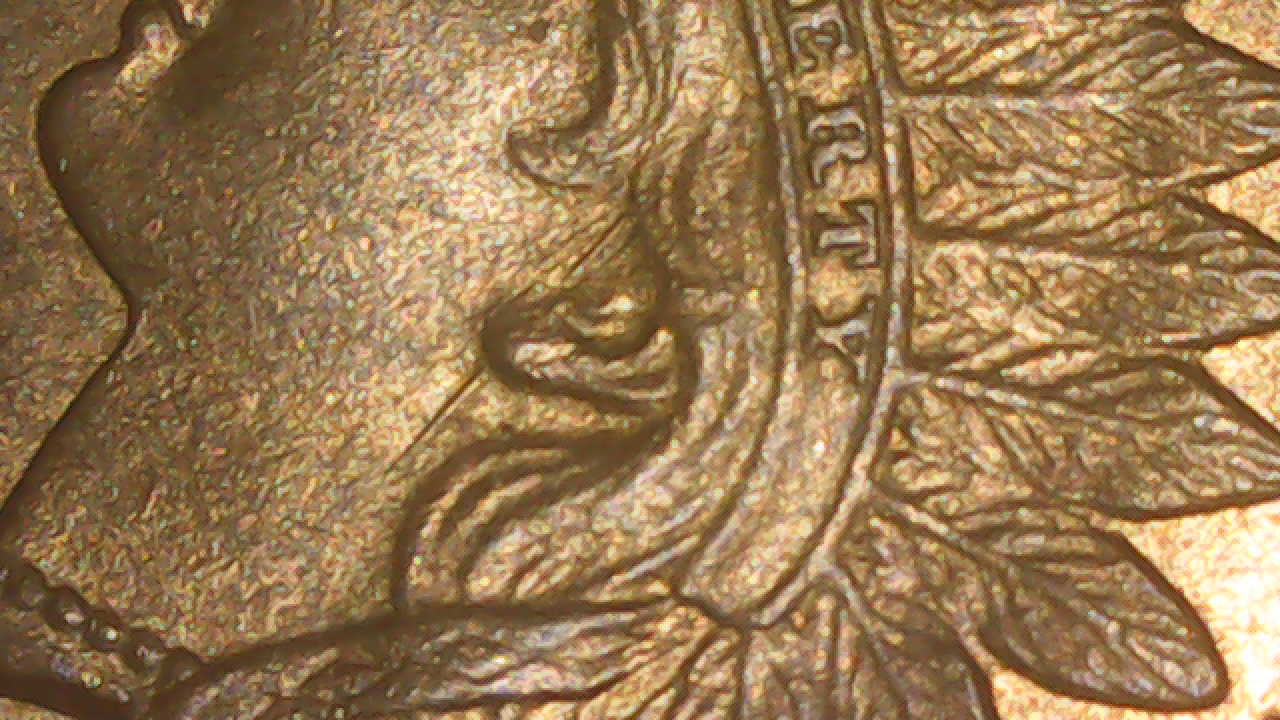
In your example, one can rule out a die clash because there is no design element on the reverse that could have made it (whether misaligned or not).
3) die line or die gouge --- something inadvertently scratched the die, causing a raised line to be transferred to the struck coin. These can be caused in many ways, but they are more likely than die cracks to be straight or parallel line segments. A common way for a die line to be made is when a die is being polished to remove a die clash, for instance. Another possibility is that the engraver accidentally etched a line too long. A classic example: the lines within the reverse shield of
Capped Bust half dollars are notorious for extending well beyond their intended endpoints. For a more egregious example, zoom in on the lowest reverse arrowhead here:
https://www.pcgs.com/coinfacts/coin...4-2-25c/5335 (the engraver must have slipped, creating this prominent die line).
Your example no doubt lies under the umbrella of this third category.
As a final comment, many variety collectors (myself included) absolutely love coins with severe examples of these mishaps, some of which command quite hefty premiums!







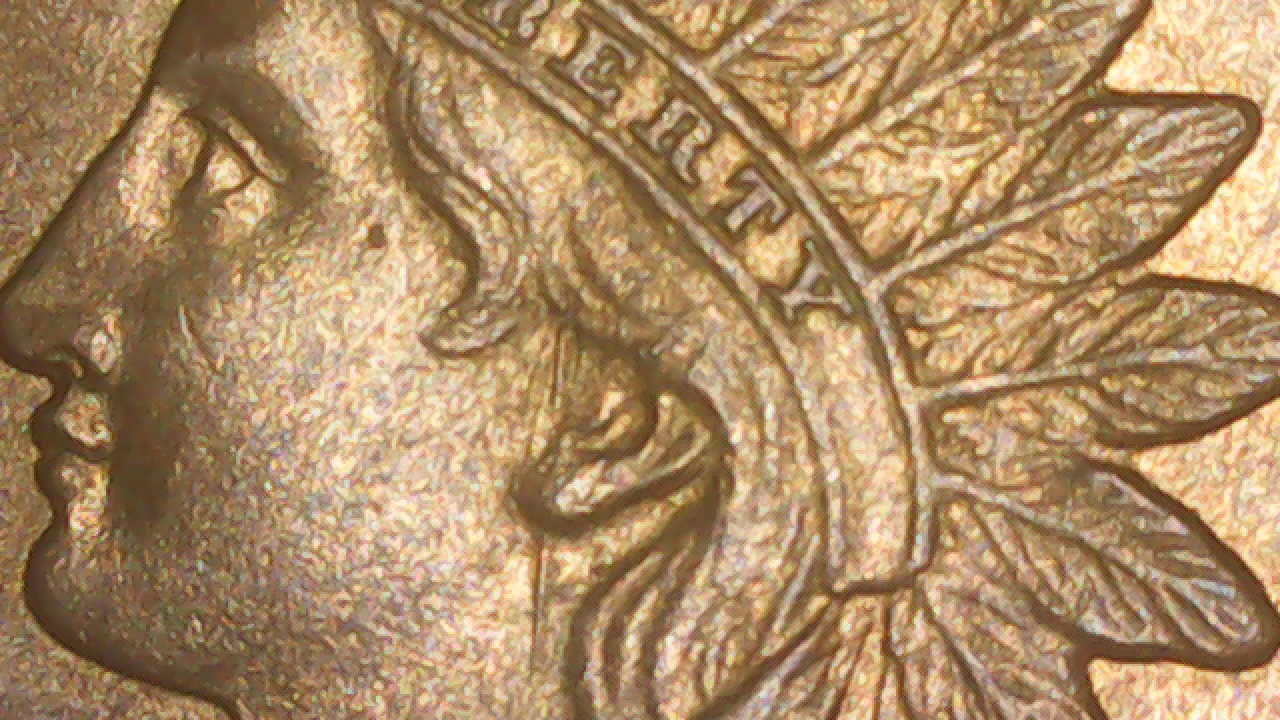


 to the CCF, Jadenewbie!

 Posted 02/11/2024 03:59 am