| Author |
 Replies: 27 / Views: 1,842 Replies: 27 / Views: 1,842 |
|
New Member
United States
30 Posts |
|
|
|
|
New Member
 United States
30 Posts |
Even crazier that I found this, I knew there was something to the pillars. I know it was a stretch for me to say extra Lincoln's lol forgive me, I'm tired. I got myself a redbull and woke up enough to see that there's numbers and even lettering in the the columns!! If I'm wrong, please tell me.. this coin is crazy  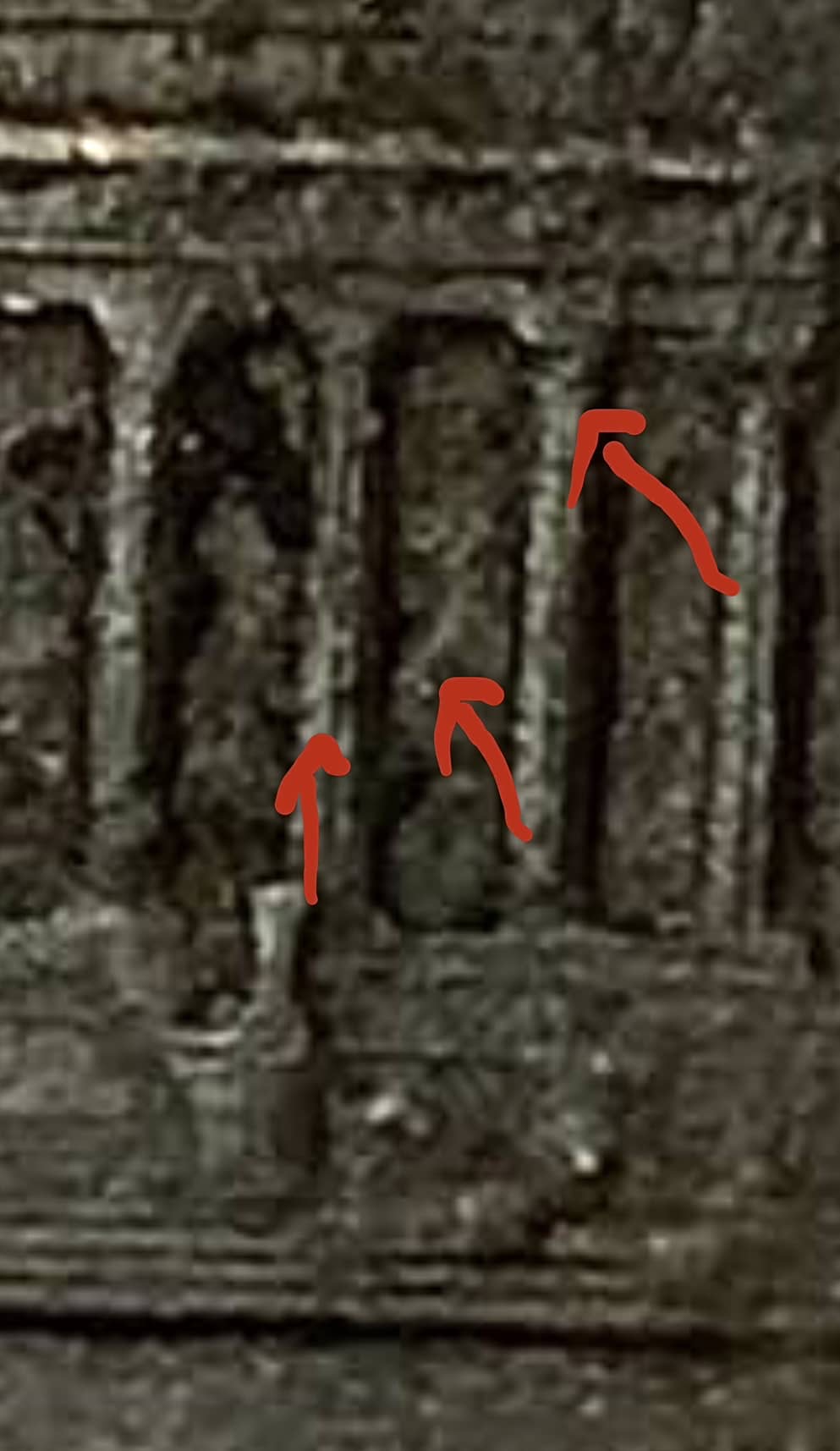 |
|
Moderator
 Australia
16964 Posts |
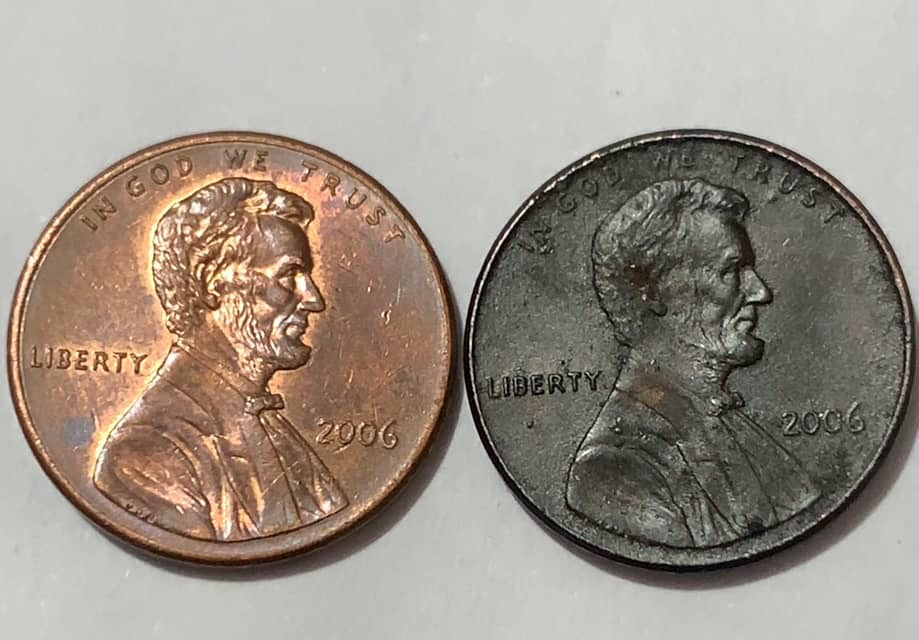
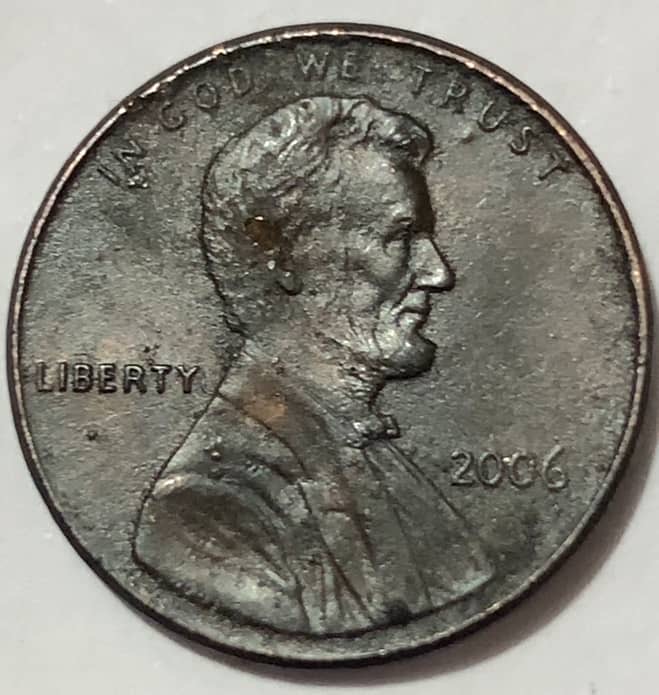
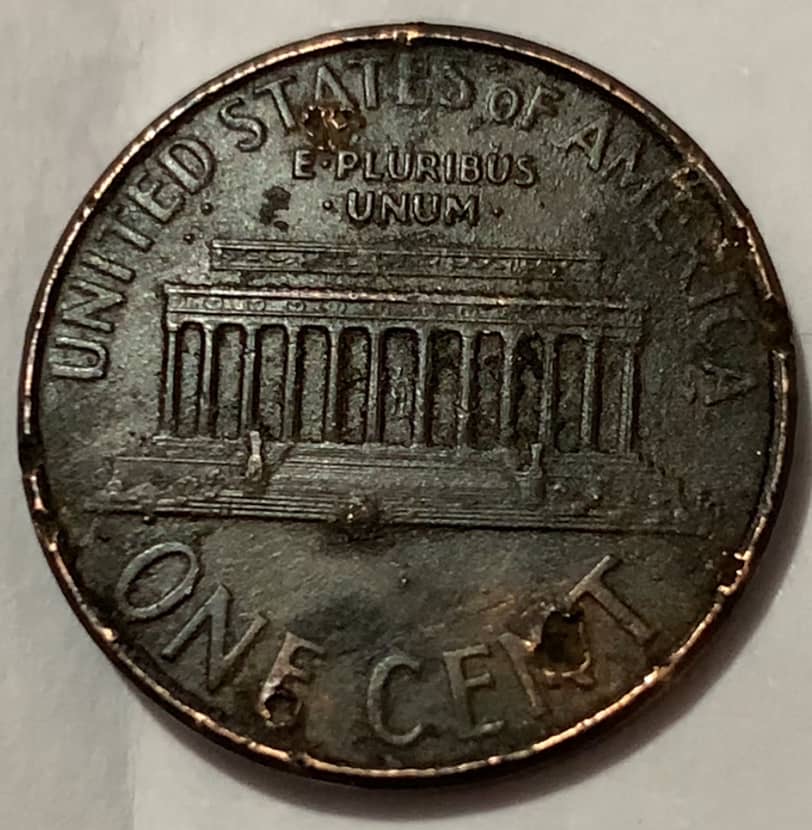
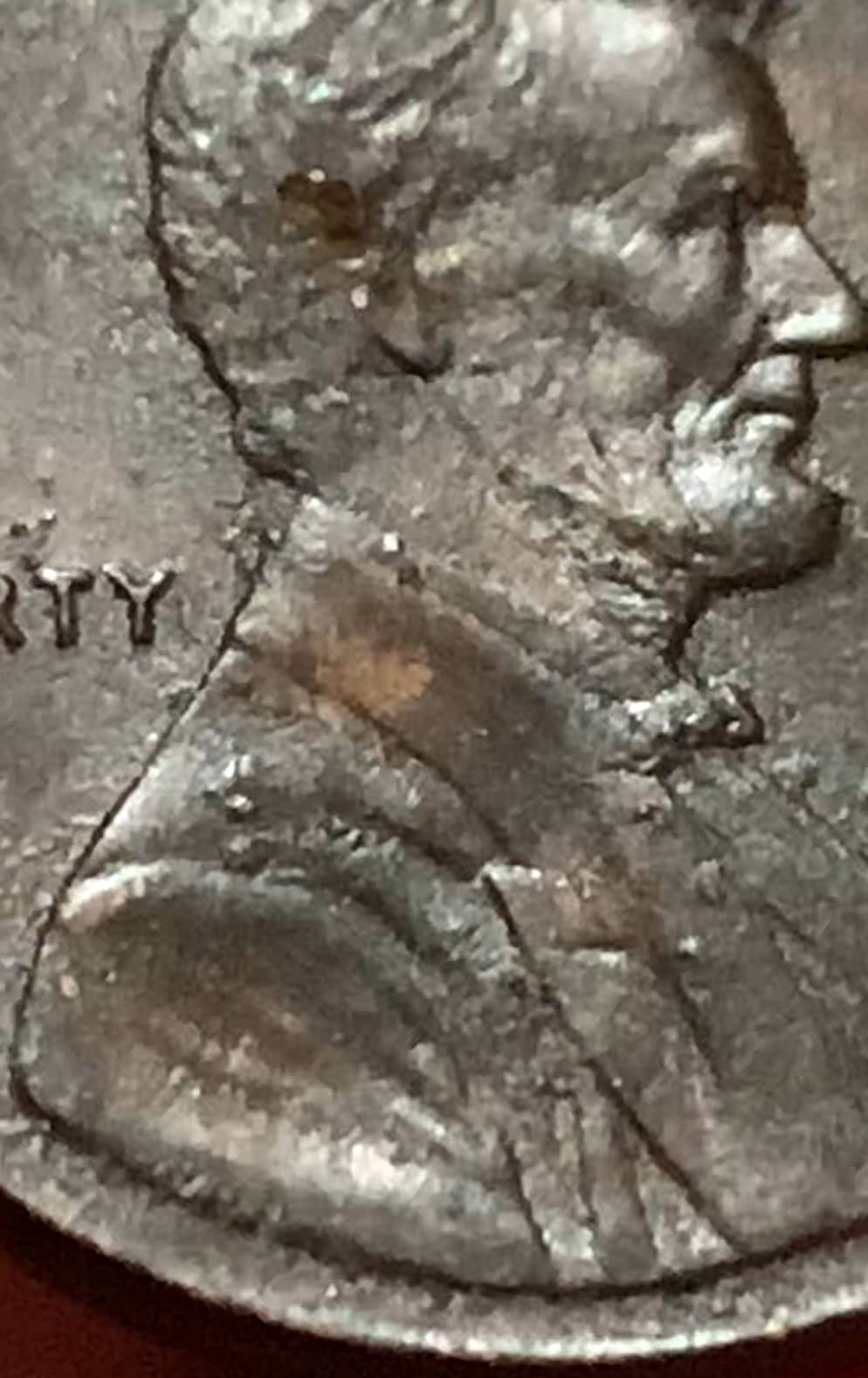
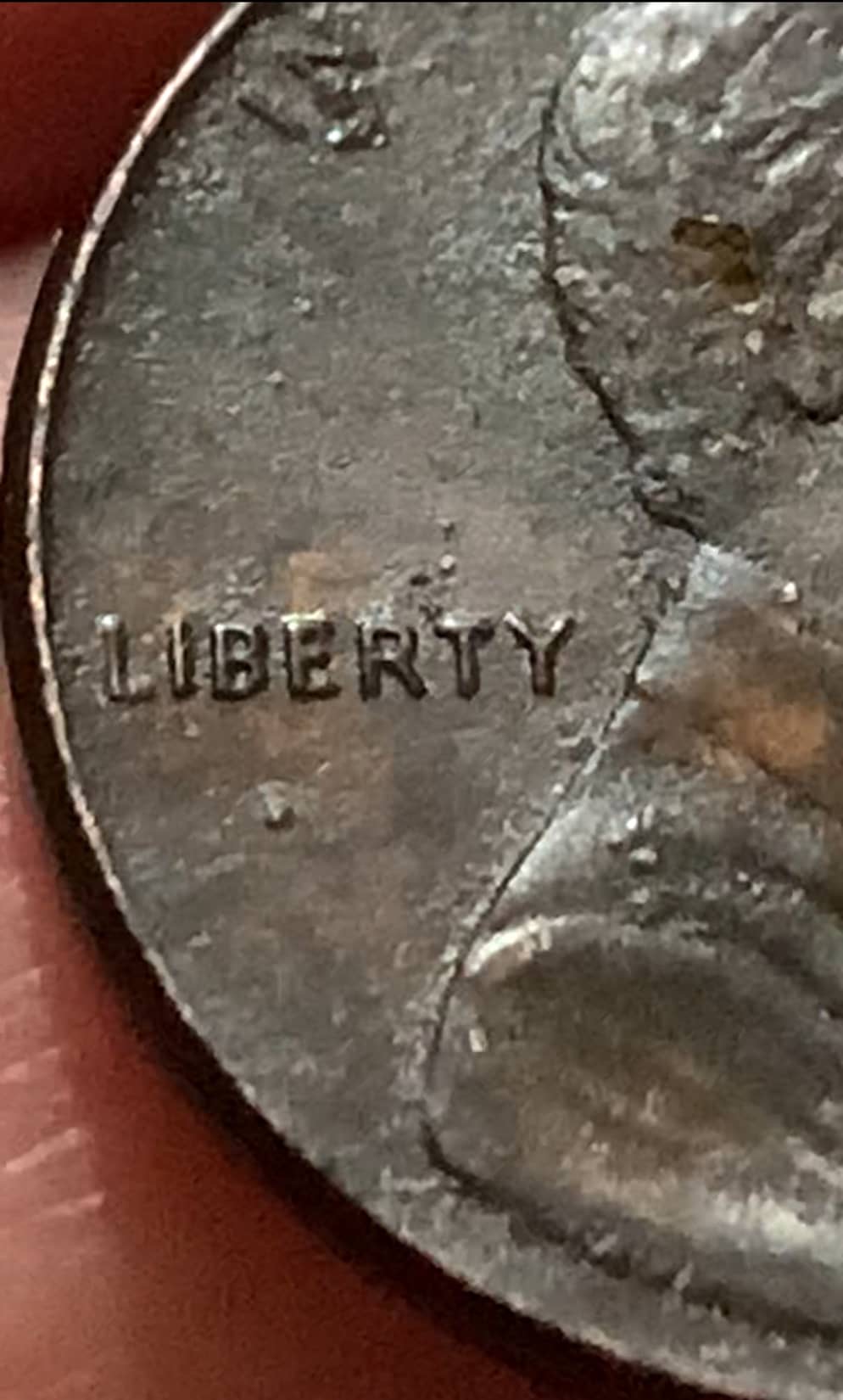
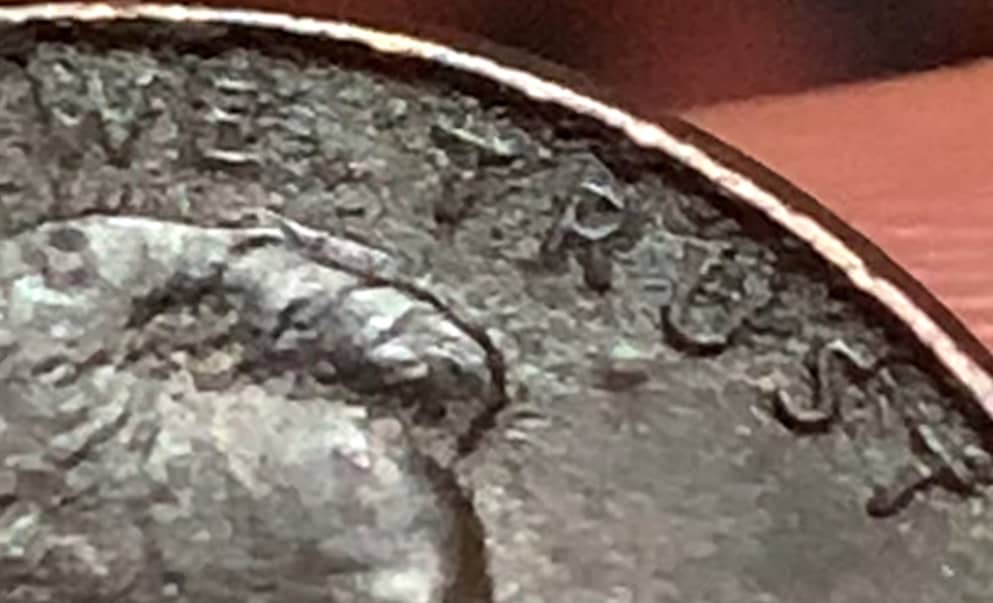
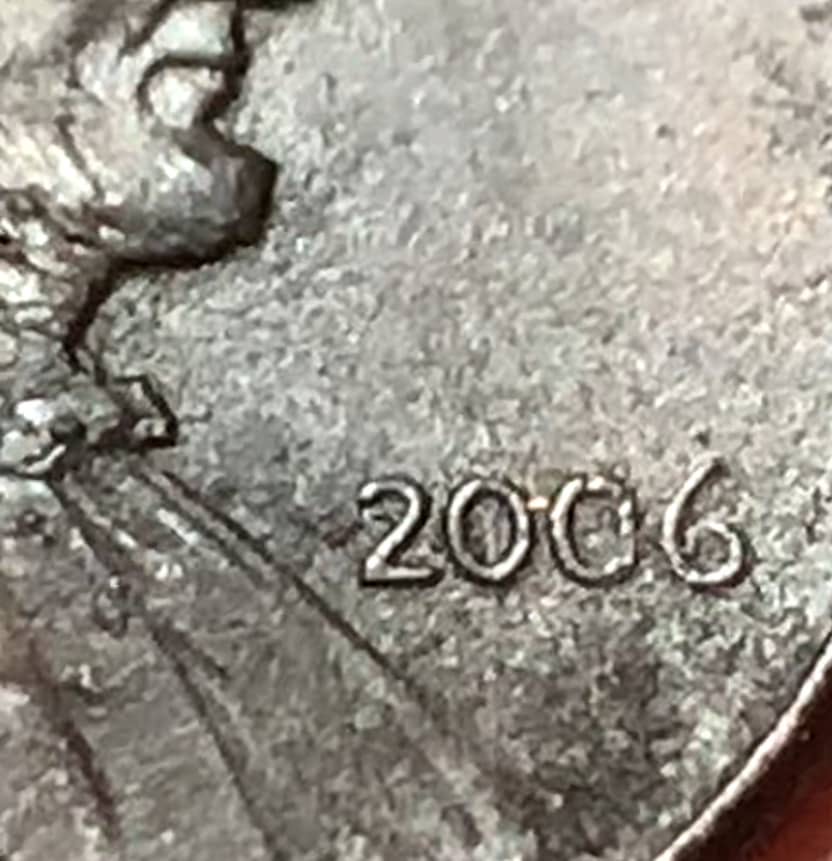
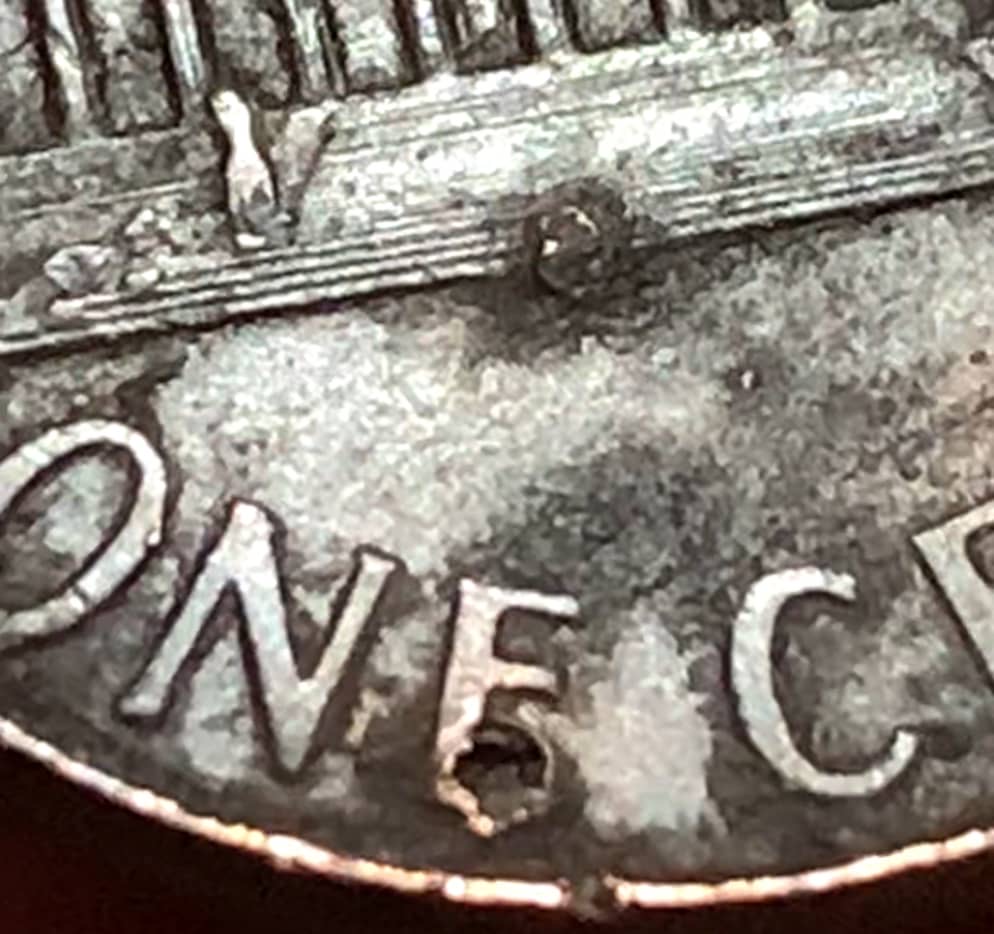
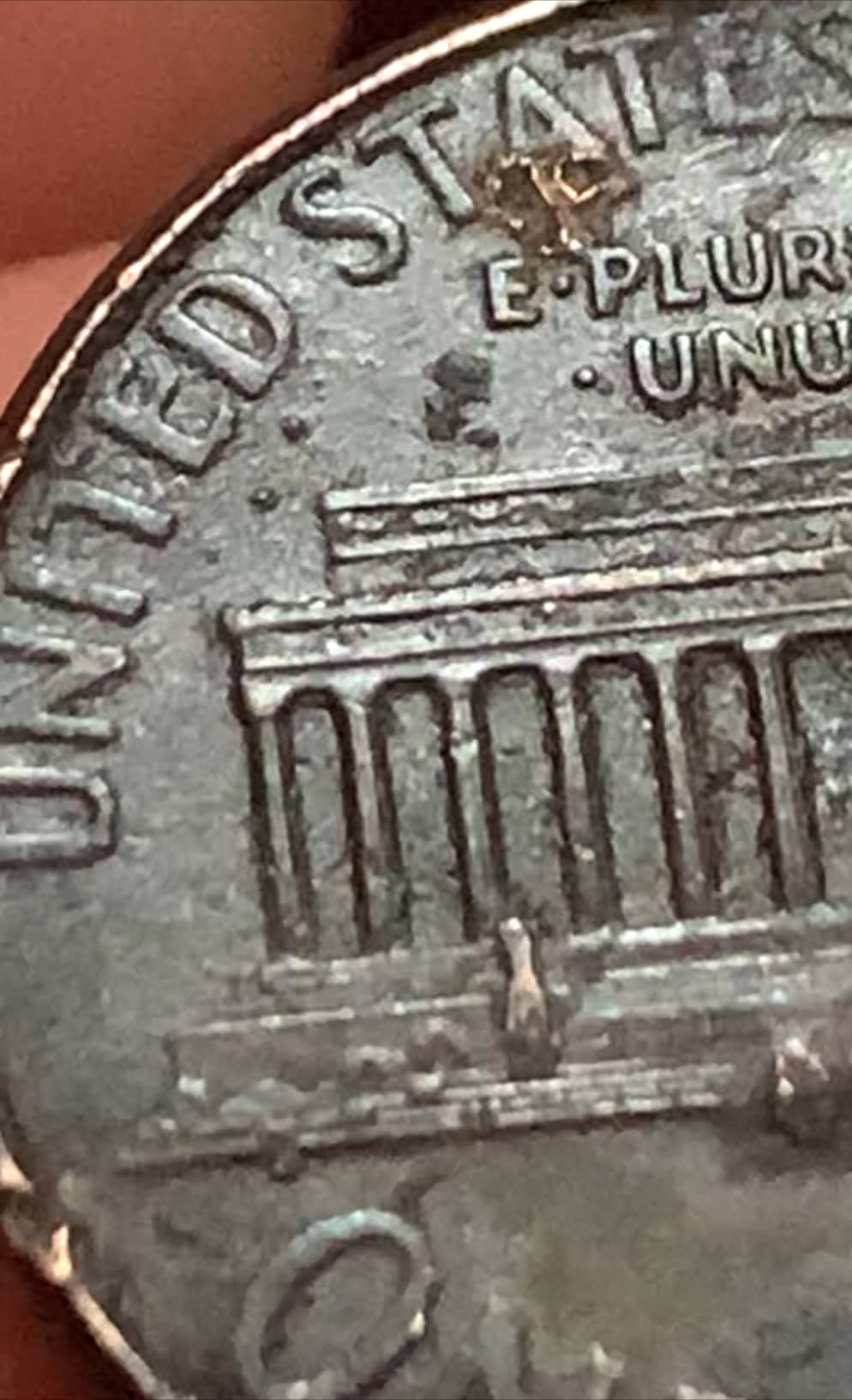
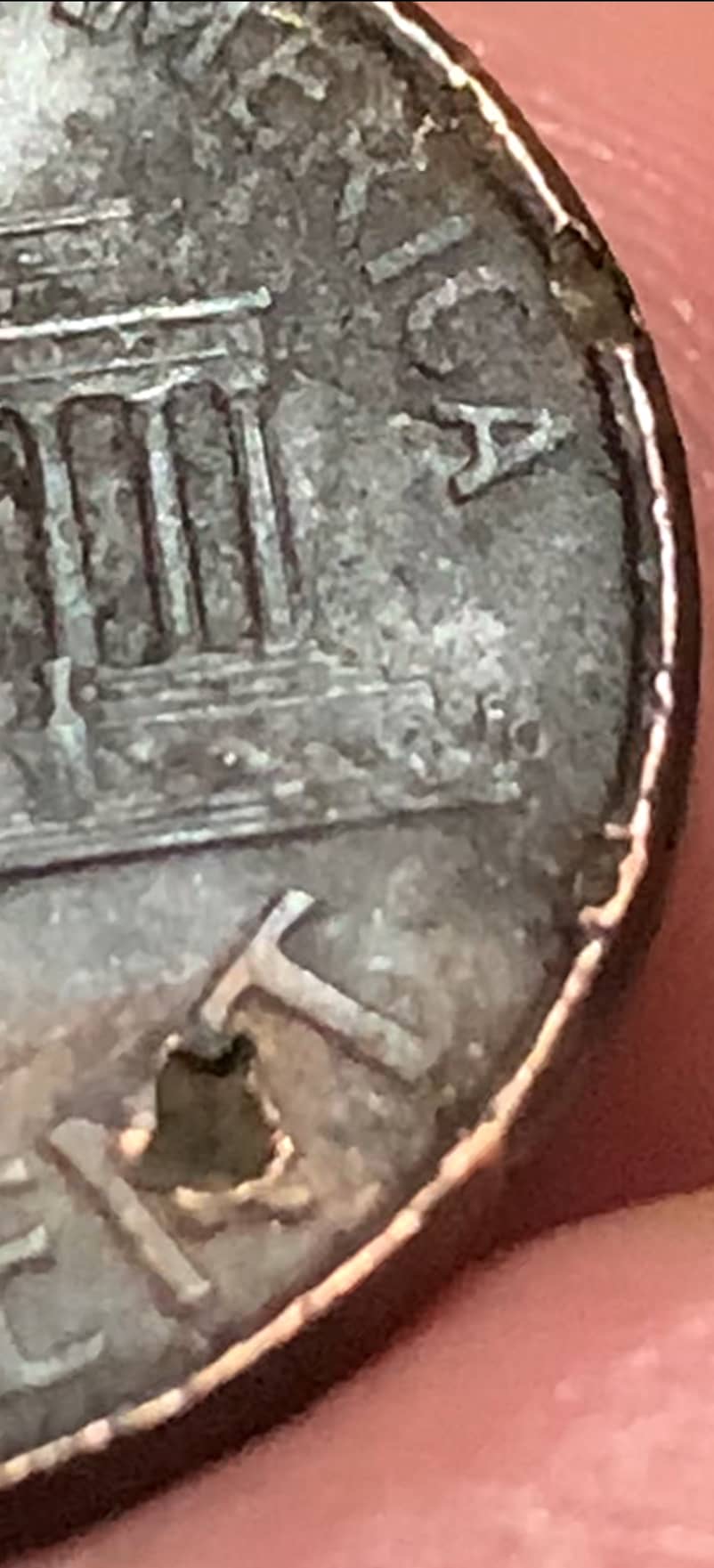
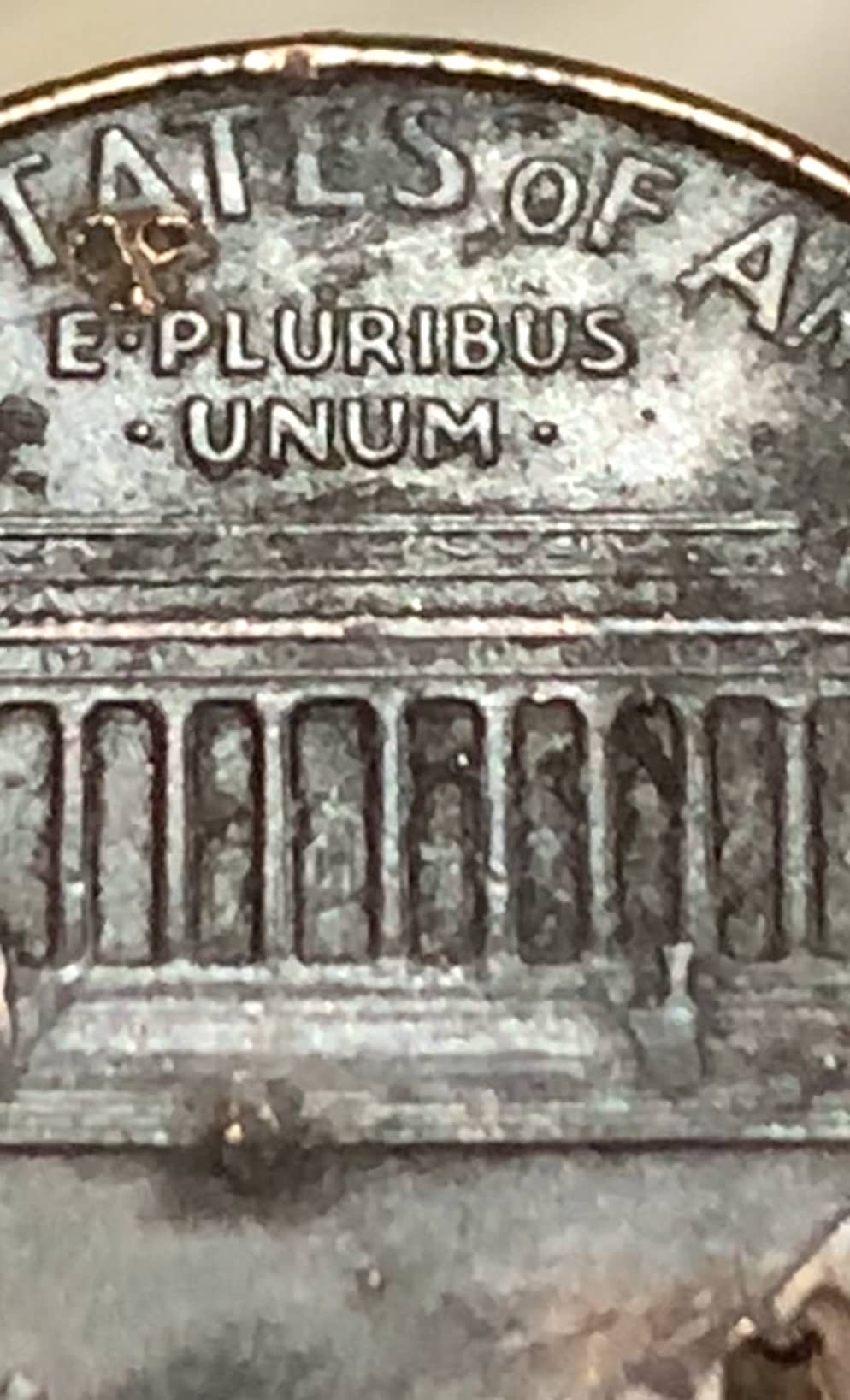
Whenever you find a coin that seems to have "multiple errors" on it, you always need to ask yourself... what's the most probable explanation for this? Not "most valuable" or "most sensational", but "most probable". This is Occam's Razor as applied to coin errors: whenever you see a coin with multiple oddities, first try assuming that all of the oddities have a single cause. Only consider multiple explanations if a single explanation is impossible. Because all of those things you're believing you're seeing on this coin as errors - the doubling, the Cuds and other die chips, and so forth - they're all rather improbable single events. The probability that all of these things all happened, simultaneously, to all appear on this one coin is, well, as next to impossible as makes no difference. So, what single event can be used to explain what we see here? The most obvious is discoloration. Then there's the obvious corrosion spots - your "stepping stool", the giant craters in the E and N of ONE CENT, the pitting in Lincoln's head - these are all corrosion craters, caused by the copper plating being breached and the zinc core exposed to the elements, where it rapidly corrodes. So, "environmental damage" is the single causal agent to generate all of the odd features on this coin. Yes, all of them. What kind of environment would do this? That's harder to pin down - my best two guesses are either that it was in a fire of some kind, or maybe it was sitting in water like a pool or fountain for a prolonged period. In the end, it doesn't really matter the precise cause of "environmental damage", because the outcome is the same. This coin fought a war against the planet Earth, and Earth won (as Earth almost always does win its wars against coins) - and as a result, this coin is rapidly turning back into the metallic ores from whence it came. Now it's possible that there are some actual minor die chips or some such on this coin - but the environmental damage is so severe, spotting it - and proving it - is as difficult as finding a piece of hay in a stack of needles. You'd really need corroborating evidence, such as an uncorroded coin showing the same die chips. Don't say "infinitely" when you mean "very"; otherwise, you'll have no word left when you want to talk about something really infinite. - C. S. Lewis
|
|
Moderator
United States
56855 Posts |
Newcoingeek, Enviromental damage not an error. Also,too many photos. As a general rule start out with 4 photos...one full coin pic obvers and one full coin pic reverse along with one or two close up where and when needed. If we need more pics we will ask. John1  |
|
New Member
United States
30 Posts |
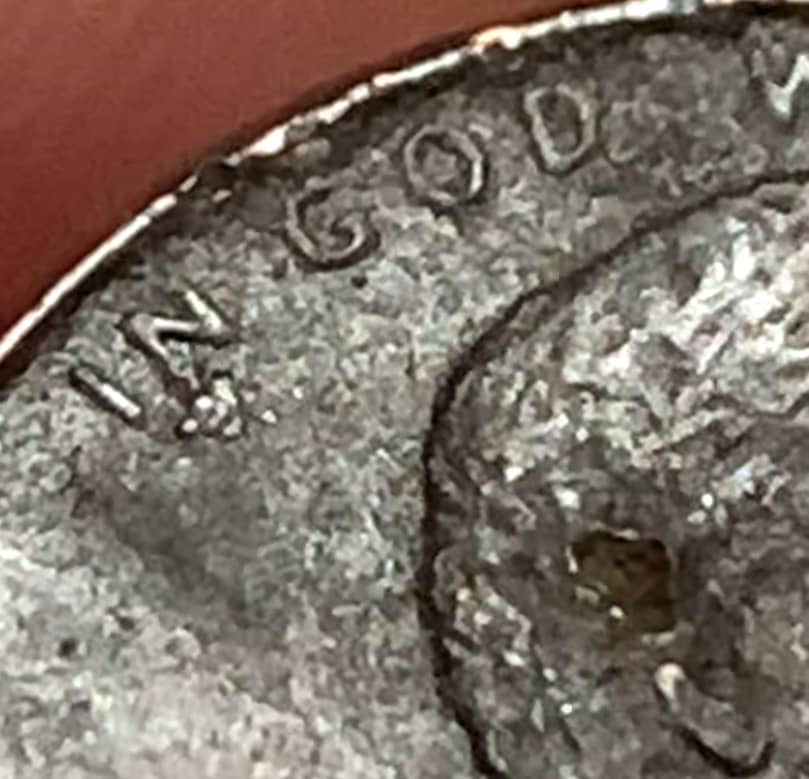
How does environmental damage give this coin all of the chips, misplaced dots, a floating roof and a clear "S" embedded in one of the columns? I don't think so fellas, environmental deterioration won't give a floating roof, an S embedded in one of the columns and a jumble of dye chips looking like a bunch of grapes in the word "IN" in "IN GOD WE TRUST? I haven't been in numismatics long but I can definitely say that NONE of those 3 things can be caused by "Environmental Damage" that's CRAZY!!! SMH can anyone else share some "Valid" insight to what I have? No disrespect to the few that commented but y'all really sound like some haters RN. I need "logical" opinions please, thank you
|
|
New Member
United States
30 Posts |
And if y'all were looking correctly, y'all would see the "stepping stool" is actually part of the stairs and it's raised...smh.. Icorrosion makes holes, is doesn't raise metal SMH and as you can see, the "stepping stool" is actually a piece of the steps raised... only part that you can say is corroded is that piece of Lincoln's head towards upper back of it.. other than that, where's the corrosion? Corrosion is gonna make those kind of holes ONLY on the letters? Cmon fellas, we gotta do better
|
|
Valued Member
United States
263 Posts |
You should send it in to be graded. When you do please let the community know what the outcome was.
|
|
New Member
United States
30 Posts |
Exactly what I was thinking @centinal when those first few comments said "environmental damage" SMH but when you send your coin to get graded, they only grade the quality and grade correct? I'm under the assumption that grading companies typically don't look for errors, just the grade that it's in.. enlighten me ple ASE |
|
Bedrock of the Community
United Kingdom
18593 Posts |
Quote:
corrosion makes holes, is doesn't raise metal It does on post-1982 US 1-cent coins. The coins have a very thin layer of copper over the zinc core. Once the copper is breached, the zinc can start corroding and this can pop up through the copper coating. Quote:
Corrosion is gonna make those kind of holes ONLY on the letters? The letters and sharper pieces of the design are where the copper coating has already come under pressure by being struck between the dies at the Mint. So these areas are more prone to damage than parts of the field with no design or letters. Sap and John1 are very knowledgeable about coins and I have learned a lot from them. It's nice to think you've got a unique error coin, but if you want to start collecting errors it's best to look at real errors first and learn about the minting process. The vast majority of coins that look a bit strange are damaged, either deliberately or through circulation. When I go to the States I often get rolls of pennies from banks as I collect elongated coins and I need a supply of clean cents for the penny smashing machines. I find cents just like the one you've shown in almost every roll I've looked through. Keep it if you like it, but unfortunately it's only worth 1 cent, Edited by NumisRob
05/02/2024 07:05 am
|
|
Valued Member
United States
263 Posts |
 There's a fee for each error or variety you want them to attribute to the coin. But honestly the comments above are just to help you understand and learn about what coins have PMD and what coins have errors or are different varieties. These guys are professionals, and I say this with 100% certainty. They've seen almost any and all coins esp LMC and LWC so they're not just saying that your coin isn't valuable, they know it. Chances are you send it in to be graded and they'll tell you the same thing that was said here  Edited by Centinal
05/02/2024 05:33 am
|
|
Pillar of the Community
United States
2189 Posts |
Save your money. Everything you see on this coin is damage. It's called zinc rot. The copper plating has been compromised exposed the zinc core causing corrosion.
|
|
Moderator
United States
15867 Posts |
Photo overload - we don't need all of those detail photos to tell you this coin is 100% damaged by zinc rot and subsequent corrosion. Its value is 1 cent if you spend it before it rots away. You'll spend $40 ~ $50 to get a TPG to tell you the same thing. You do the math on the wisdom to have it professionally graded. If you do send it in please come back and update this thread. |
|
Pillar of the Community
United States
5869 Posts |
All of the above ... plus there is no mint luster. (Decent images BTW, even though there are too many. We like your enthusiasm, so keep learning.) Do you realize this is a well circulated coin? Are you familiar with what a sacrificial metal is? In simple terms it is a metal that is very volatile and oxidizes easily. Zinc is one of those metals and will dissolve from oxidation before most others. That is one of the main reasons (and lower cost) why it is used as an anode on boat motors, water heaters, and Lincoln cents. Once the outside copper plating is pierced or damaged the underlying zinc will oxidize, creating raised bumps and the craters as the zinc dissolves. That oxidation, in the form of recessed divots on your coin, is what you are seeing on the A (STATES), E (ONE), N (CENT) Words of encouragement are one of the major food groups.
We need to consume them regularly to thrive and grow.
|
|
Moderator
United States
105622 Posts |
I find zinc coins that look just like this often - especially after a hard rain. the rain uncovers the coin that was in the dirt for who knows how long. the thin copper layer will tarnish then eventually erode away exposing the zinc core that will bubble UP and create craters in the surface. here is one of mine: (and I have several now) 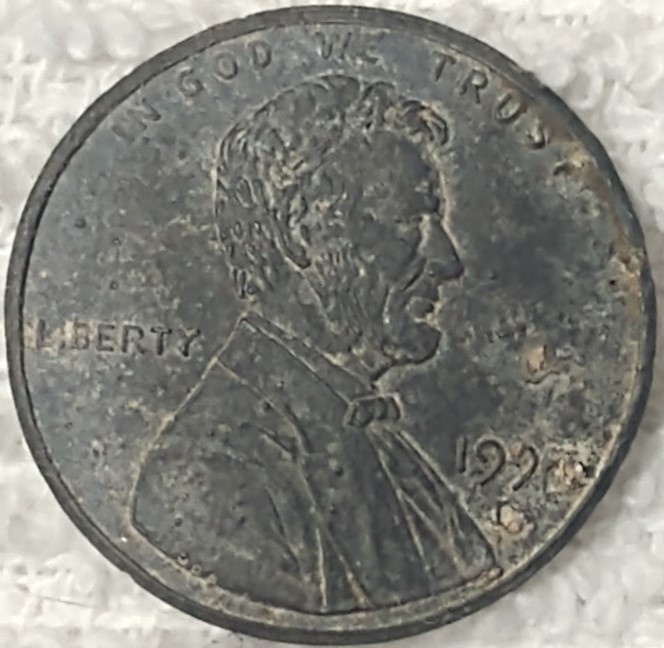  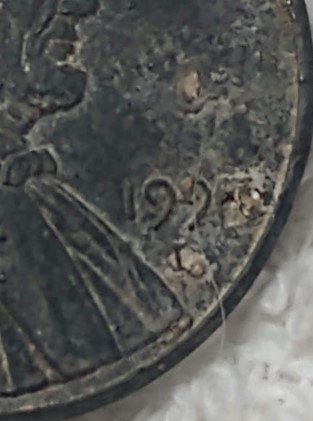 Edited by Dearborn
05/02/2024 3:46 pm
|
|
Bedrock of the Community
United States
19528 Posts |
Excellent discussion... If the coin is submitted to a reputable 3rd party grading/attribution service, I hope we learn the outcome. Thanks.
|
|
Pillar of the Community
United States
4135 Posts |
The experts are teaching you, the rest is up to you.
|
| |
Replies: 27 / Views: 1,842 |












 Posted 05/02/2024 04:00 am


